




Discover the most important works
Discover the most important works from the collection of the National Museum in Krakow. Discover their fascinating history.
You can buy tickets for exhibitions and events online
Ticket prices:
Entrance tickets to the Emeryk Hutten-Czapski Museum also provide access to the Pavilion.
Tickets available at the ticket office of the Emeryk Hutten-Czapski.
—
Reservation only by telephone: + 48 12 433 57 44 or e-mail: rezerwacja@mnk.pl
Monday: closed
Tuesday: 10.00 AM – 6.00 PM
Wednesday-Sunday: 10:00 AM – 4:00 PM
Last visitors are admitted to the gallery and exhibition no later than 20 minutes before closing time. The ticket office, gift shop, and cloakroom are open until closing time.
Public transport access
Facilities available at the MNK Czapski (Czapski Palace and Józef Czapski Pavilion): audio description, architectural accessibility for people with mobility difficulties, guide for the deaf, sensory basket, quiet zone, defibrillator, garden, café, cloakroom, changing table, Wi-Fi, elevator.
MNK The Czapski: the building is equipped with an internal elevator, accessible toilets, ramps, wide doors and passageways, and a stair climber. Access to the building is difficult due to high steps (the use of portable rails is necessary). A stair climber can be used for the direct descent to the cloakroom.
In the cash register, there is a tactile audio-enabled information board with a description of the building’s space in Polish, English, and Ukrainian.
There is a defibrillator in the branch.
The Old Prints Library is not accessible to wheelchair users.
Józef Czapski Pavilion: in the Pavilion, there are no thresholds that make it difficult to move, there is an elevator with a voice communicator, a self-service cloakroom and a toilet adapted to the needs of people with disabilities. There is also a café and a quiet zone in the reading room.
 MNK Main Building
MNK Main Building
MNK Main Building
 MNK Szołayscy
Discover the most important works from the collection of the National Museum in Krakow. Discover their fascinating history.
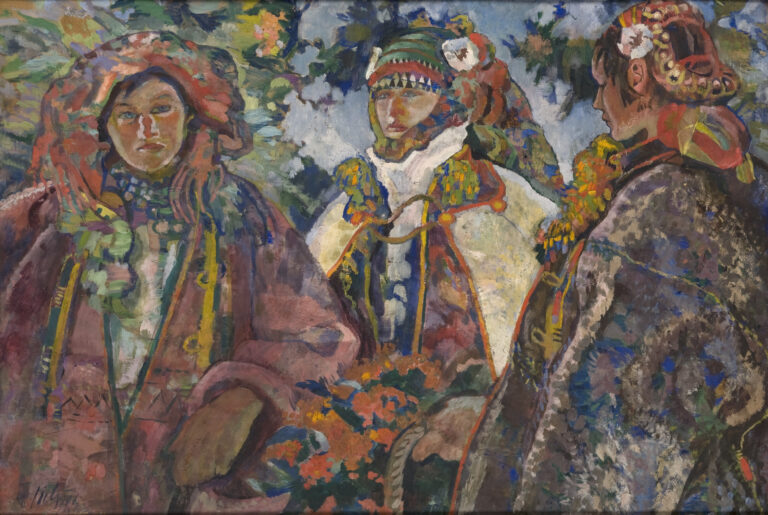
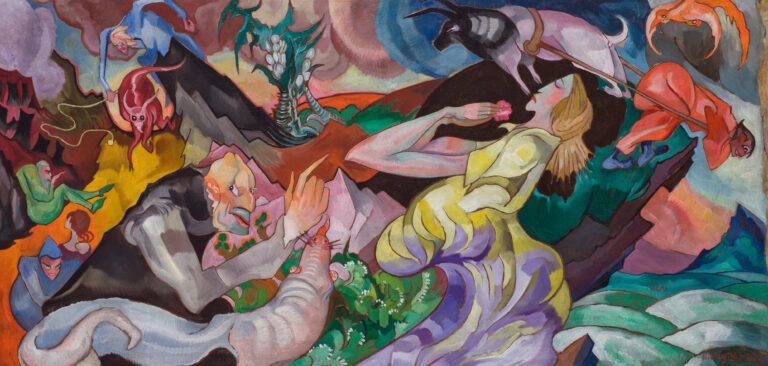
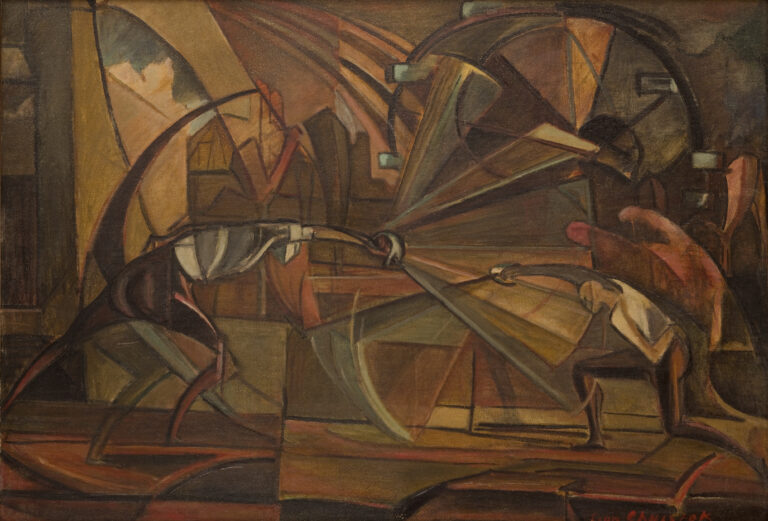
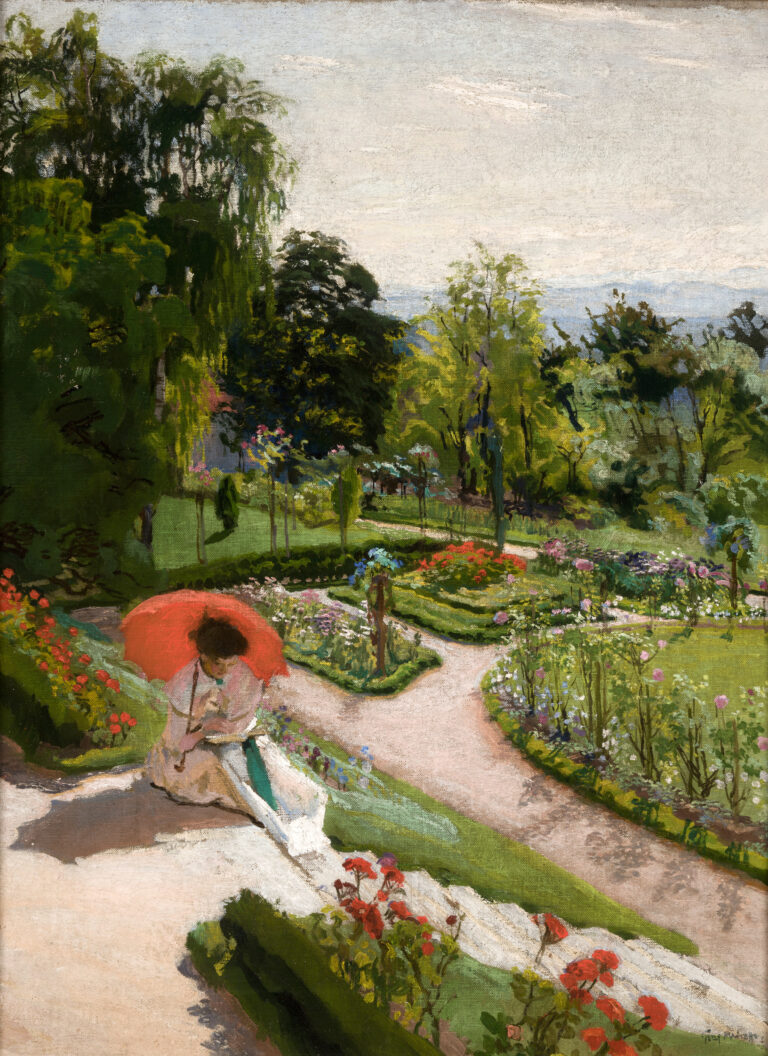
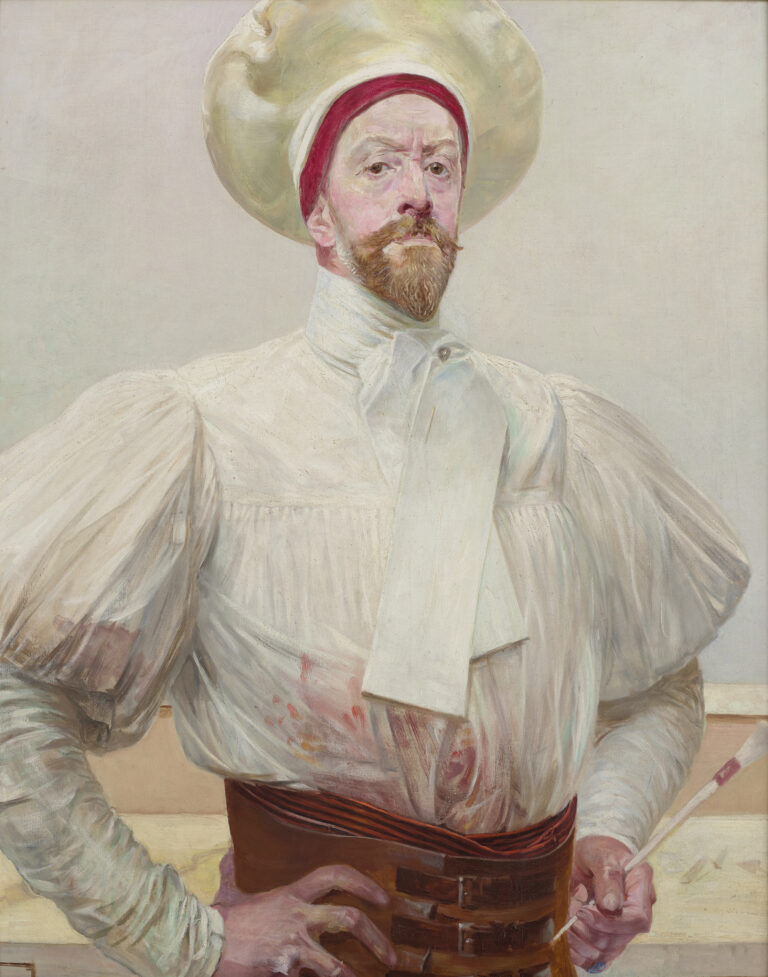
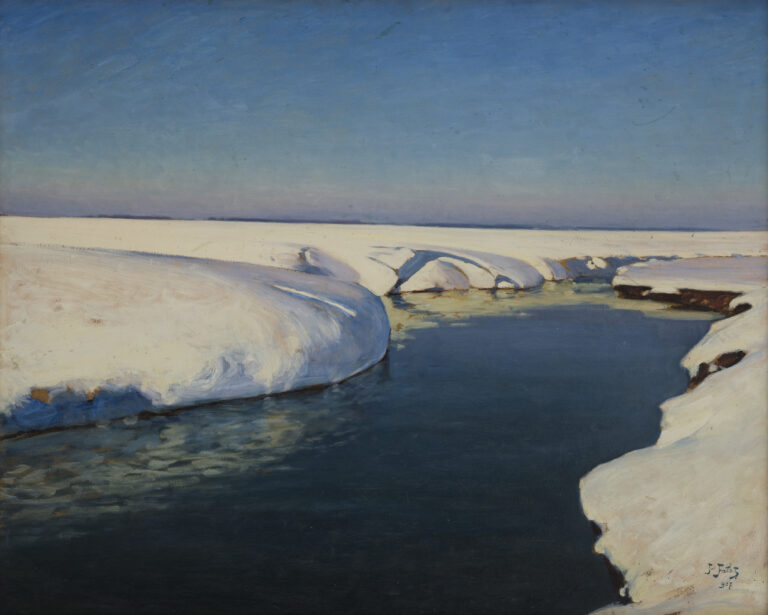
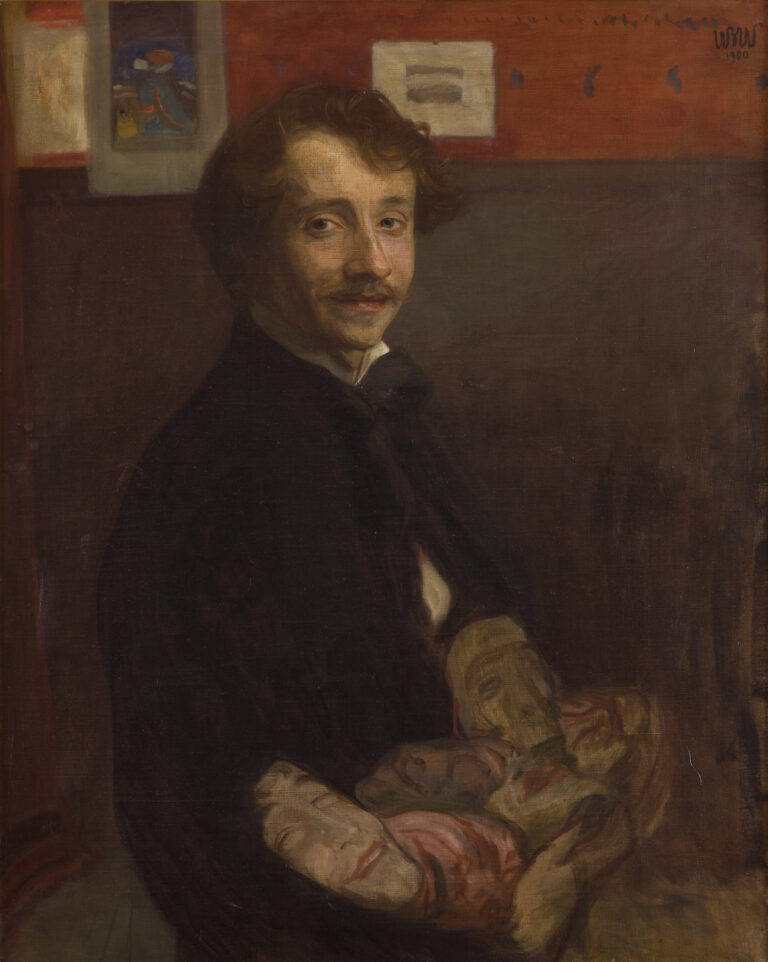
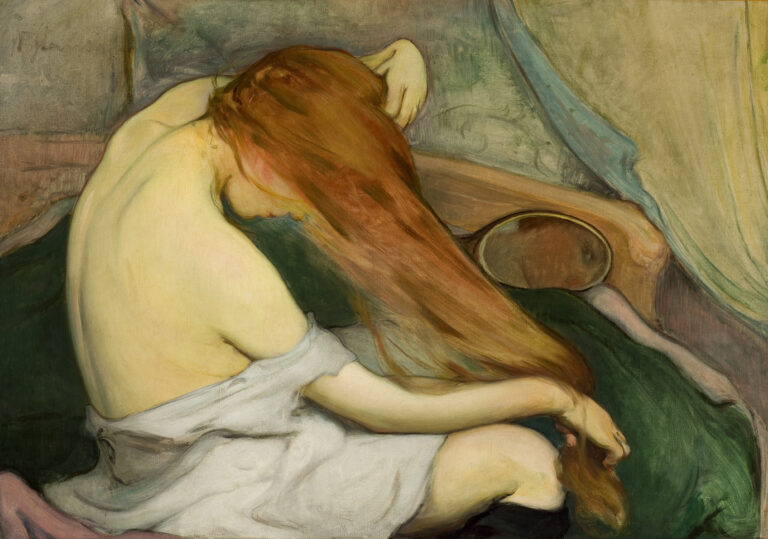
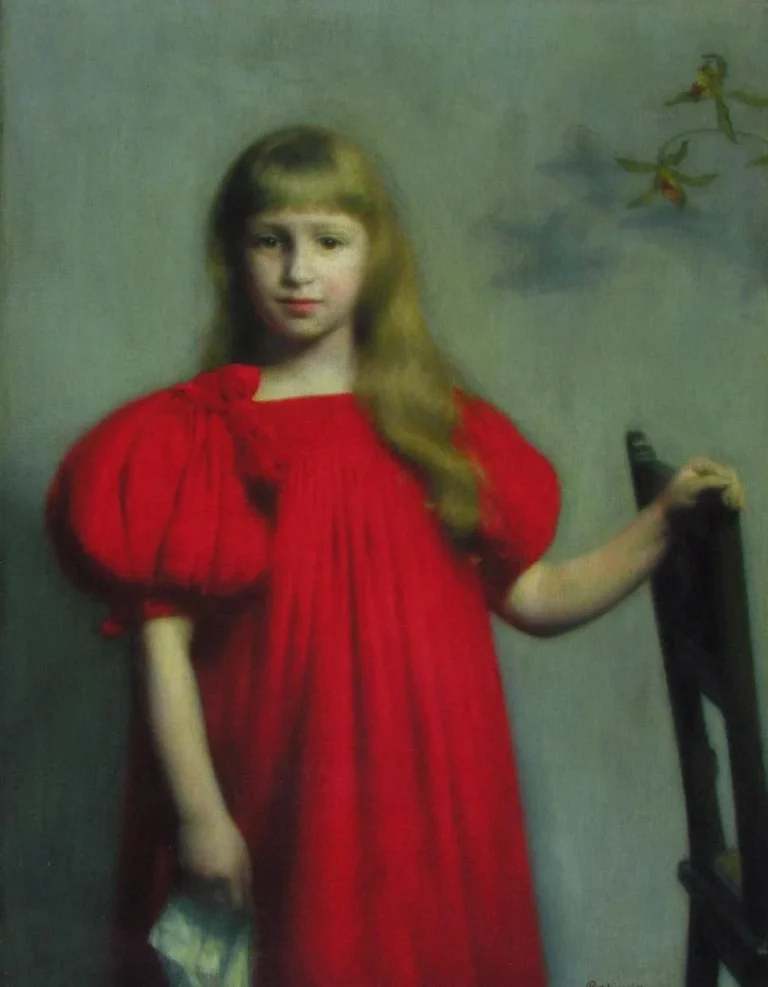
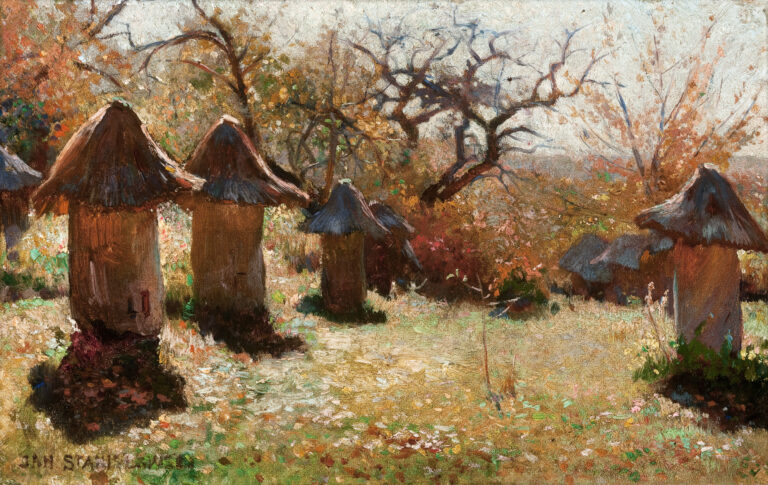
The Gallery of 19th-Century Polish Art in the Sukiennice is the oldest branch of the National Museum in Krakow. The permanent exhibition on the first floor of the building showcases paintings and sculptures representing the Enlightenment, Romanticism, Academicism, as well as various late-19th-century styles such as Realism, Impressionism, and the early phase of Young Poland.
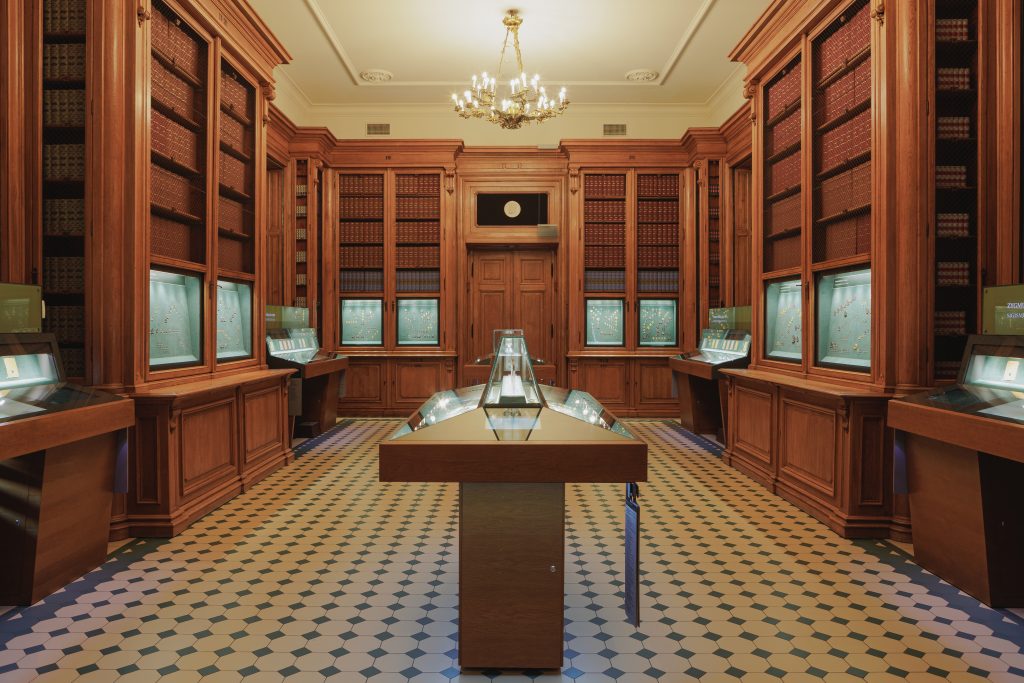
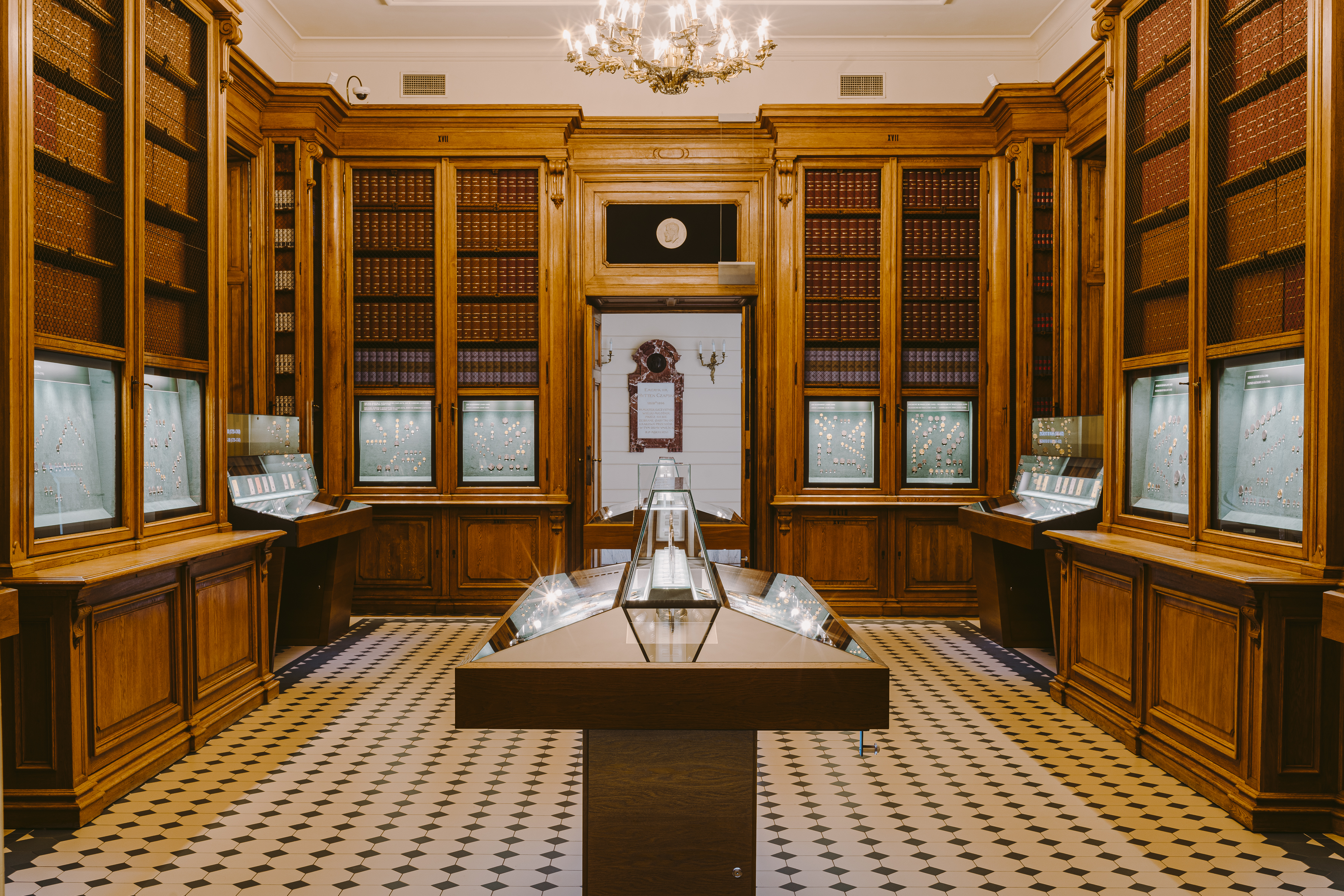
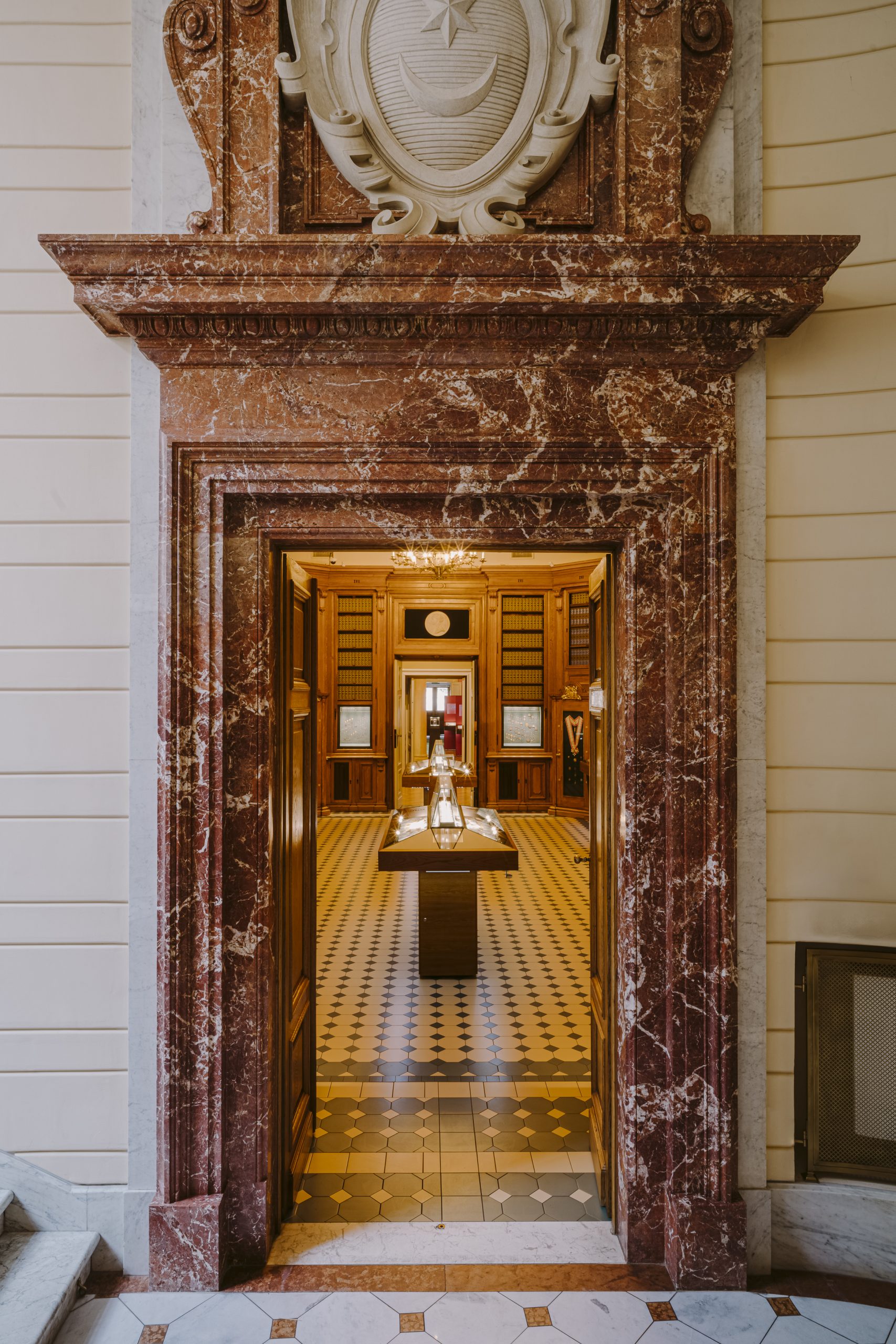
The Czapski Palace was built in 1884 according to the design of Antoni Siedek, commissioned by Count Emeryk Hutten-Czapski of the Leliwa coat of arms (1828-1896). Hutten-Czapski is considered the most outstanding Polish collector-numismatist. He was a bibliophile, a collector of prints, works of art and Polish memorabilia. During his life, he collected the most valuable collection of Polish coins, medals and banknotes that had ever been created.
After the death of Hutten-Czapski, a private museum was opened in a museum pavilion added to the palace, designed by Tadeusz Stryjeński. Later, in 1903, the museum was donated to the National Museum via the Municipality of the City of Kraków, following the decision of the collector’s wife, Elżbieta née Meyendorff (1833–1916), and their sons. The mission of the collection and its importance for Polish culture and history are reflected in the text of the inscription placed on the front of the pavilion: Monumentis Patriae naufragio ereptis (Homeland memorabilia saved from the historical storm).
Museum of Emeryk Hutten-Czapski, with a permanent exhibition, functioned until 1939, after which it was closed to the public for over 70 years.
During this period, the Czapski Palace served as the headquarters of the National Museum in Krakow, with management and administration offices of the institution until the Main Building was used for this purpose.
In 2013, because of the implementation of the project financed by the European Union: European Centre for Polish Numismatics, conservation, renovation and adaptation to the presentation of priceless numismatic treasures and cyclical displays of fragments of a collection of old prints and manuscripts from the MNK collection were completed.
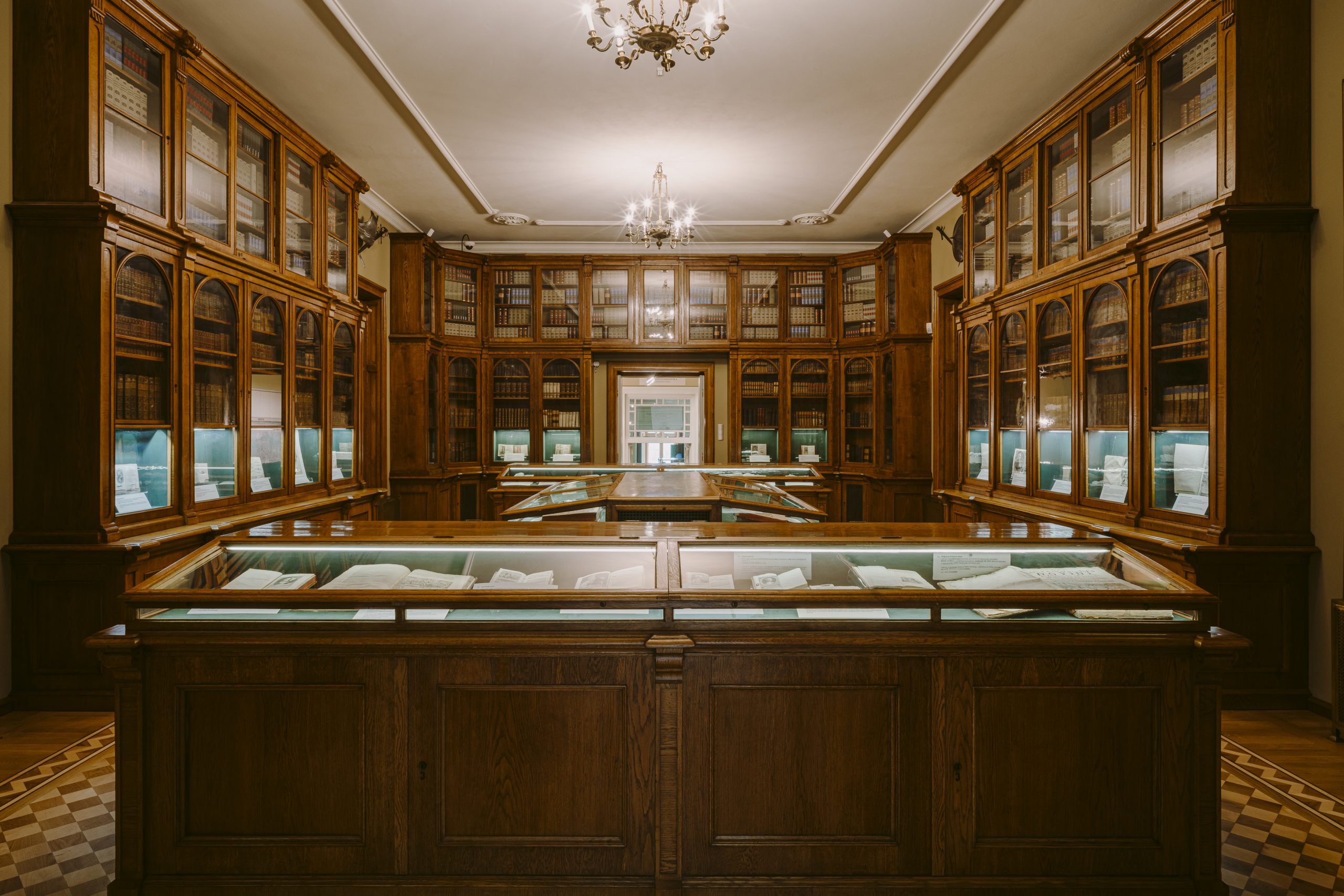
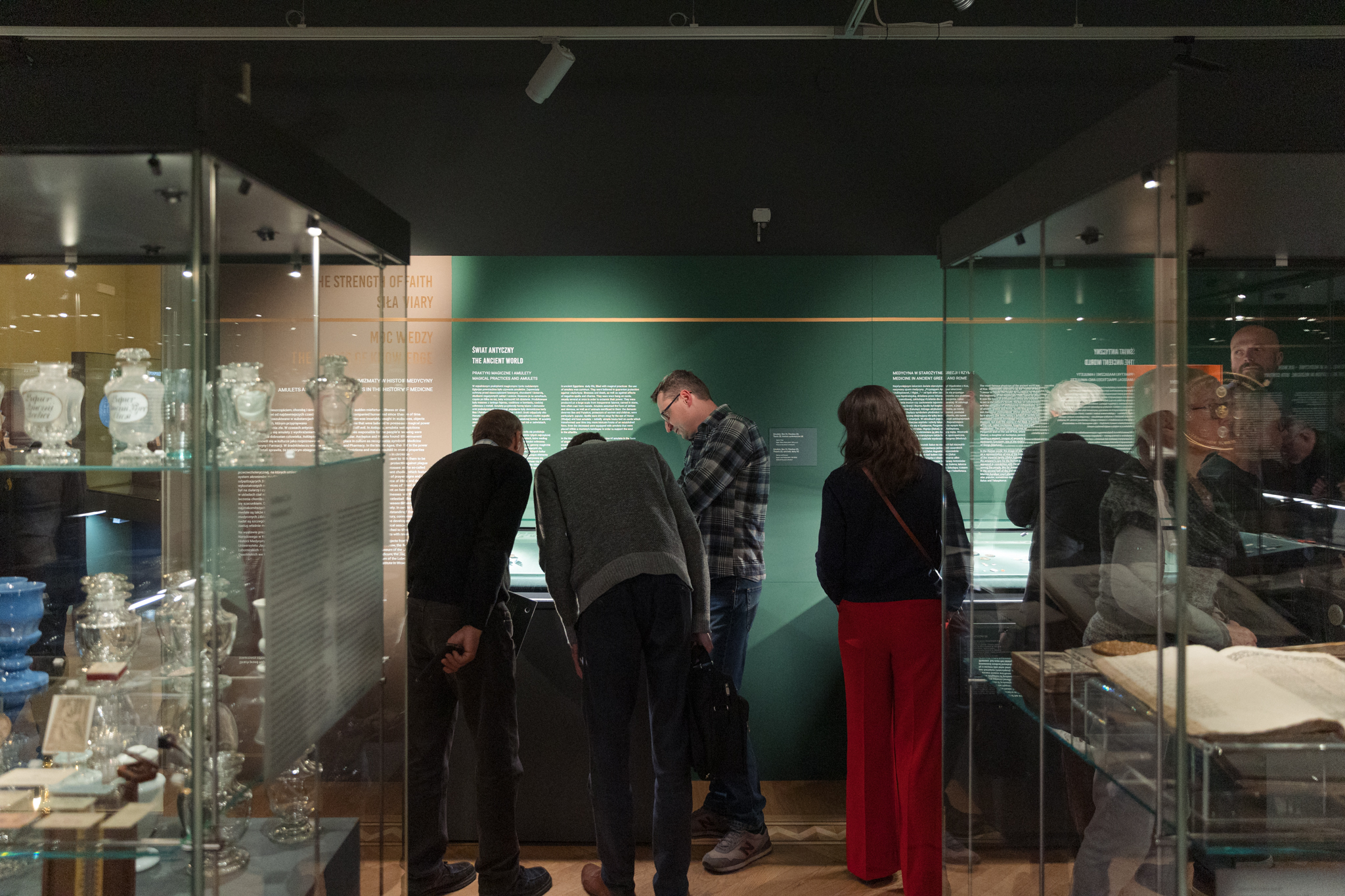
The National Museum in Kraków’s ever-growing numismatic collection now numbers over 100,000 items, with 2,500 of the most valuable pieces on display in the palace’s permanent exhibition. A selection of unique, even legendary coins and the most beautiful medals, as well as the rarest old prints and maps, await visitors in carefully renovated spaces. The museum serves as a centre dedicated to and dealing with numismatics. Both exhibition and research projects, workshops, conferences, shows and educational activities aimed at children and adults of various levels of advancement are conducted here.
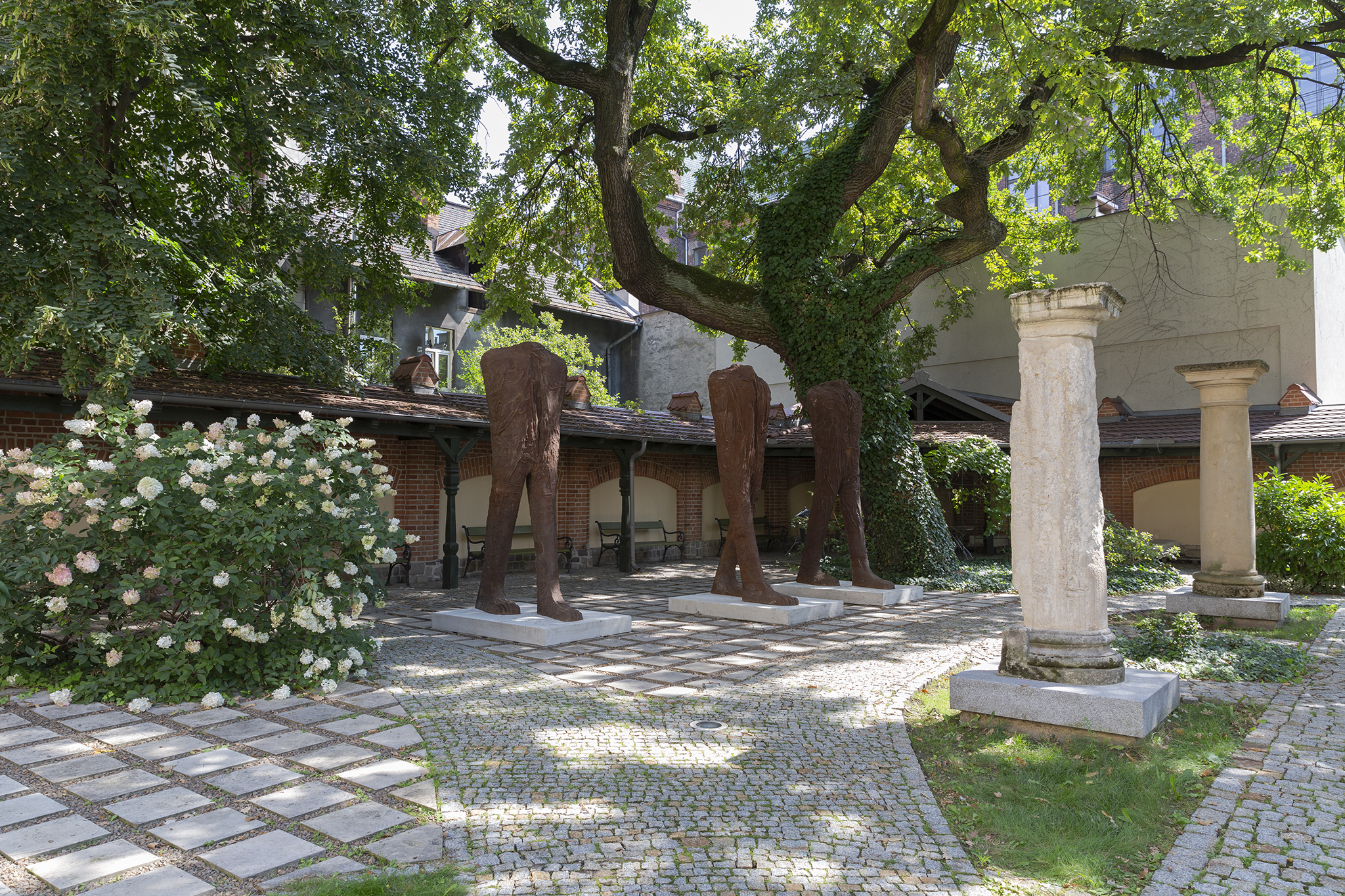
There is a beautiful garden on the premises of the MNK The Czapski branch. In the shade of over 100-year-old trees, you can admire part of the museum’s lapidary, where there are fragments of Krakow’s Gothic buildings (including the original, 14th-century, pinnace from the St. Mary’s Basilica).
In the neighbouring tenement house (at 14 Marszałka J. Piłsudskiego Street), donated to the National Museum in 1967 by the family of the Jagiellonian University professor Władysław Łoziński and expanded in 2013 with a new annexe, are housed the following departments: the Department of Old Prints and Manuscripts, the Department of Historic Photography, the MNK’s Institutional Archive, the Paper and Leather Conservation Studio, the Bookbinding Workshop, and the Laboratory for Analysis and Non-Destructive Testing of Historic Objects (LANBOZ).
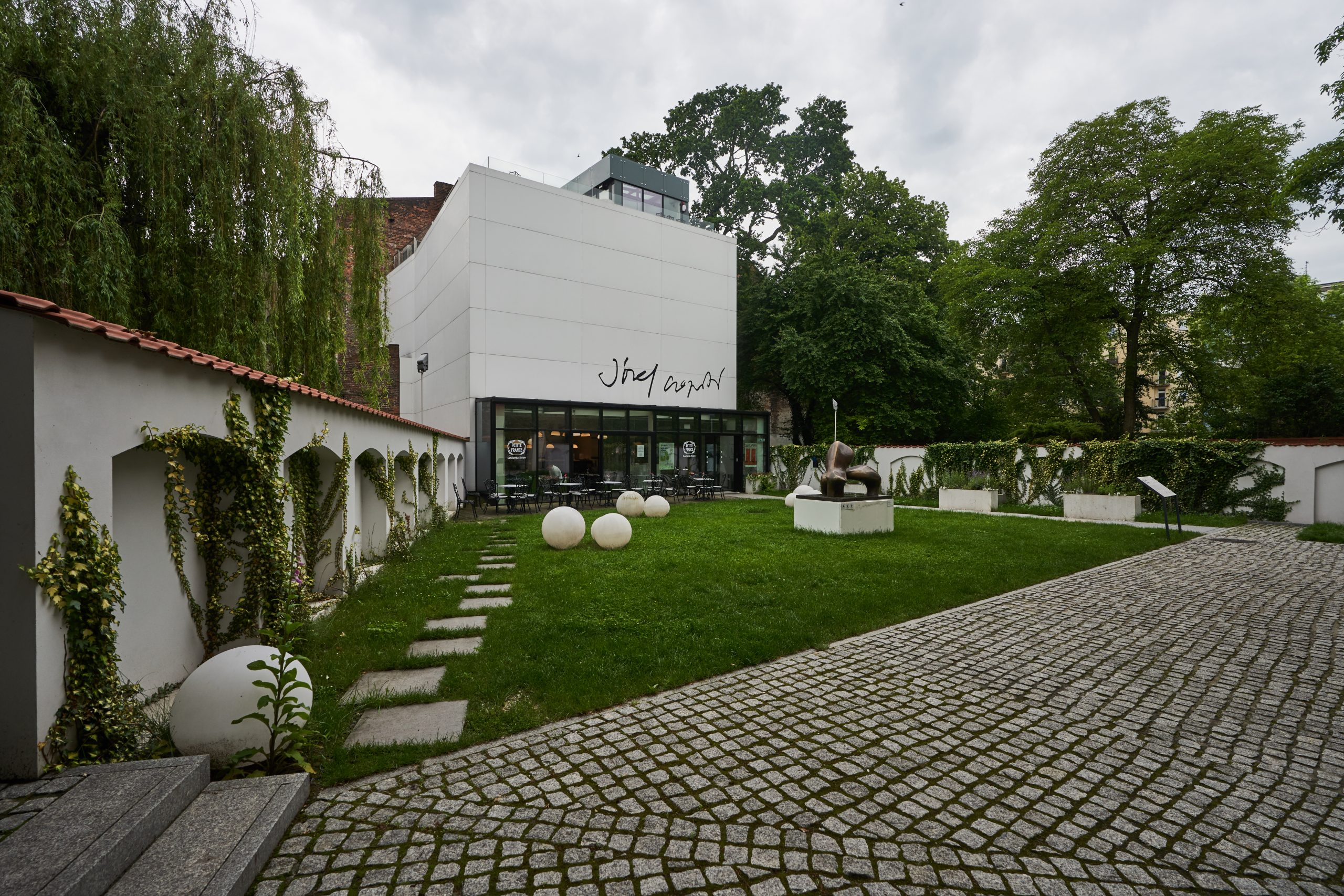
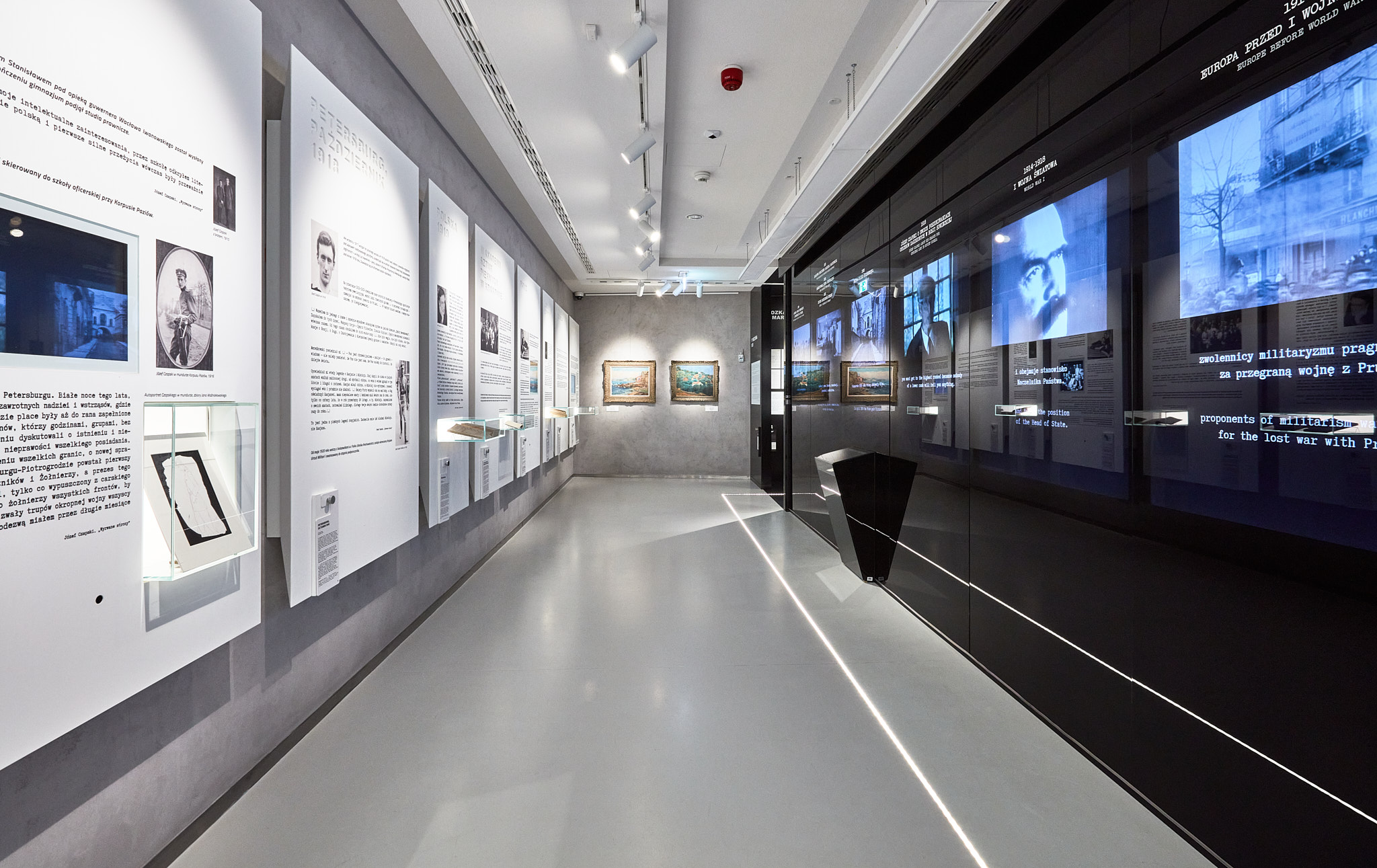
The Józef Czapski Pavilion is the smallest and newest building within the MNK The Czapski complex. Located at the back of the former garden adjacent to the Łoziński Tenement House, it was dedicated to the grandson of the creator of the most valuable numismatic collection in Poland – an outstanding Polish intellectual, writer, painter and critic. The idea for constructing the Pavilion is tied to the execution of Józef Czapski’s (1896–1993) will, fulfilled in 1994. In it, he donated his archives to the National Museum in Kraków, including invaluable diaries, personal mementoes, a personal library, and documents belonging to his sister Maria Czapska (1894–1981) and other family members. The first floor of the pavilion houses a permanent exhibition about the life and work of Józef Czapski, designed according to a concept by Krystyna Zachwatowicz.
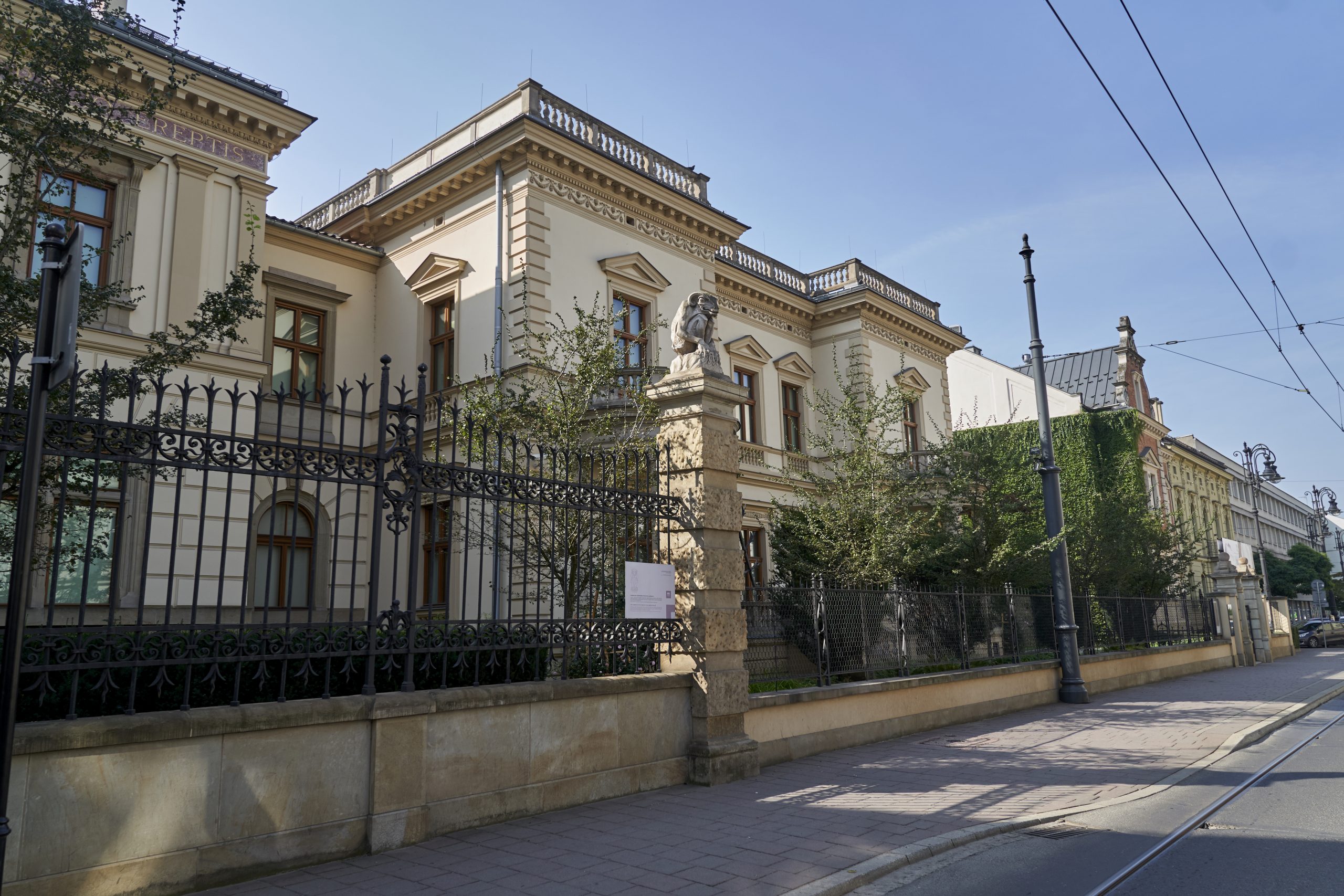

ul. Piłsudskiego 12, 31-109 Kraków
Headquarters
Cafe
Ticket office























Discover our suggestions for exploring the museum’s branches. See the most important works in a single day, discover the lives of the greatest artists, or discover unusual works from bygone eras.
Ścieżka zwiedzania prowadzi przez trzy oddziały Muzeum Narodowego w Krakowie – Pałacu Książąt Czartoryskich, Arsenału oraz Domu Jana Matejki – ukazując, w jaki sposób sztuka przez stulecia budowała obraz państwa i pamięci narodowej.
He was a painter, graphic artist and designer; he explored new avenues in literature and experimented in theatre. You’ll find traces of Stanisław Wyspiański all over Kraków, as the artist had a direct influence on the way we see the city.

 See directions