




Discover the most important works
Discover the most important works from the collection of the National Museum in Krakow. Discover their fascinating history.

You can buy tickets for exhibitions and events online
Permanent exhibitions
The day of free admission to the permanent exhibitions at the NMK is Tuesday.
European Art Gallery
The day of free admission to the permanent exhibitions at the NMK is Tuesday.
A separate ticket to the European Art Gallery will be available until 1 March 2026.
Renting:
Amateur photography and filming involving no artificial light or tripods is free of charge and is limited only to permanent exhibitions in the National Museum in Krakow.
Monday: closed
Tuesday-Sunday: 10:00 AM – 6.00 PM
Last visitors are admitted to the gallery and exhibition no later than 20 minutes before closing time. The ticket office, gift shop, and cloakroom are open until closing time.
Public transport access
Facilities available in the MNK Main Building: audio description, architectural accessibility for people with mobility difficulties, guide for the deaf, sensory basket, sensory path, defibrillator, café, shop, cloakroom, changing table, Wi-Fi, elevator.
Parking – at the entrance to the building, there is a paid underground car park with separate places for people with disabilities (details here). Two additional parking spots are available near Błonia.
Elevators and Platforms – The Main Building of the National Museum in Kraków is largely accessible to individuals using wheelchairs or crutches, with the aid of elevators, stair lifts, and portable ramps, except for the cloakroom and the mezzanine on the second floor. An external elevator has been installed at the main entrance. The building’s entrance doors are equipped with strong door closers, which may make them difficult to open.
Toilets are available on the ground floor and on the second floor.
The changing tables are available in the restroom on the ground floor and near the cloakroom on level –1.
Information Board and Wheelchairs – On the ground floor, a tactile, audio-enabled information board is also available, providing information in Polish, English, and Ukrainian, along with wheelchairs for visitors.
MNK Main Building
MNK Main Building
 MNK Szołayscy
Discover the most important works from the collection of the National Museum in Krakow. Discover their fascinating history.
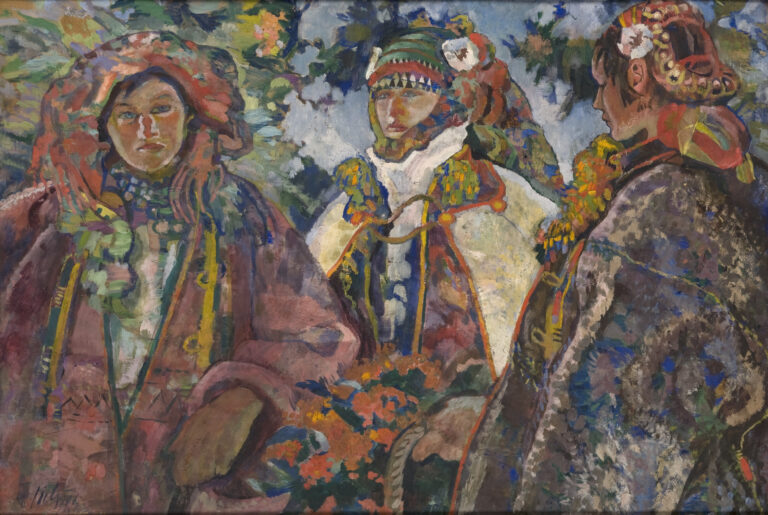
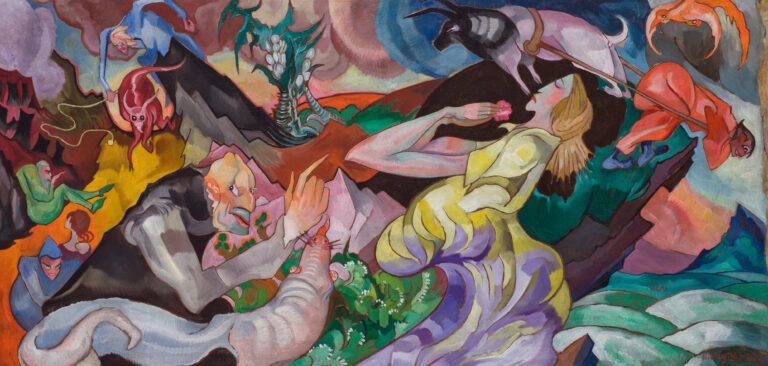
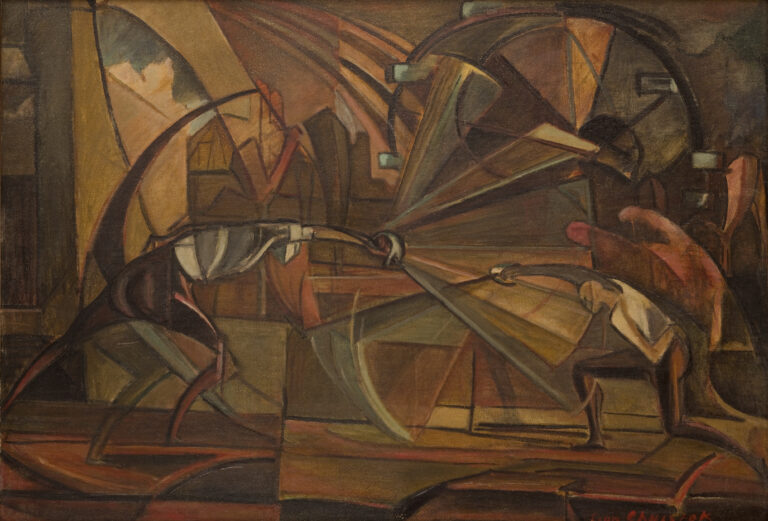
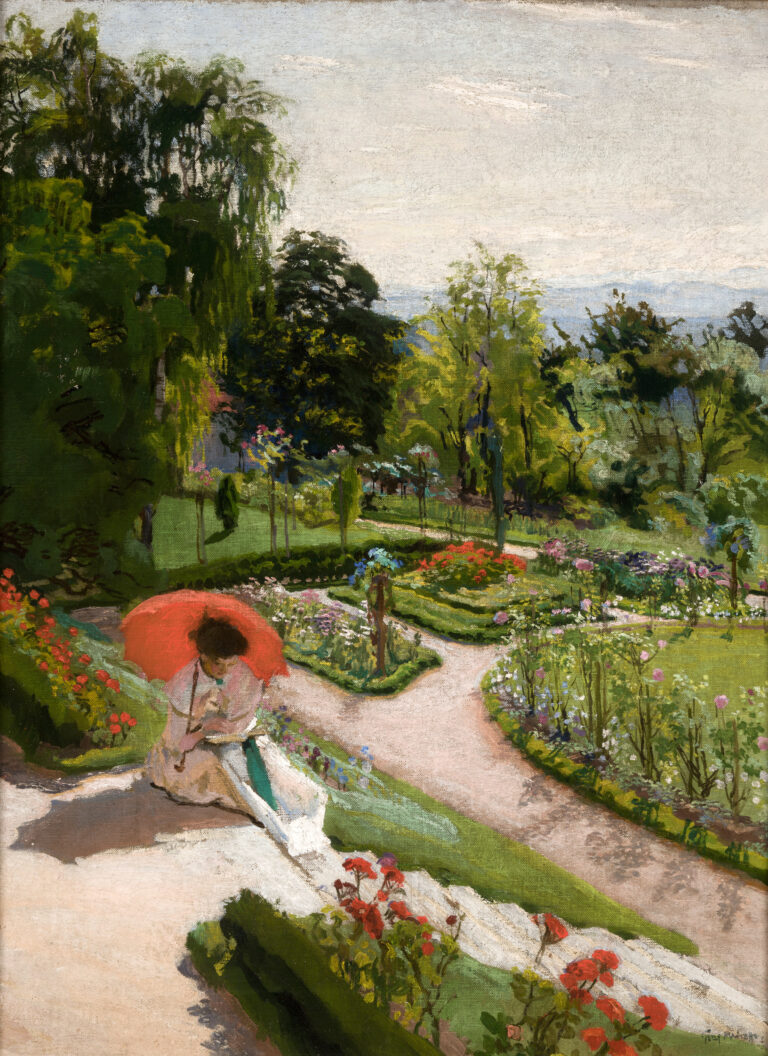
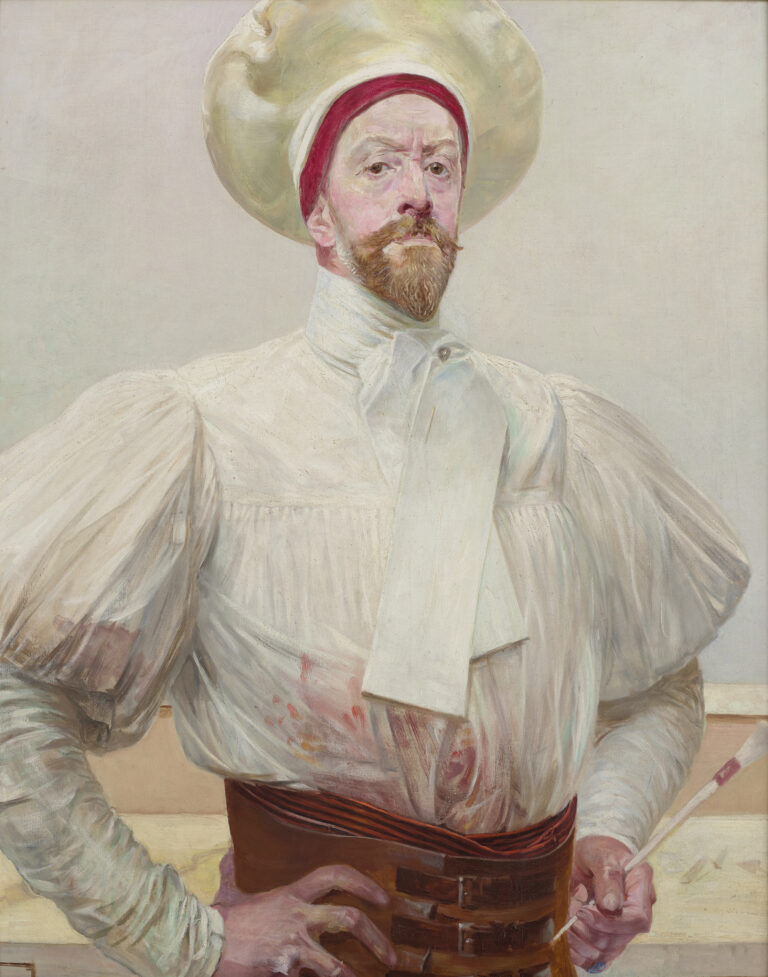
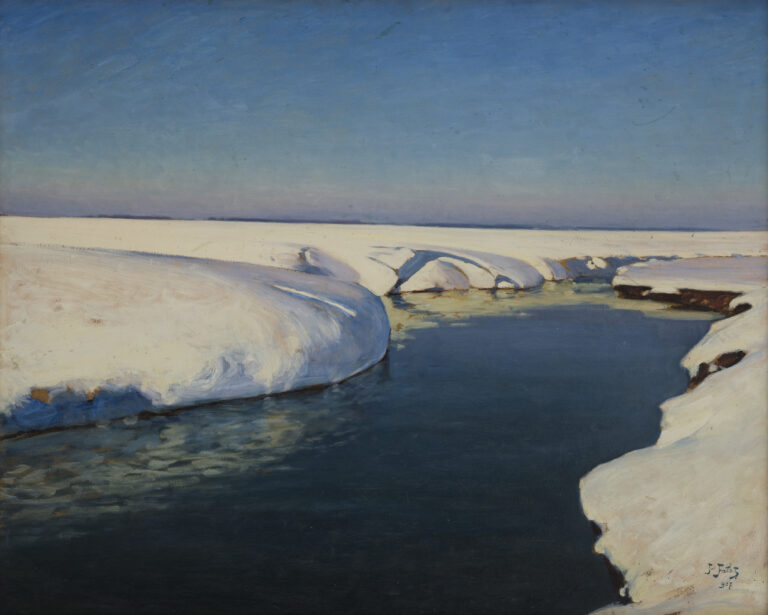
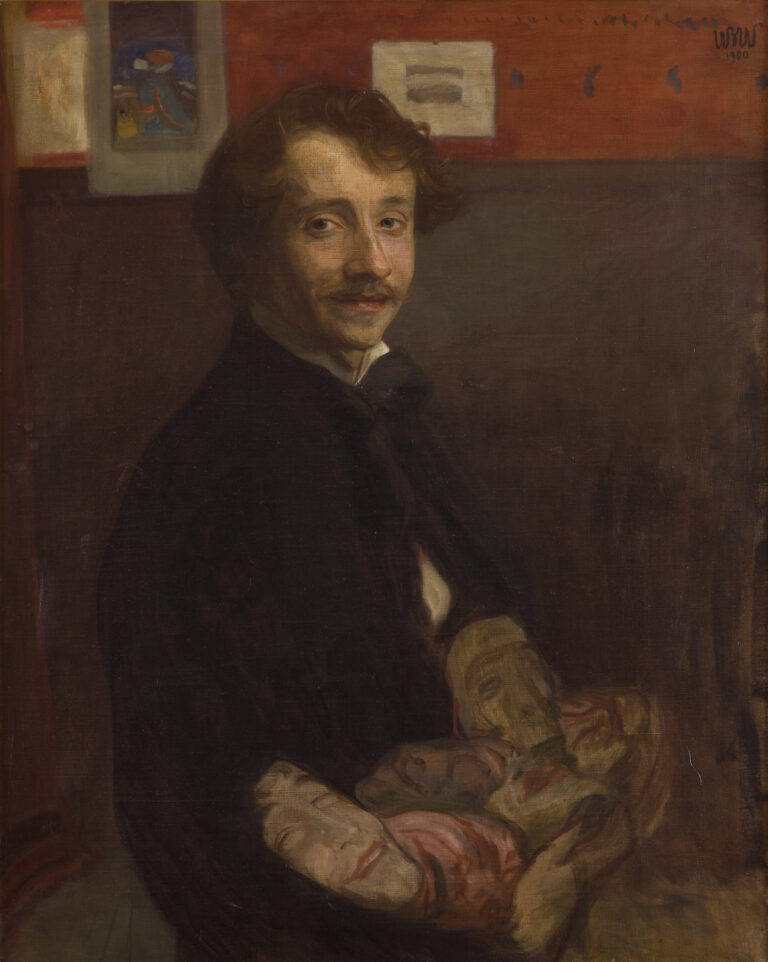
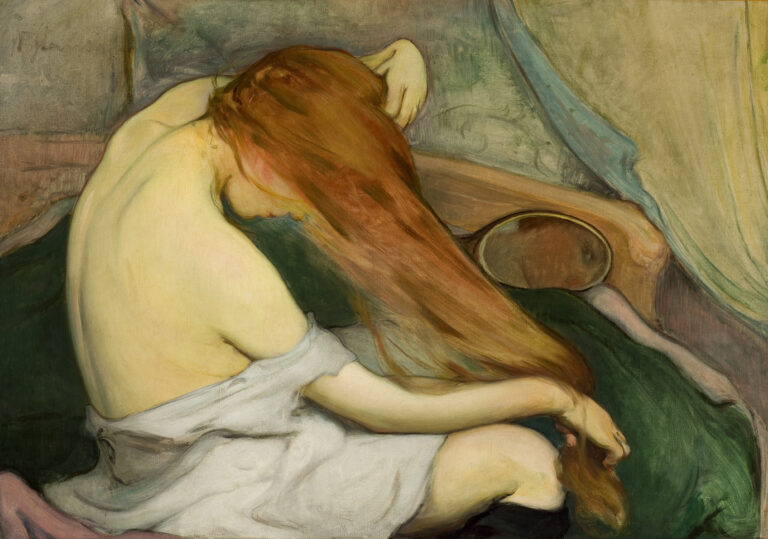
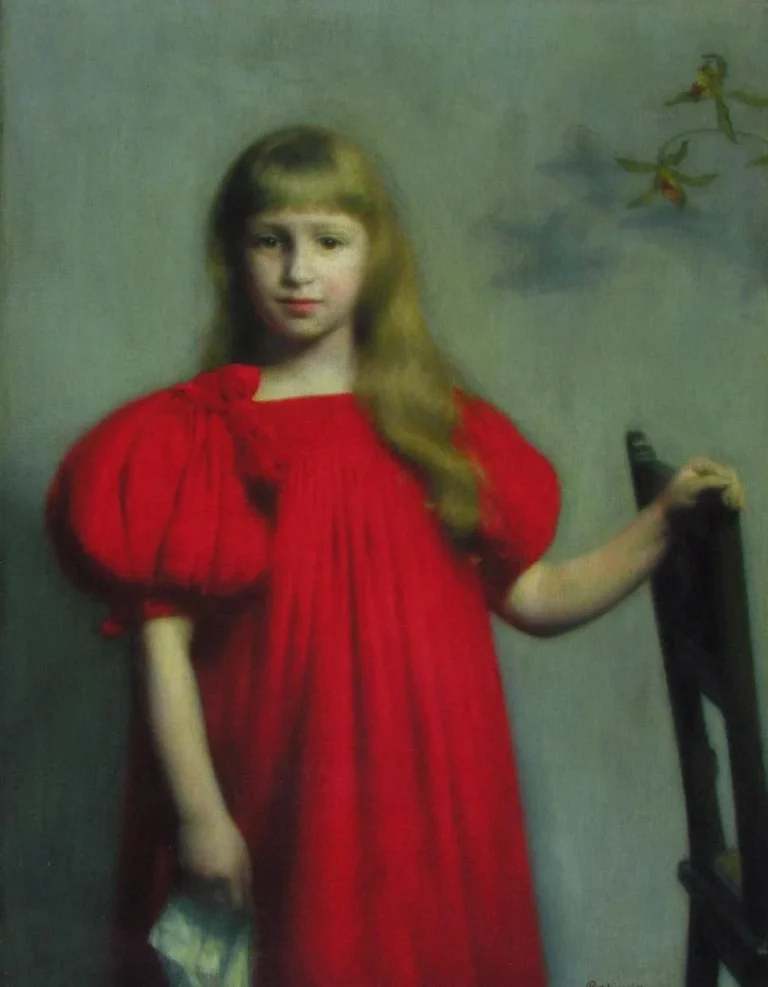
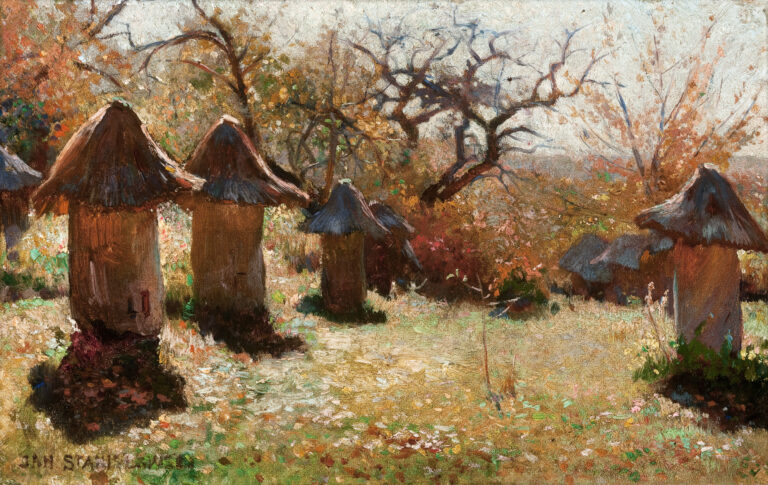
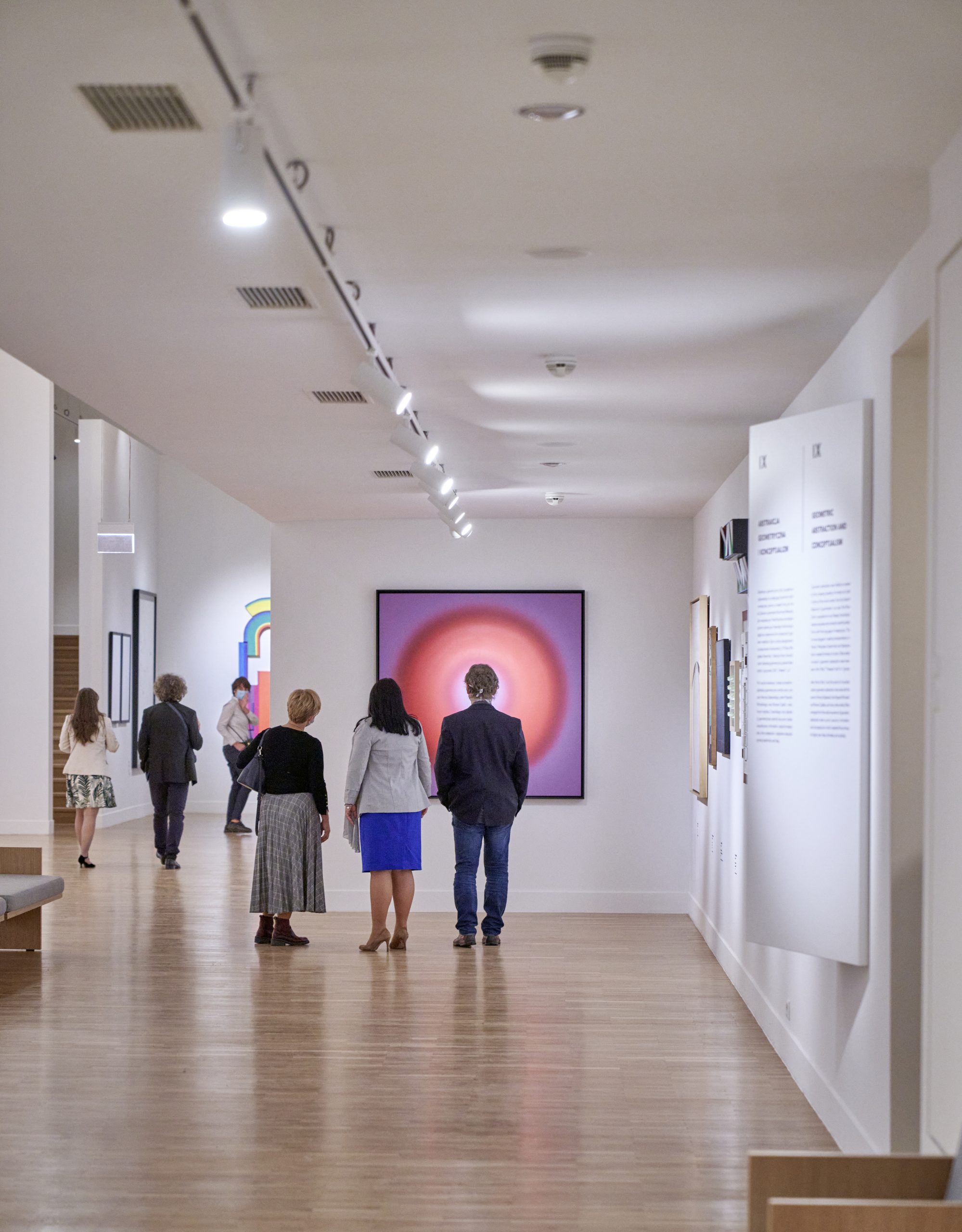
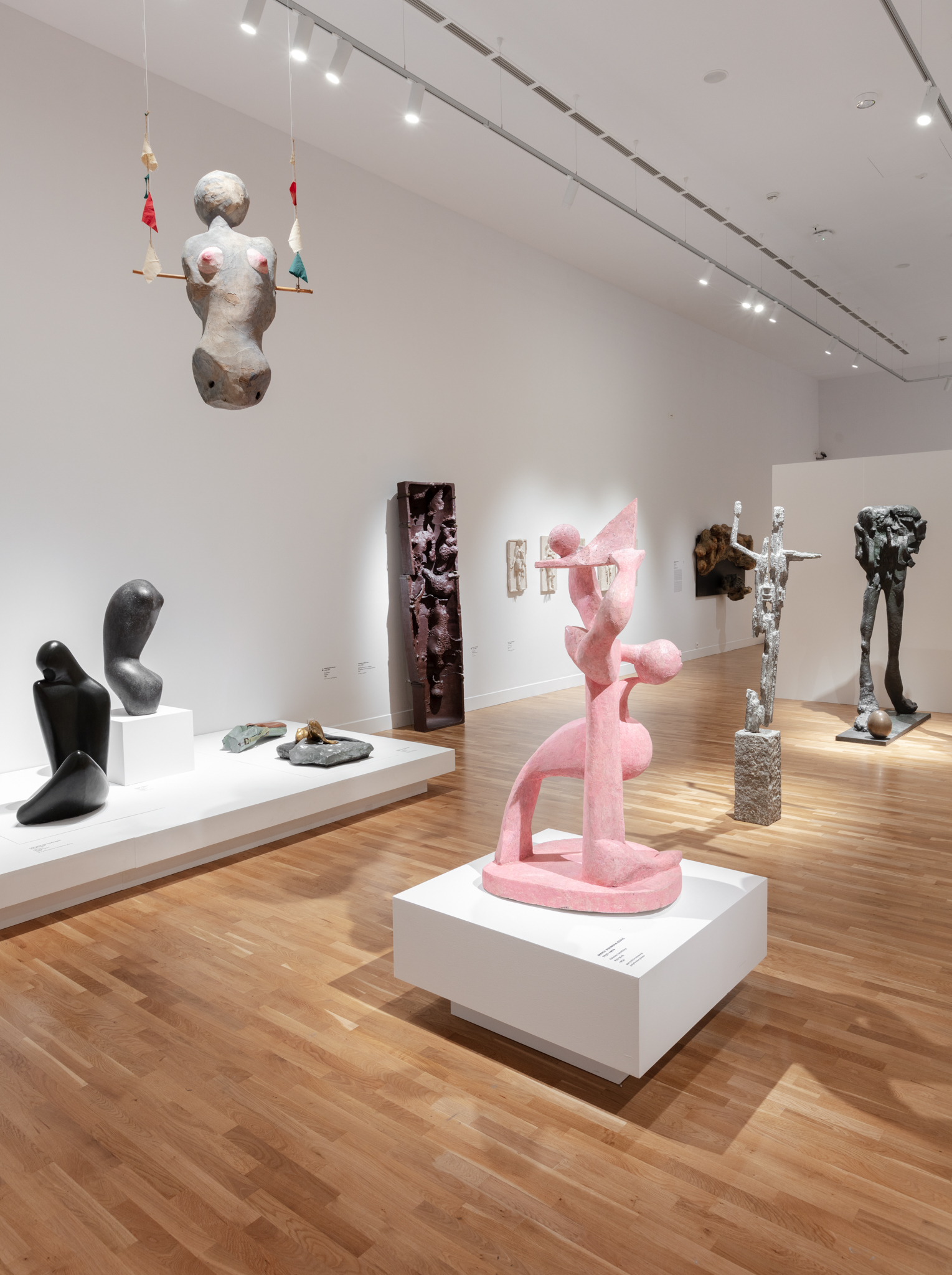
The Main Building houses: the permanent gallery of the National Museum in Krakow XX + XXI. Polish Art Gallery and Gallery of Decorative Art.
Thematic temporary exhibitions are organised in the temporary exhibition halls, showcasing works from the MNK collection as well as loans from other institutions and private collectors.
The idea of building the headquarters of the National Museum in Krakow took on particular importance in the first decades of the twentieth century. This was related to the constant expansion of the collection thanks to new acquisitions and numerous gifts. After Poland regained independence in 1918, the idea of creating a place gathering Polish art was a motivation for city authorities, numerous citizens of the city, artists, and organisations to take specific actions. Construction, however, stopped several times, lasting with interruptions from 1934 to 1989.
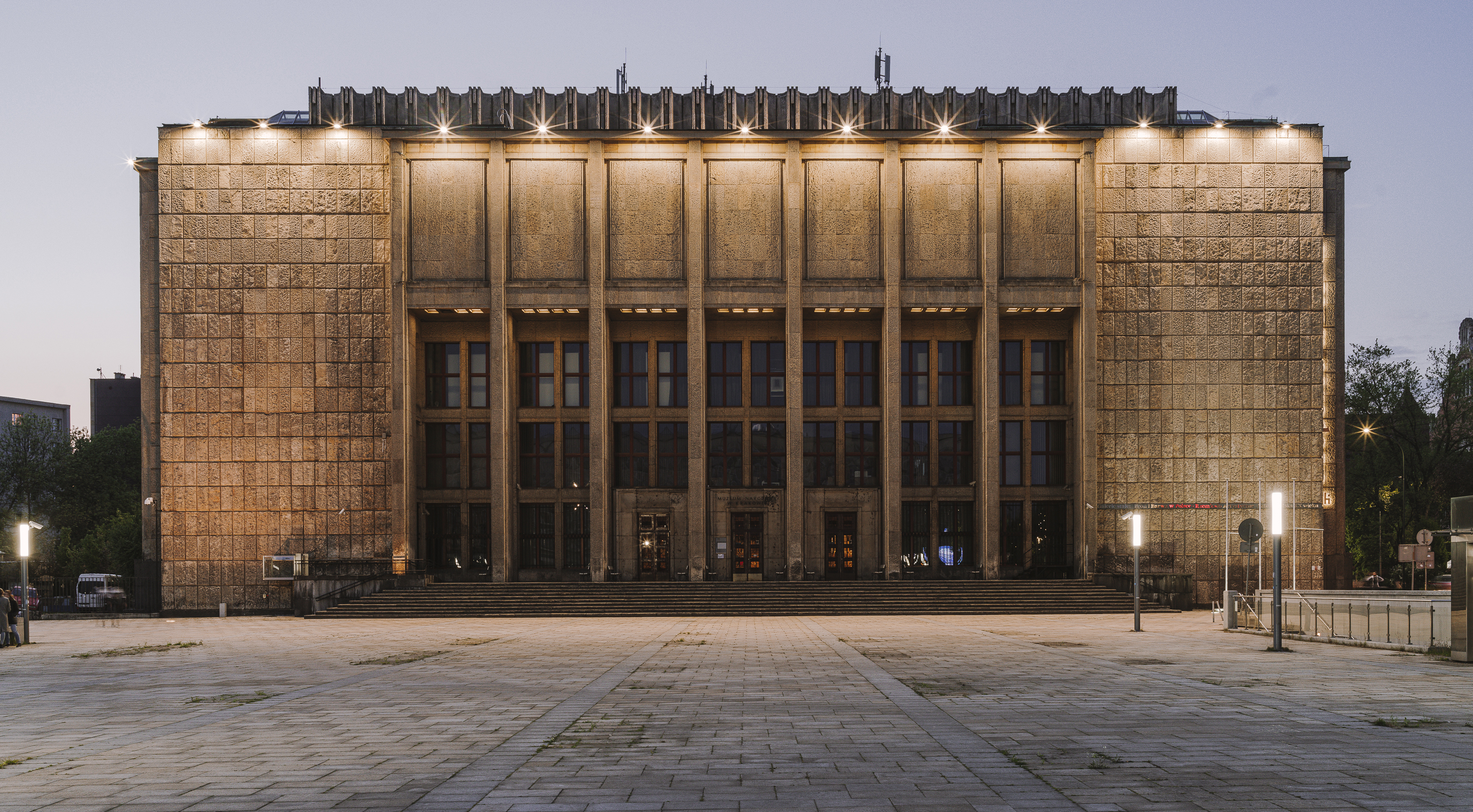
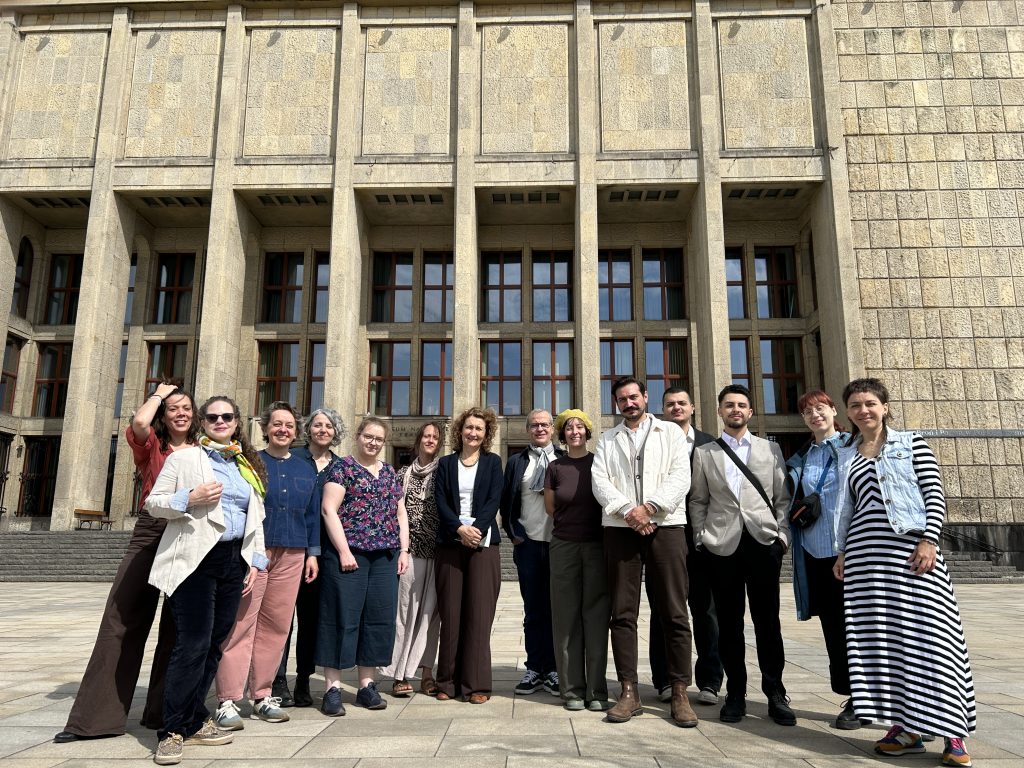
The Main Building of the National Museum at al. 3 Maja 1 was designed by Bolesław Szmidt, Czesław Boratyński and Edward Kreisler in the 1930s. The monumental façade from the side of Błonia, the interior of the hall and staircase of the Main Building have preserved the character of modernised classicism, which we find in the original designs of the Museum’s headquarters.
The building is located at a special urban and observation axis of Krakow, adjacent to the outlet of Piłsudskiego Street running from Planty Park. From here, there is a view of the Kościuszko Mound, and in the other direction, toward the towers of St. Mary’s Basilica at the Main Market Square. The square in front of the Museum opens onto Błonia, a huge urban meadow, and is adjacent to Aleja Trzech Wieszczów, a ring of streets surrounding the centre of the city. This location places the National Museum along a popular walking route leading toward Kraków’s green areas, inviting passersby to take a cultural break in the cool and quiet of its galleries.
The Main Building showcases selected works from the National Museum’s collection in two galleries, presenting collections of decorative art and art of the 20th and 21st centuries in Poland.
Building at al. 3 Maja 1 is the venue for the organisation of the most important thematic temporary exhibitions at the National Museum. It was here that the key shows in the history of Polish exhibition took place: “Polaków portret własny [Poles’ self-portrait]” (1979), “Sztuka kręgu sztuki [Art of the Art Circle]” (1995), “Między Giewontem a Parnasem[Between Giewont and Parnas]” and “Obrazy śmierci w sztuce polskiej XIX i XX wieku [Images of Death in 19th- and 20th-Century Polish Art]” (2000). The record-breaking audience was gathered, among others, by the exhibition of works by Marc Chagall, Andy Warhol and French Impressionists, which was visited by over 140,000 viewers.
The exhibitions in the MNK Main Building illustrate the diversity of the museum collection, covering a unique selection from among many fields of human creation through many centuries, from medieval handicraft and sacred art, to avant-garde painting and sculpture of the 20th and 21st centuries.
Monographic exhibitions, focusing on the work of a single artist, play an important role in deepening the understanding of cultural heritage. Their opening is often preceded by multidisciplinary research and conservation activities, allowing us to see the works of the most important figures of Polish art history, including: Piotr Michałowski, Ferdynand Ruszczyca, Stanisław Wyspiański, Leon Wyczółkowski, Olga Boznańska, Tamara Łempicka, Jacek Malczewski, and Jan Matejko.
The MNK Main Building is accessible to people with special needs and adapted for visiting by the youngest.
Temporary and permanent galleries complement the educational paths and materials for families with children. At the exhibitions, classes are conducted for organised groups, especially school groups.
In the Main Building, activities are carried out as part of the program accompanying the exhibitions, addressed to various groups of adult recipients: lectures, original guided tours, meetings, projects and actions, extending the experience of contact with art.
In addition to the exhibition space, the Main Building of the National Museum is the workplace of specialists who comprehensively care for various areas of the National Museum. The MNK Library, with a reading room, is available to visitors.
The Main Building of the National Museum in Kraków houses the museum’s management and administration, as well as the offices and workshops of the following departments: Chief Cataloguer, Chief Art Conservator, Collections Department, Exhibition Department, Department of Digitization and Management of Digital Resources, Education, Marketing Department, Publications, and the Customer Service Department with the Information and Reservation Center.
The building houses specialised workshops, including a photography workshop and conservation workshops for painting and sculpture, decorative arts, textiles, frames, gilding, and furniture, as well as object storage areas. The team at the Main Building also comprises technical staff from various departments (including IT, Technical, Human Resources, Administrative, Management and Infrastructure), responsible for the daily operation of all twelve branches of the National Museum.
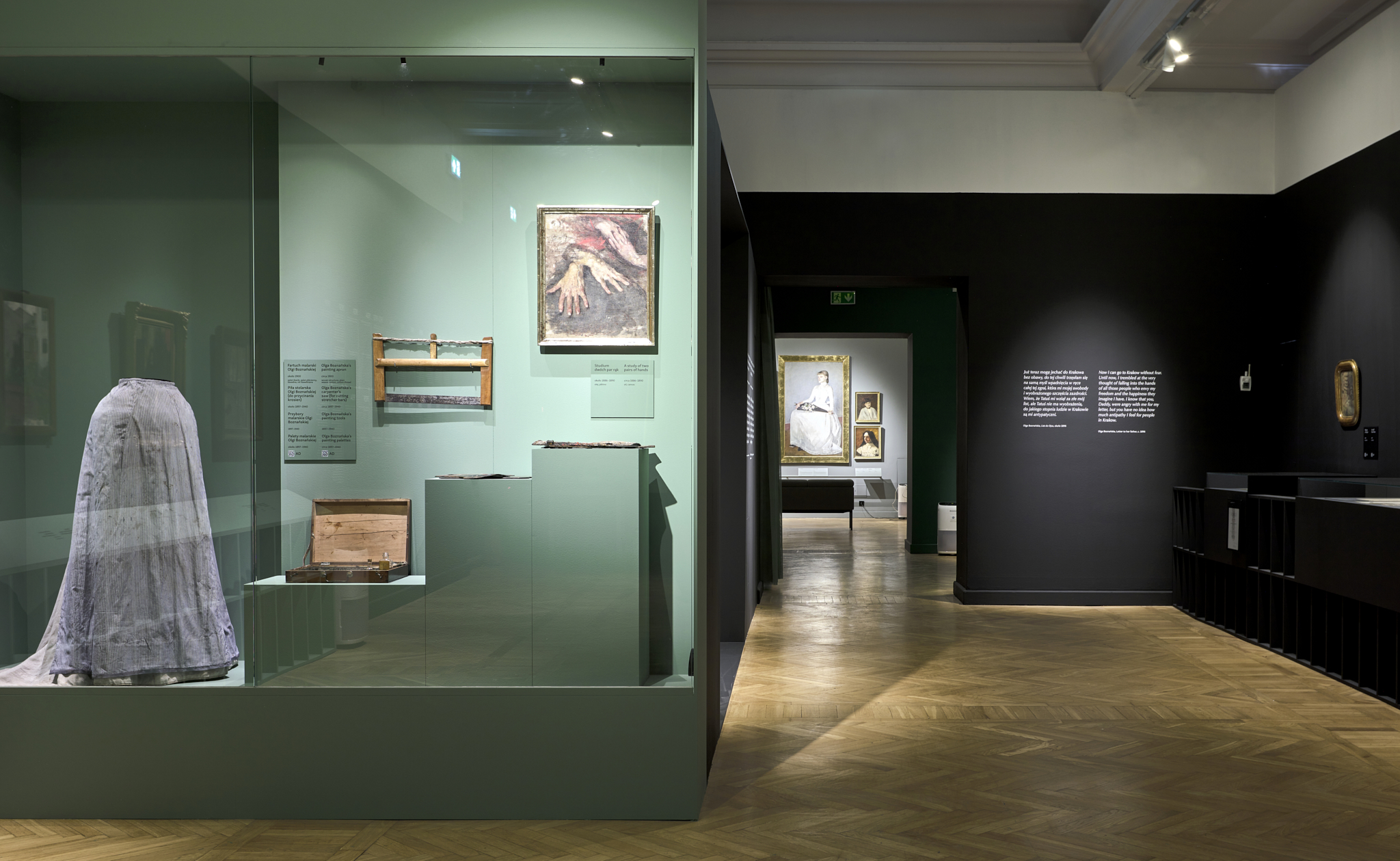
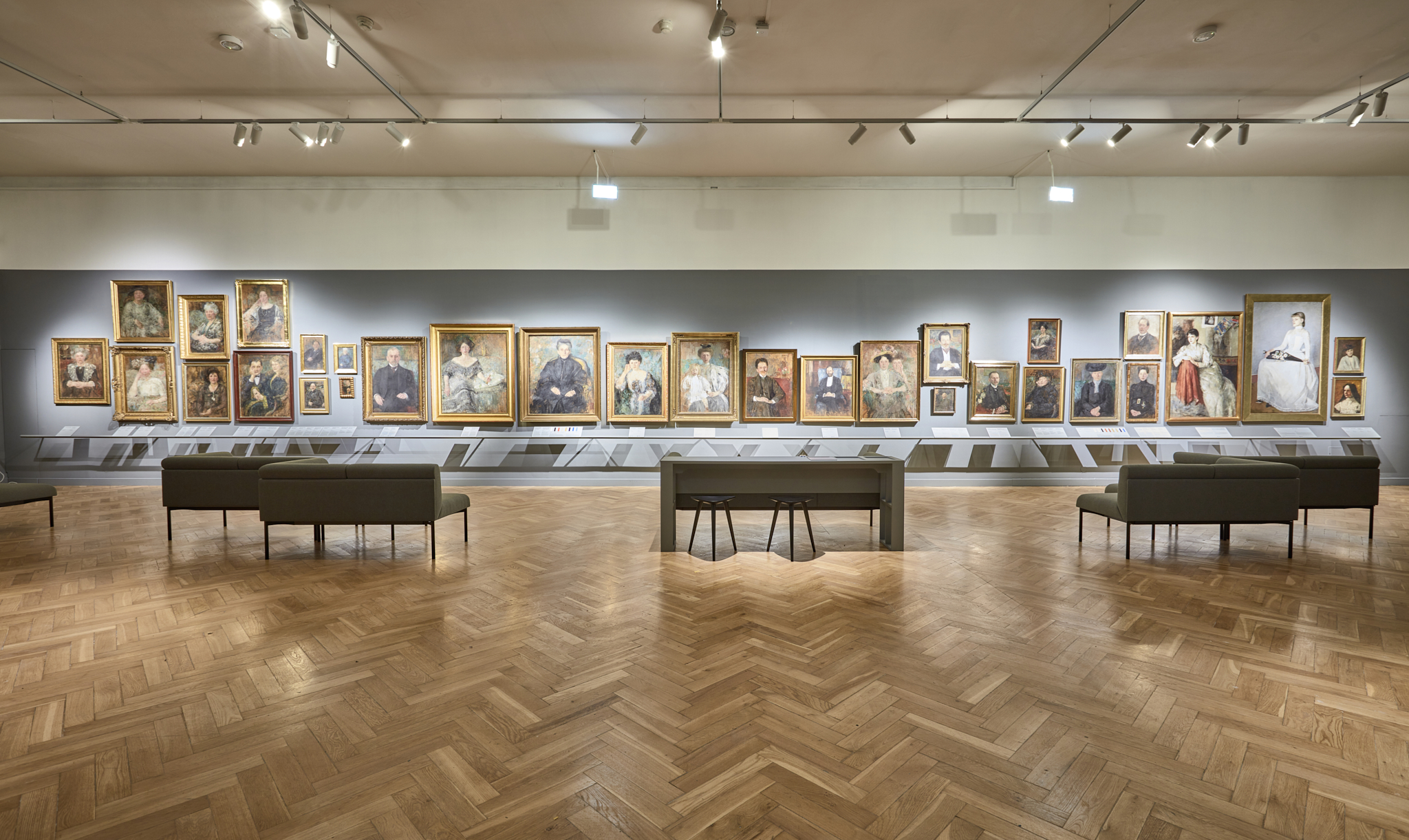
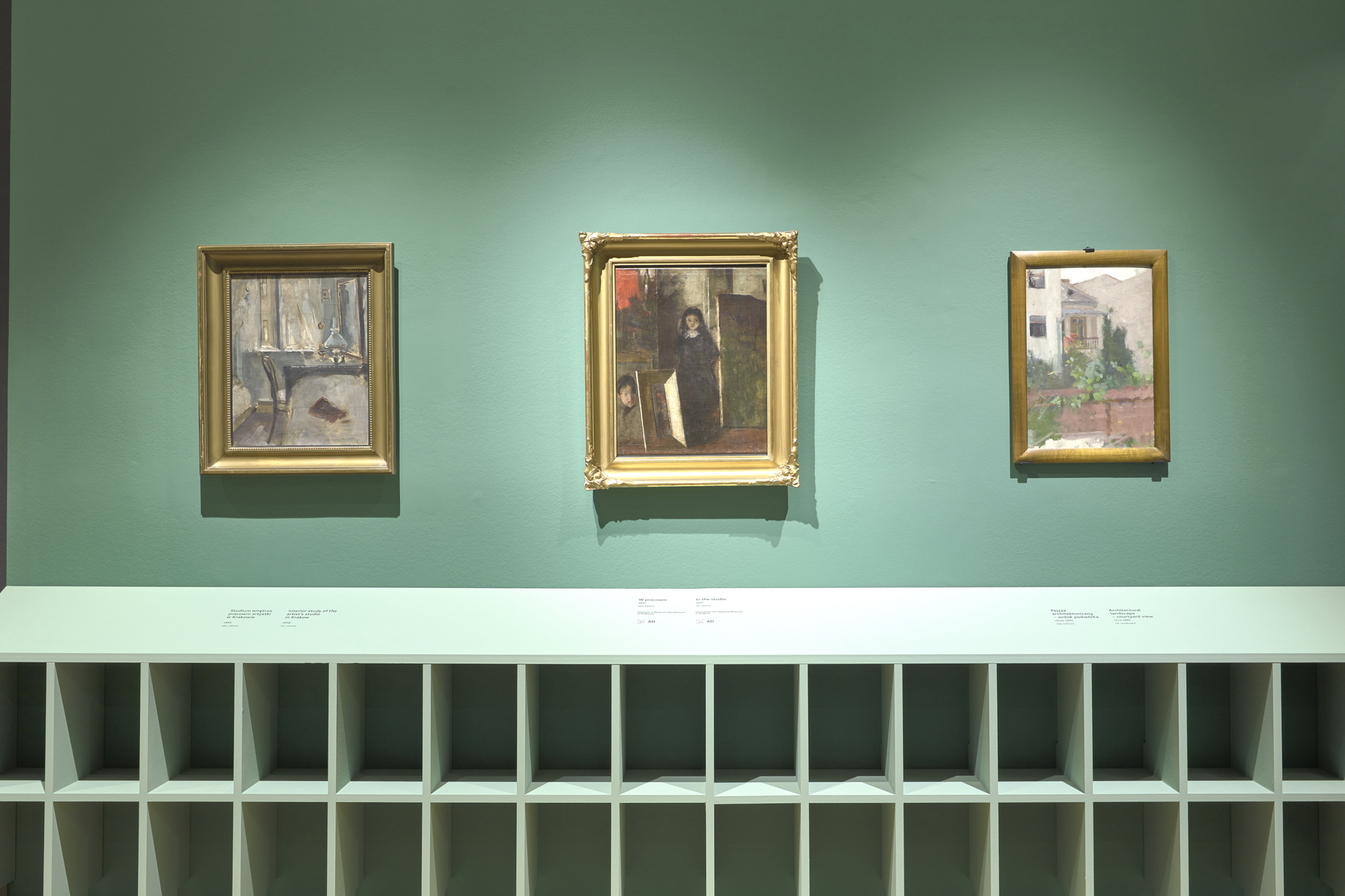
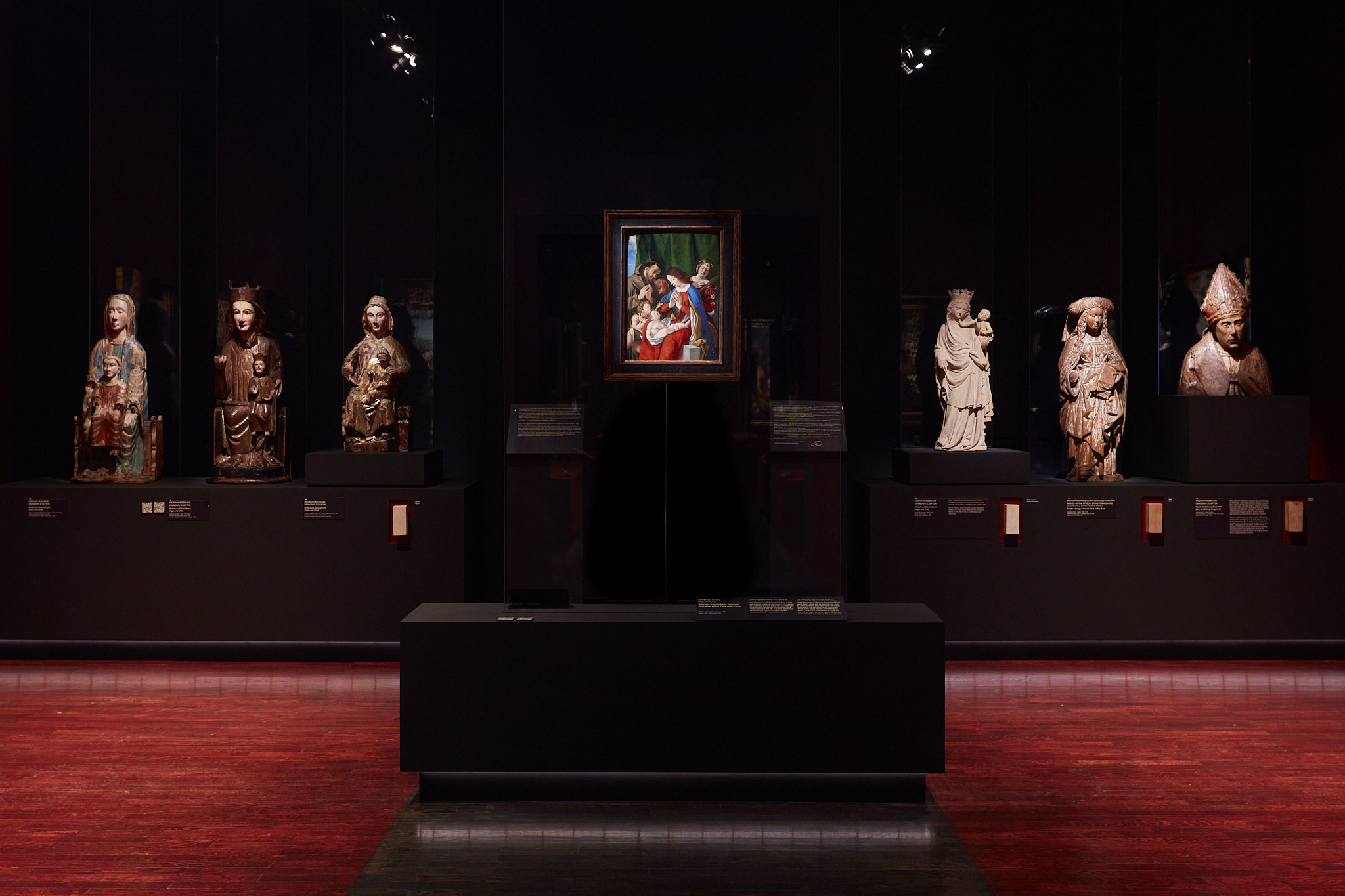
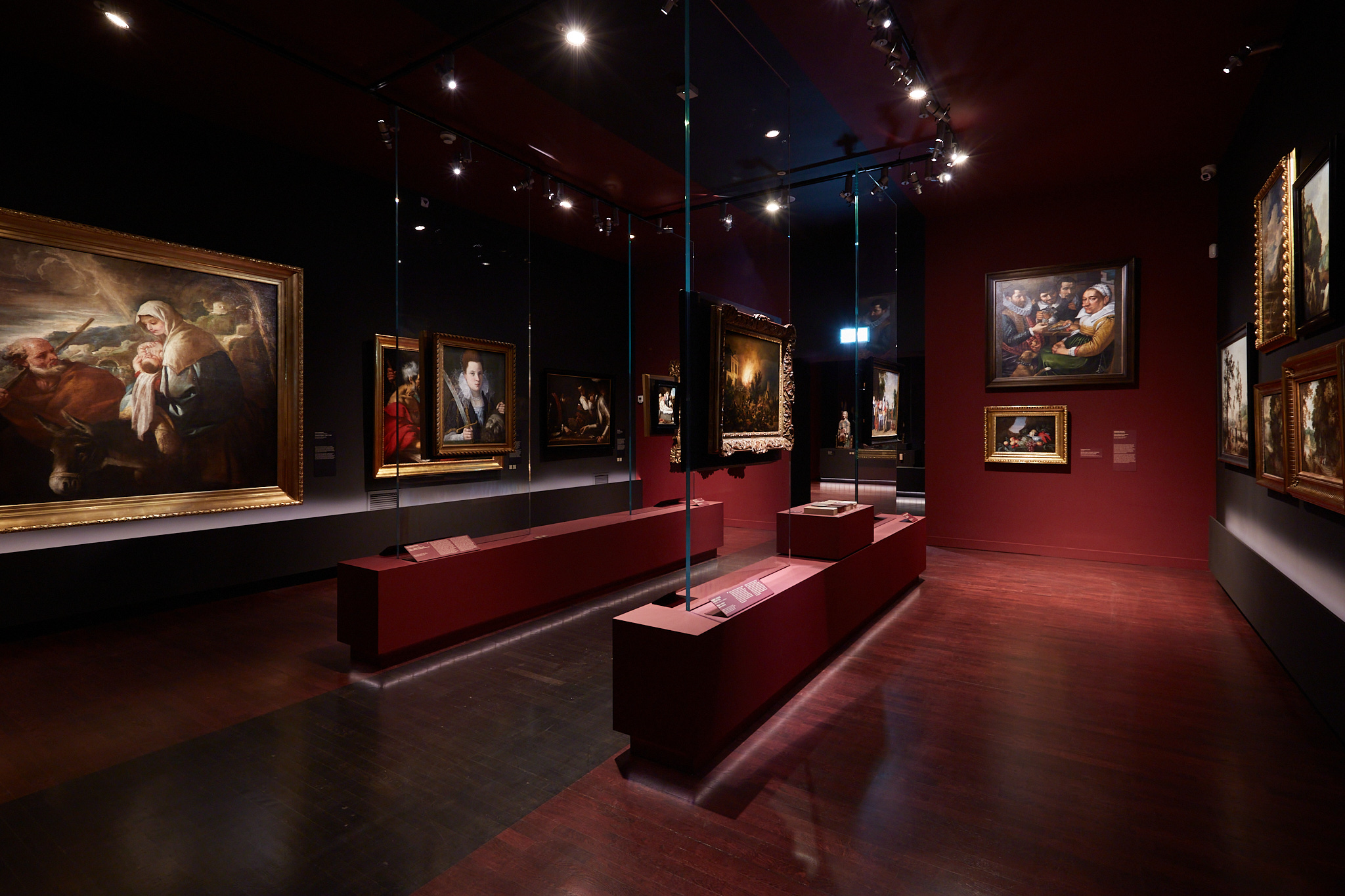
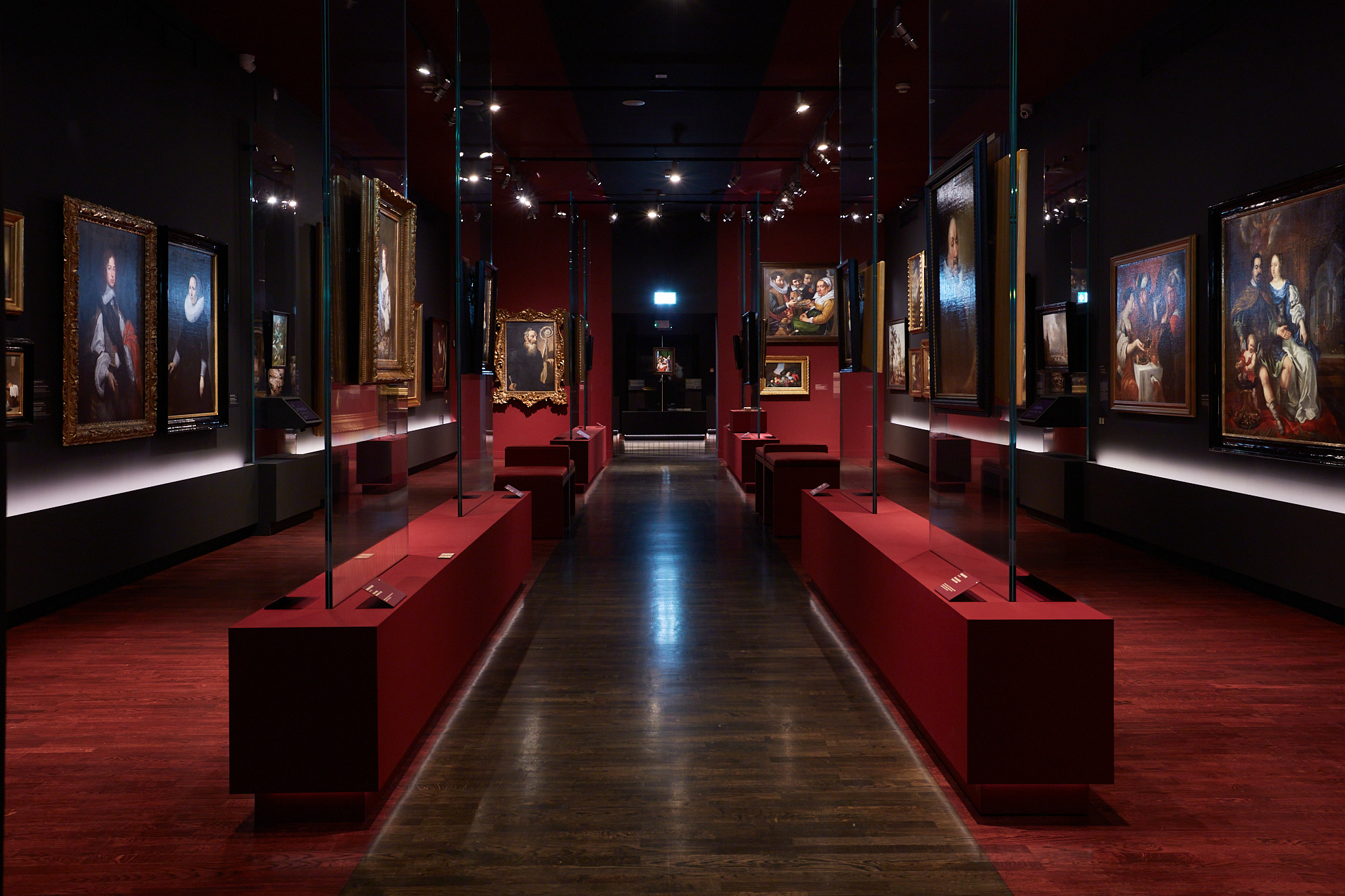
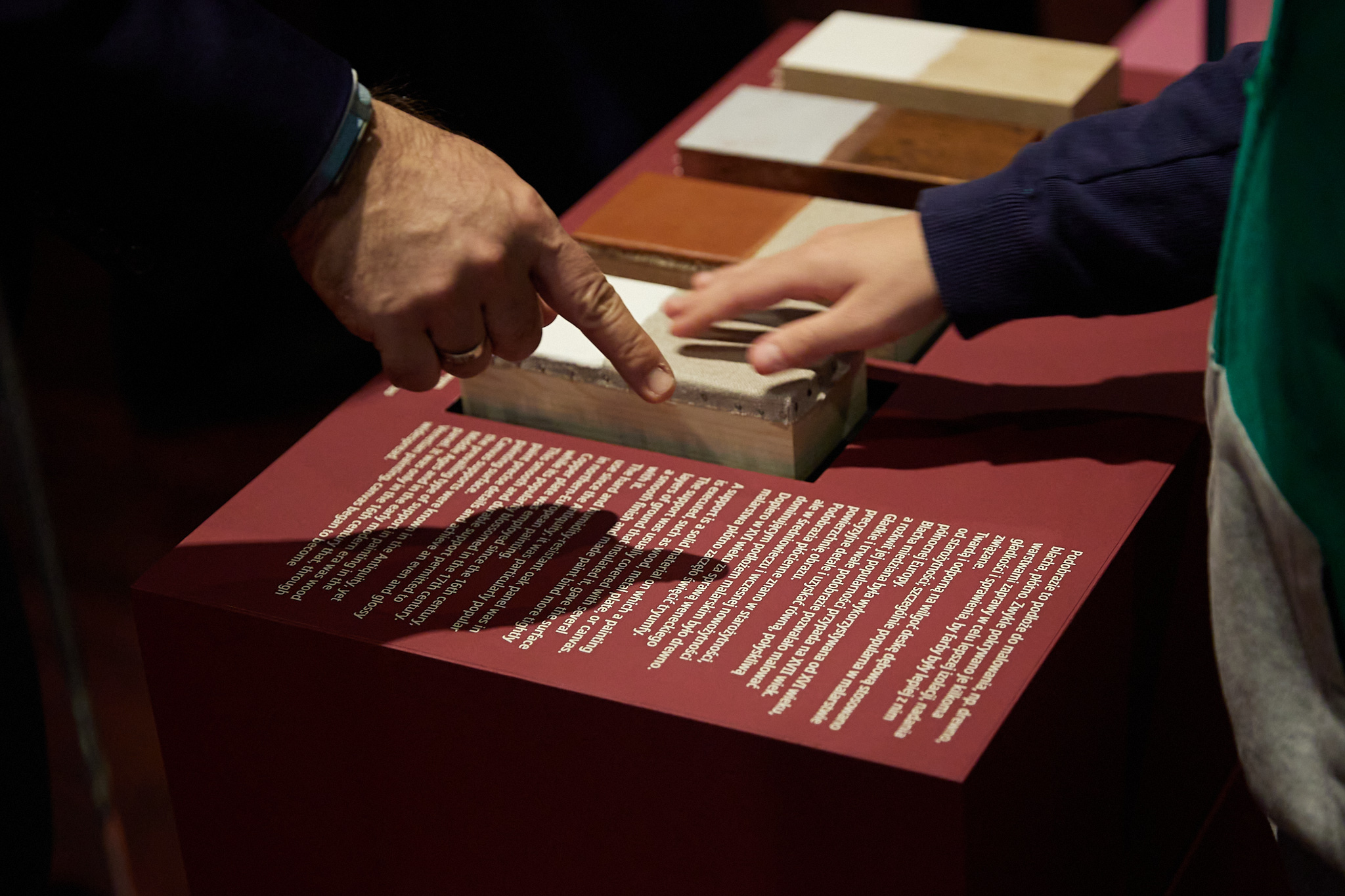
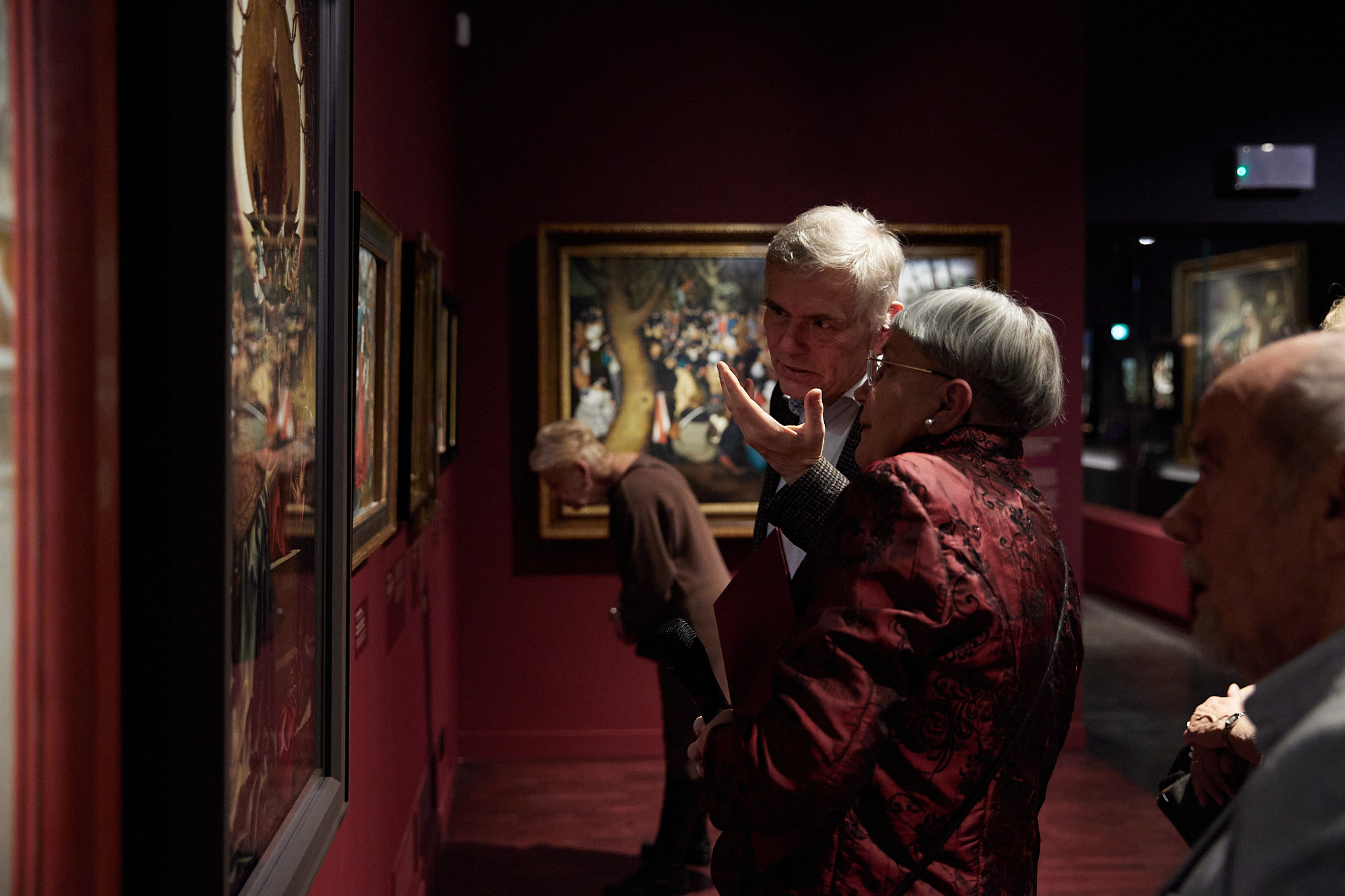

al. 3 Maja 1, 30-062 Kraków
Switchboard
+48 12 433 55 00
Secretariat
+48 12 433 56 00
Fax
+48 12 433 55 55
Ticket office
+48 12 433 56 37






















Discover our suggestions for exploring the museum’s branches. See the most important works in a single day, discover the lives of the greatest artists, or discover unusual works from bygone eras.
Ścieżka zwiedzania prowadzi przez trzy oddziały Muzeum Narodowego w Krakowie – Pałacu Książąt Czartoryskich, Arsenału oraz Domu Jana Matejki – ukazując, w jaki sposób sztuka przez stulecia budowała obraz państwa i pamięci narodowej.
He was a painter, graphic artist and designer; he explored new avenues in literature and experimented in theatre. You’ll find traces of Stanisław Wyspiański all over Kraków, as the artist had a direct influence on the way we see the city.



 See directions