




Discover the most important works
Discover the most important works from the collection of the National Museum in Krakow. Discover their fascinating history.
You can buy tickets for exhibitions and events online
Ticket prices
One ticket is valid for all exhibitions at the MNK Czartoryski Museum: Palace, Monastery, Gallery of Ancient Art.
Tickets to the MNK Muzeum Czartoryskich are sold for a designated date and time. Tickets allow the access to the permanent exhibitions in other branches of the National Museum in Krakow (except for MNK Sukiennice and MNK Gmach Główny) within three months of the date printed on the ticket.
Tickets to the Princes Czartoryski Museum can be purchased at https://bilety.mnk.pl/ in the Princes Czartoryski Museum tab.
Tickets to the Princes Czartoryski Museum are valid for a specific date and time; we recommend purchasing them online in advance.
Every Tuesday, visiting the Museum is free. Free admission tickets are available at the ticket office.
Guided tours
You can book a guided tour in Polish for grades 7 and above and adults at the link below:
Audioguides
Monday: closed
Tuesday-Sunday: 10:00 AM – 6.00 PM
Last visitors are admitted to the gallery and exhibition no later than 20 minutes before closing time.
Public transport access
Facilities available at the Czartoryski Museum: audio description, architectural accessibility for people with mobility difficulties, guide for the deaf, sensory basket, sensory path, quiet zone, defibrillator, café, shop, cloakroom, changing table, Wi-Fi, elevator.
All levels of the Museum are accessible to individuals with mobility impairments. Elevators, sufficiently wide corridors and properly equipped toilets on the ground floor are provided, including both exhibition and lecture rooms, as well as an educational room.
The path for blind visitors is marked from the entrance with tactile strips and bumps in attention zones. Next to the ticket counter is a tactile, audio-enabled information board with a description of the building’s layout in Polish, English, and Ukrainian.
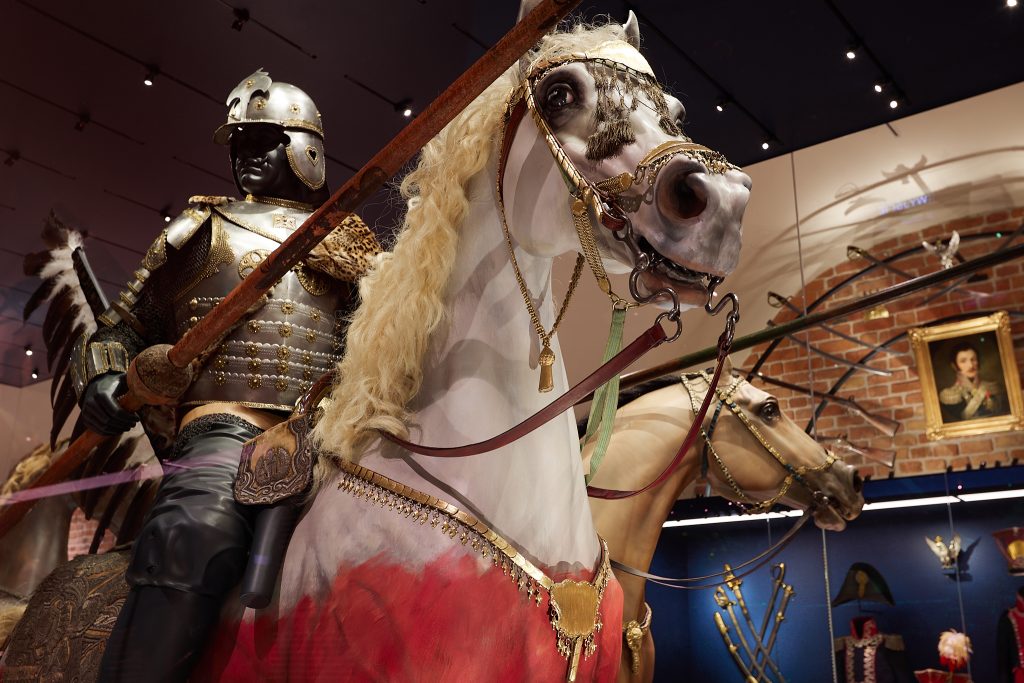
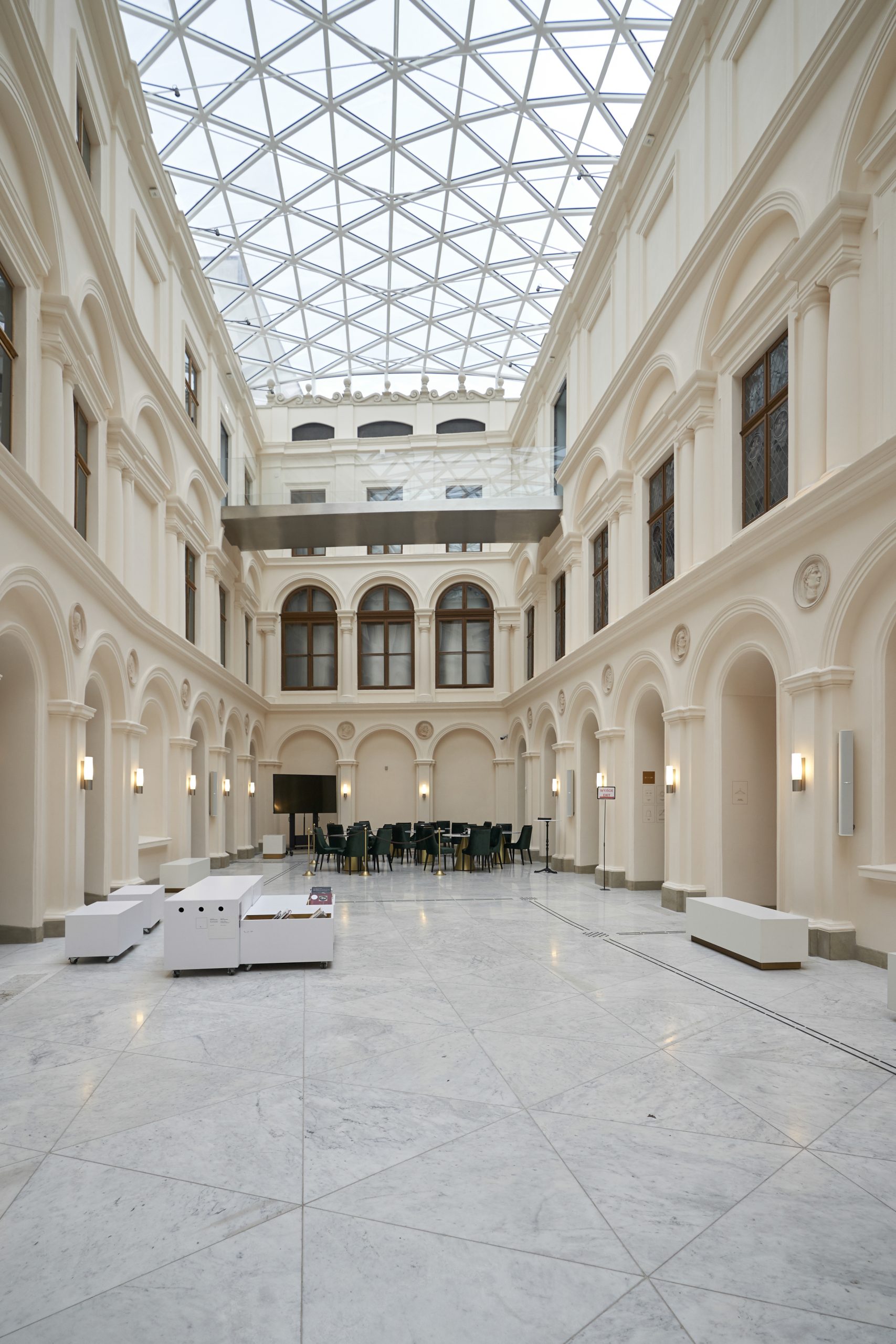
In the courtyard, there is the Place of Discovery and Experimentation [Miejsce Poznania i Eksperymentu]. It is a kind of low, mobile furniture with retractable drawers and a seat with space for books. It has drawers filled with modern reproductions of artefacts from the Czartoryski Princes’ collection. The drawers contain: basic art materials, work cards for families with children, for adults, young people, teachers for individual sightseeing, contemporary educational copies of selected monuments: saddle, mace, cards of the Pontifical of Bishop Erazm Ciołek and the Batory medal. All materials in the drawers are signed in Polish, English, and Ukrainian, as well as in Braille.
In the exhibition halls of the palace of the Czartoryski Museum, there are sensory paths, audio guides with audio description, and video guides with films in sign language designed for people with visual and hearing impairments. Persons with disabilities can obtain them at the ticket desk at the price of a regular ticket.
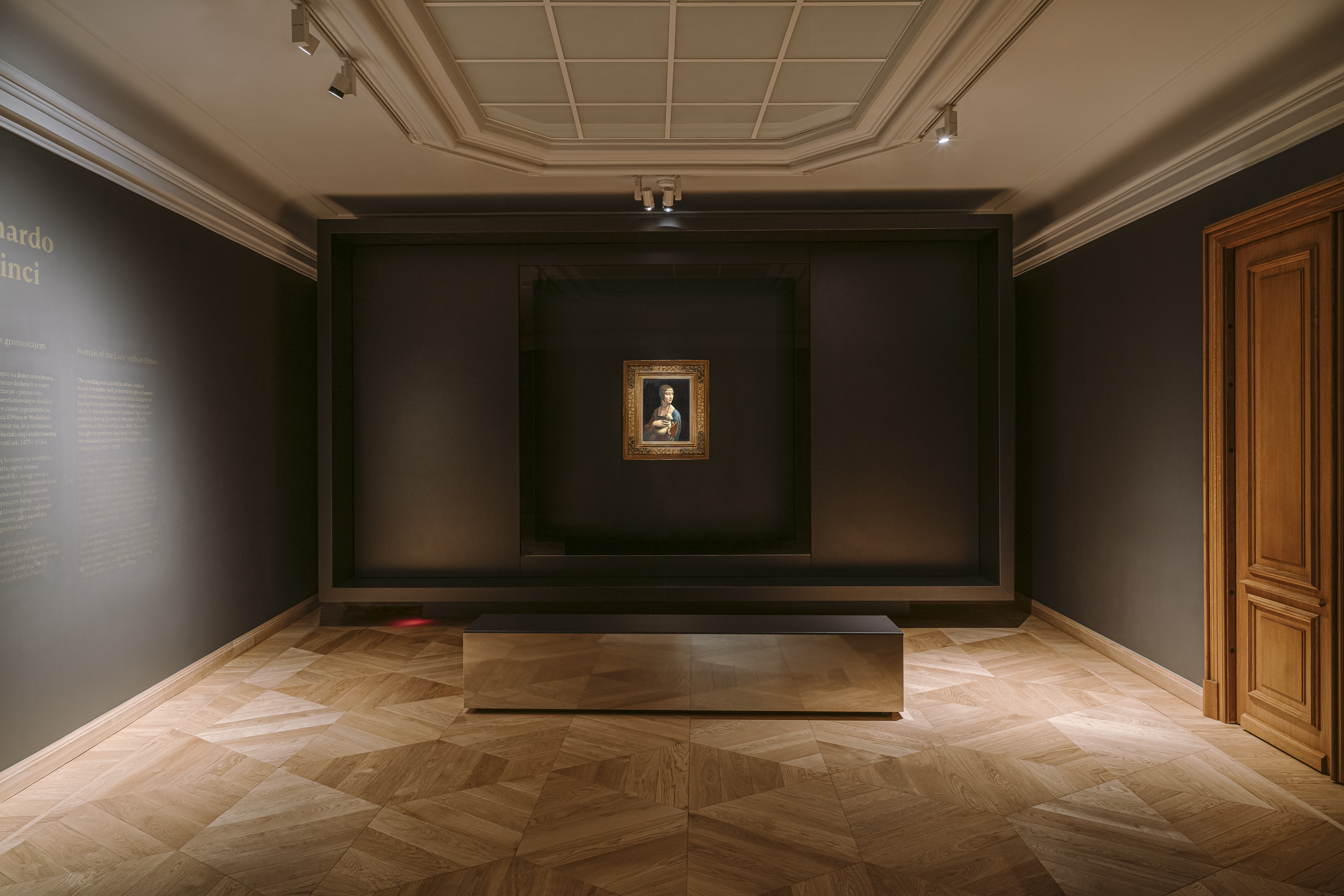
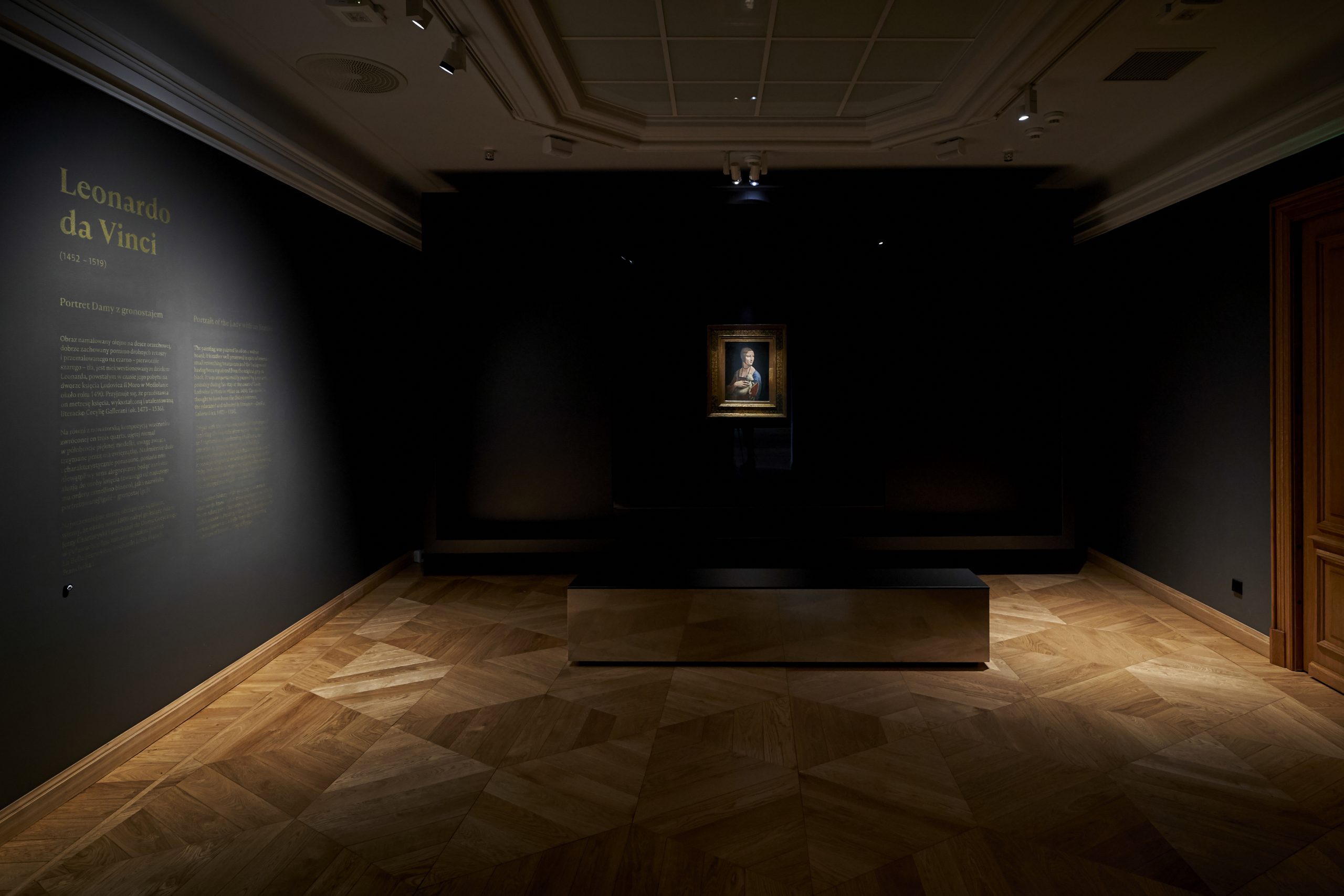
The Czartoryski Museum is also available virtually – as part of online walks, you can see selected rooms of the permanent exhibition and expand your knowledge about the Czartoryski collection. We virtually show such works of art as The Landscape with the Good Samaritan by Rembrandt, The Lady with an Ermine by Leonardo da Vinci, as well as national memorabilia placed in a display case with the Royal Box.
Each of the sightseeing paths is available in 5 versions:
 MNK Main Building
MNK Main Building
MNK Main Building
 MNK Szołayscy
Discover the most important works from the collection of the National Museum in Krakow. Discover their fascinating history.
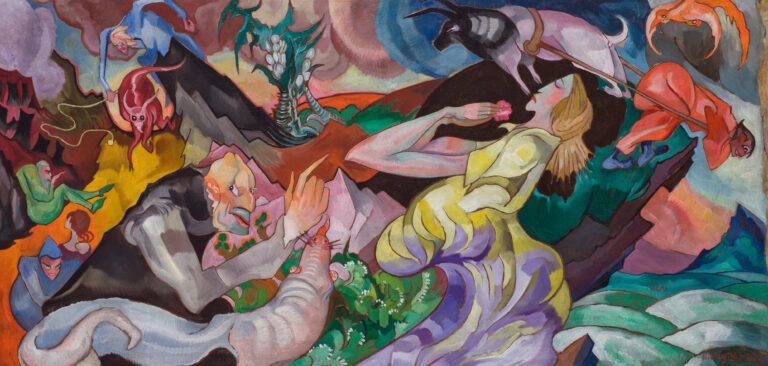
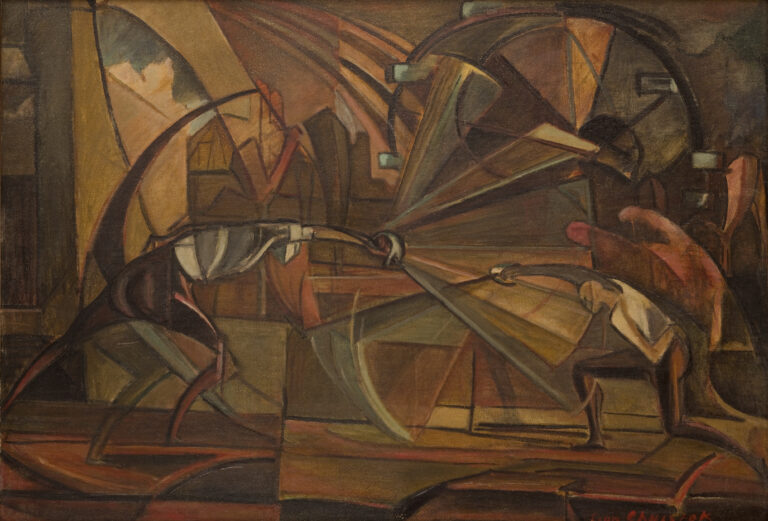
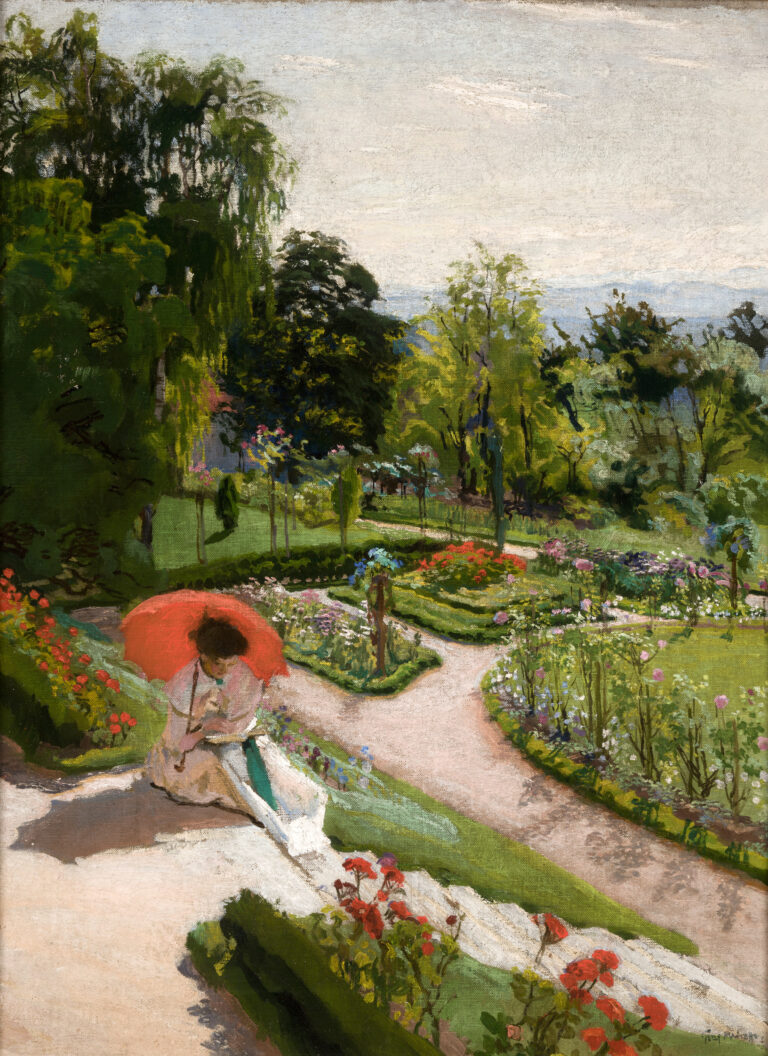
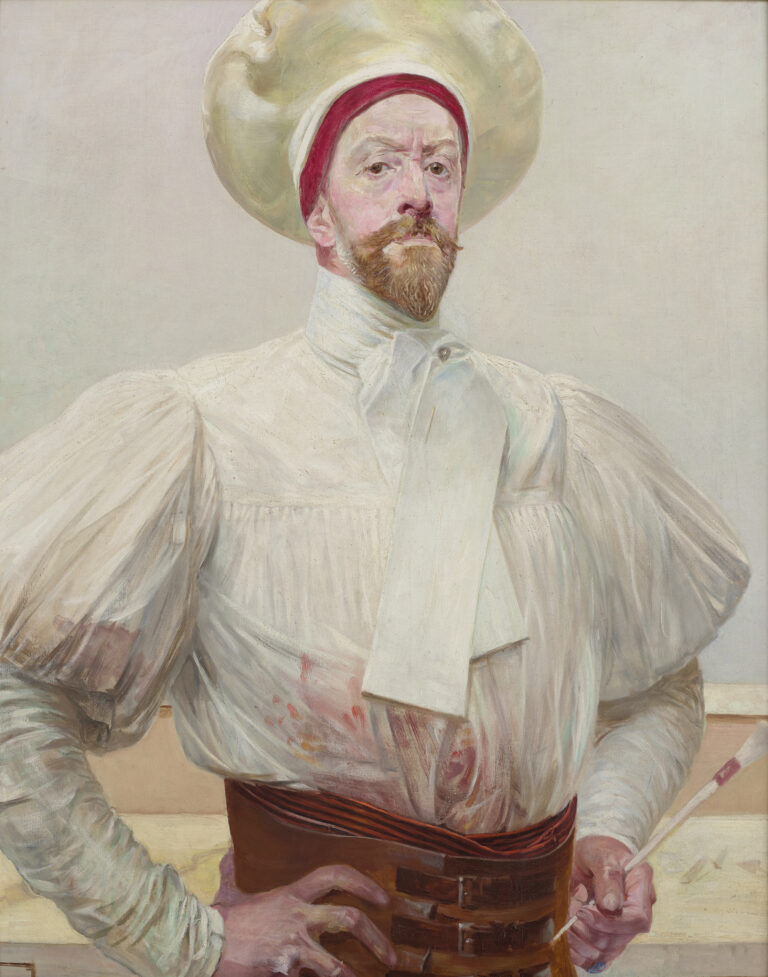
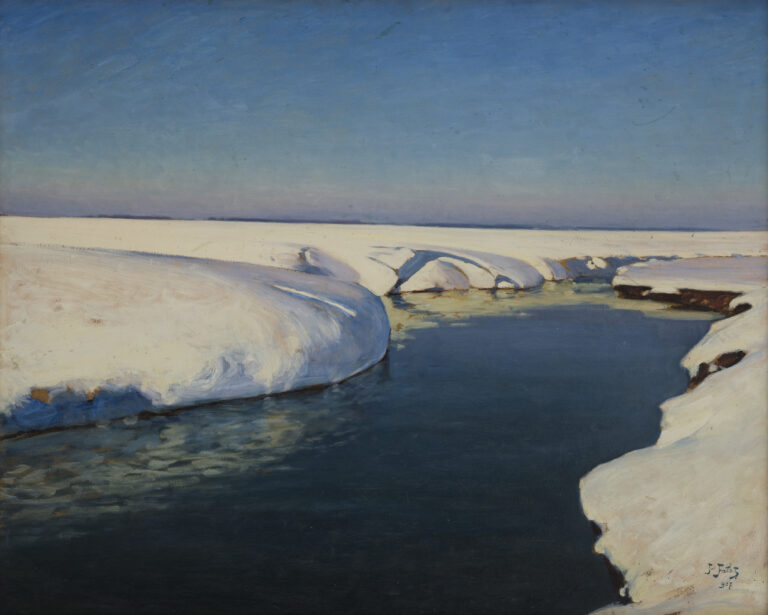
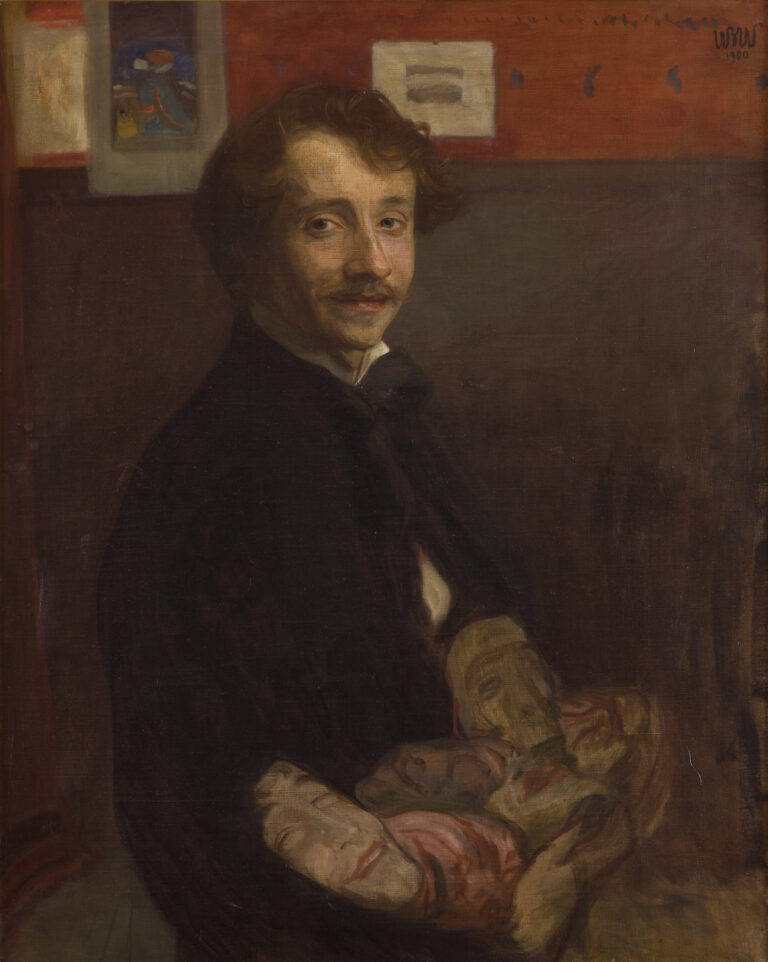
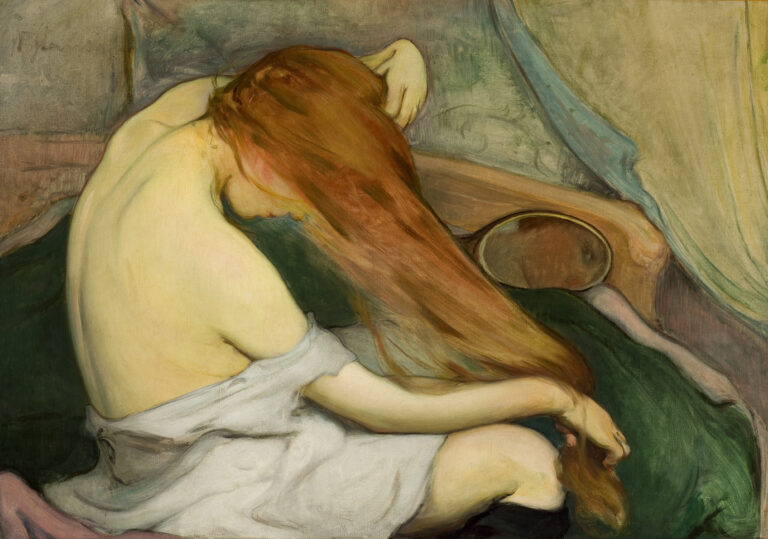
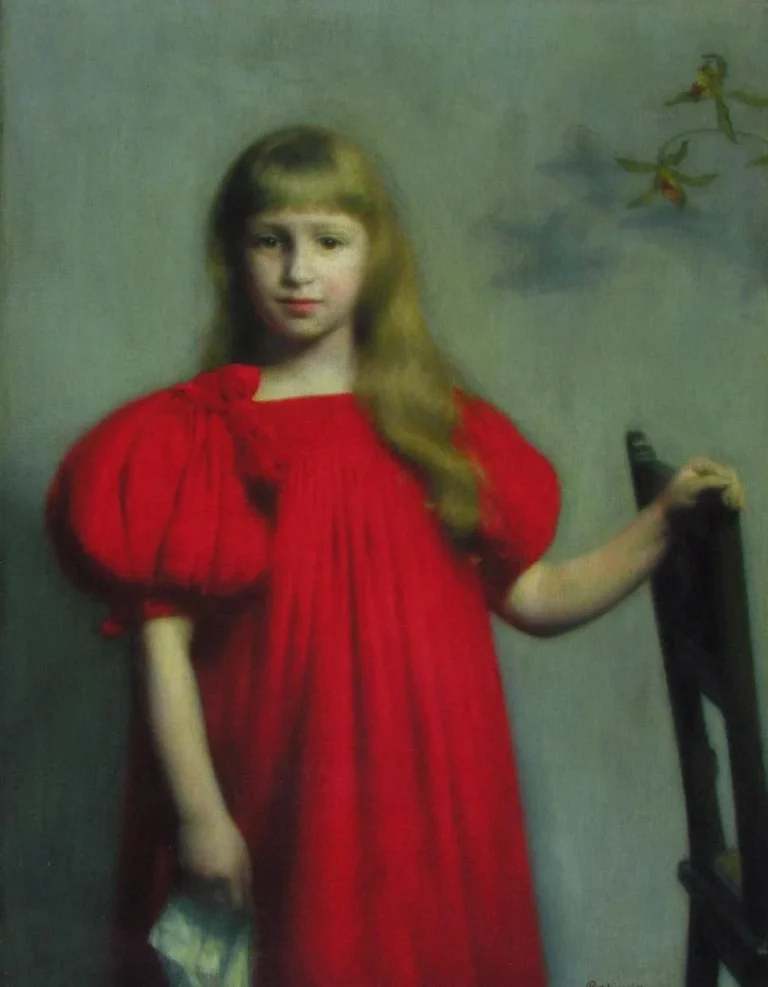
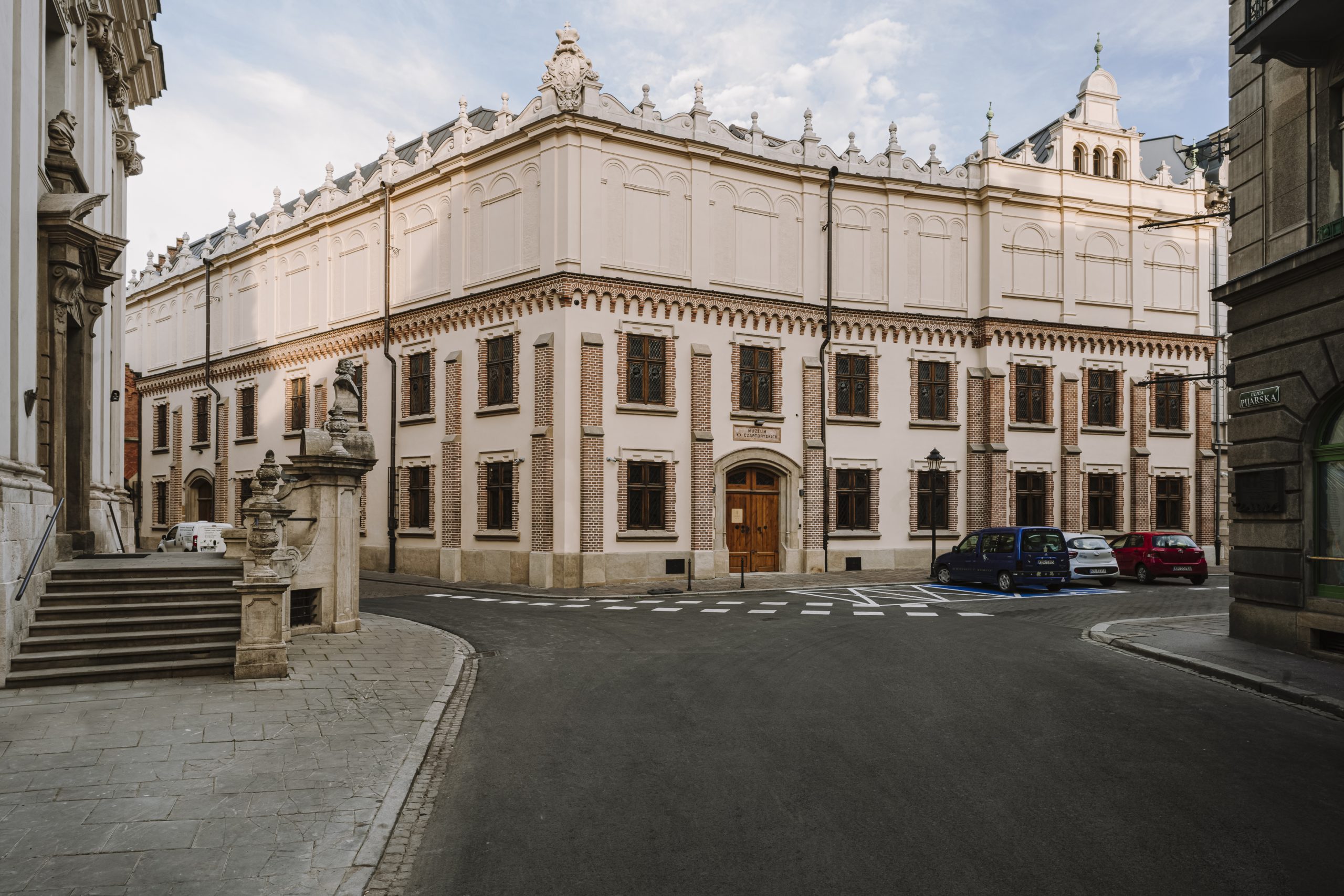
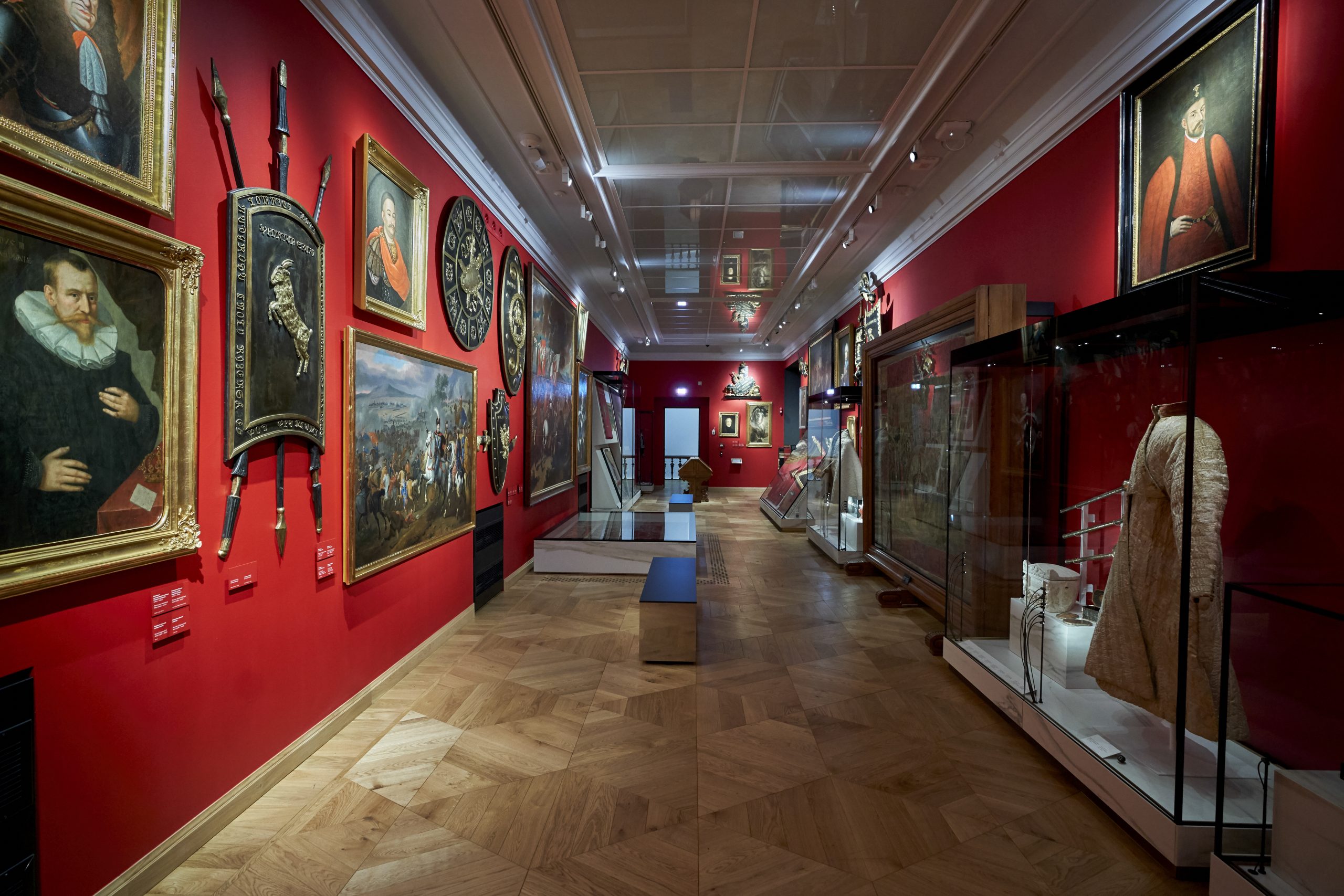
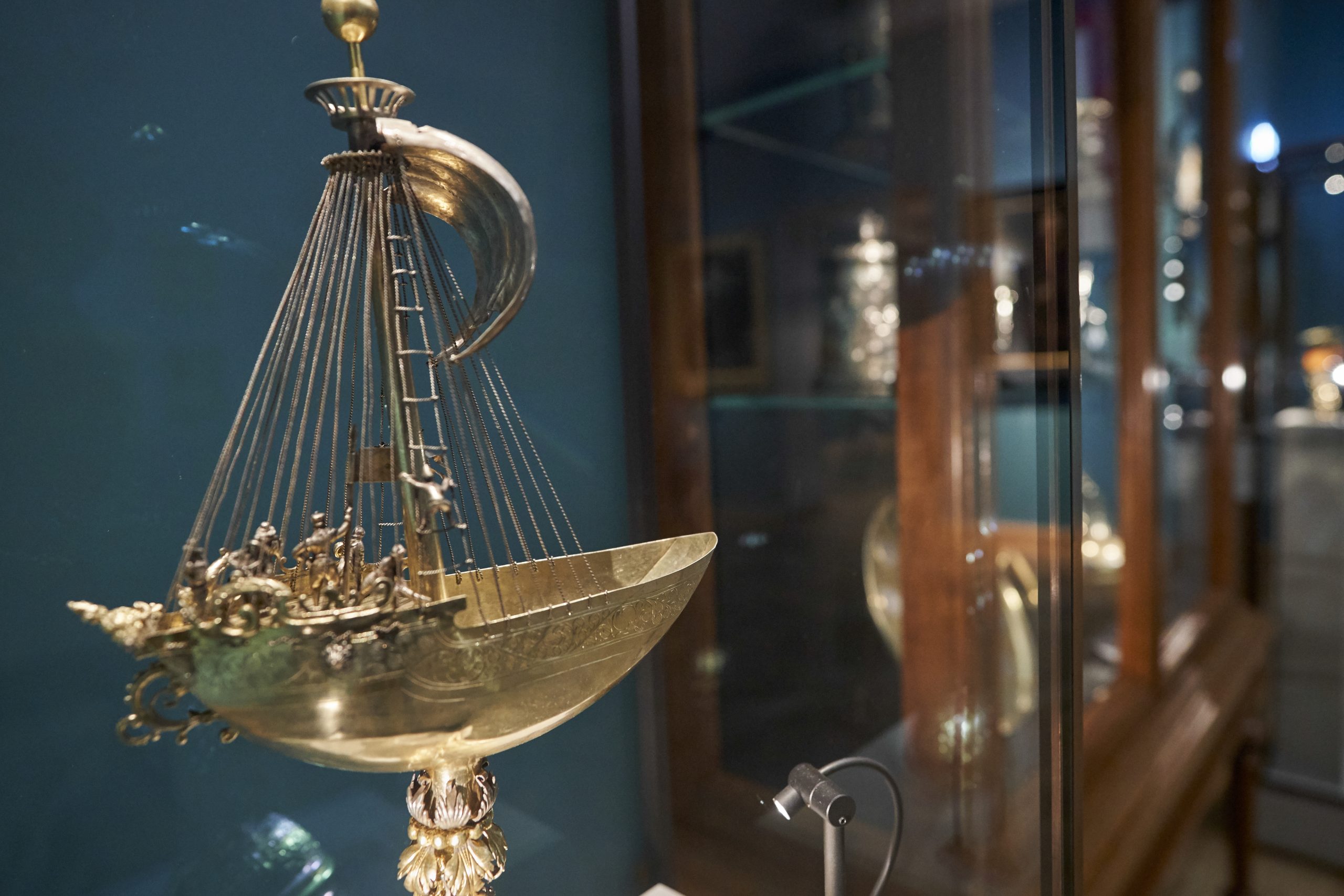
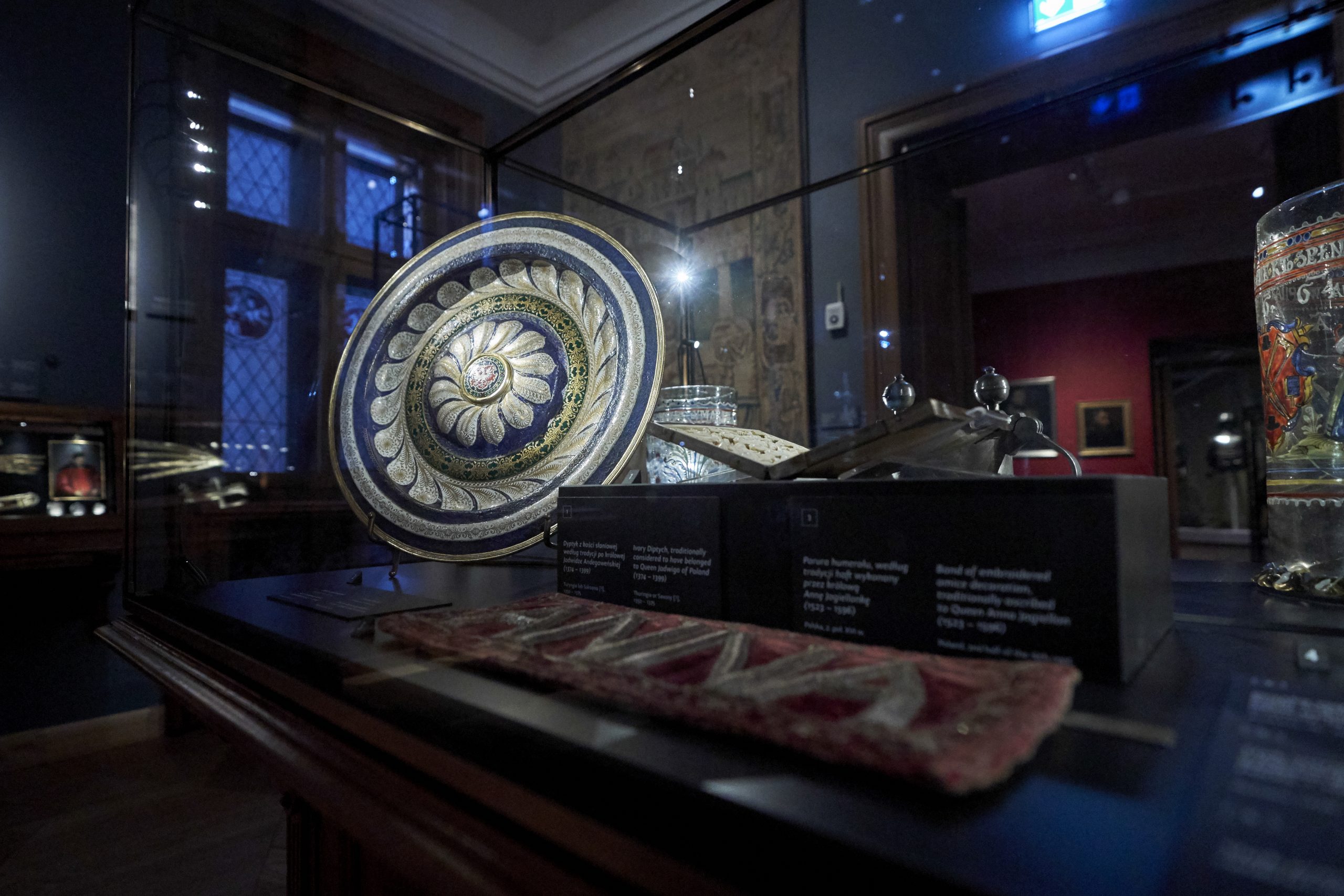
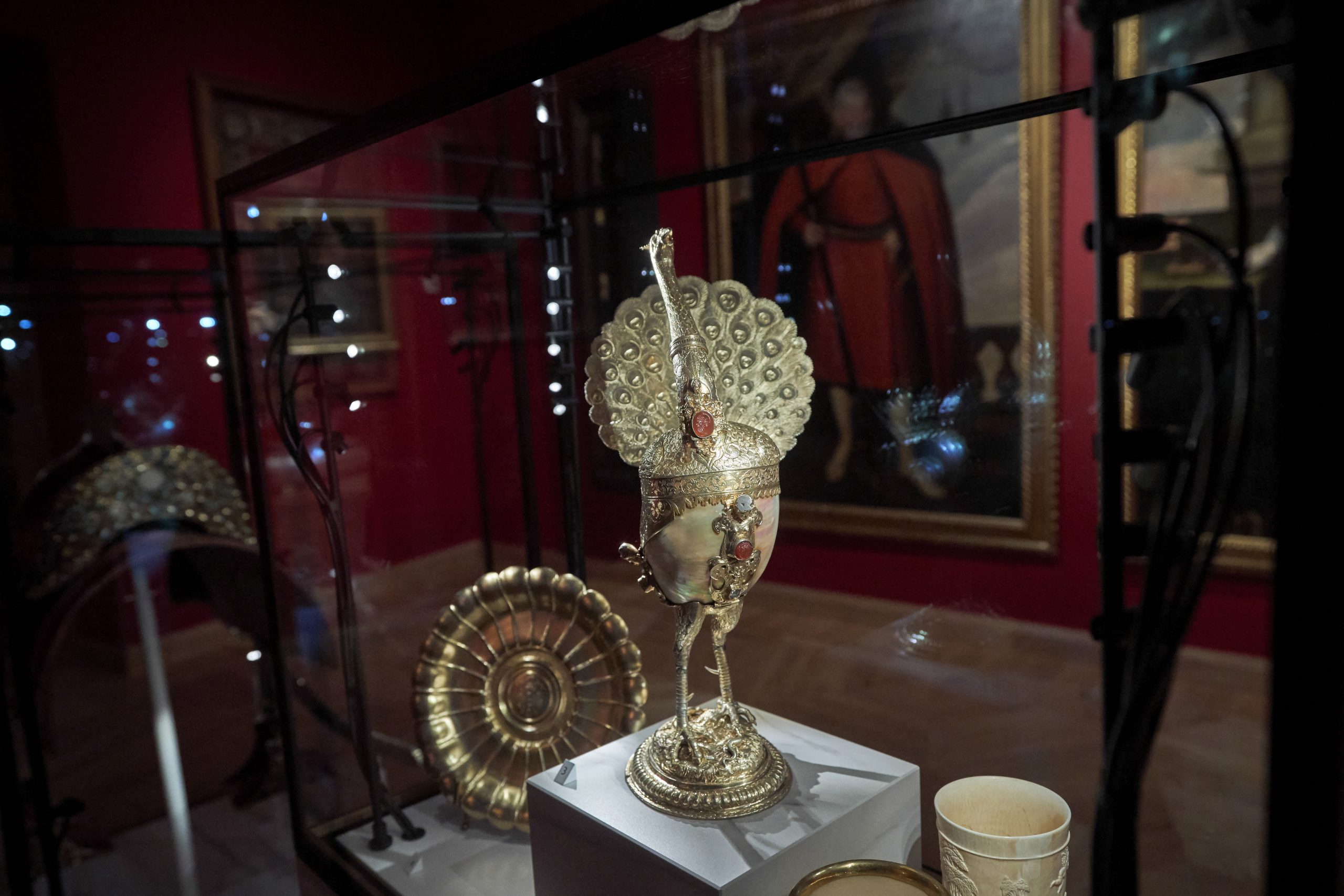
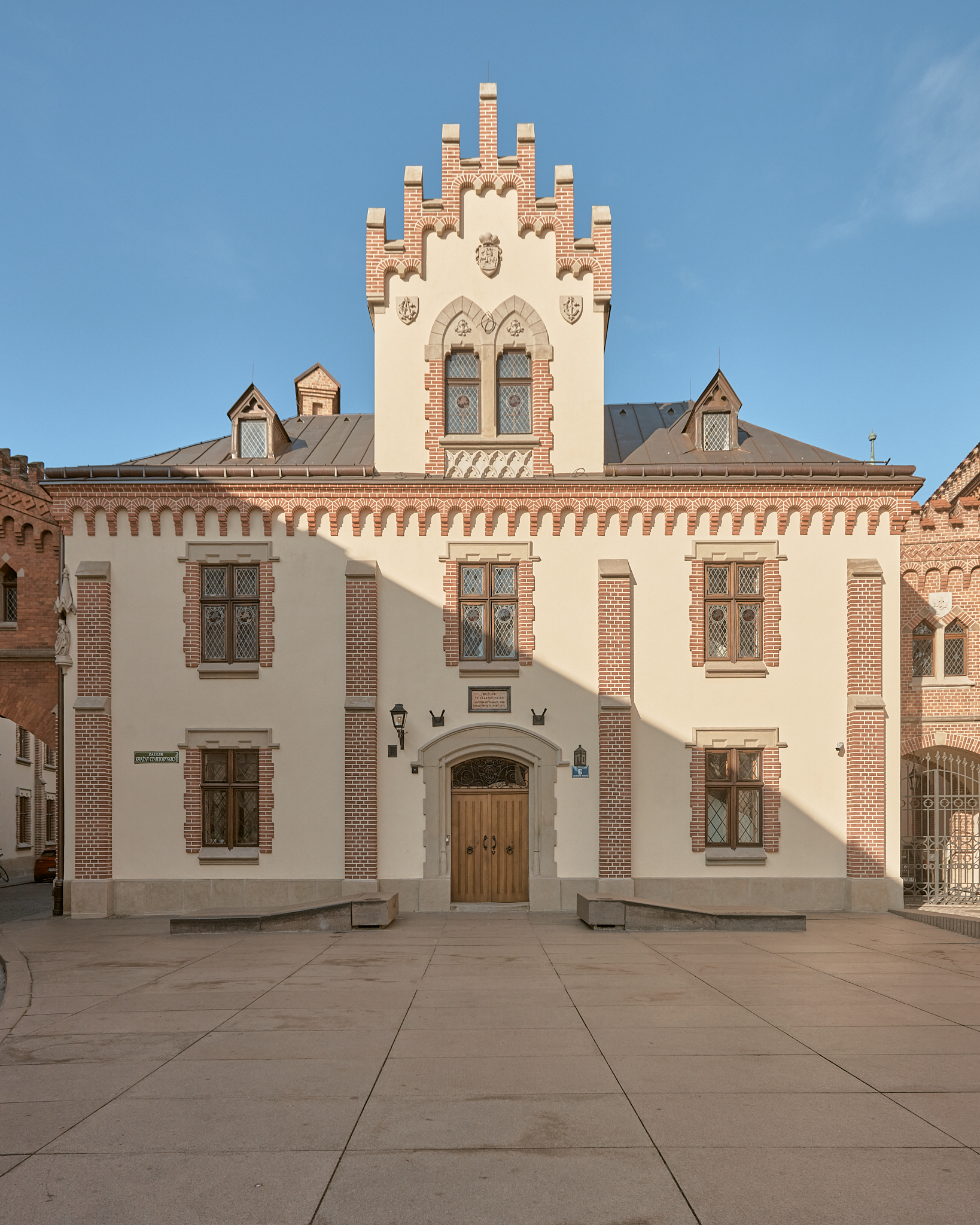
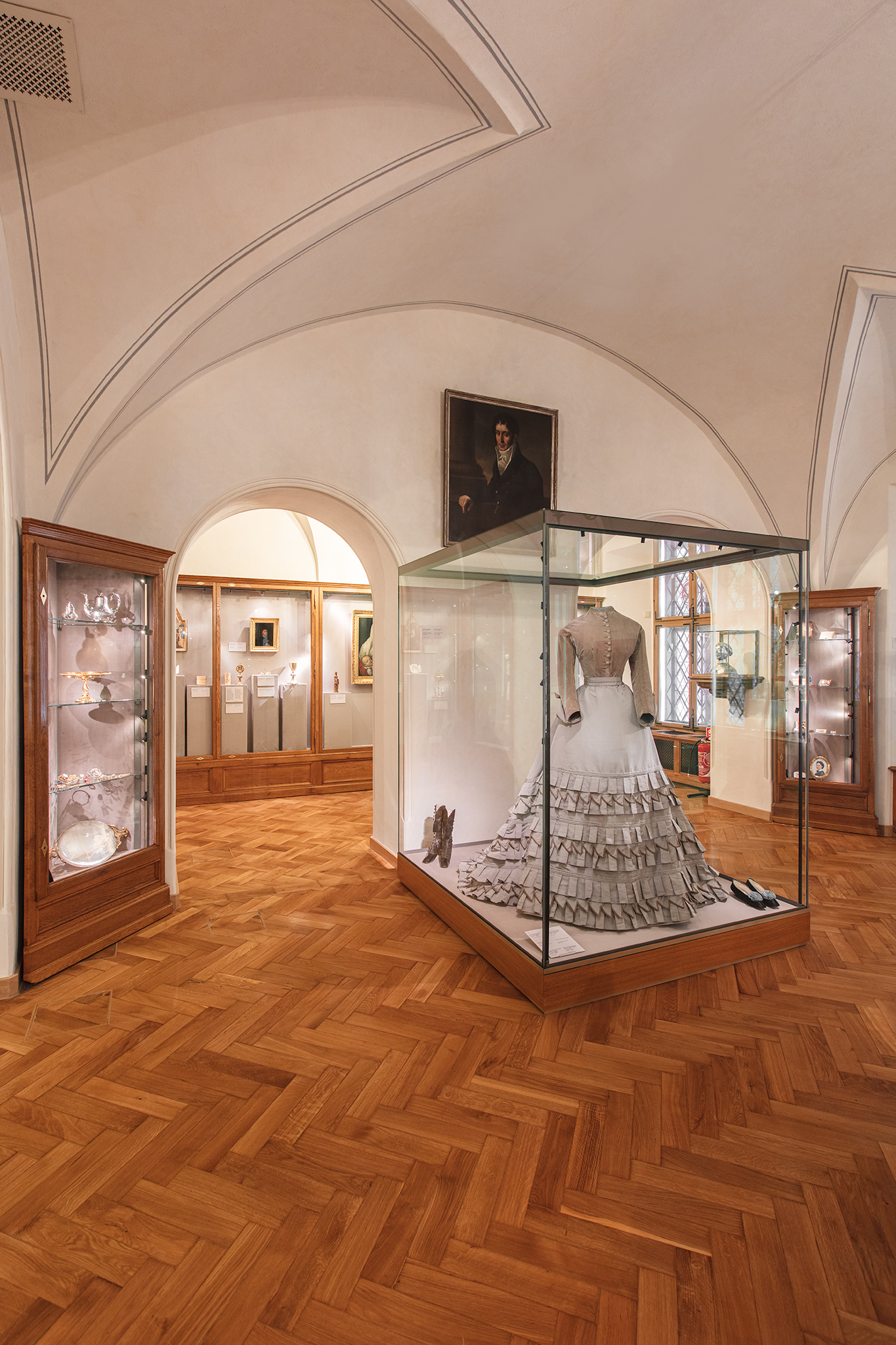
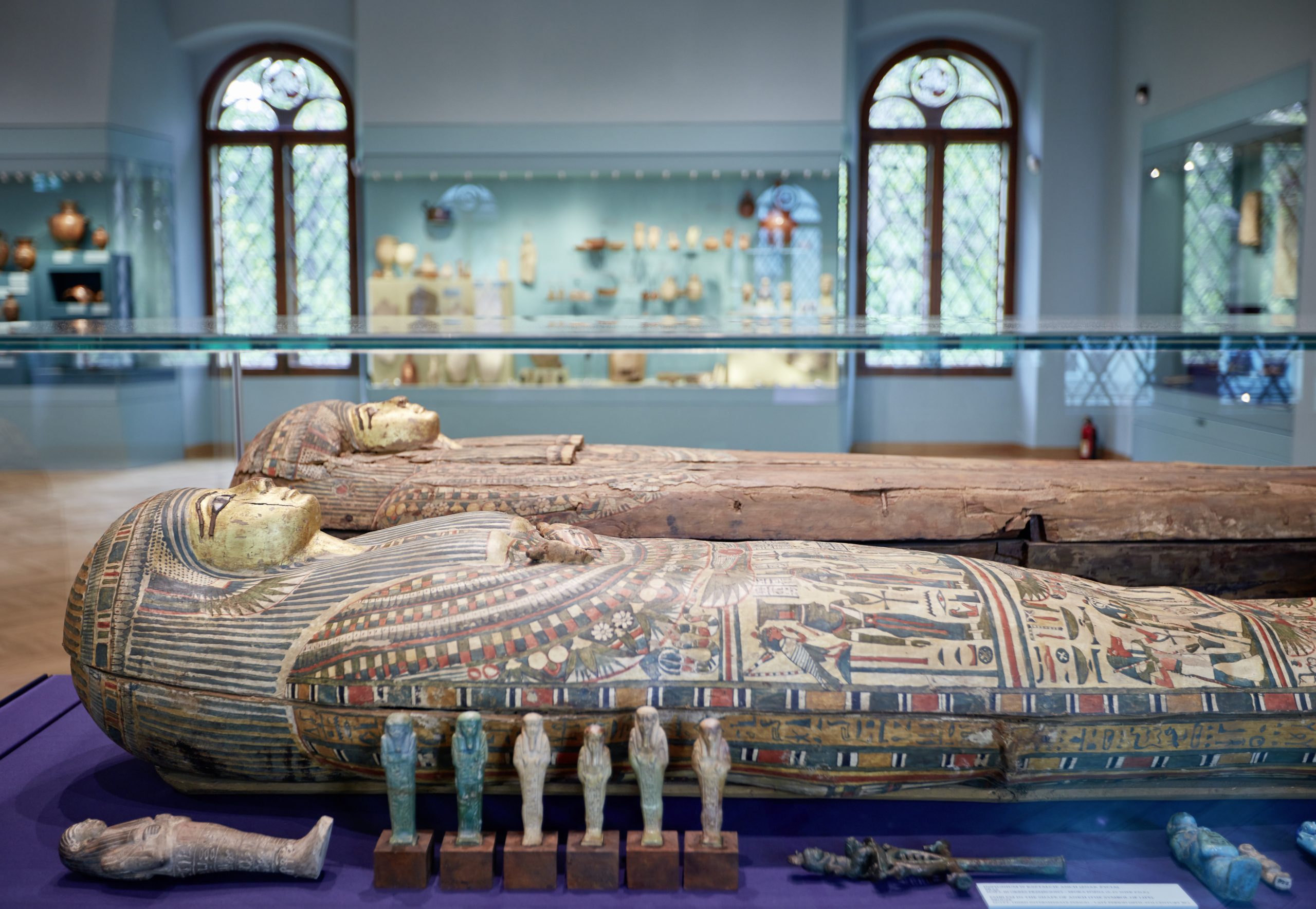
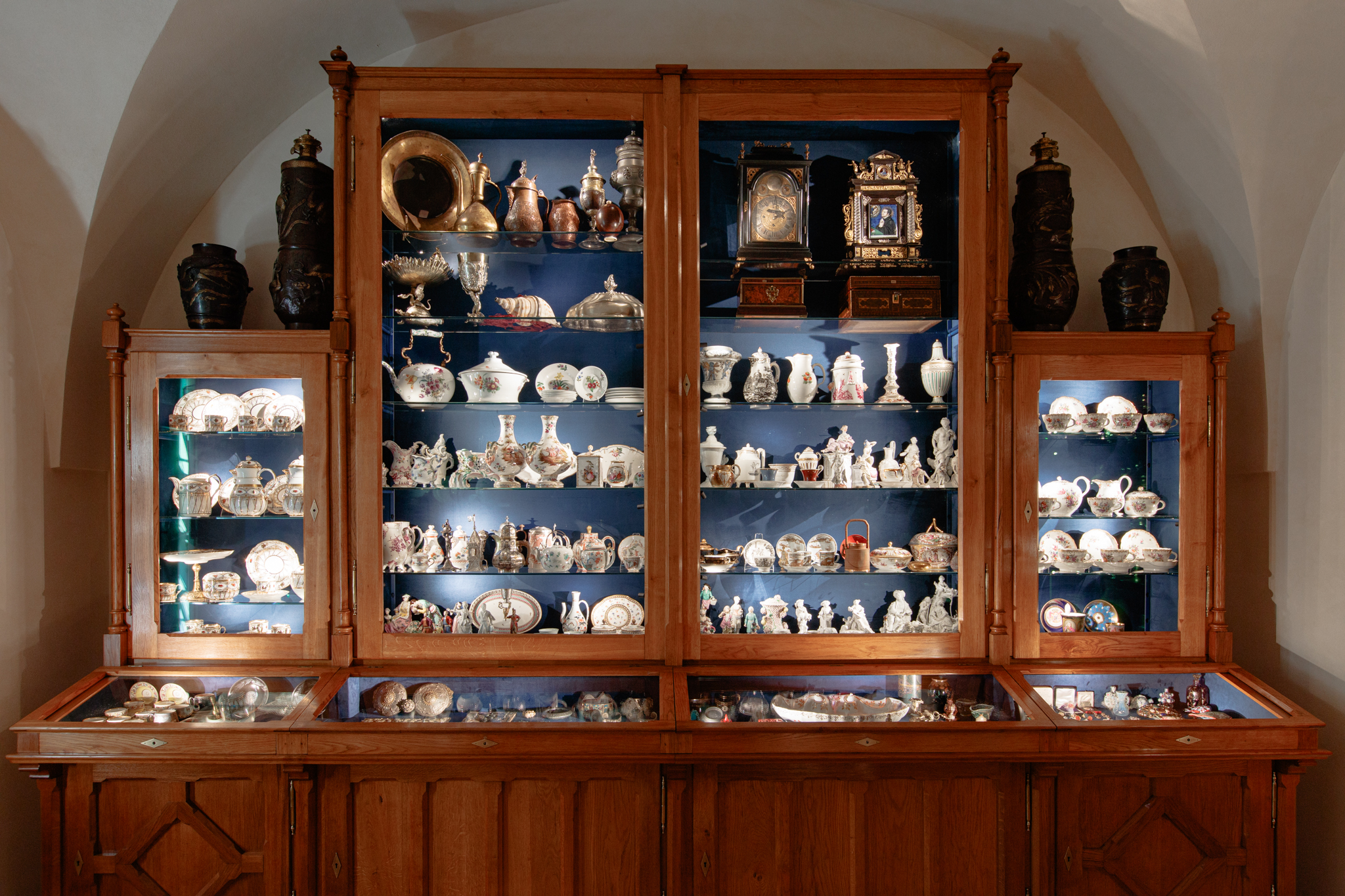
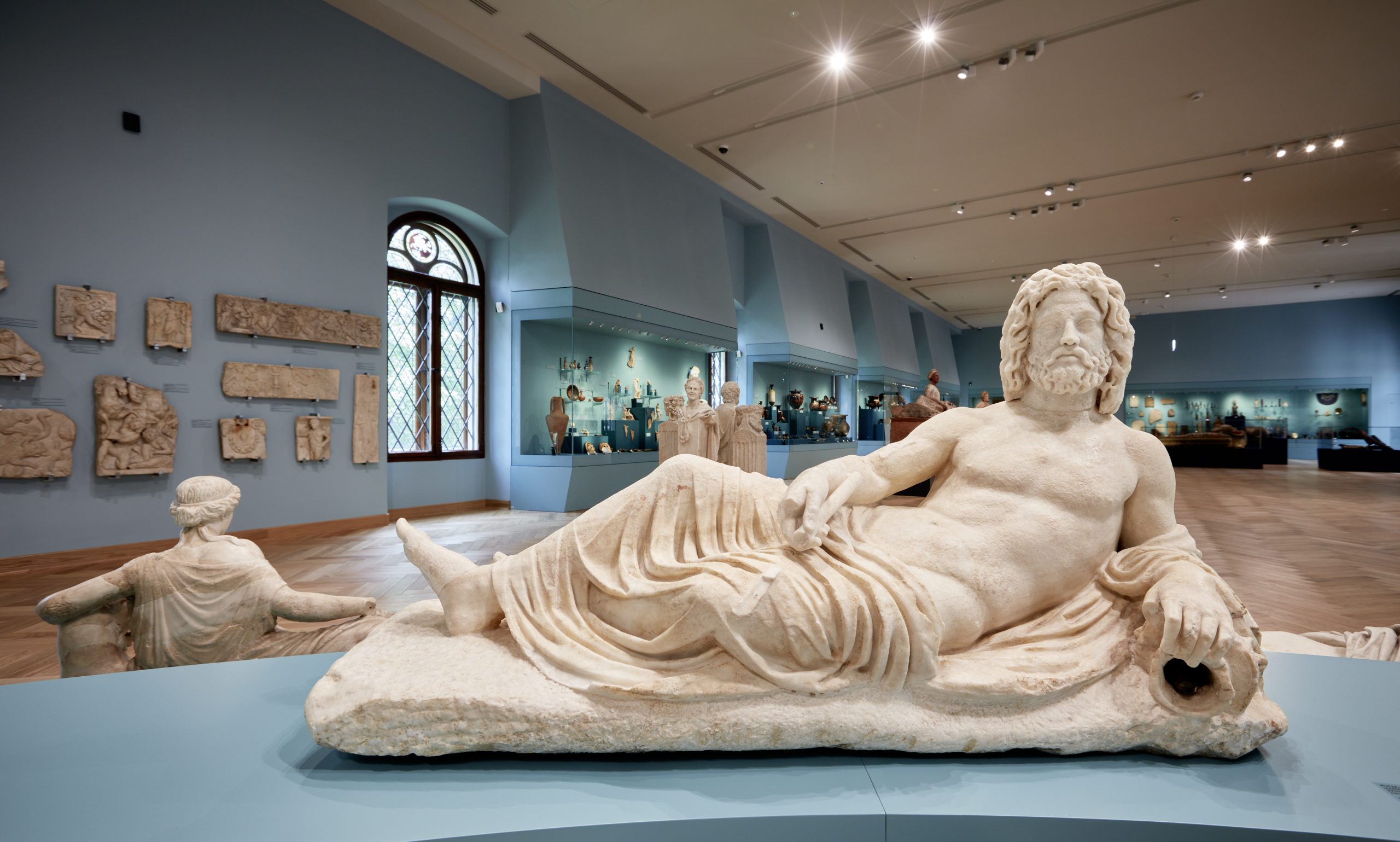
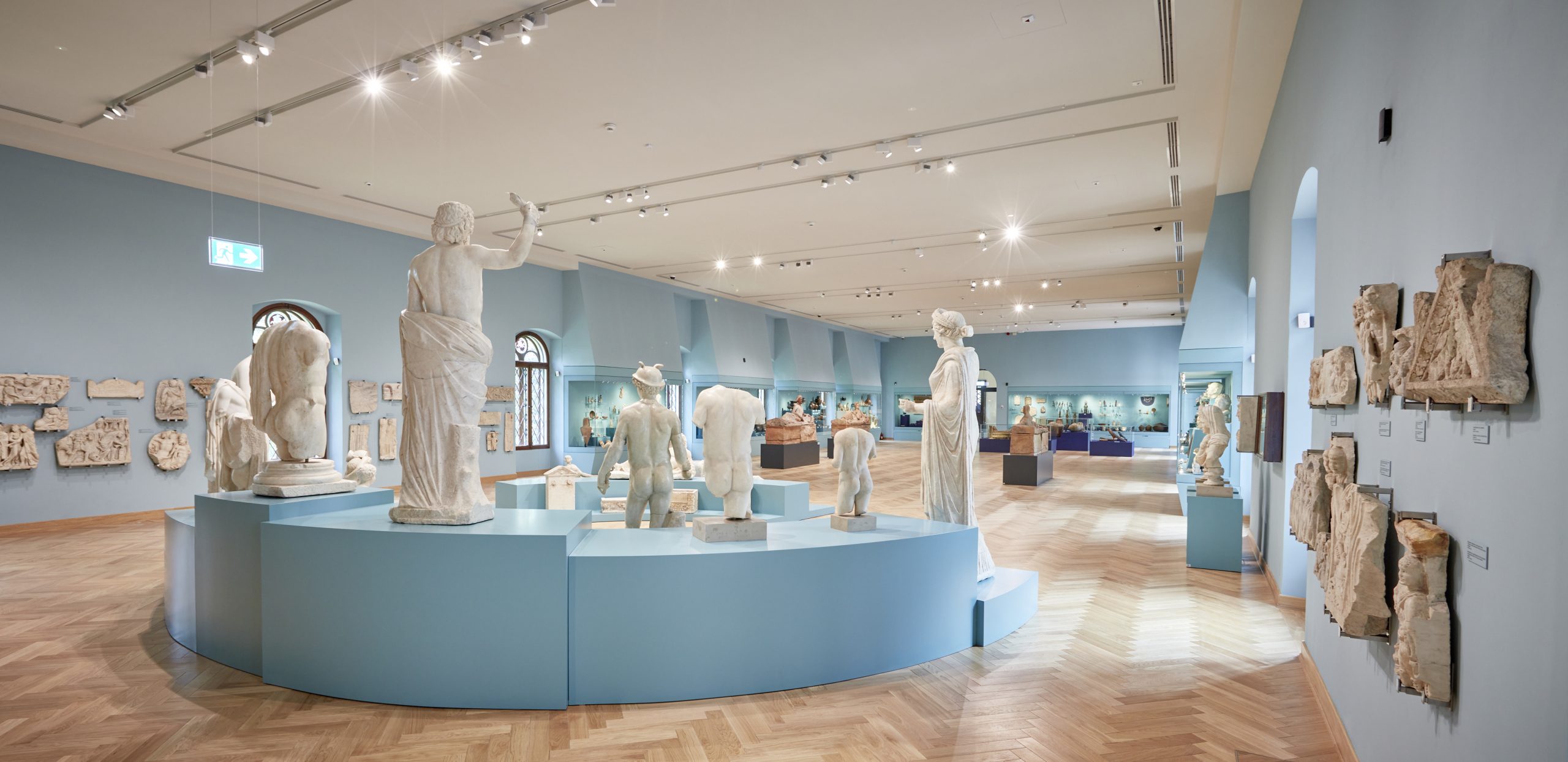
The most valuable and famous collection in Poland, known, among other things, for spectacular masterpieces of European art: Leonardo da Vinci’s The Lady with an Ermine and Rembrandt van Rijn’s The Landscape with the Good Samaritan. The Czartoryski Palace, together with the Monastery and the Arsenal, constitute a museum complex, gathering art collections, national memorabilia and monuments of the material culture of art from antiquity to the 19th century.
The history of the Czartoryski family collection begins in 1801 in Puławy, where Princess Izabela of Flemming made her collection of national memorabilia and art monuments available to the public. The holdings of what is now the Czartoryski Museum were displayed in two pavilions: the Temple of the Sibyl and the Gothic House (completed in 1809).
Since the beginning of the 19th century, the family has owned three masterpieces of European painting: The Lady with an Ermine by Leonardo da Vinci, The Landscape with the Good Samaritan by Rembrandt van Rijn and The Portrait of a Young Man by Raphael Santi (lost during World War II). These are the most famous, but not the only works from the collection, representing the art of the Middle Ages, Renaissance, Classicism and the Far East.
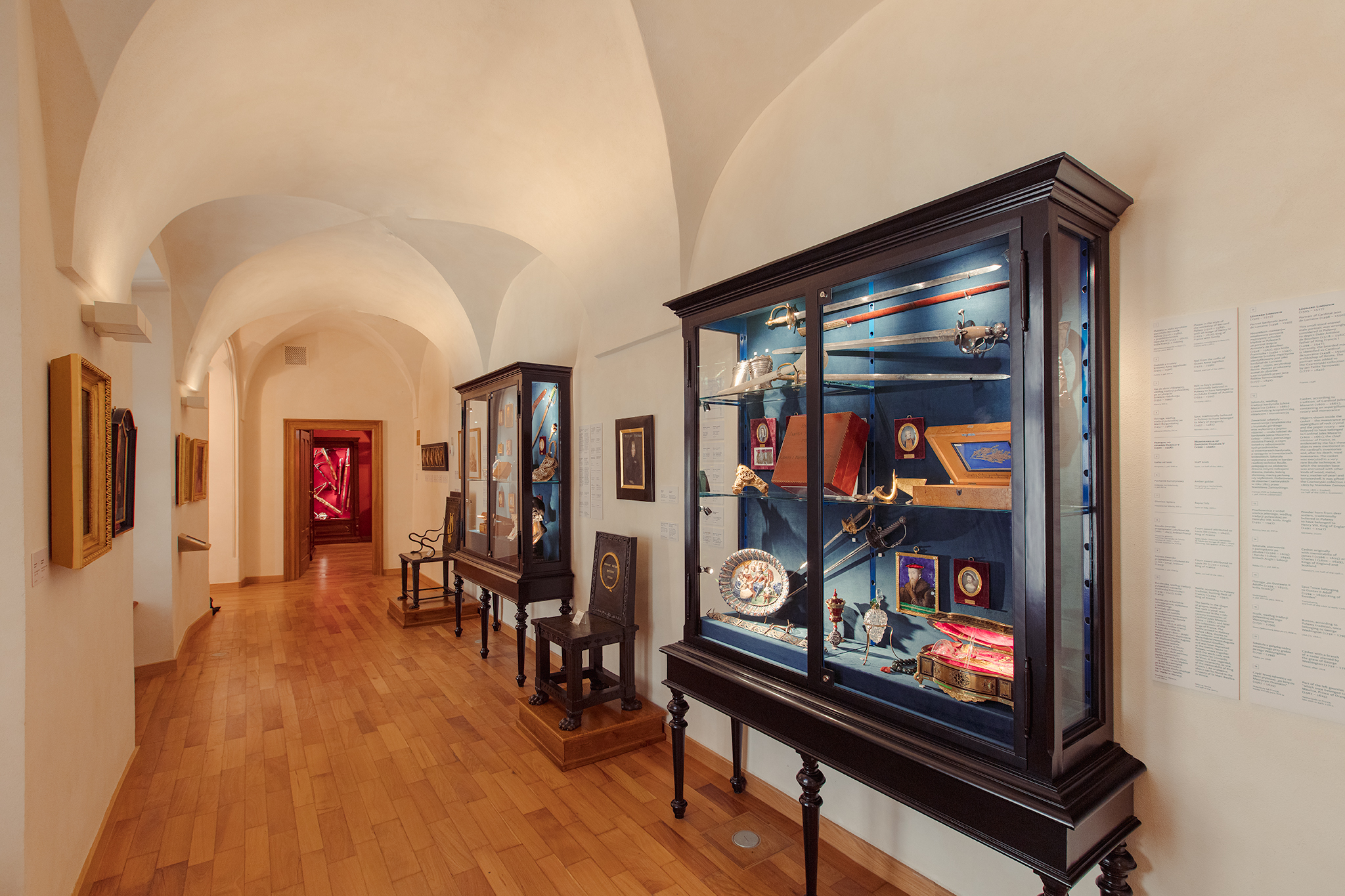
The second important part of the Czartoryski collection was national memorabilia, collected and presented by the Duchess for patriotic reasons. Among them were, e.g. banners and standards of the Polish army, as well as engravings and drawings depicting Polish landscapes and historical scenes.
After the fall of the November Uprising in 1831, due to the threat of confiscation, Puławy’s collections were evacuated to Paris, where they were taken into the care of Prince Adam Jerzy Czartoryski. The place of their storage was Hôtel Lambert, an important centre of Polish emigration.
In 1876, the collection of the Czartoryski family returned to the Polish lands, to Krakow. For the purpose of their presentation, the city provided buildings adjacent to the Florian Gate, next to the former city walls.
The period of World War II was particularly difficult for the collection, which was dispersed and seized by the Germans occupying Poland. To date, the Czartoryski Museum has not recovered 377 gold coins and 329 museum objects, including the famous painting The Portrait of a Young Man by Raphael.
Between 1950-1991, the museum collections were under the care of the National Museum, and after the political changes, they came under the management of the Princes Czartoryski Foundation. In December 2016, the collection and the palace were purchased by the State Treasury of the Republic of Poland and transferred to the MNK. At the end of 2019, the rooms of the palace at Pijarska Street were made available to the public again after a thorough, restorative renovation.
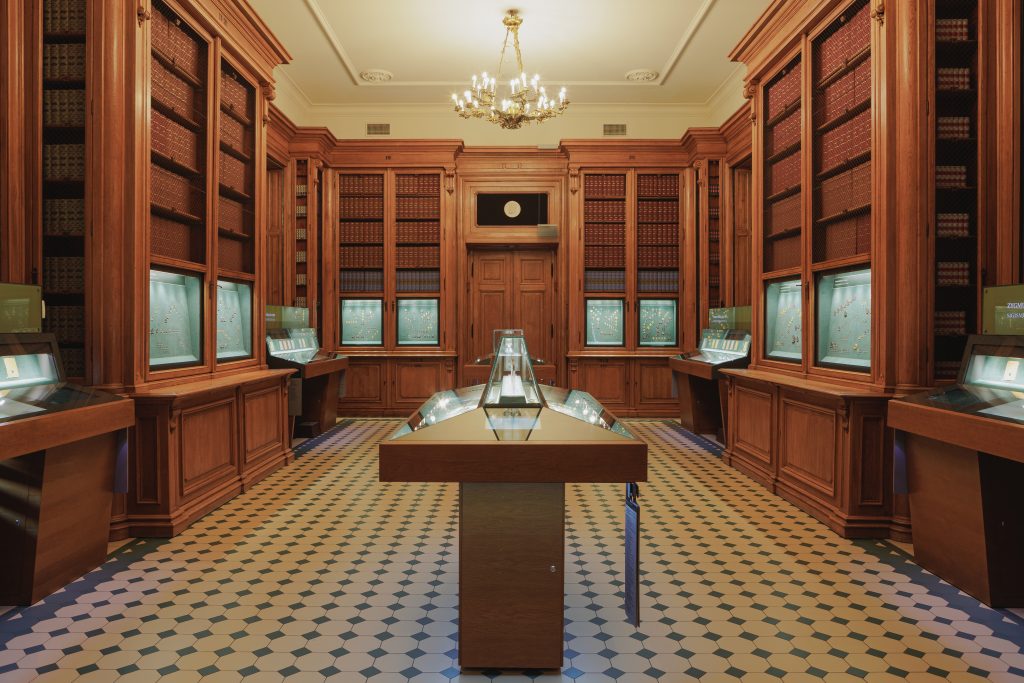
The historic interiors of the Czartoryski Museum Palace, the Arsenal (opened after renovation in 2021) and the Monastery (opened in 2023) have been renovated following current museum standards, with care for accessibility for people with various sensory and mobility needs. The presented monuments, retaining the character of the former collection, are accompanied by modern supporting materials, including typographics, audio descriptions and sensory baskets.

ul. Pijarska 15, 31-015 Kraków
Central























Discover our suggestions for exploring the museum’s branches. See the most important works in a single day, discover the lives of the greatest artists, or discover unusual works from bygone eras.
Ścieżka zwiedzania prowadzi przez trzy oddziały Muzeum Narodowego w Krakowie – Pałacu Książąt Czartoryskich, Arsenału oraz Domu Jana Matejki – ukazując, w jaki sposób sztuka przez stulecia budowała obraz państwa i pamięci narodowej.
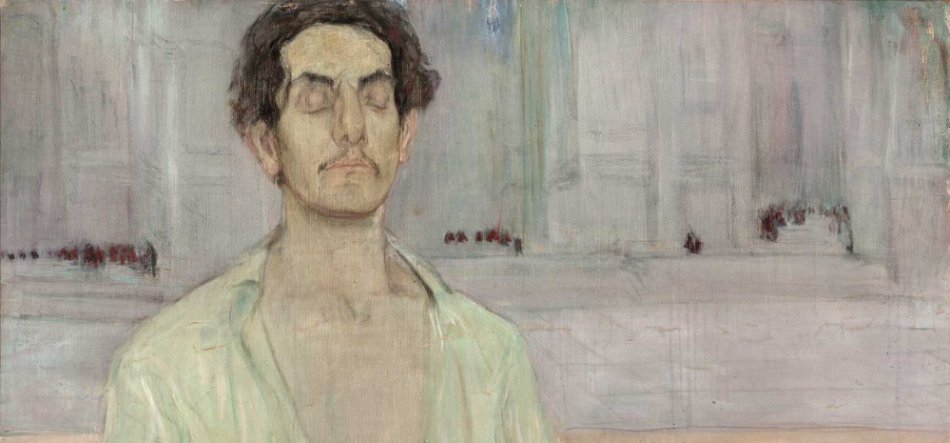
He was a painter, graphic artist and designer; he explored new avenues in literature and experimented in theatre. You’ll find traces of Stanisław Wyspiański all over Kraków, as the artist had a direct influence on the way we see the city.


 See directions