






Szlak Stanisława Wyspiańskiego (PL)


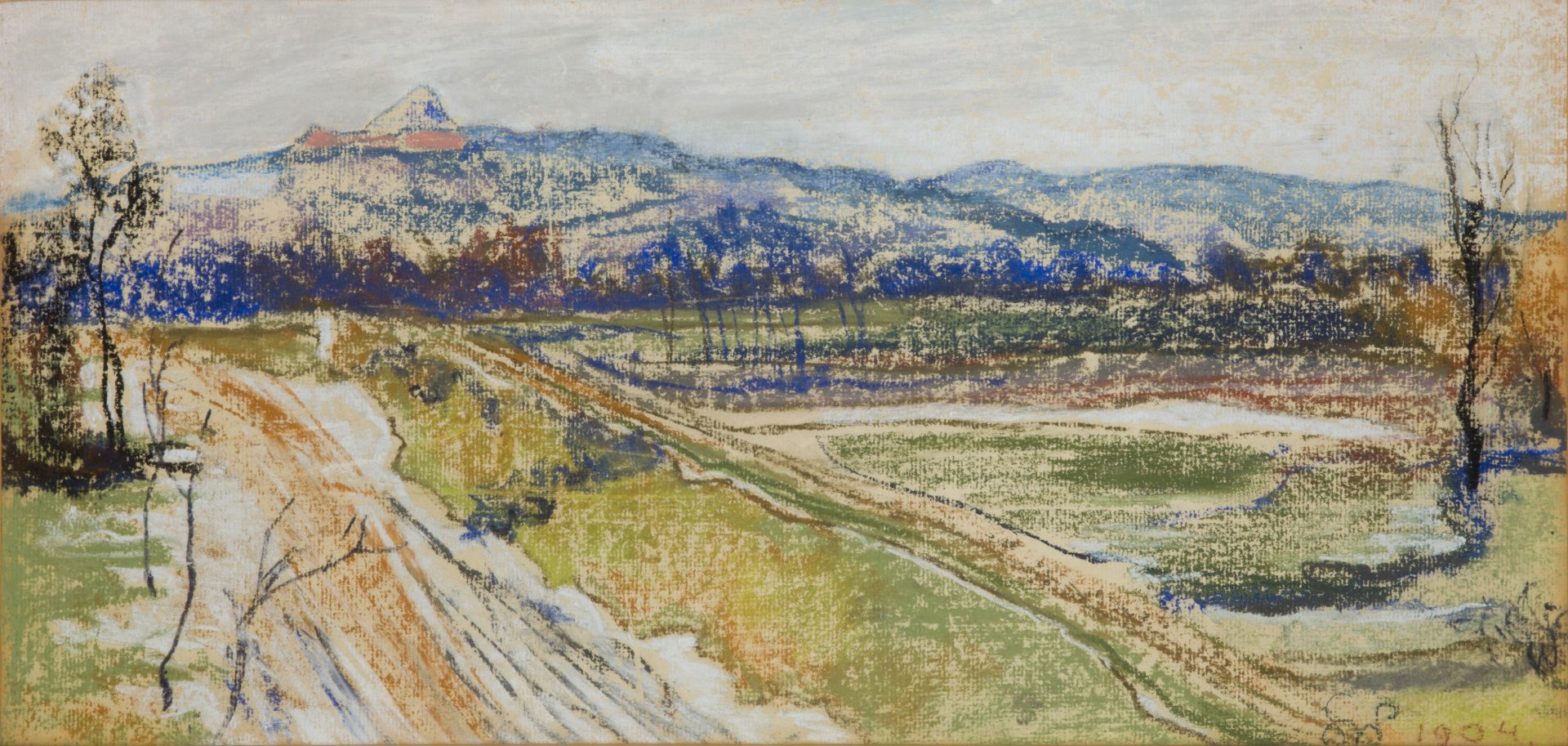
Wyspiański’s Kraków comprises several addresses where he lived and worked, as well as museums and religious interiors where his works can be viewed. The Franciscan Basilica on All Saints’ Square, Wawel Hill and the city theatre, where the premieres of his plays took place, hold a special place on the list. The National Museum in Kraków houses the largest and most valuable collection of Stanisław Wyspiański’s works.
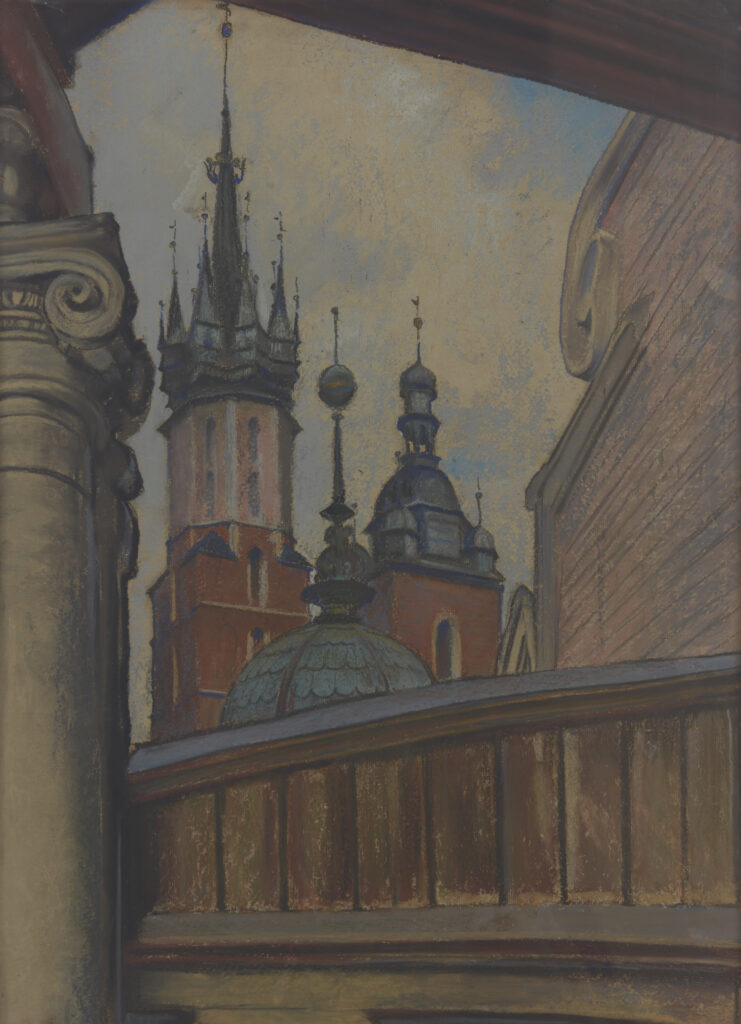
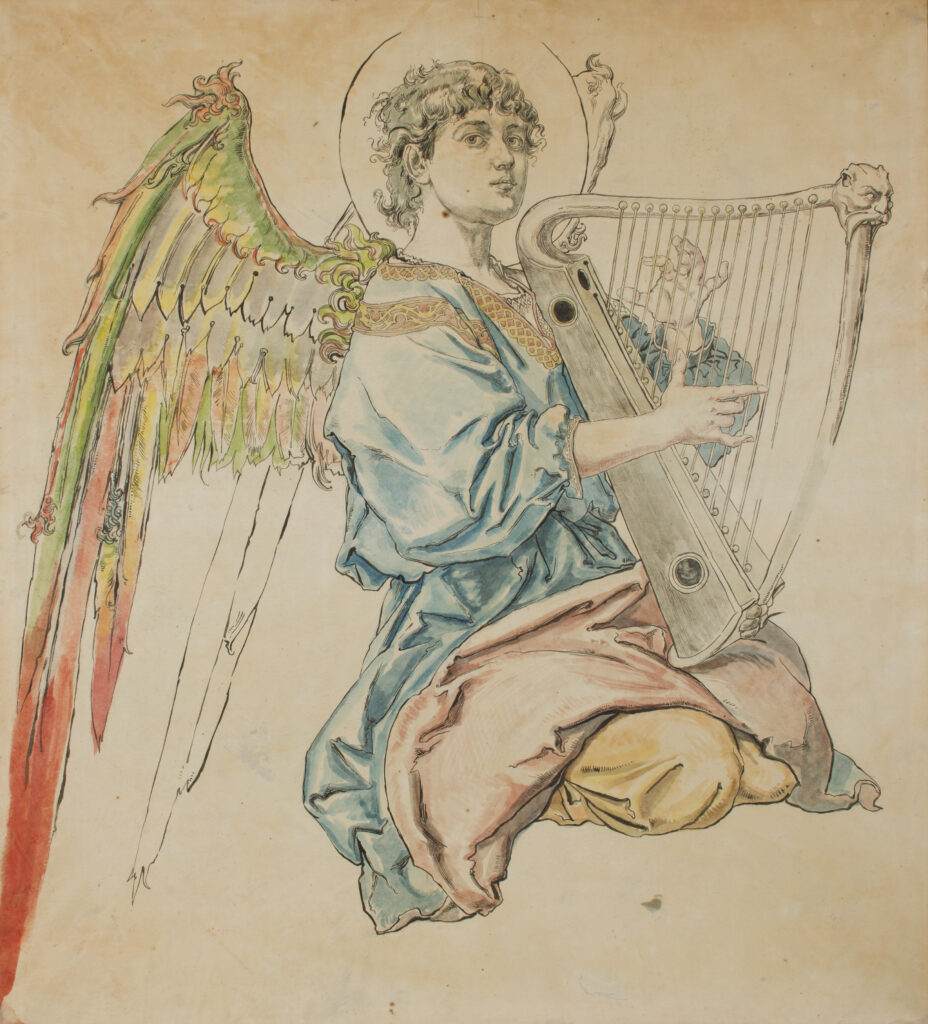
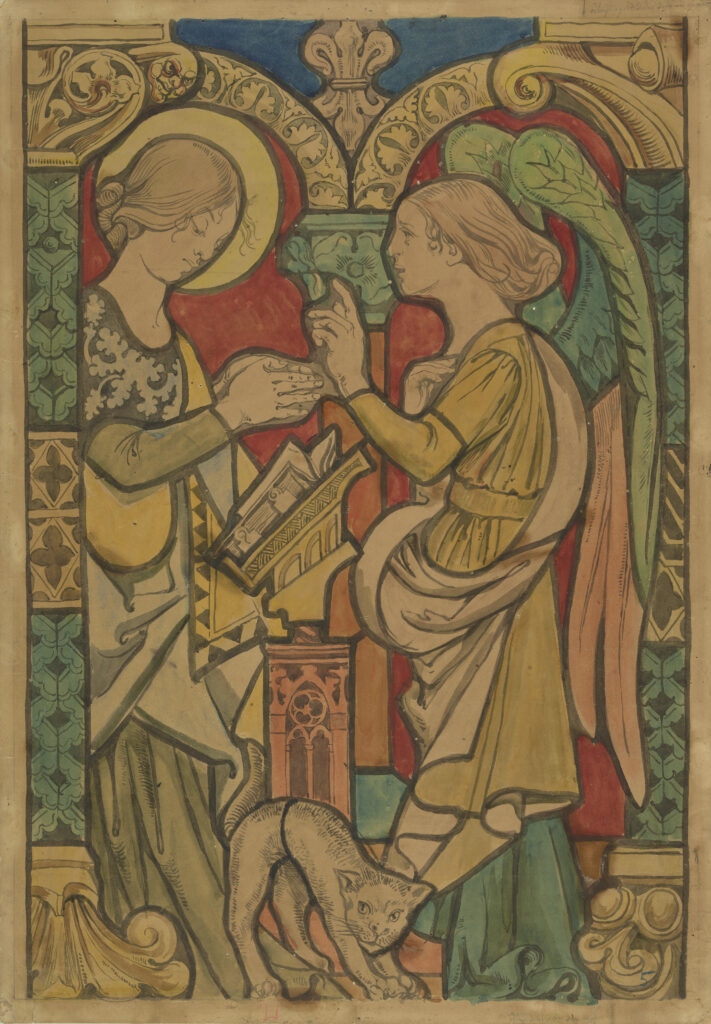
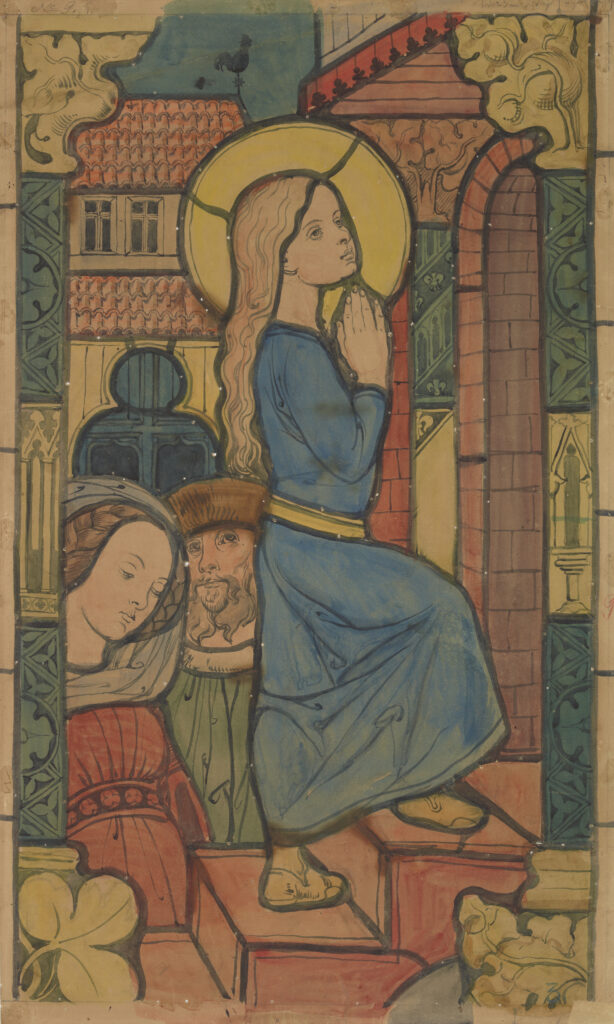
Stanisław Wyspiański was a student at the Kraków School of Fine Arts, where he studied under Jan Matejko. Together with his contemporary, Józef Mehoffer, the young artists, under the professor’s guidance, worked on the wall polychromes and stained-glass windows of Kraków’s medieval parish church – the Church of the Blessed Virgin Mary on the Market Square.
Upon entering St Mary’s Basilica, it is hard to take your eyes off the monumental altar, created by the workshop of Veit Stoss; this time, however, it is worth taking a broader look at the interior. It was within the walls of this church, under the tutelage of Jan Matejko and Tadeusz Stryjeński, that two future masters of Young Poland’s monumental art – Stanisław Wyspiański and Józef Mehoffer – honed their skills.
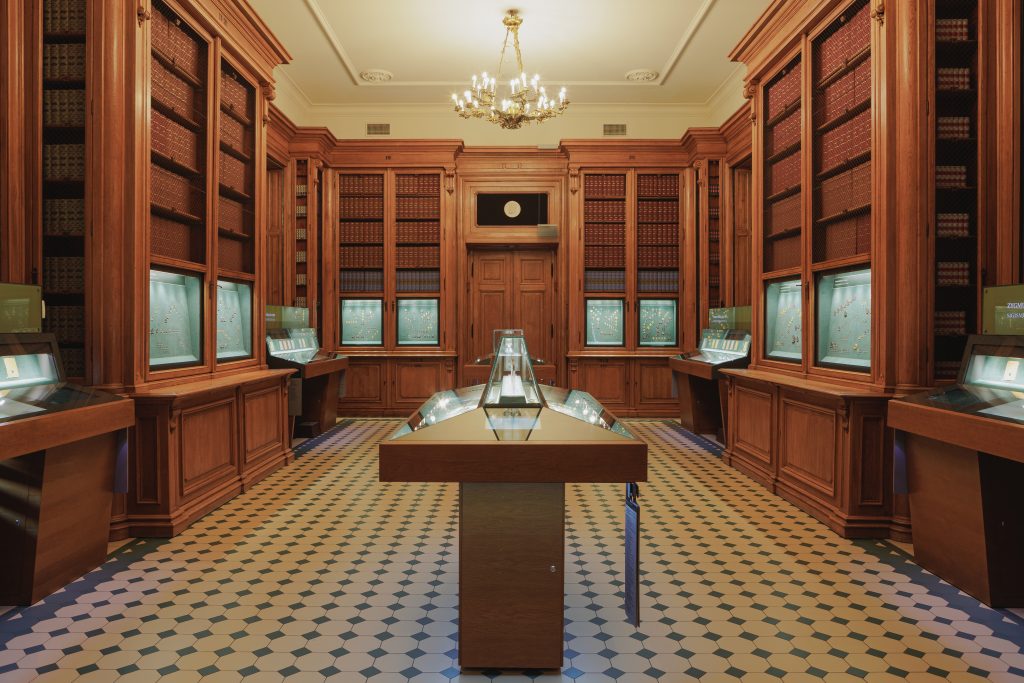
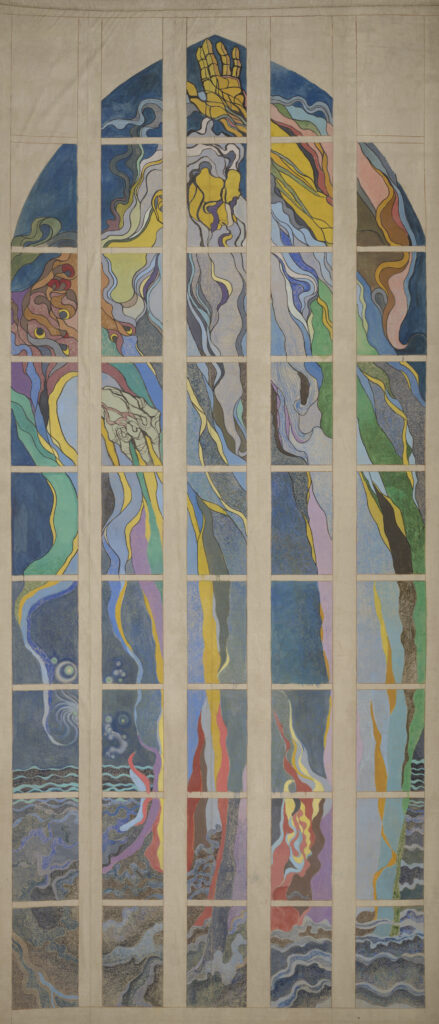
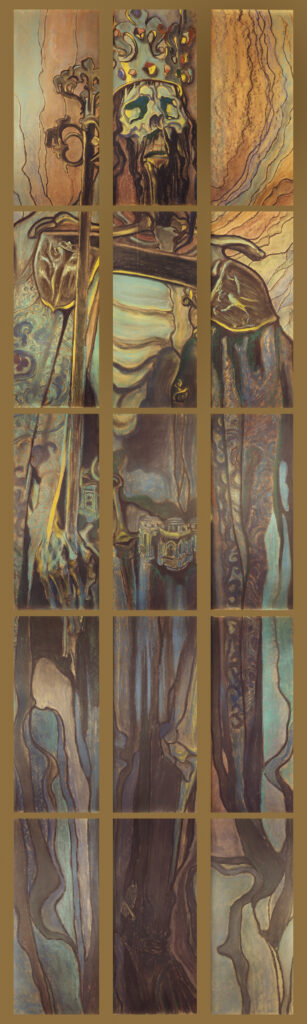
During his lifetime, MNK Wyspiański donated his pastel masterpieces—designs for stained-glass windows for Kraków Cathedral—to the Museum. The Wyspiański Pavilion on All Saints’ Square, designed by the Ingarden & Ewý studio, was built between 2006 and 2007. The most important elements are the contemporary stained-glass windows, based on MNK Wyspiański’s painted designs for Wawel Cathedral: Saint Stanislaus, Henry the Pious, Casimir the Great. The layout and decoration of the Pavilion draw on the artist’s work: the set design for Legend II (where stained-glass windows took centre stage) and the decoration of the Medical Society House (imprints of chestnut leaves on clinker bricks). Inside the pavilion is a tactile version of the stained-glass window God the Father.
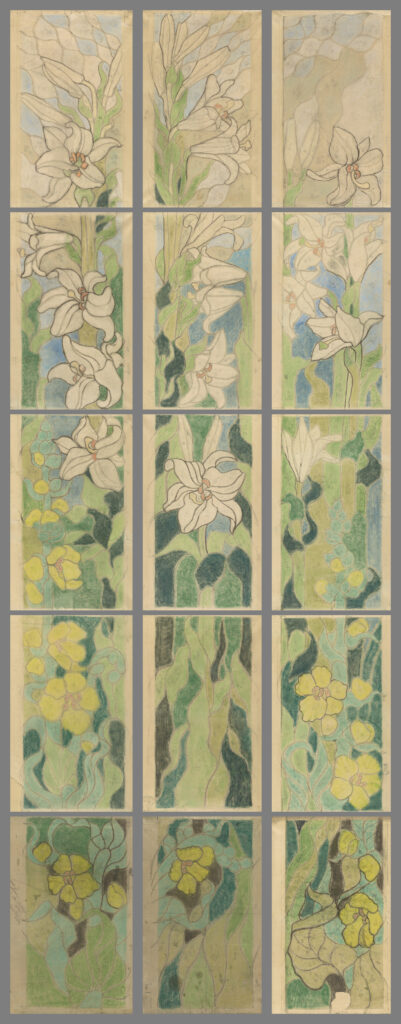
This Gothic church, for which Stanisław Wyspiański undertook the creation of polychrome decorations and stained-glass windows during its restoration, making it one of the most outstanding and extraordinary church interiors in Kraków. Wyspiański accepted the commission to design the polychrome decorations in 1895. Seeking to embody the Franciscan ideal of love for the surrounding world, he covered the walls with paintings of wildflowers: pansies, irises, chamomiles, sunflowers, poppies, marsh marigolds and cornflowers. Two years later, the Franciscans asked Wyspiański, to design the stained-glass windows for the church. Above the high altar, the artist placed a depiction of St Francis of Assisi and Blessed Salomea, the founder of the Polish Order of St Clare. For the window on the opposite side of the church, Wyspiański designed the stained-glass window God the Father. The figure of God the Father, rendered in undulating lines, emerges from the ‘surface of the vast waters’ and, with a dynamic twist of his body and a vigorous raising of his hand, brings about the creation of the world.
Wyspiański channelled the experience he gained whilst working with Matejko into designs for religious interiors. The MNK collection includes spectacular, full-scale designs for stained-glass windows and polychromes, on display in the MNK Main Building and the MNK Wyspiański (God the Father), which can be compared to the works in the Franciscan basilica. The designs for the stained-glass windows dedicated to heroes of Polish history were intended for Wawel. The designs for the cathedral windows, including Casimir the Great and Henry the Pious, formed part of a complex concept championed by Stanisław Wyspiański. The artist had the idea of concentrating government, scientific and cultural institutions on Kraków’s Castle Hill and making it the heart of the Polish lands.
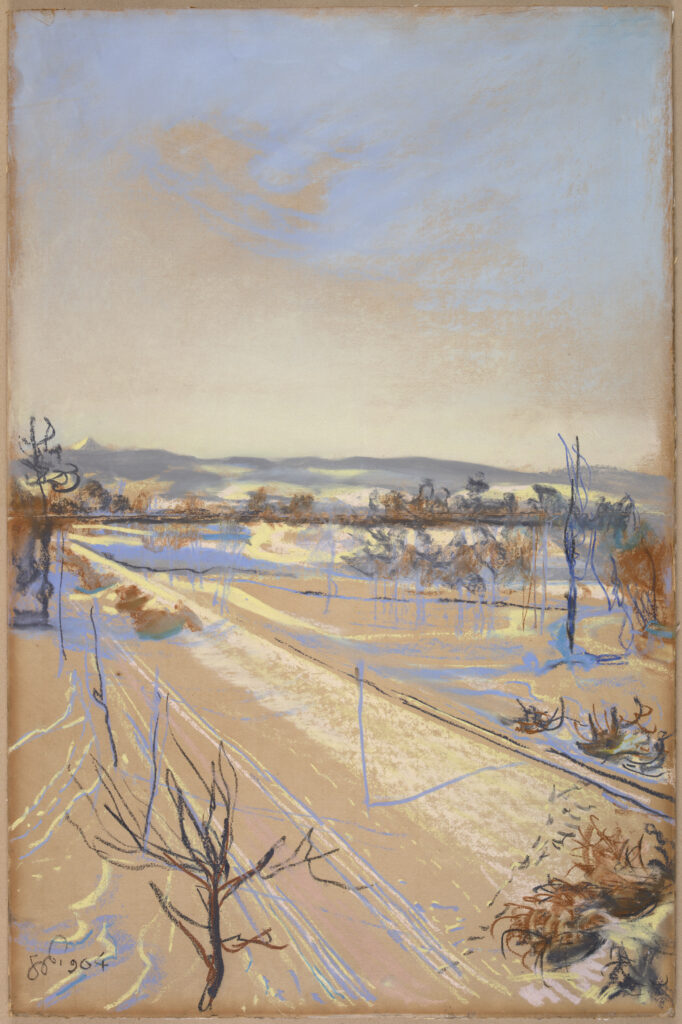
Kraków is the place where Wyspiański, confined to his bed, devoted himself to creating a series of iconic Views from the Studio Window onto Kościuszko Mound. Although the authentic view from the Sapphire Studio is impossible to see today, the current view of the Mound can be seen from the junction of Piłsudskiego Street and the Aleje Trzech Wieszczów (The Three Bards Avenue), right next to the main branch of the National Museum.
Want more? Why not take a look at the Wyspiański’s Kraków map? We published this trail map during the ‘MNK Wyspiański’ exhibition in 2017. It features places where you can still see the artist’s completed projects today, locations significant to his personal life, and those where his memory is kept alive today.
Buy tickets online and visit our branches, where you’ll find all the most interesting exhibits
See the most important works, learn about the lives and careers of the artists, and come and visit the galleries and branches of the National Museum in Kraków.