


MNK Czapscy
ul. Piłsudskiego 12, 31-109 Kraków
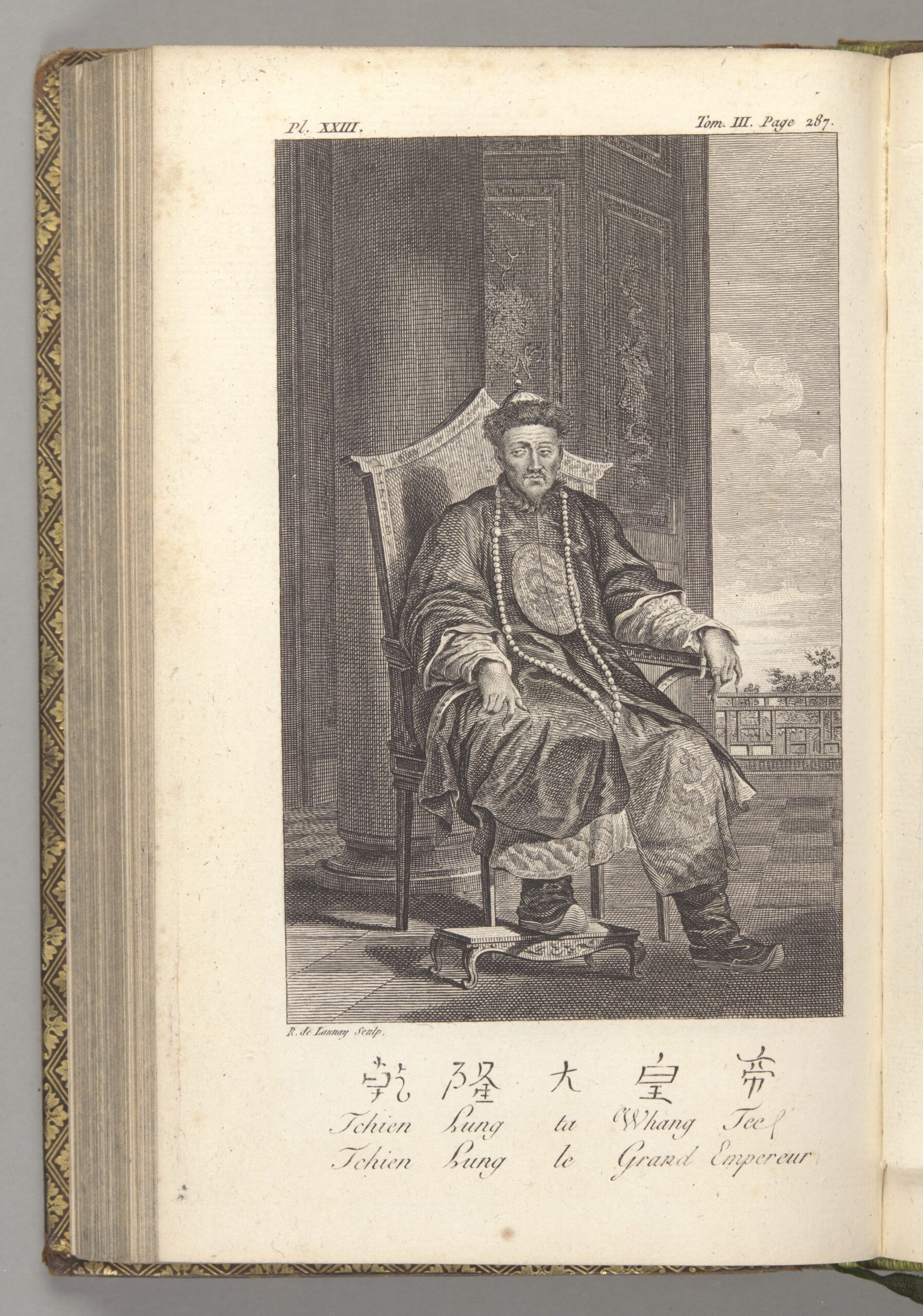
Clothing not only adorns, but also defines a person’s position in society – regardless of what moralists may say, the desire to make one’s attire more attractive and distinctive, setting apart both the individual and their entire social class, prevails.
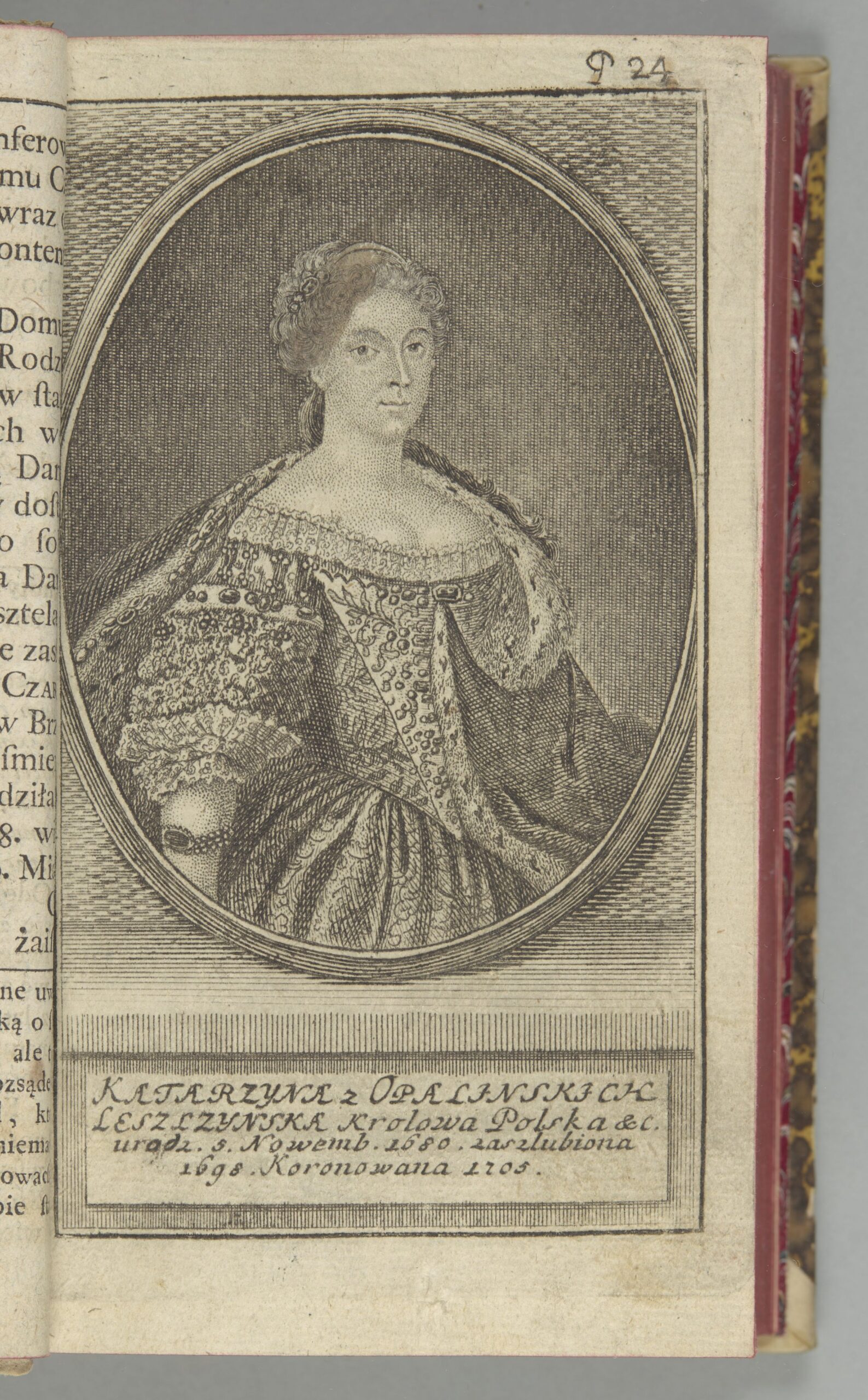
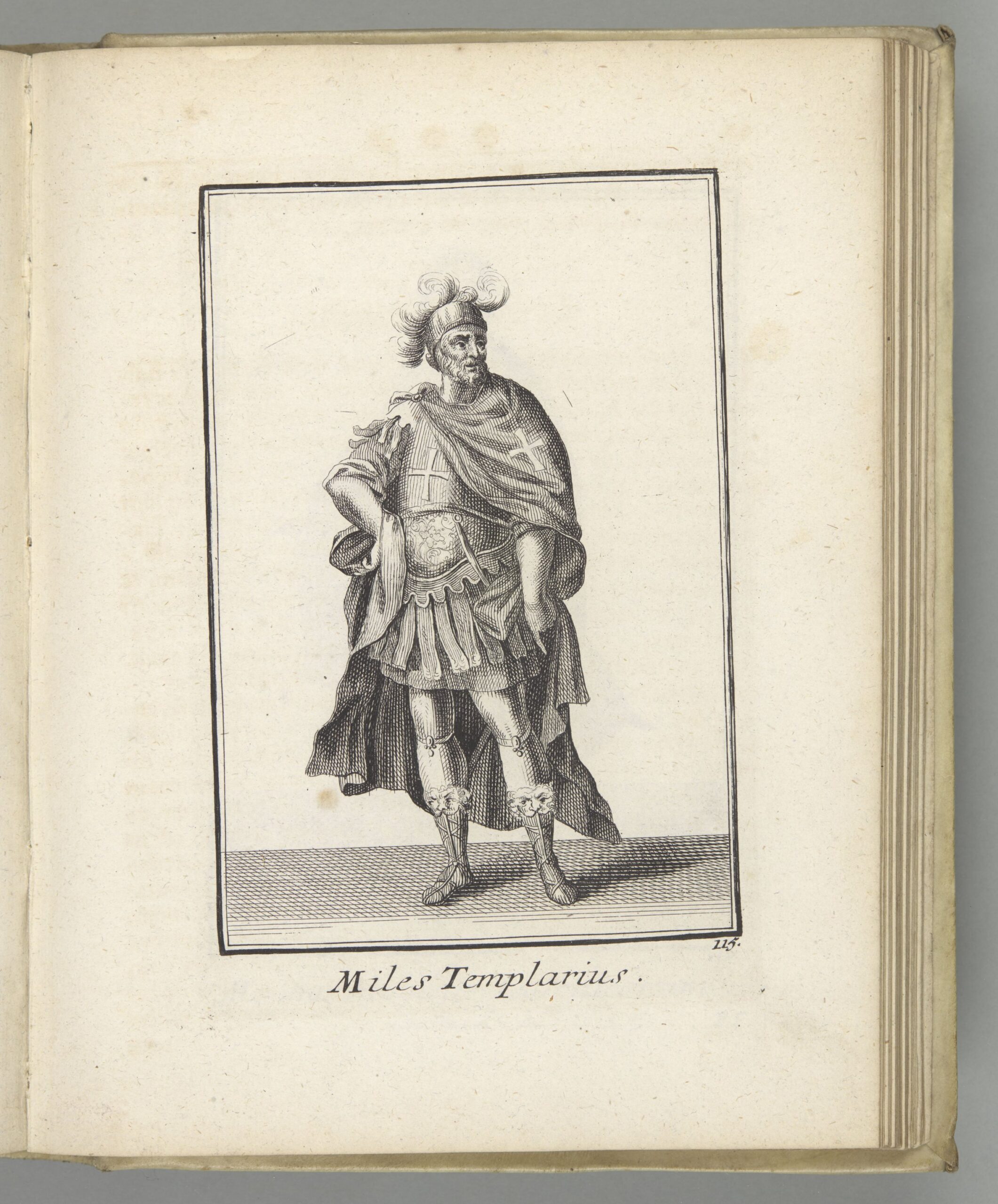
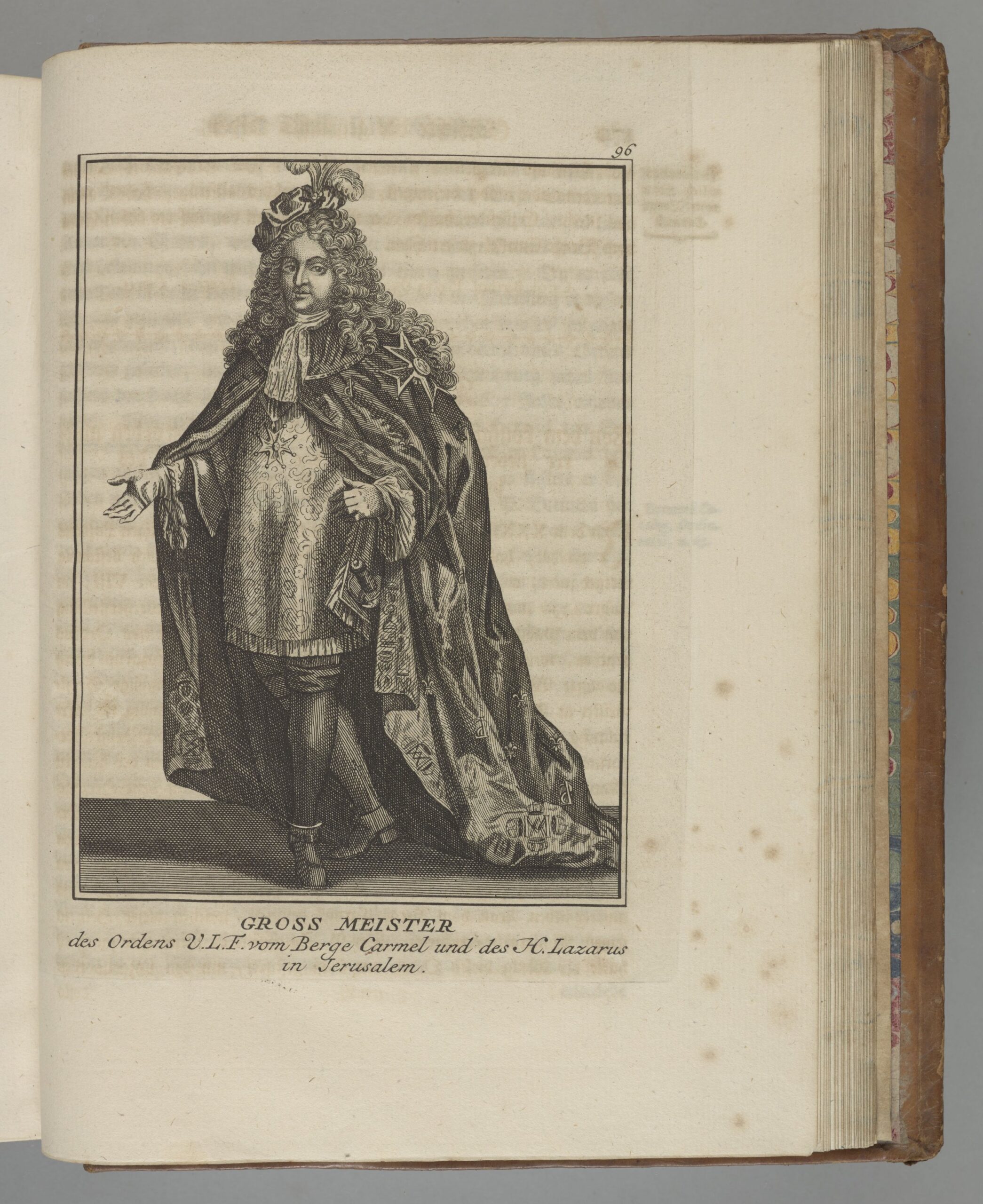
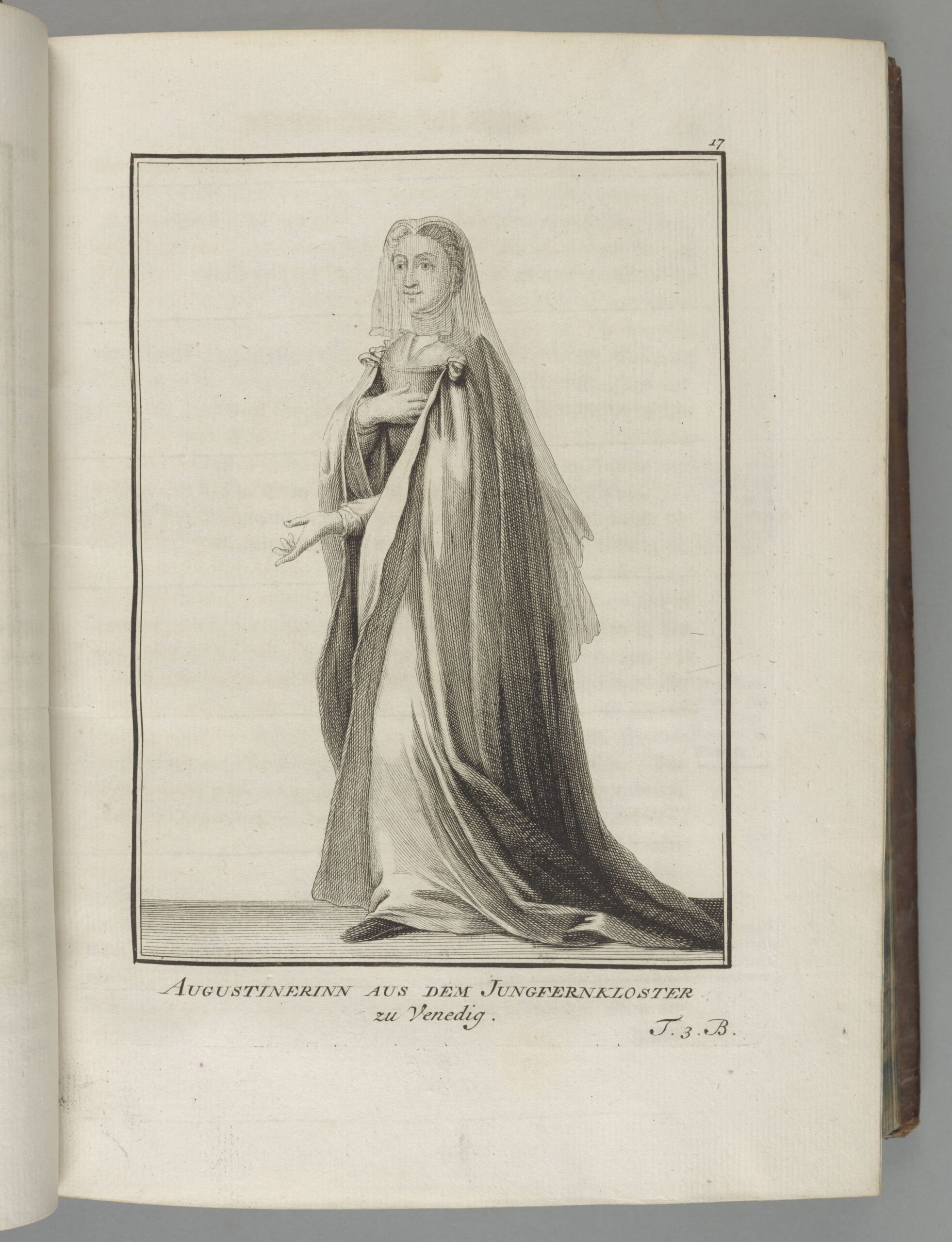
Examples of the attire of rulers, clergy of various denominations, the magnates and nobility, as well as the bourgeoisie and peasantry, can be found in old books: from sixteenth-century chronicles to accounts of travels around the world, which were common in the seventeenth and eighteenth centuries. Considerable attention was always paid to attire that differed from European dress. Travellers were also intrigued by the diverse styles of clothing within Europe itself – differences in attire across various countries were noted: at the time, people spoke of Italian, German or Polish dress, which led to the establishment of the concept of national costume. An example is the portrait of King Sigismund Augustus in Italian attire: a short coat and puffed knee-length trousers. Two 16th-century books – the Turkish Chronicles – present images of sultans in intricately wrapped turbans and the attire worn by Turkish cavalry units, which served as inspiration for the Polish kontusz. Polish magnates holding the highest offices and titles in the country did not differ in dress from kings: hetmans and voivodes were portrayed in ornate armour, chancellors in solemn long coats edged with fur, and those entitled to the title of prince: even in sable furs. The Polish nobility – according to their means – imitated this style of dress: the long kontusz worn over a zupan, fastened with silk sashes, high boots and a fur cap with a decorative crest featuring a plume of feathers became the standard Polish attire. Even if the dresses of noblewomen were not made of silk velvets, satins or damasks, they acquired a unique character thanks to embroidery and various decorative inserts. The kontusz stood in contrast to Western fashion: the short tailcoat with a waistcoat, short tight trousers with stockings, and powdered wigs on the heads.
Clergy of various faiths stood out for the marked distinctiveness of their attire – ranging from the vestments of the high priest Aaron, reconstructed by 15th-century Bible commentators and publishers, to the ceremonial robes of the Pope in his tiara, the robes of bishops, the highly varied monastic attire, to the black robes of religious reformers and the simple garments of Muslim clergy – imams and dervishes.
In Poland, Sejm resolutions – constitutions – set the permissible limits on the opulence of the bourgeoisie’s attire:
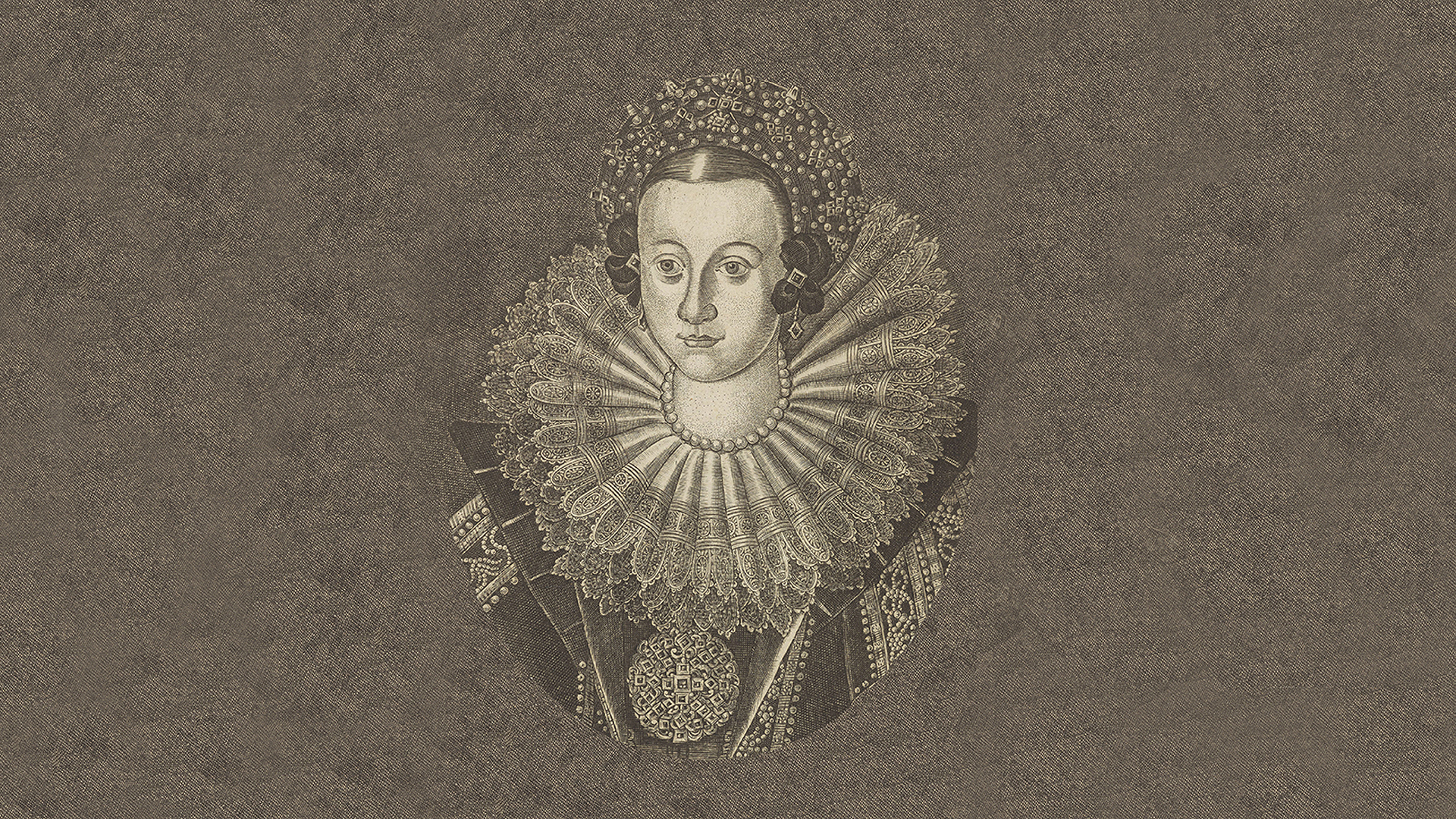
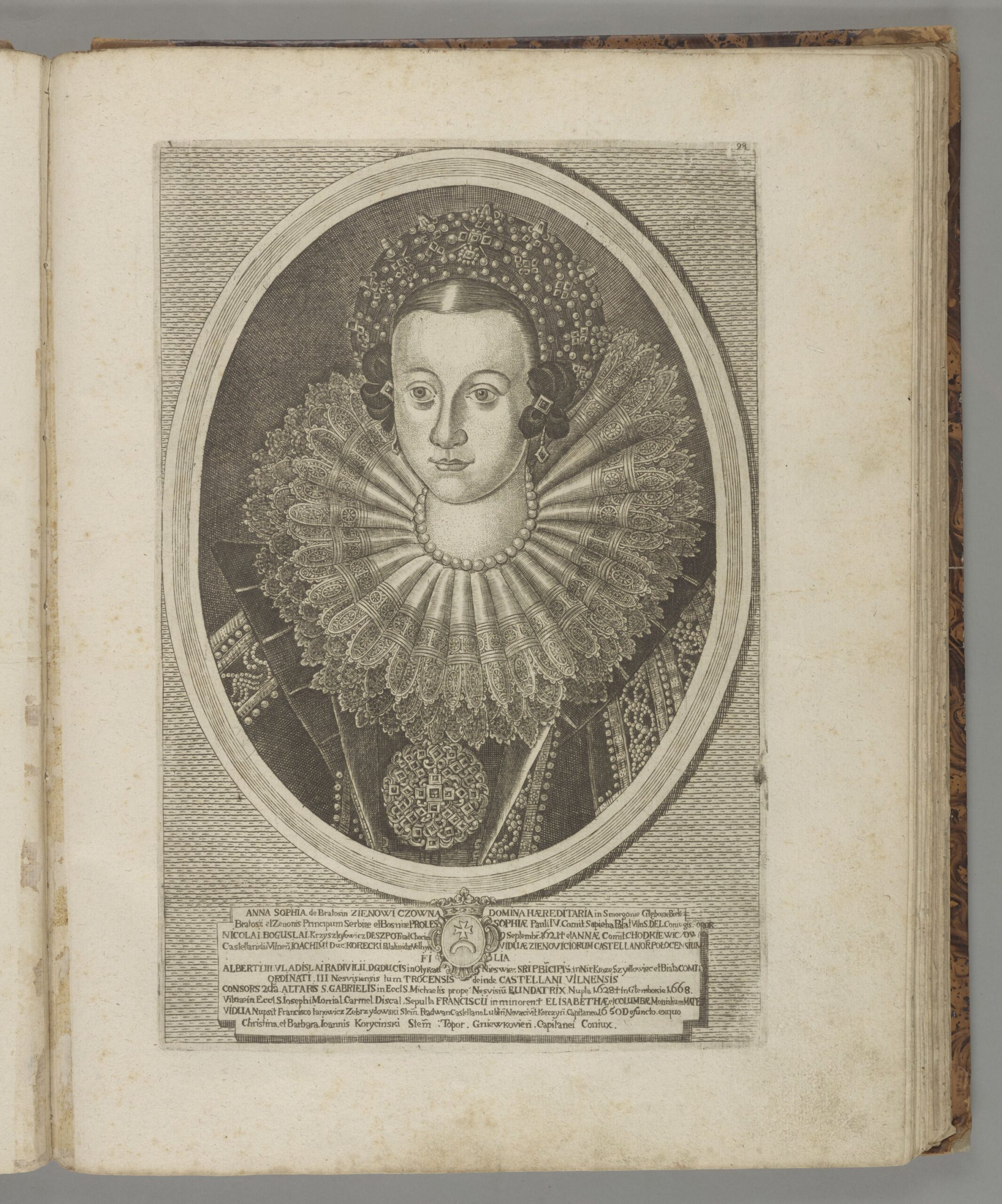
in 1613, townspeople were for the first time forbidden to wear silk robes and expensive furs, as well as shoes made from costly, vividly coloured morocco leather; later, the wearing of jewels, expensive dresses and silk sashes was also prohibited. From the mid-16th century onwards, magistrates in the largest cities of the Polish-Lithuanian Commonwealth also issued regulations restricting the use of extravagant clothing. Hence, portraits of even very wealthy burghers – such as Johannes Hevelius – depict them in dignified black, with a protruding white collar or shirt ruff. In the 18th century, peculiarities of the common people’s attire were recorded in various parts of Europe, laying the foundations for a catalogue of regional costumes.
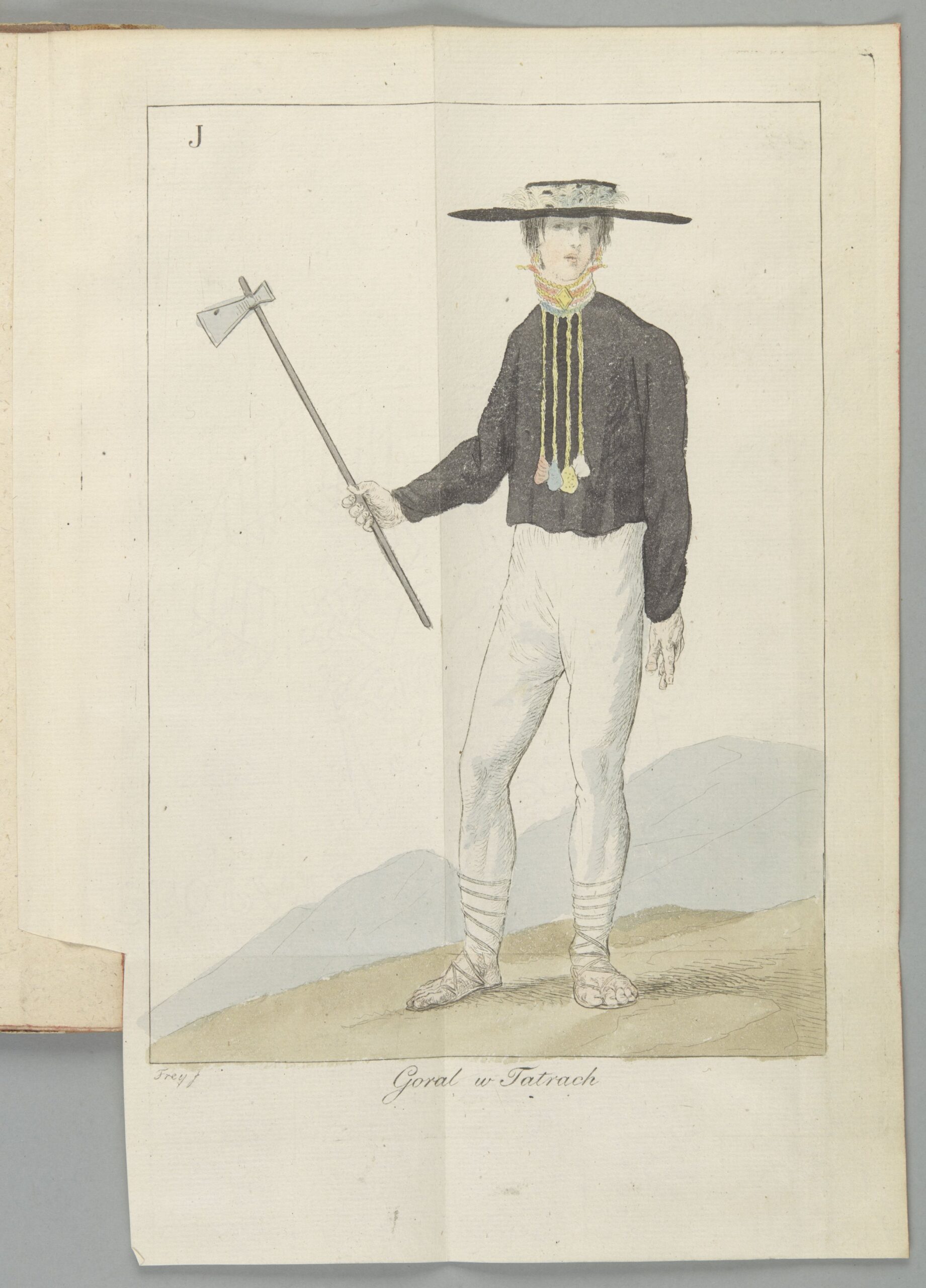
![Tatar Nogajski; z: Balthasar Hacquet, Neueste physikalisch=politische Reisen in den Jahren 1788. 89 und 90. durch die Dacischen und Sarmatischen […] Nürnberg, 1791.](https://new.mnk.pl/wp-content/uploads/2026/03/08-xviii-002705-2-005_original-scaled.jpg)
![Wódz wyspy św. Katarzyny (Tahuata); z: Jean François de La Harpe, Abrégé De L’Histoire Générale Des Voyages […] Paris, 1786](https://new.mnk.pl/wp-content/uploads/2026/03/08-xviii-002767-21-004_original-scaled.jpg)