




Discover the most important works
Discover the most important works from the collection of the National Museum in Krakow. Discover their fascinating history.
You can buy tickets for exhibitions and events online
Ticket prices:
Renting:
Monday: closed
Tuesday: 10.00 AM – 6.00 PM
Wednesday-Sunday: 10:00 AM – 4:00 PM
Last visitors are admitted to the gallery and exhibition no later than 20 minutes before closing time. The ticket office, gift shop, and cloakroom are open until closing time.
Public transport access
Facilities available at MNK Matejko: audio description, sensory basket, defibrillator, cloakroom, changing table.
The branch is not accessible to wheelchair users.
There is a defibrillator in the branch.
 MNK Main Building
MNK Main Building
MNK Main Building
 MNK Szołayscy
Discover the most important works from the collection of the National Museum in Krakow. Discover their fascinating history.
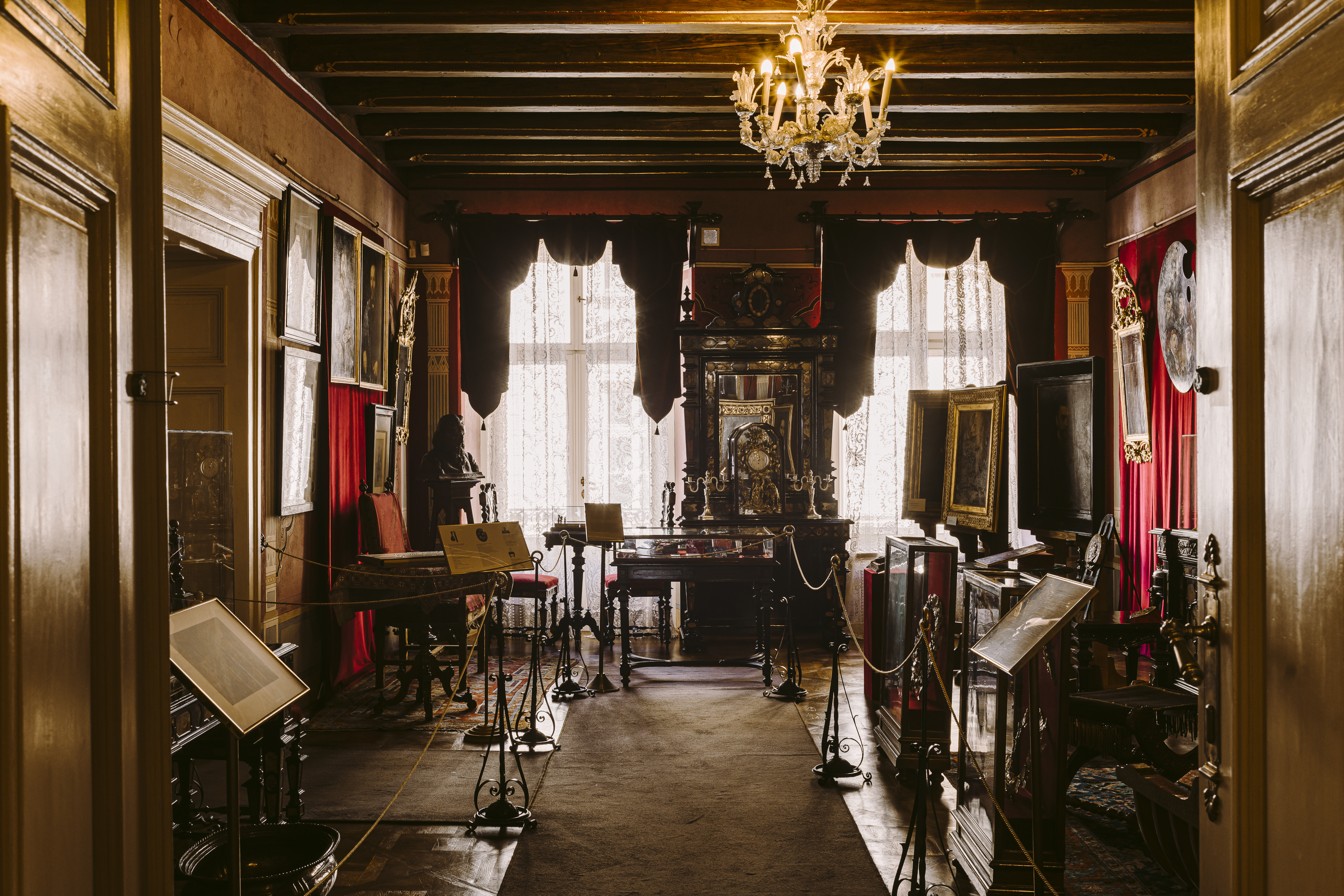
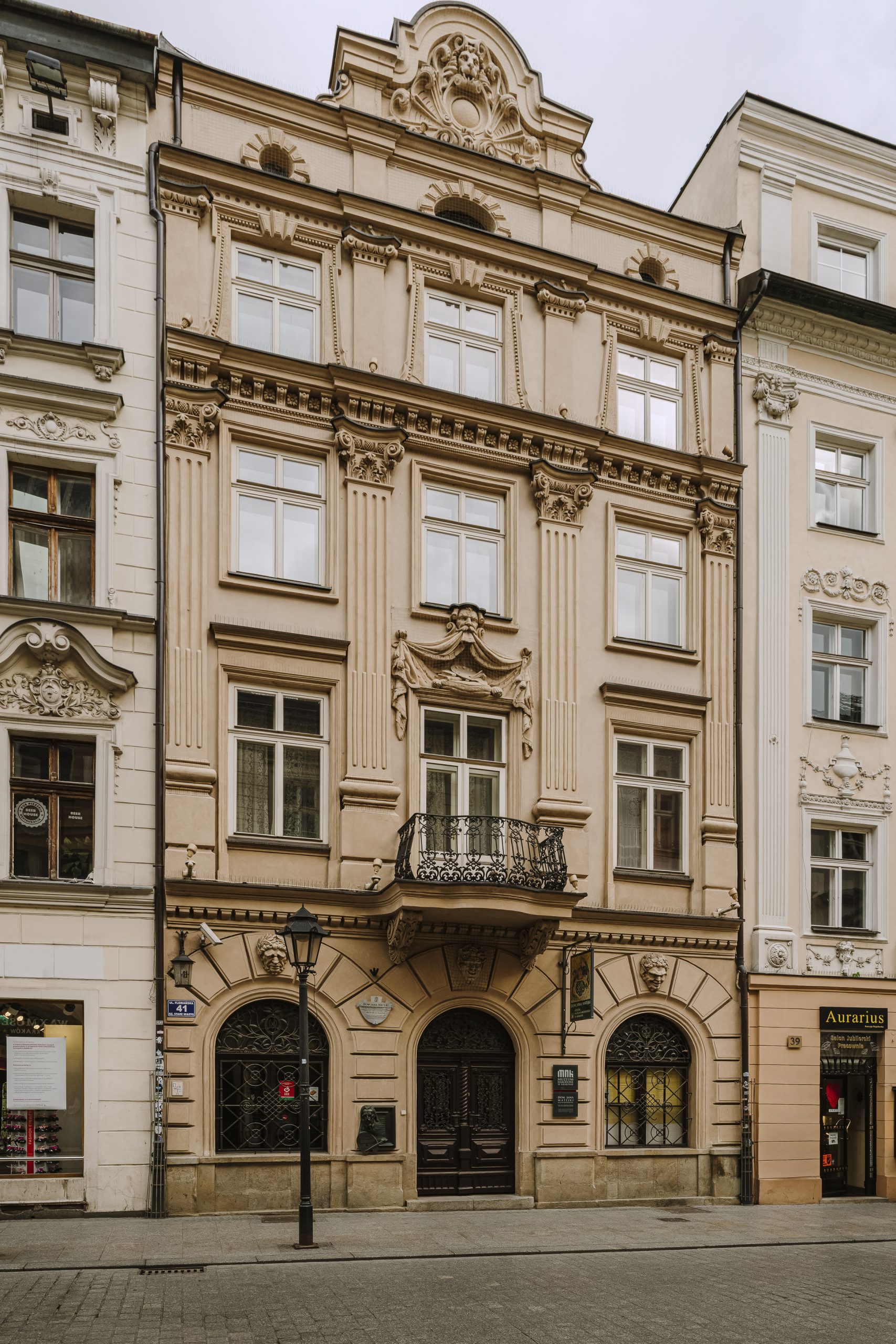
The permanent exhibition is located in the family home of Jan Matejko (1838-1893), the greatest Polish painter of the historicism movement, a collector, and a lover of antiques and the history of Kraków. The old Krakow tenement house is the place where Jan Matejko was born, lived with his family, created and died.
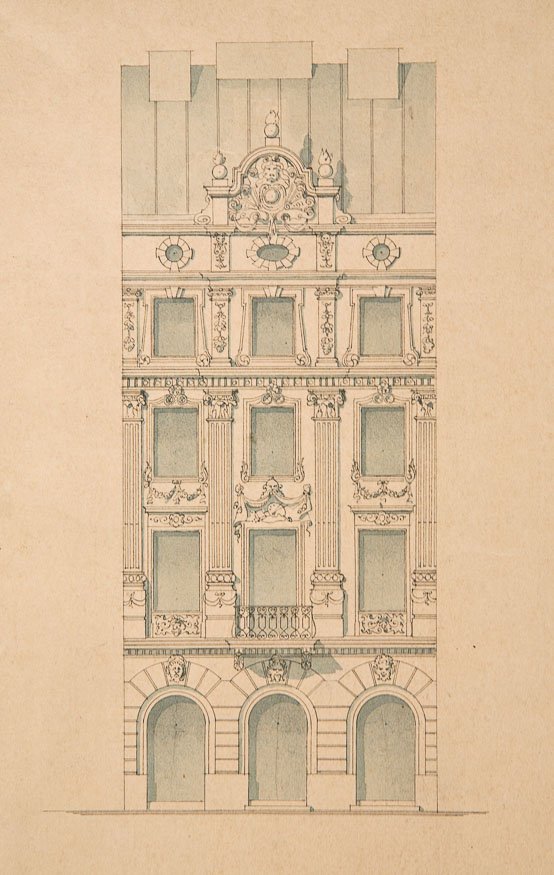
Floriańska Street in Krakow is one of the fragments of the so-called Royal Road, running from the Wawel Castle to the north of the country. Due to the importance of this route, the development of the street already existed in the Middle Ages. The tenement house at Floriańska 41 was built in the 16th century and was rebuilt several times. The building took its final form in the 1870s, designed by architect Tomasz Pryliński in collaboration with Jan Matejko, the owner of the house, who was then a well-known painter, associated with the historicism movement and the Kraków School of Fine Arts (later the Academy of Fine Arts in Kraków).
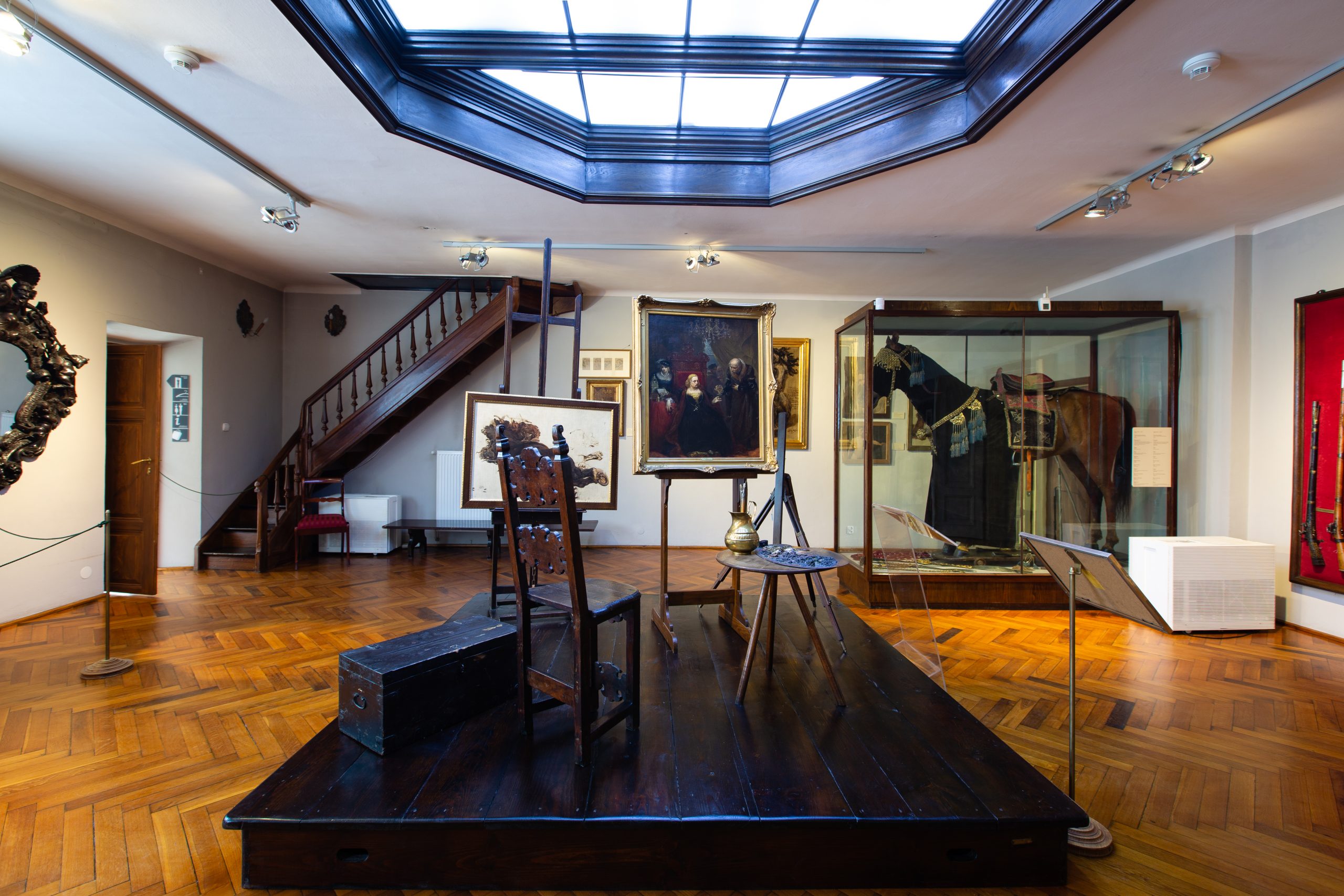
Jan Matejko was born, lived and died in the family home at Floriańska Street. The walls of the tenement house witnessed his work, family life and social activity, in particular related to the research and protection of historical heritage. Among the vast collection of memorabilia left by the artist, there is a collection of antiquities from various periods and graphic documentation of historical sites and objects, often treated by the painter as sketches for large-format canvases, including those currently displayed in the Gallery of 19th-Century Polish Art at the Sukiennice.
Following the artist’s death, the Society bearing his name was established, aiming to honour the renowned painter by founding a biographical museum dedicated to him. With great effort, exhibits related to the figure of Jan Matejko and his family were gathered through purchases and donations in a house bought from the family, and were first presented to the public in 1898, just five years after the painter’s death. In 1904, the Jan Matejko Society transferred the biographical museum, which it created, under the administration of the National Museum in Krakow. Today, the collection of the Jan Matejko House comprises about 6,000 exhibits.
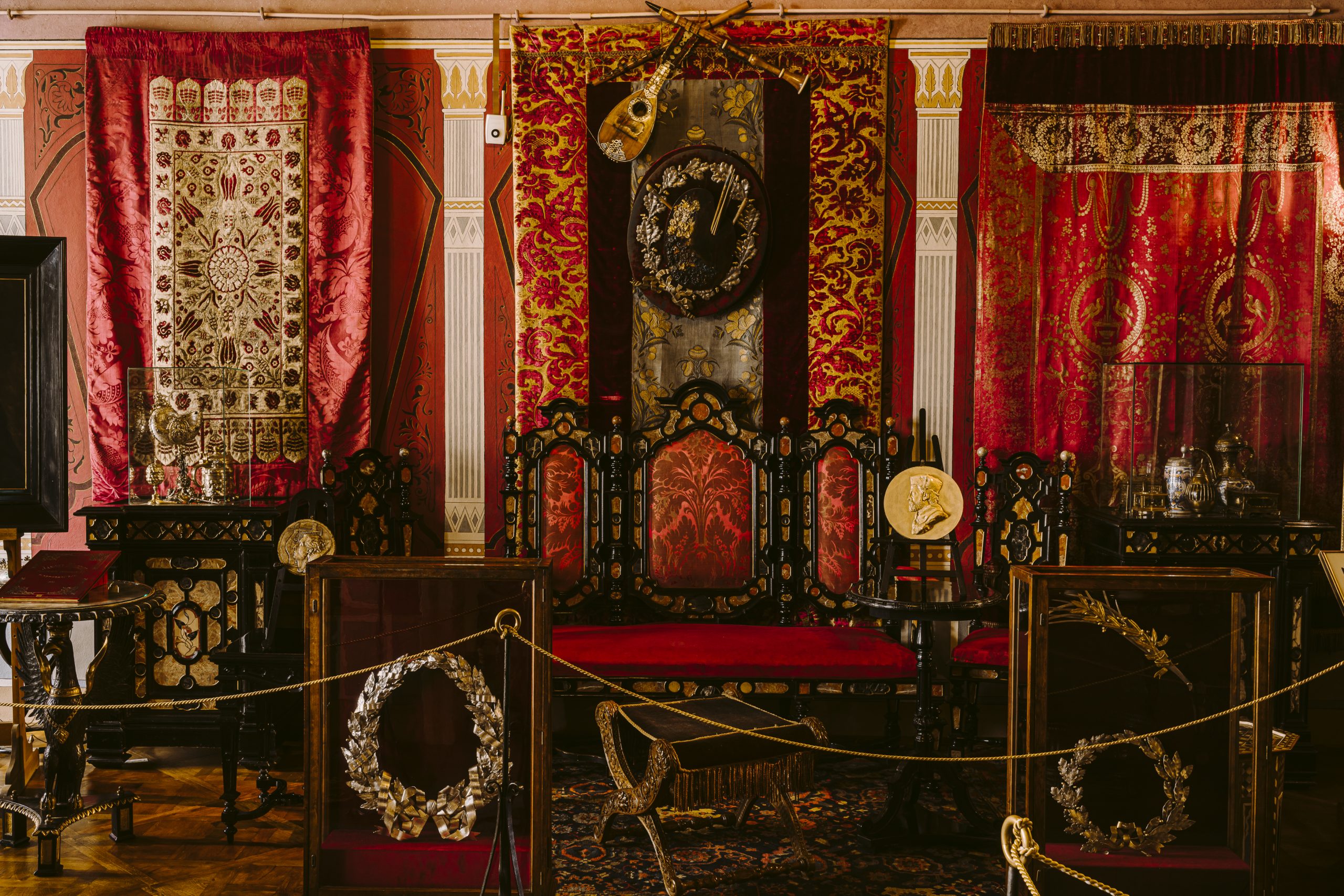
They contain objects of everyday use and memorabilia of the artist and his family: wife Teodora Matejkowa née Giebułtowska (1846-1896), children: Tadeusz (1865-1911), Helena Unierzyskia (1867-1932), Beata Kirchmayerowa (1869-1926), Jerzy (1873-1927) and Regina (1878-1878). The collections include letters, official documents, jubilee memorabilia, tributes, and, above all, oil and drawing works, objects from the artist’s collection that Matejko gathered throughout his life, works by other artists, family photographs and photographs of the master’s paintings taken in the 19th century, as well as his collection of books and sheet music.
MNK The Matejko popularises unknown aspects of the artist’s life and work, as well as his rich collections of crafts, textiles and military equipment. This is done through: permanent exhibition, temporary exhibitions in the department and interdisciplinary cooperation with museum centres in Poland and abroad.
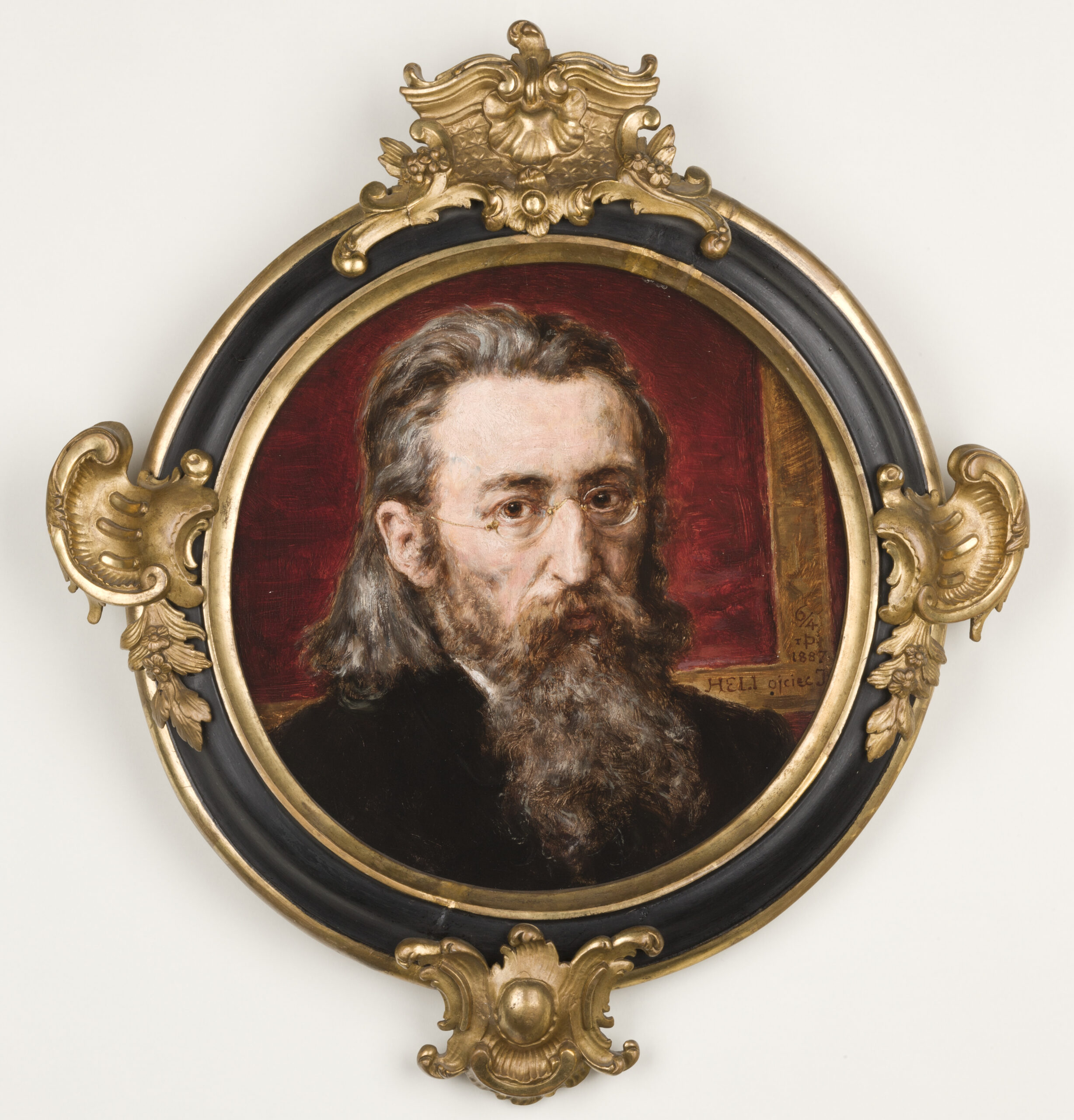
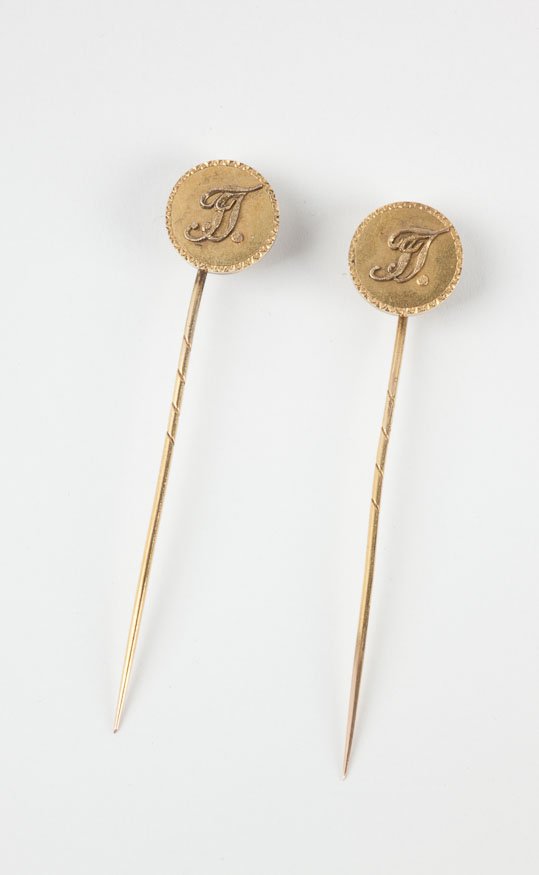
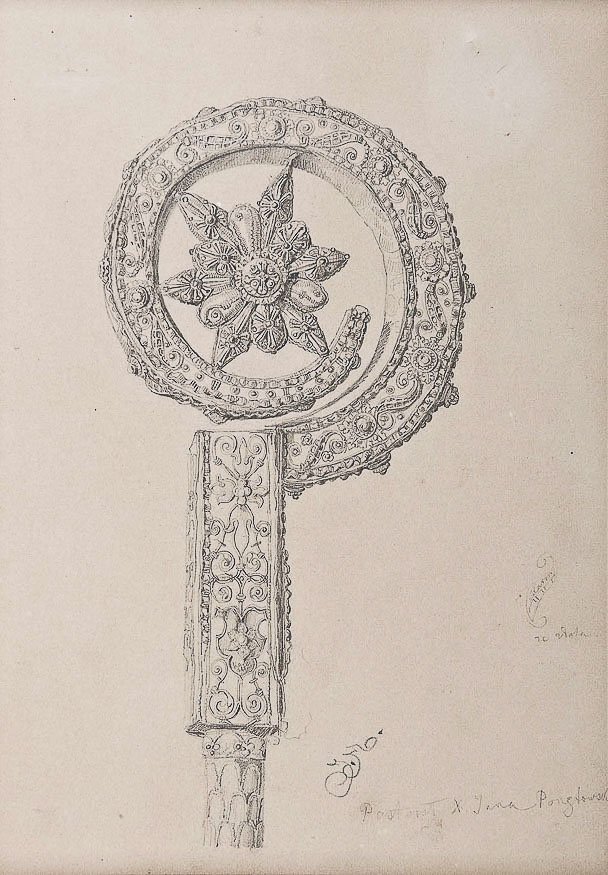
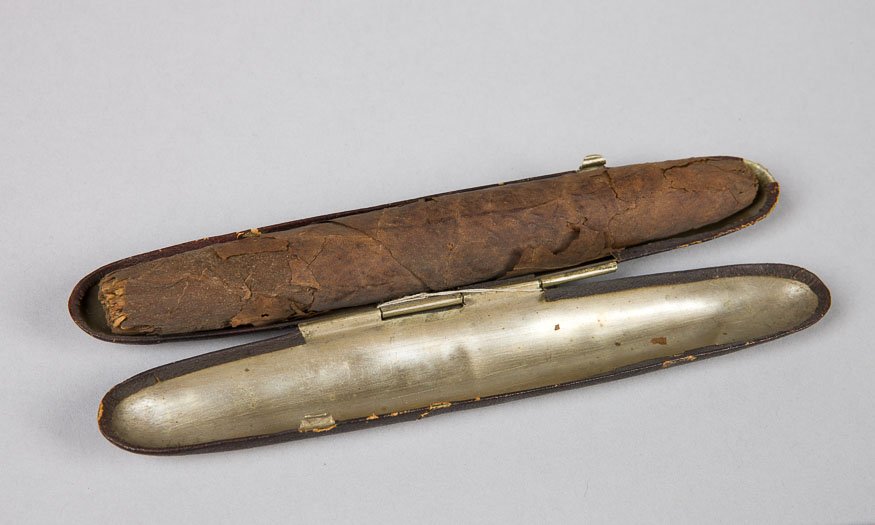
The collections of Jan Matejko contain exhibits related to the artist and his work. For the most part, it is a collection of decorative art, textiles, weapons, and ethnographic collections that the artist has accumulated throughout his life.


ul. Floriańska 41, 31-019 Kraków
Switchboard
Ticket office























Discover our suggestions for exploring the museum’s branches. See the most important works in a single day, discover the lives of the greatest artists, or discover unusual works from bygone eras.
Ścieżka zwiedzania prowadzi przez trzy oddziały Muzeum Narodowego w Krakowie – Pałacu Książąt Czartoryskich, Arsenału oraz Domu Jana Matejki – ukazując, w jaki sposób sztuka przez stulecia budowała obraz państwa i pamięci narodowej.
He was a painter, graphic artist and designer; he explored new avenues in literature and experimented in theatre. You’ll find traces of Stanisław Wyspiański all over Kraków, as the artist had a direct influence on the way we see the city.



 See directions