




Discover the most important works
Discover the most important works from the collection of the National Museum in Krakow. Discover their fascinating history.
You can buy tickets for exhibitions and events online
Ticket prices:
Reservations are accepted by the Information and Reservation Center
tel. +48 12 433 57 44
e-mail: rezerwacja@mnk.pl
Monday: closed
Tuesday: 10.00 AM – 6.00 PM
Wednesday-Sunday: 10:00 AM – 4:00 PM
Last visitors are admitted to the gallery and exhibition no later than 20 minutes before closing time. The ticket office, gift shop, and cloakroom are open until closing time.
Public transport access
Facilities available at MNK Mehoffer: audio description, sensory basket, café, garden, shop, cloakroom.
The building is not adapted to the needs of people with mobility impairments, but it is possible to access the ground floor (by climbing a few steps), where the parlour and gift shop are located, as well as the garden (via a ramp). No toilet available.
 MNK Main Building
MNK Main Building
MNK Main Building
 MNK Szołayscy
Discover the most important works from the collection of the National Museum in Krakow. Discover their fascinating history.
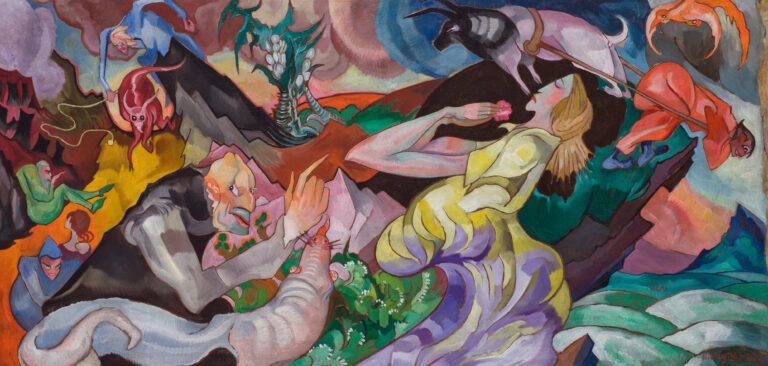
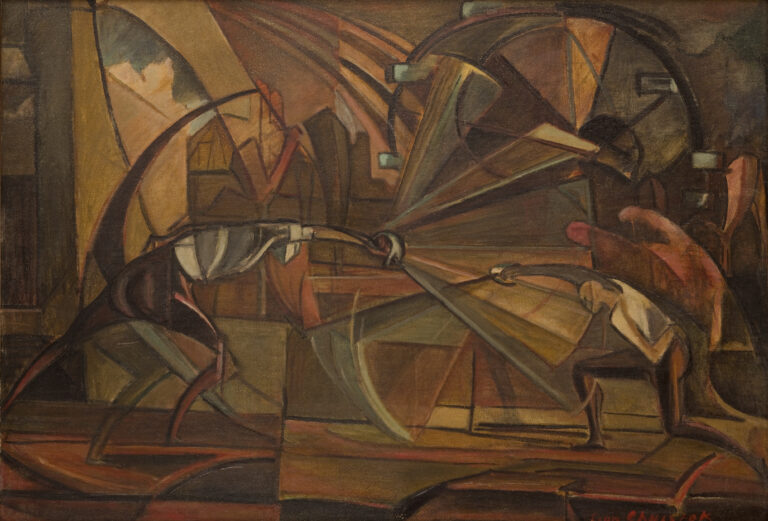
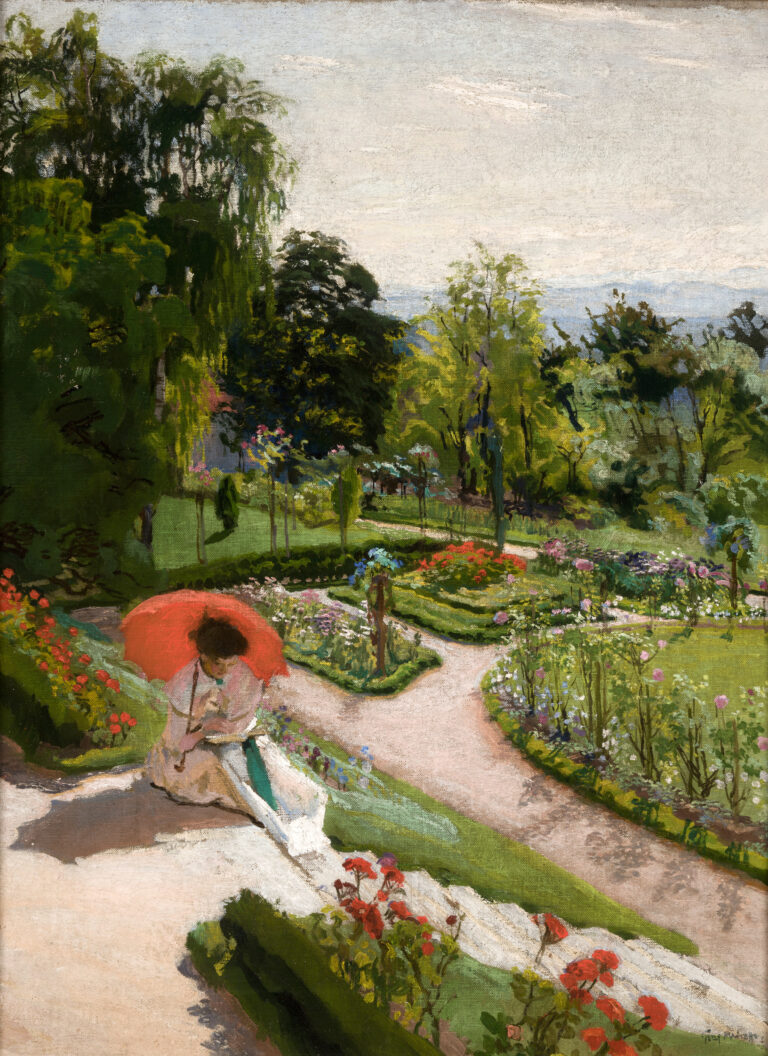
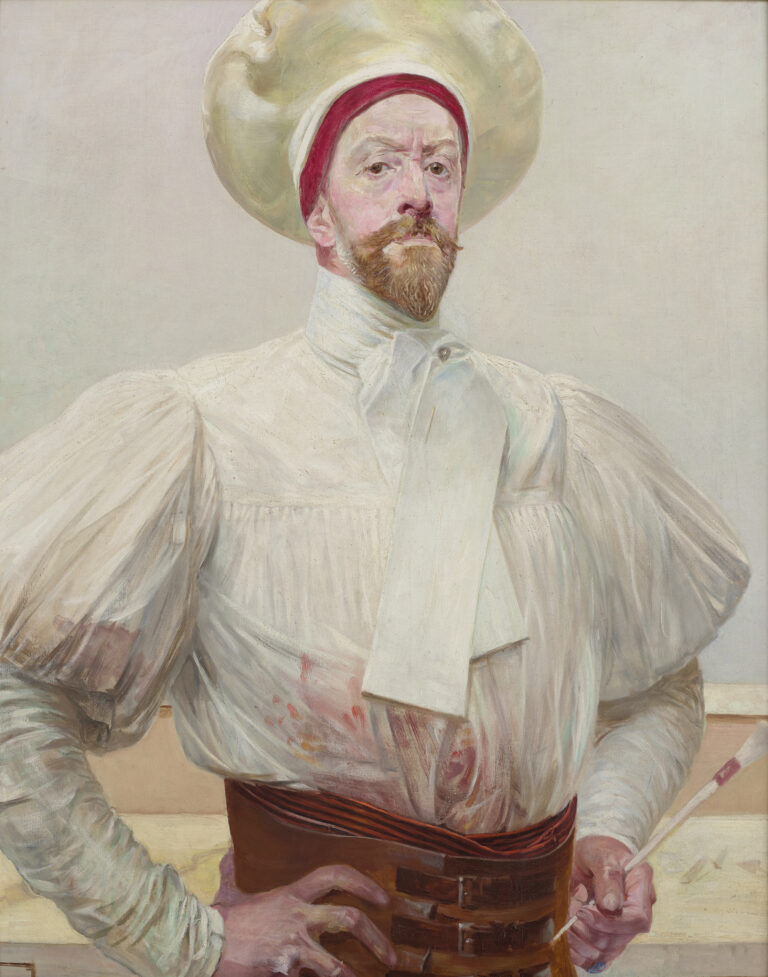
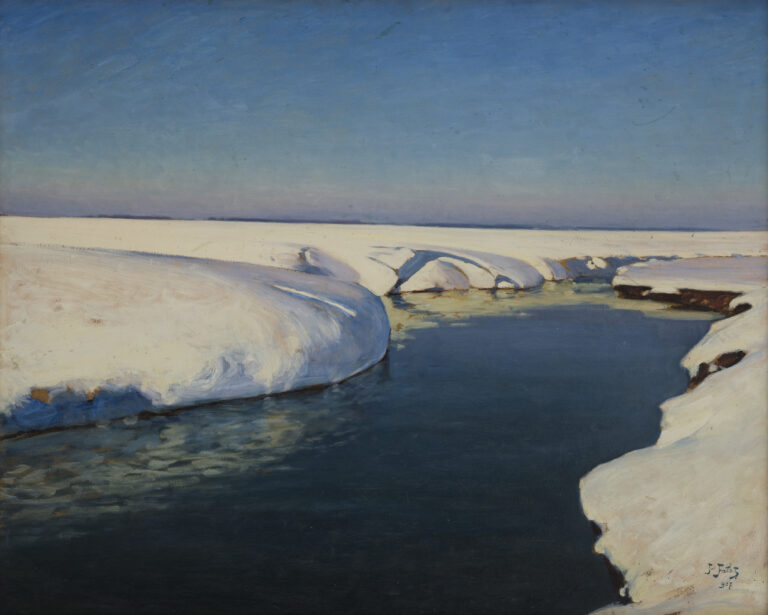
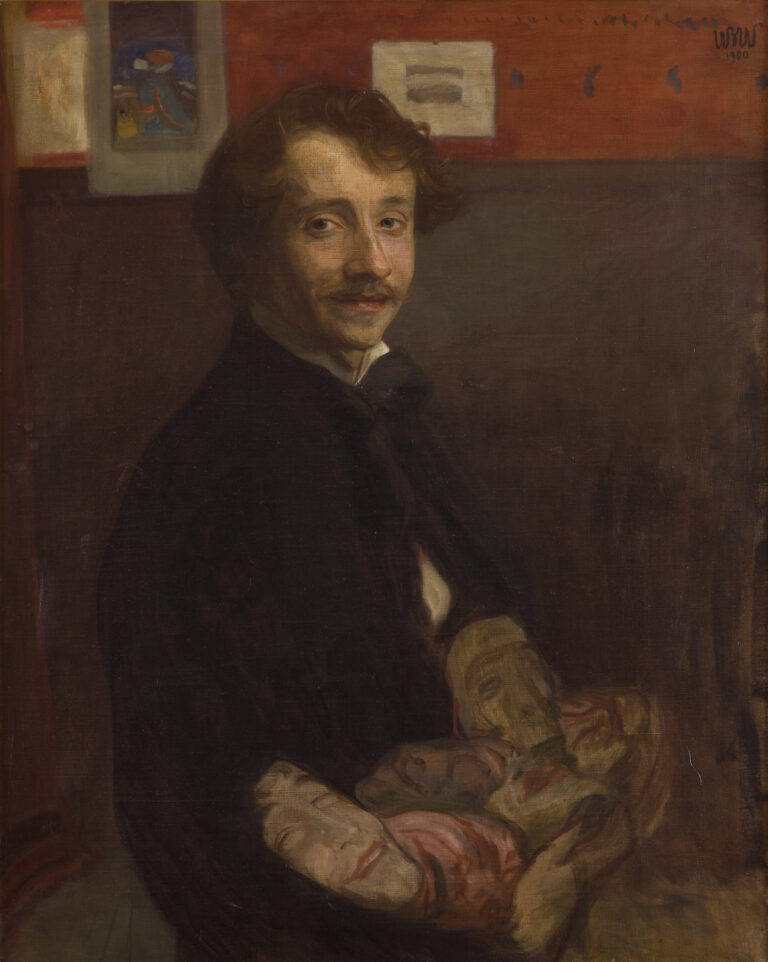
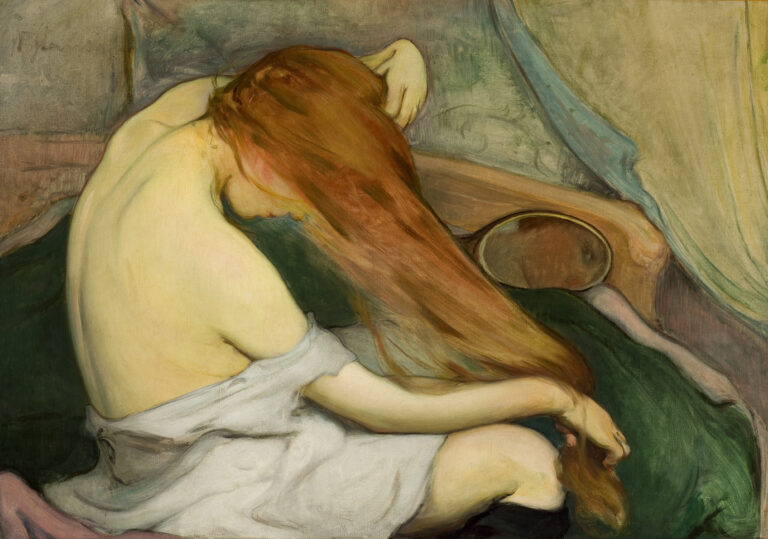
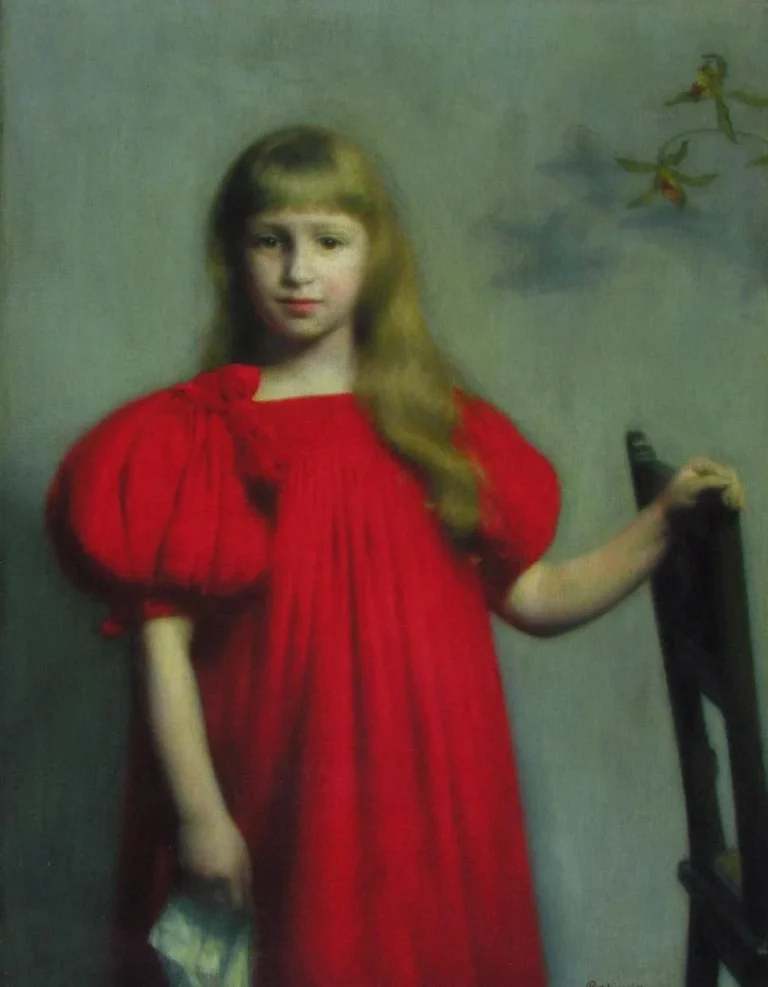
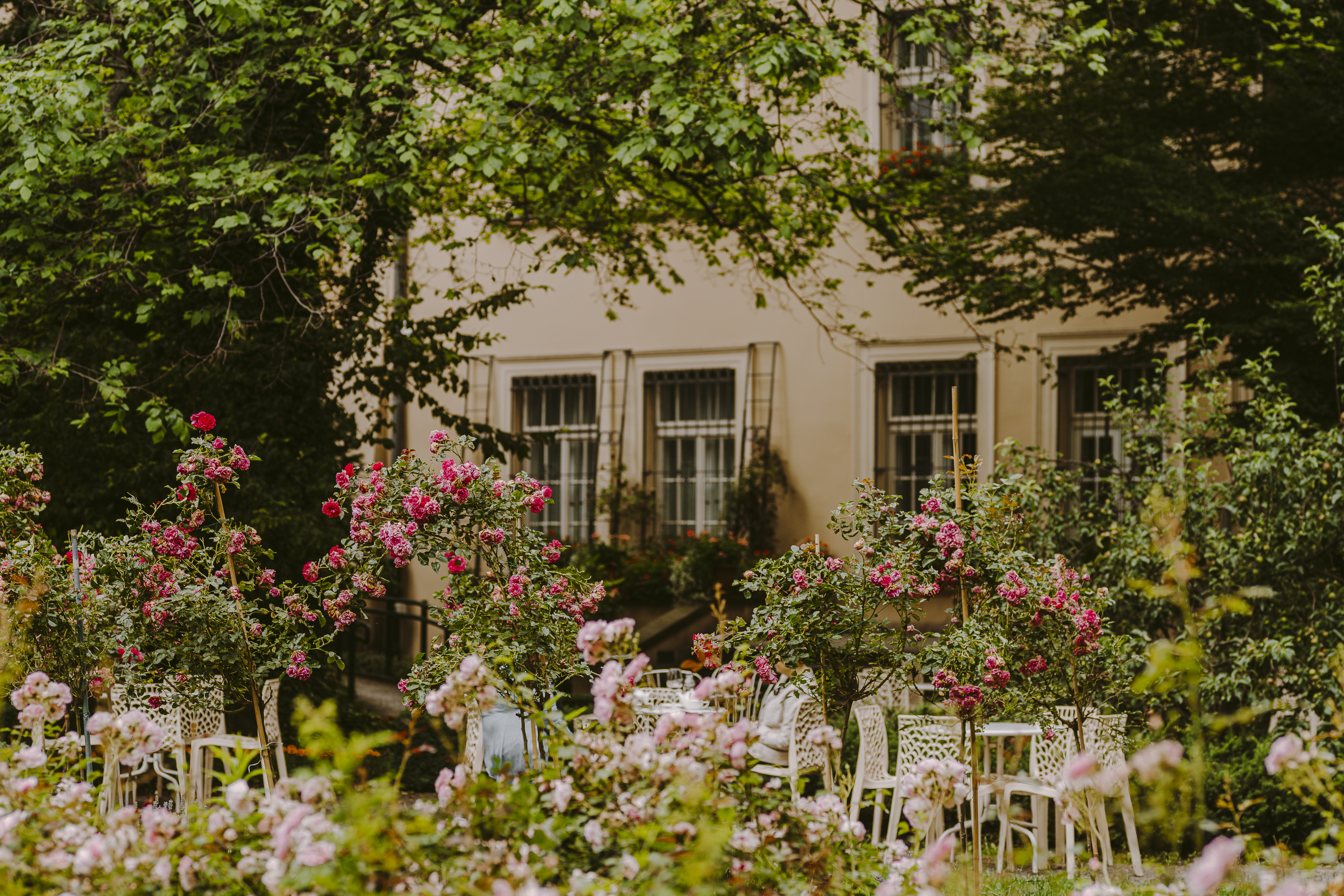
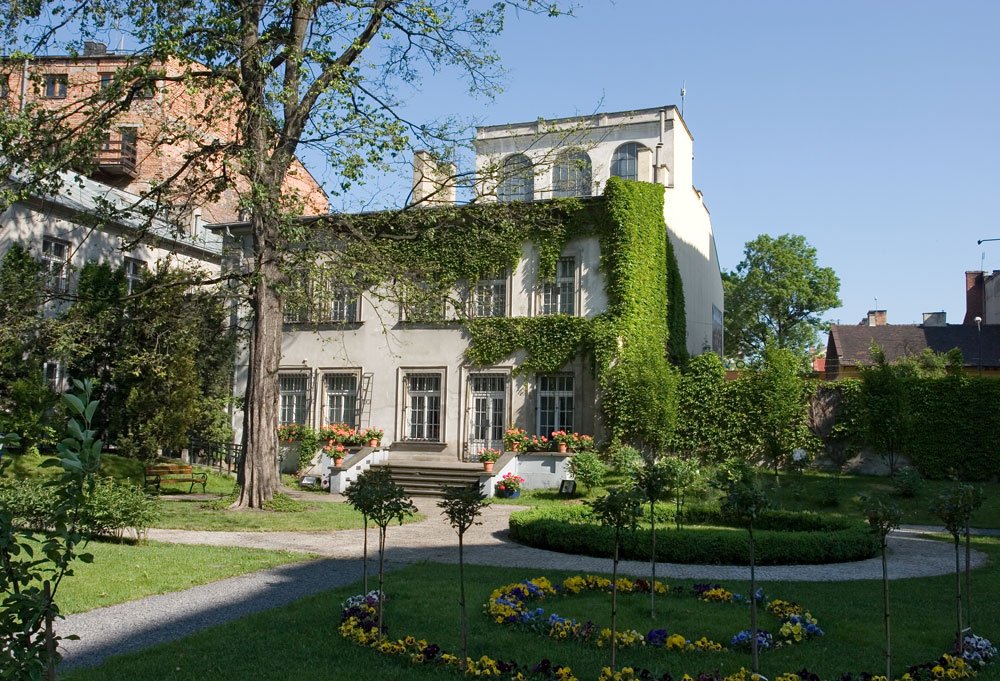
This small building with an intimate garden played a large role in Polish art history. In 1869, Stanisław Wyspiański (1869–1907), an artist, poet and playwright, was born here. In 1932, the building was bought by his peer, Józef Mehoffer (1869–1946), then a painter and stained glass designer of merit for culture, rector of the Academy of Fine Arts. On the initiative of the artist’s son, Zbigniew, and his grandson, Ryszard, the building and family memorabilia were handed over to the National Museum in Krakow. Mehoffer’s biographical museum has been operating since 1996.
The brick building at 26 Krupnicza Street was constructed in the 1850s. It belonged to the Rogowski family, the grandparents of Stanisław Wyspiański. The artist was born there in 1869. Later, the building was owned by Józef Szujski—a historian, publicist, poet, and prose writer—who oversaw its reconstruction based on a design by Antoni Łuszczkiewicz and the Tarnowski family.
In 1932, the building was bought by Józef Mehoffer (1869–1946) and his wife Janina (1871–1956). The new residents carried out the last reconstruction of the house, calling it the “palace under the cones” from the decorative wooden pinecones decorating the staircase. The décor also came to include woodcarved elements, replicas of stone keystones from Wawel Cathedral, and decorative coffers of skylights.
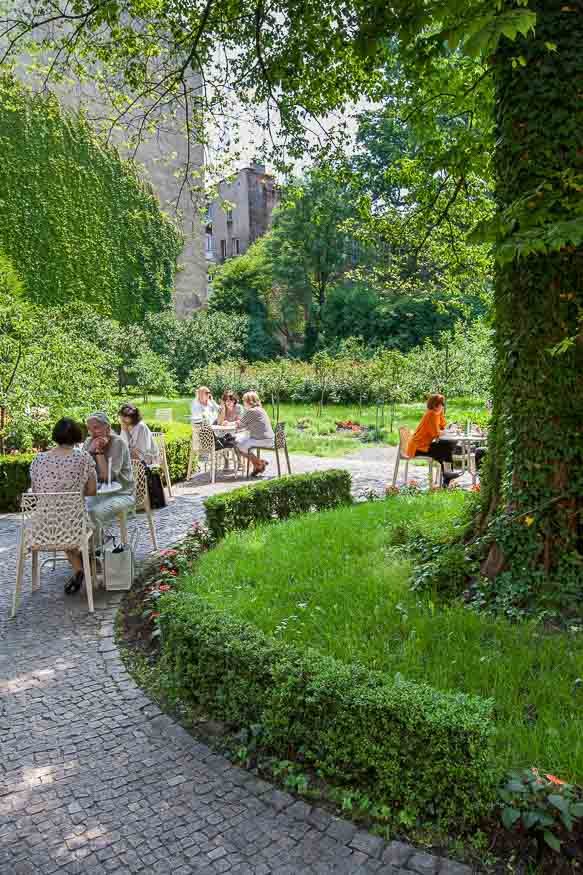
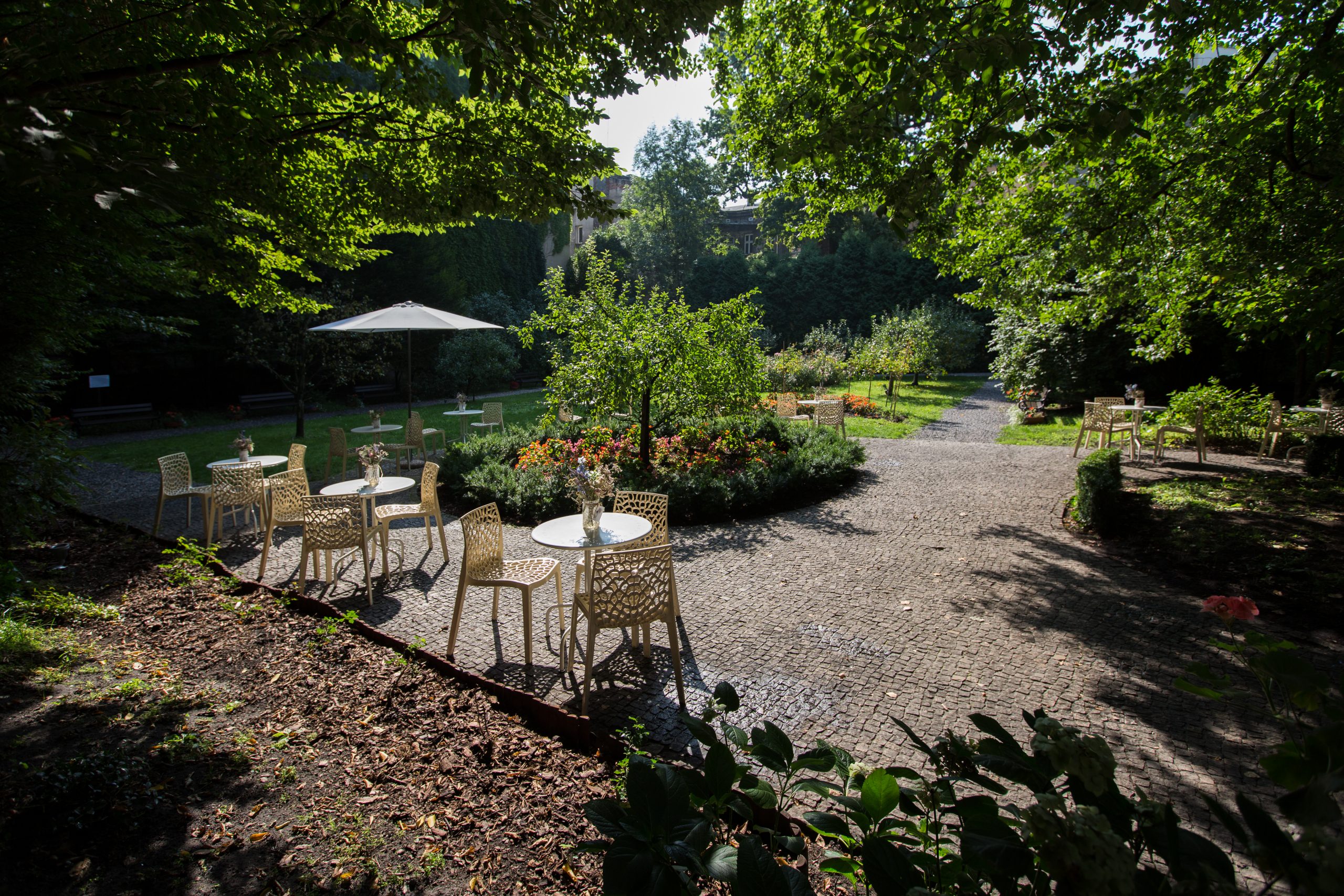
The initiative to create the artist’s biographical museum came from his son, Zbigniew, and grandson, Ryszard. The process of transforming the building into a museum took two decades, between 1986 and 1996. An important stage of adaptation was the arrangement of a garden, modelled on the documentation of two Mehoffer gardens: in Krakow and in Jankówka near Wieliczka. The garden was opened to the public in 2004.
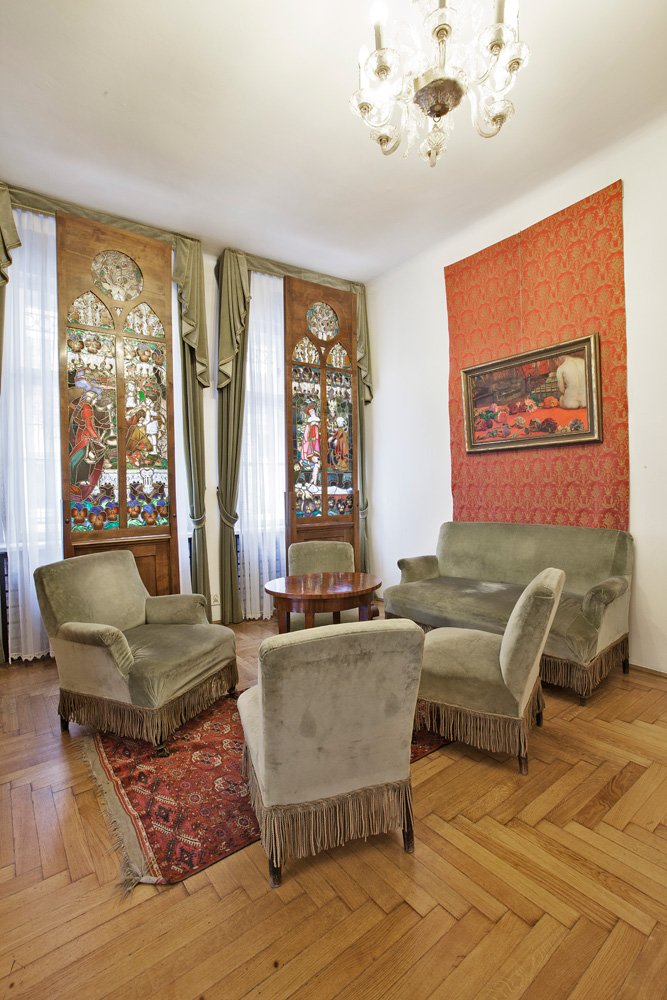
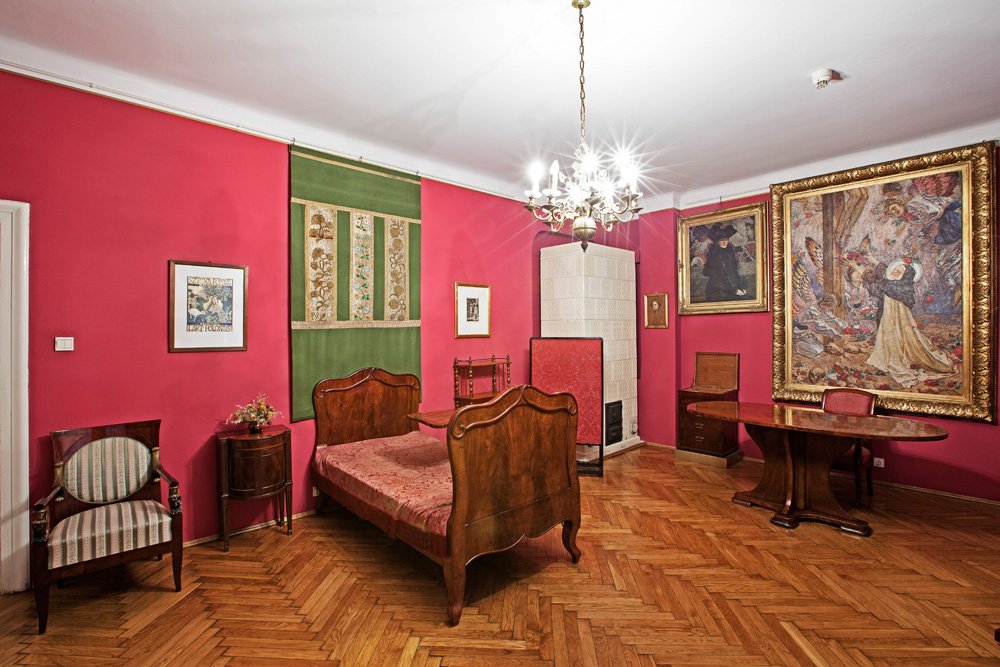
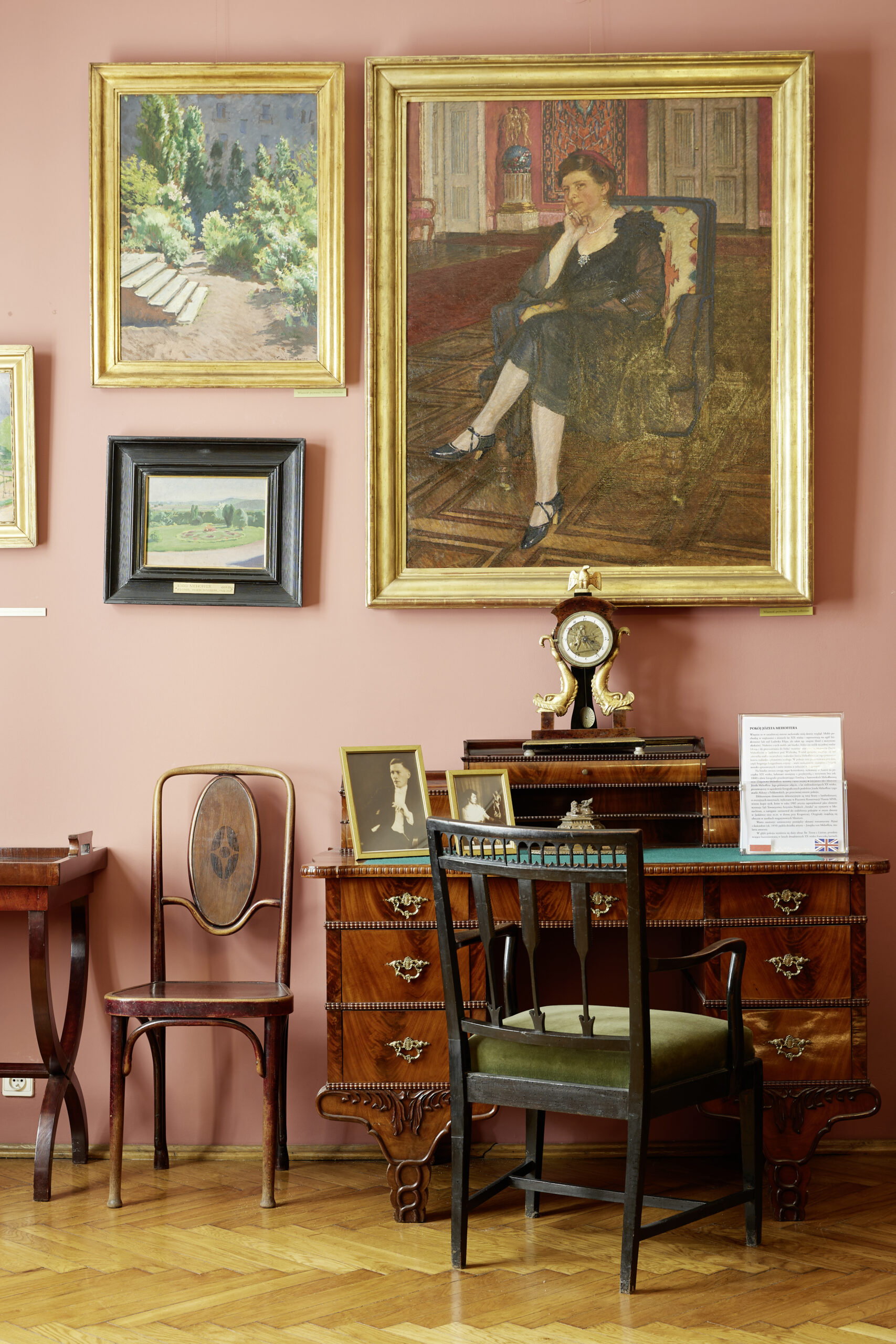
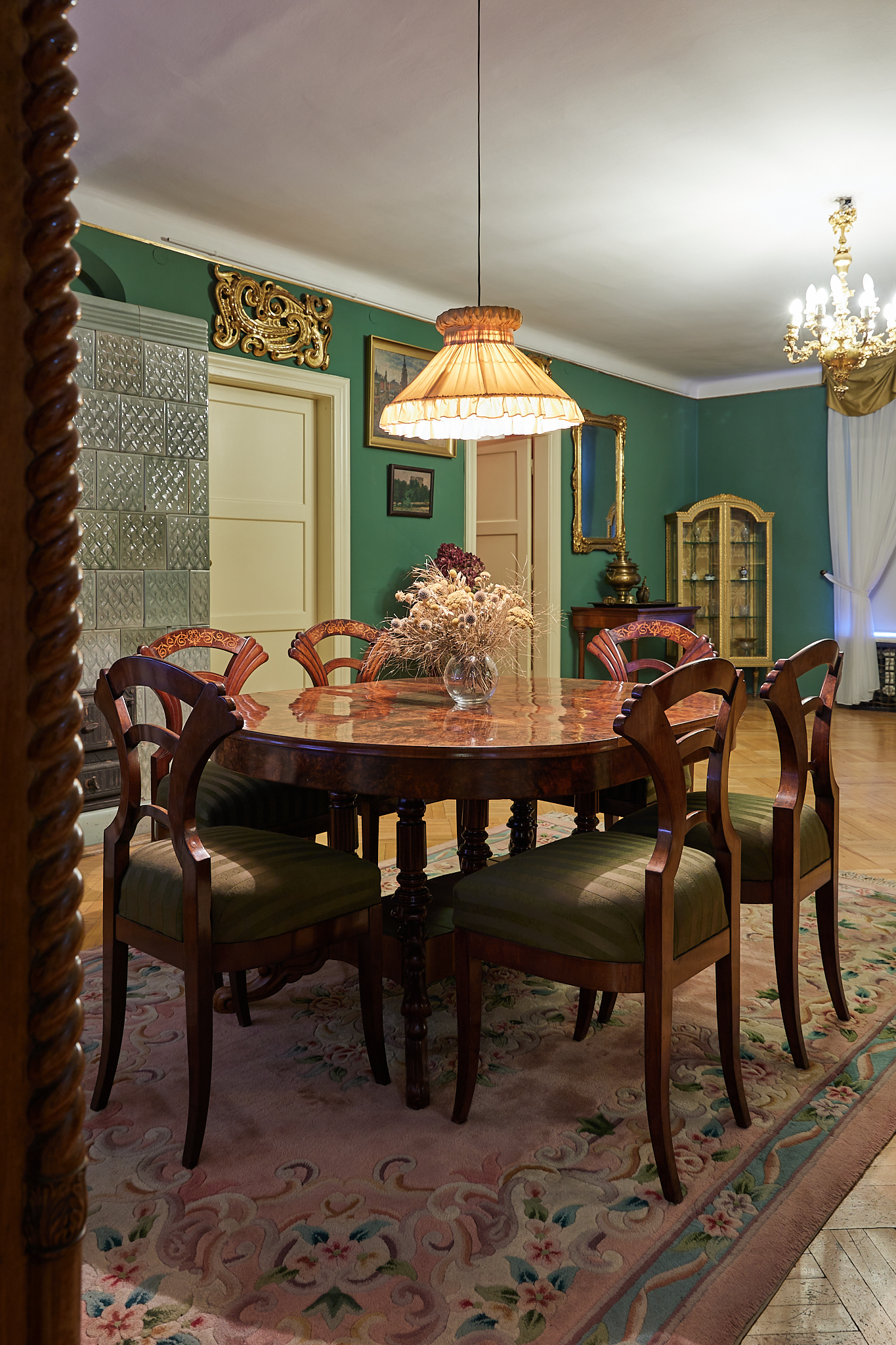
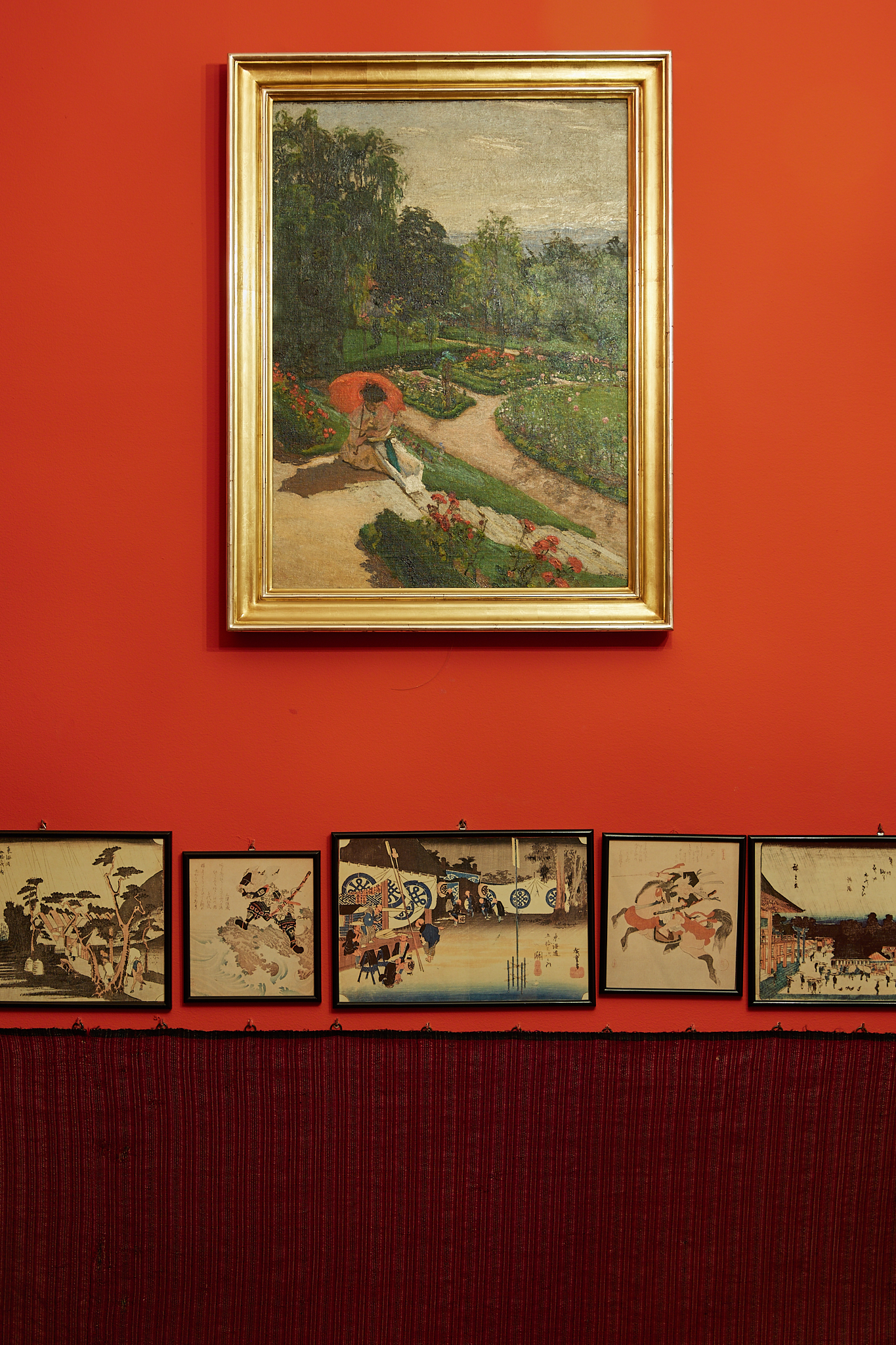
The layout of the museum’s interiors is a reconstruction of how the rooms looked when they were used by the painter and his family. The decor of the Mehoffer house combines the features of a traditional Polish house with consciously and artistically applied historical elements and the aesthetic features of the 1930s. On the ground floor, there is a large dining room and a living room with an exit to the terrace from the garden, while on the upper floor there are more intimate rooms: bedrooms and offices, along with a “Japanese” room, where a collection of graphics and oriental souvenirs brought to Krakow by Jadwiga Mehofferowa is shown.
An important step toward securing the Mehoffer collection was the National Museum in Krakow’s purchase, in December 2023, of 17 of Mehoffer’s stained glass cartoons for St. Nicholas Church in Fribourg — a complete set of designs created by the artist between 1895 and 1936, considered his life’s work. These large-scale works by Mehoffer can be viewed in the Gallery of 20th- and 21st-Century Art at the Main Building of the National Museum in Krakow.

ul. Krupnicza 26, 31-123 Kraków























Discover our suggestions for exploring the museum’s branches. See the most important works in a single day, discover the lives of the greatest artists, or discover unusual works from bygone eras.
Ścieżka zwiedzania prowadzi przez trzy oddziały Muzeum Narodowego w Krakowie – Pałacu Książąt Czartoryskich, Arsenału oraz Domu Jana Matejki – ukazując, w jaki sposób sztuka przez stulecia budowała obraz państwa i pamięci narodowej.
He was a painter, graphic artist and designer; he explored new avenues in literature and experimented in theatre. You’ll find traces of Stanisław Wyspiański all over Kraków, as the artist had a direct influence on the way we see the city.


 See directions