




Discover the most important works
Discover the most important works from the collection of the National Museum in Krakow. Discover their fascinating history.
You can buy tickets for exhibitions and events online
Ticket prices:
Sightseeing paths: in Polish sign language, with audio description.
Audio guide rentals are free for people with disabilities and their guardians.
Entrance reservation
tel. +48 12 433 57 44
e-mail: rezerwacja@mnk.pl
Monday: closed
Tuesday: 10.00 AM – 5.00 PM
Wednesday-Thursday: closed
Friday-Sunday: 10.00 AM-5.00 PM
Last visitors are admitted to the gallery and exhibition no later than 20 minutes before closing time. The ticket office, gift shop, and cloakroom are open until closing time.
Public transport access
Facilities available at the MNK Wyspiański: audio description, architectural accessibility for people with mobility difficulties, sensory basket, defibrillator, shop, cloakroom, changing table, elevator.
MNK The Wyspiański branch is located in a historic building accessible to people with mobility impairments (except for the second floor, accessible only to employees).
A small ramp, secured by bumps, leads to the main entrance. The museum has an elevator, the entrance does not have a threshold.
There is a toilet for people with disabilities, located next to the elevator.
Located on the ground floor at the entrance to the gallery, the reception desk and the museum shop, as well as deposit lockers, allow free access
to a wheelchair user.
The passages between the halls are devoid of thresholds. For safety reasons, the stickers were placed on the glass doors to prevent impacts with
glass.
The toilet for people with disabilities is equipped with the necessary,
fold-down handles and special sanitary fixtures.
Virtual tour of the exhibition in the branch. The walk is available in Polish and English, with audio description, as well as in easy-to-read language (ETR):
 MNK Main Building
MNK Main Building
MNK Main Building
 MNK Szołayscy
Discover the most important works from the collection of the National Museum in Krakow. Discover their fascinating history.
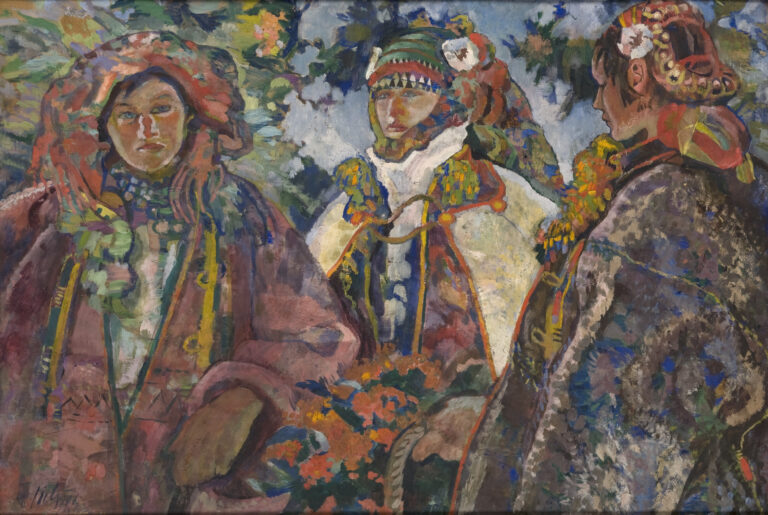
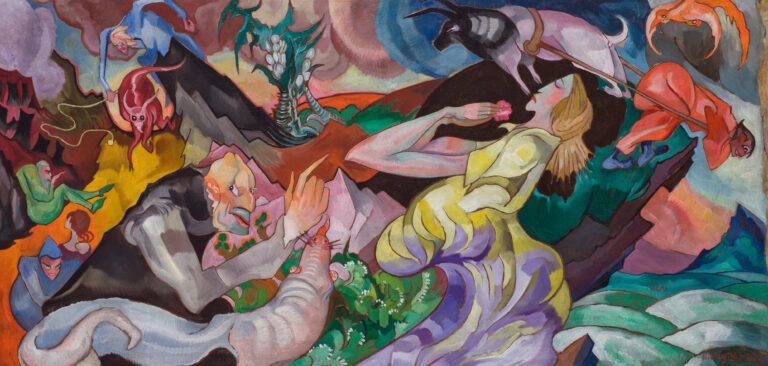
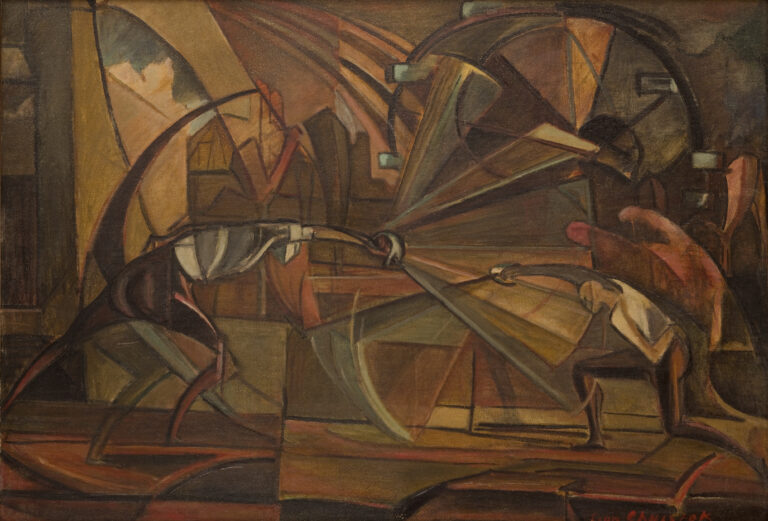
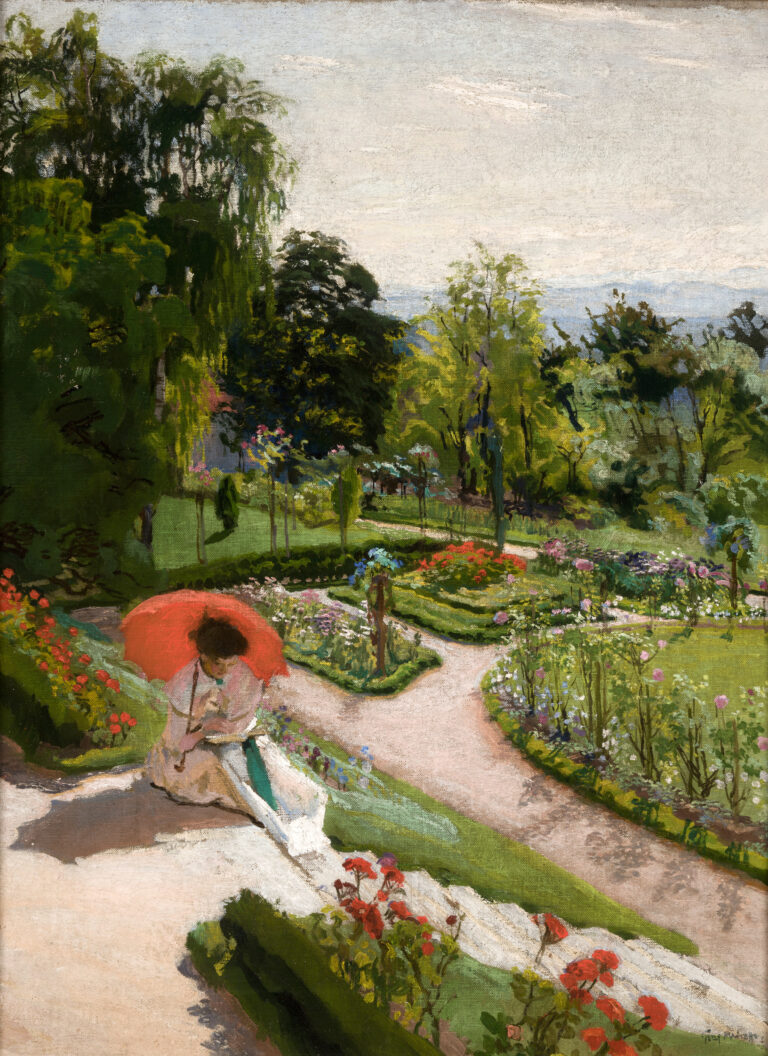
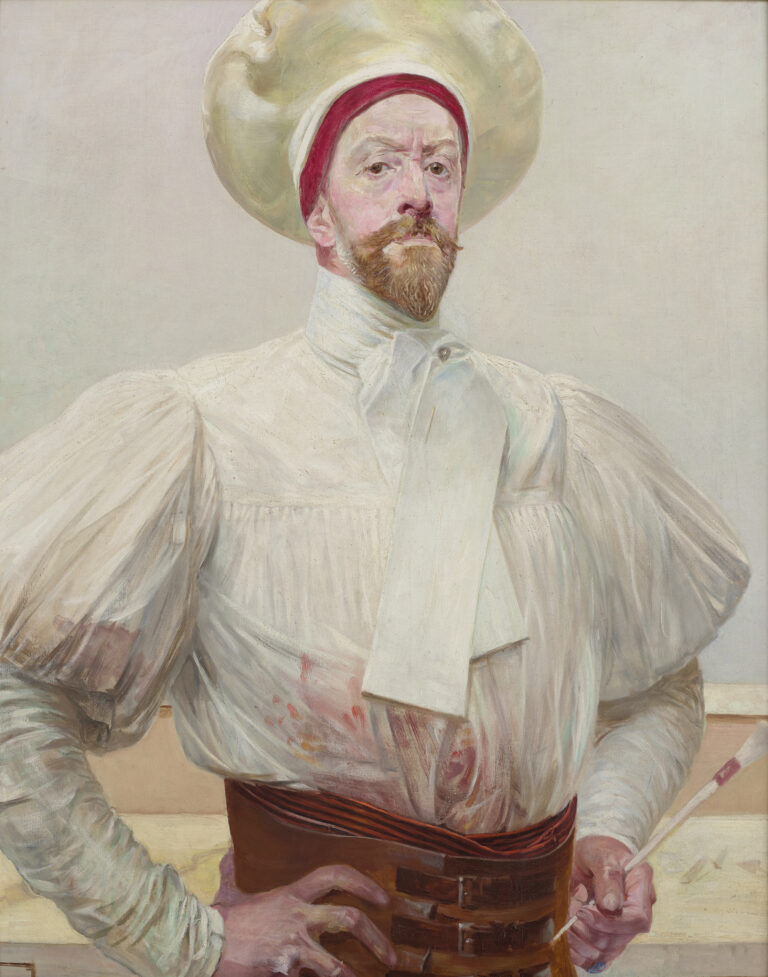
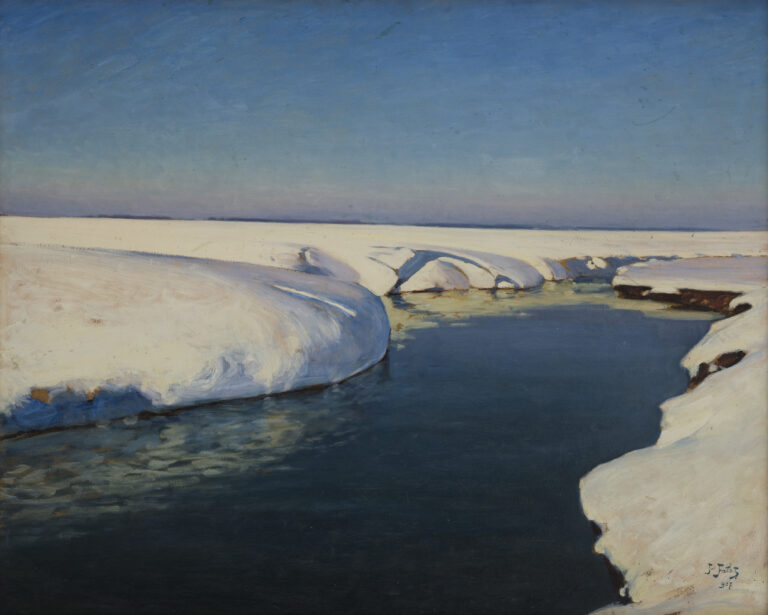
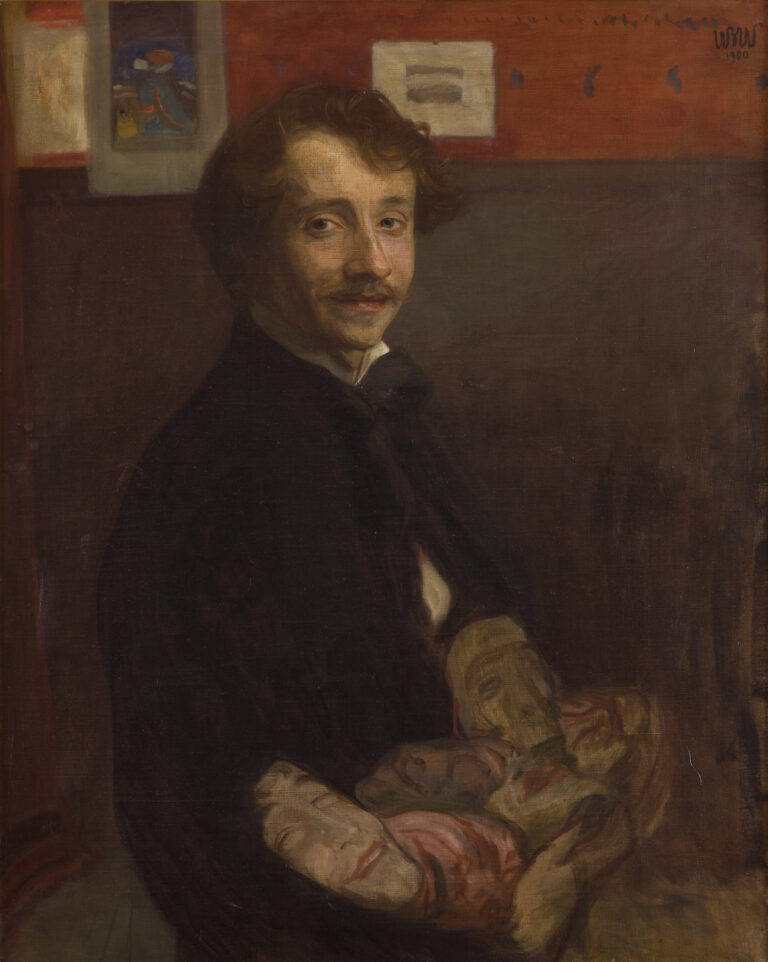
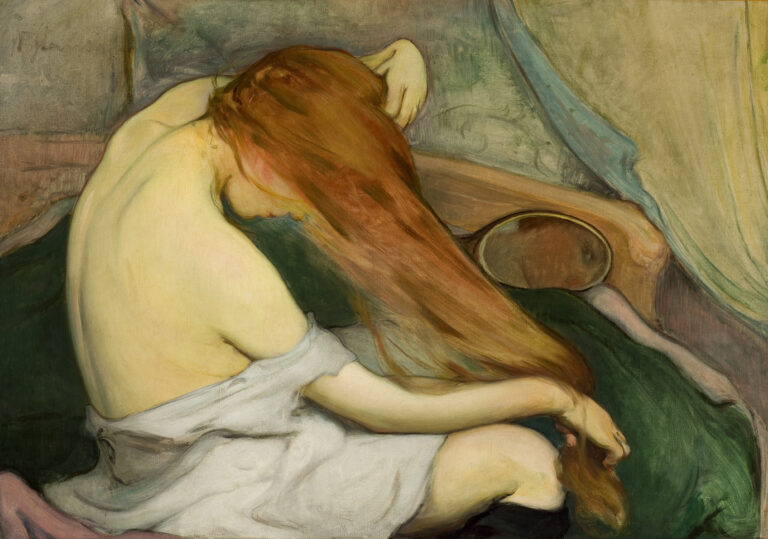
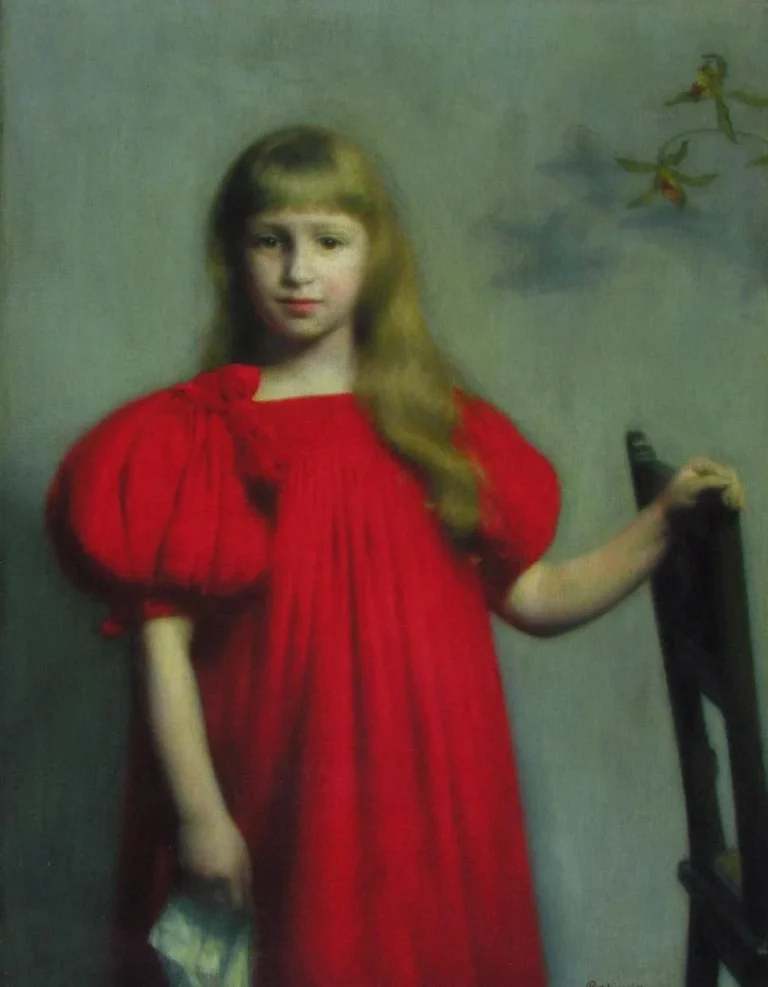
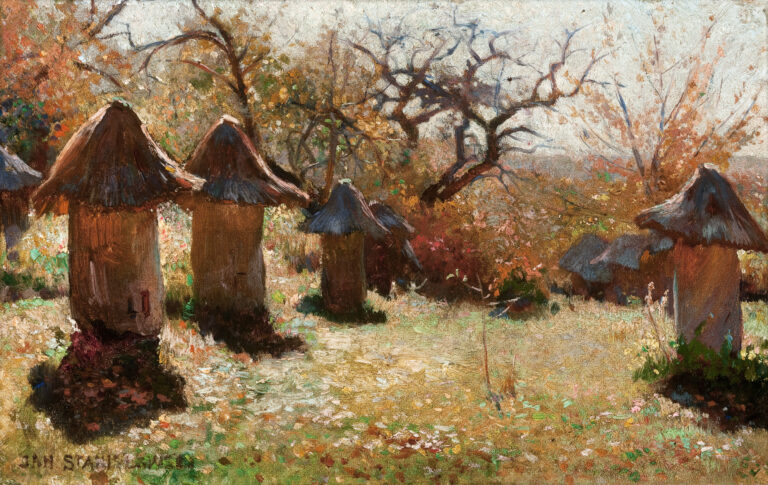
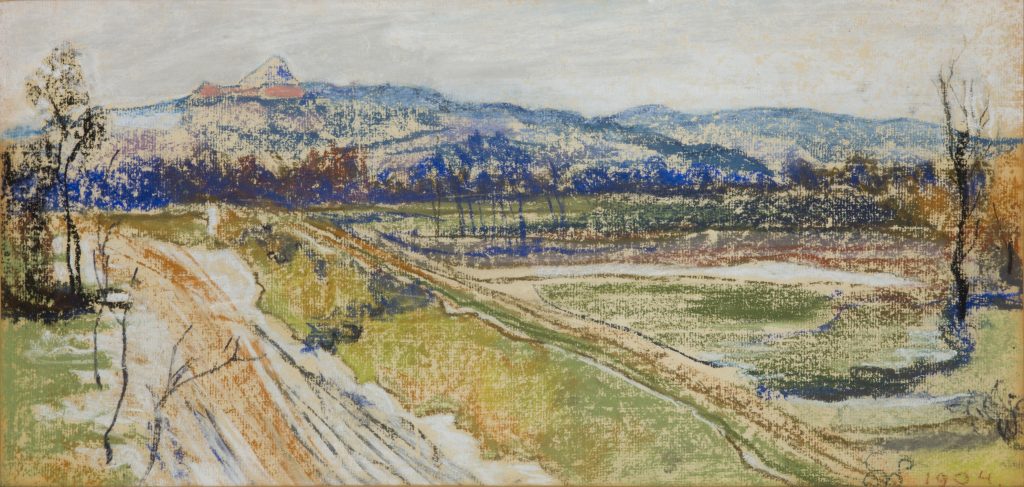
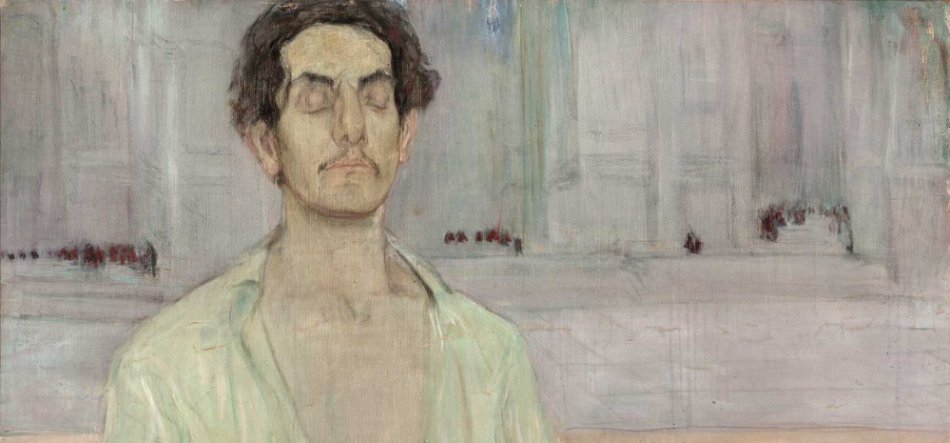
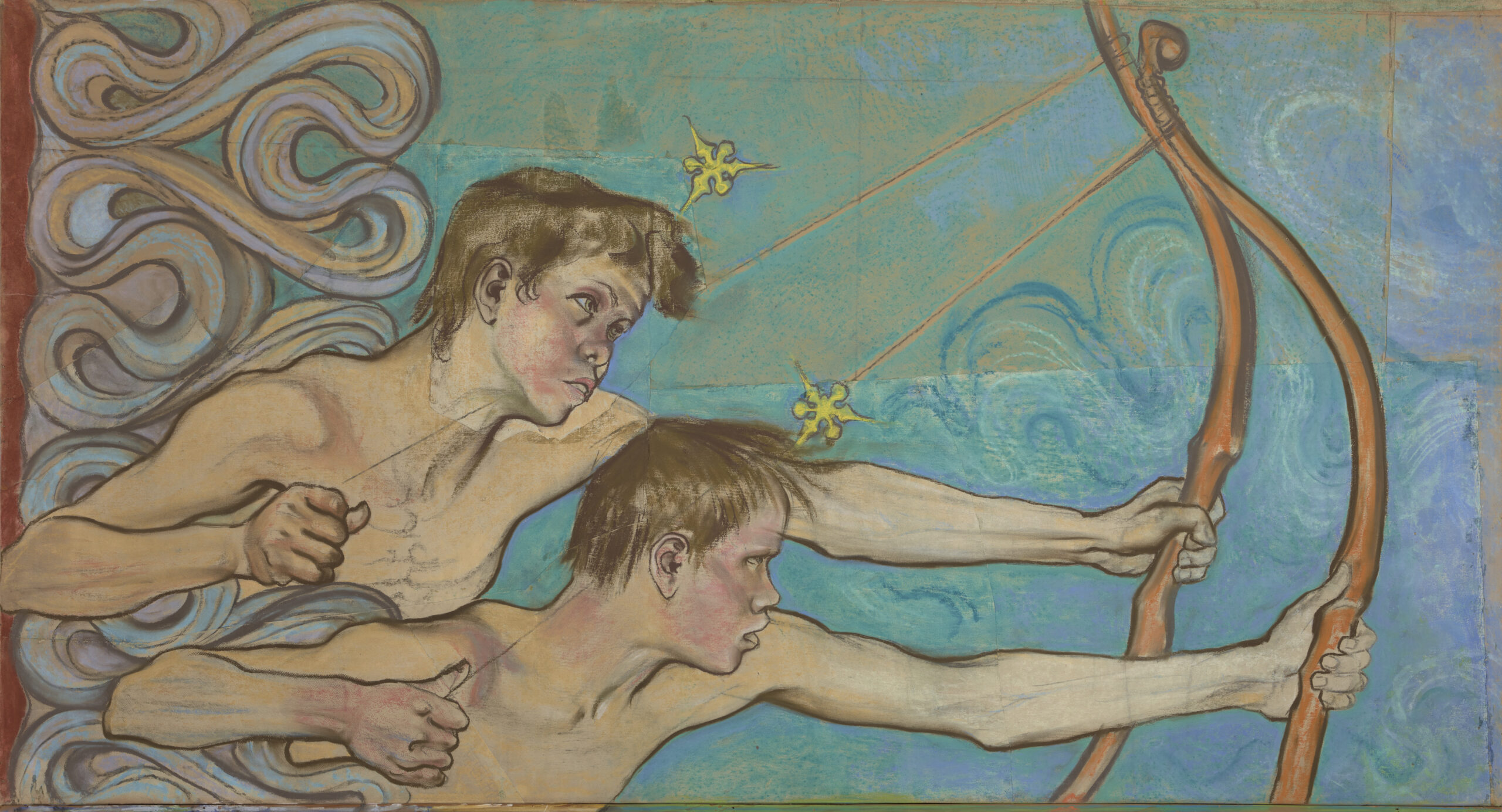
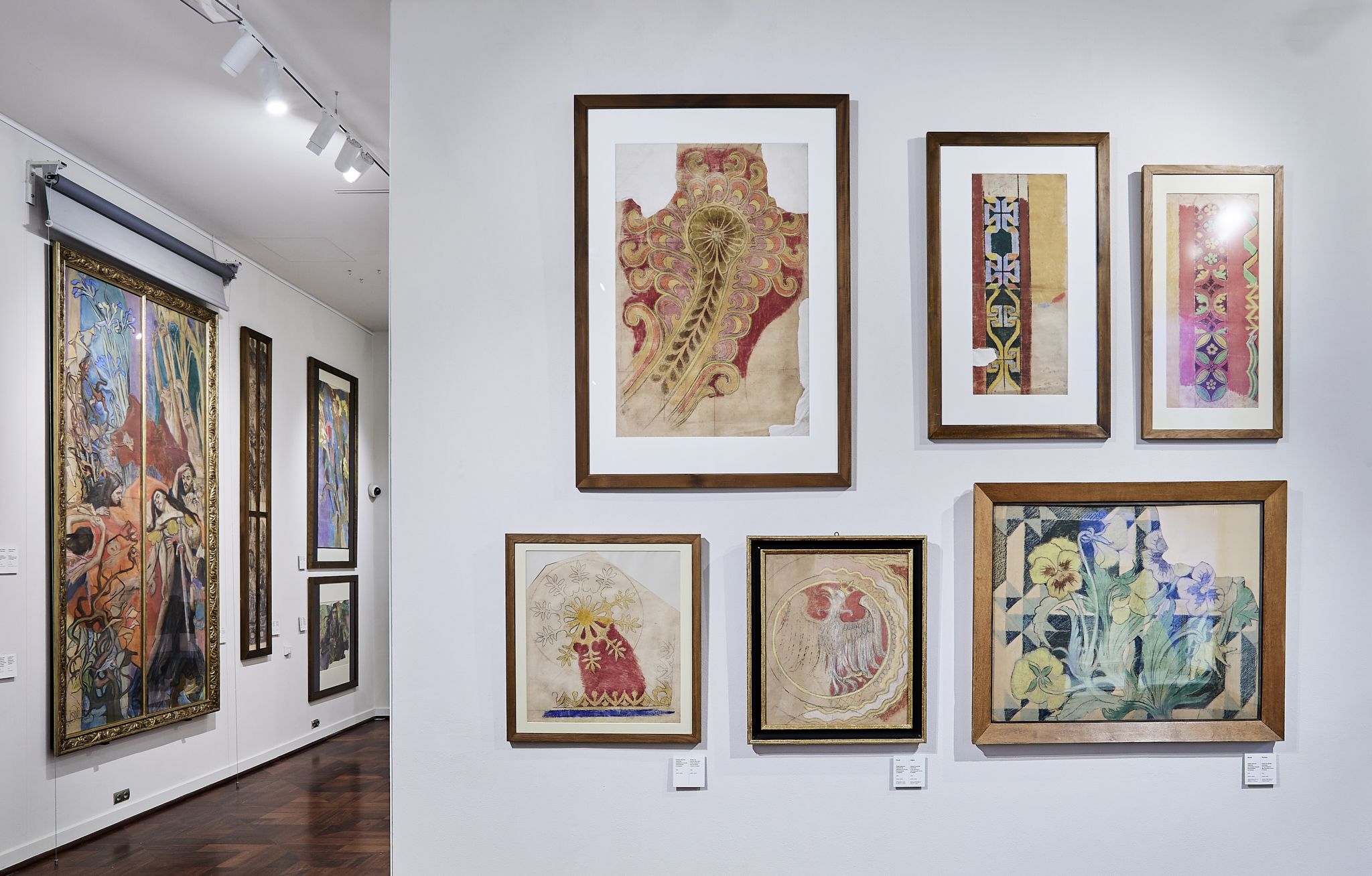
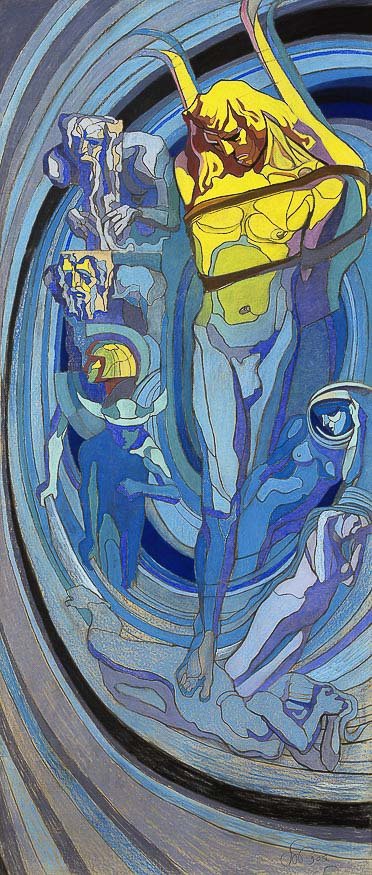
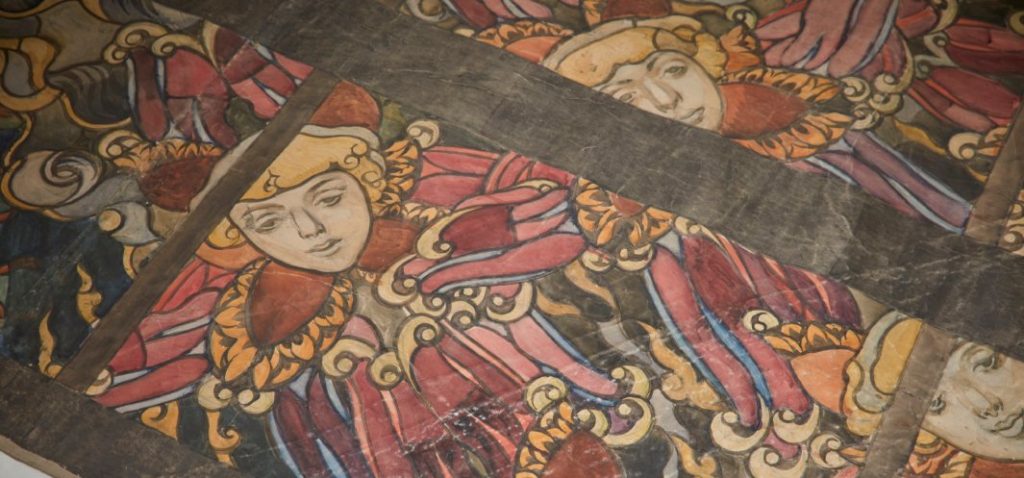
The work of Stanisław Wyspiański (1869-1907) was extremely versatile, covering various fields of art. The artist’s achievements include stained glass compositions, portraits and landscapes, works of applied art: furniture and interior designs, typography and editing. Wyspiański is the author of many literary works – dramas, tragedies, rhapsodies, and poems. He was also the director and set designer of his own plays, as well as the plays created by other authors.
The National Museum in Kraków holds the world’s largest and most valuable collection of works by a brilliant artist, called the Fourth National Bard. It includes Wyspiański’s paintings, sketches, projects and artistic crafts made according to his projects. This magnificent collection of over 1,100 objects is complemented by personal memorabilia, the artist’s private book collection and archives – manuscripts and photographs.
The artist’s legacy was mostly donated or purchased for collection shortly after his death in November 1907, because the National Museum in Krakow was a natural place for collecting the works of the author of the Wedding [“Wesele”], and the then directorate, with the support of people from the literary and artistic world, planned to create a branch in honour of Stanisław Wyspiański.
A committee formed for this purpose published a call to Polish society in many periodicals, urging a fundraising campaign to honor the deceased artist with a dedicated museum, “(…) where all artistic works, manuscripts, applied arts, etc., already held by the Museum or to be donated by individuals or institutions, would be collected as a whole (…)”.
The idea of creating a branch or exhibition of Wyspiański’s works in the permanent galleries of the National Museum returned, among others, in the 1930s. In the new building designed at that time at Aleja Mickiewicza, a stained-glass cartoon display was planned in the Stanisław Wyspiański Pantheon. After 1945, there were also projects to create a biographical museum in the artist’s apartments (in the Długosz House at 25 Kanonicza Street or the tenement house at 157 Krowoderska Street). Ultimately, the branch was established in 1983 at 9 Kanonicza Street. In 2004, it was moved to the Szołayski Tenement House at 9 Plac Szczepański.
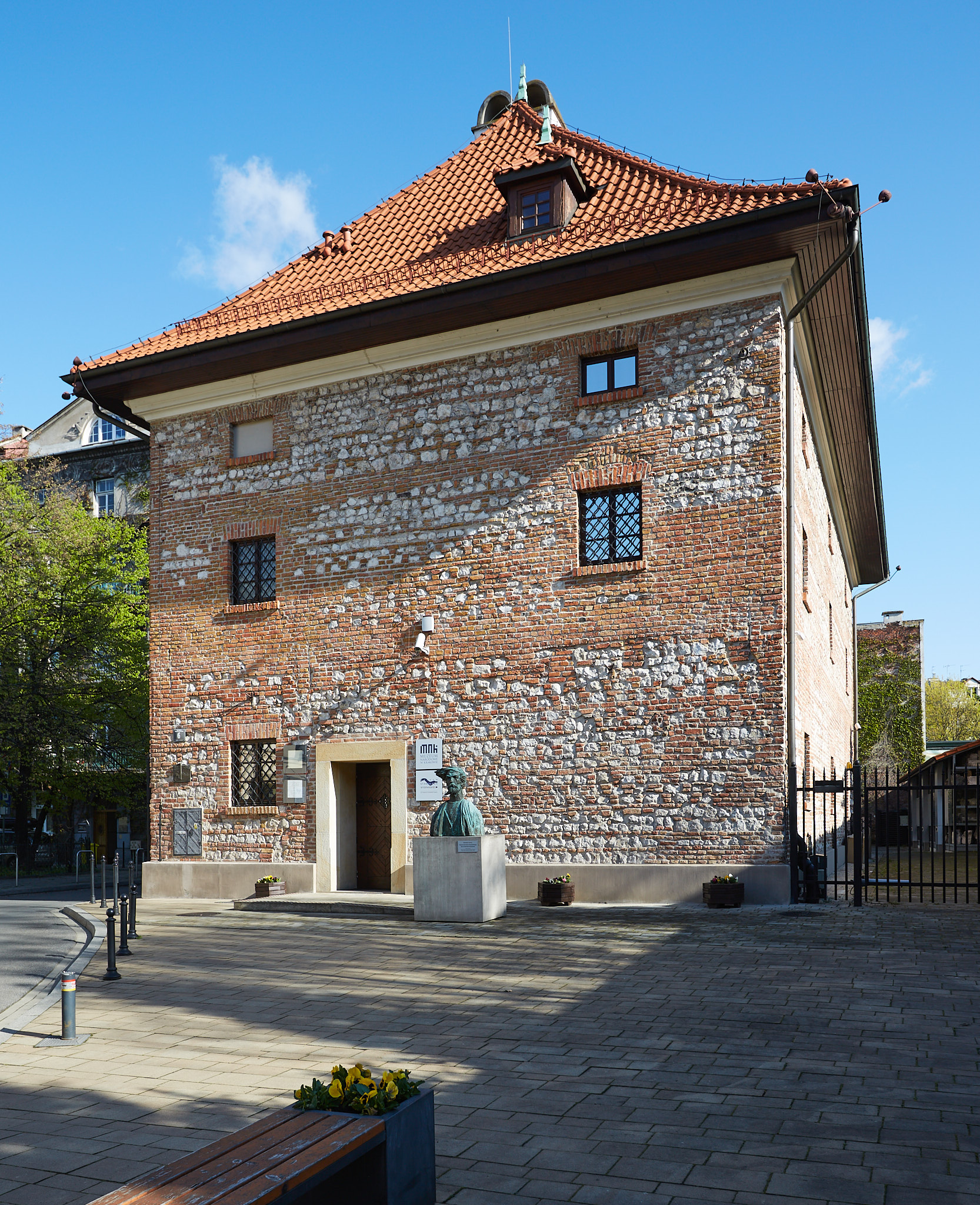
The current Stanisław Wyspiański Museum is located in the Old Granary, a building constructed in the 18th century outside the city walls. Since the beginning of its existence, the building has performed various functions, including a granary, factory, shop, and the seat of the Association of Architects of the Republic of Poland. After 1945, it was taken over by the National Museum, becoming a warehouse of works of art for many years, and in 2013-2021, the ‘EUROPEUM’ – European Culture Centre.
The concept and arrangement of the current exhibition are determined by conservation guidelines and the adaptive possibilities of the historic Granary building. Pastel paintings on paper – a technique characteristic of Wyspiański – are very sensitive to environmental factors such as microclimate and pollution. They are classified as objects with a high degree of sensitivity to light.
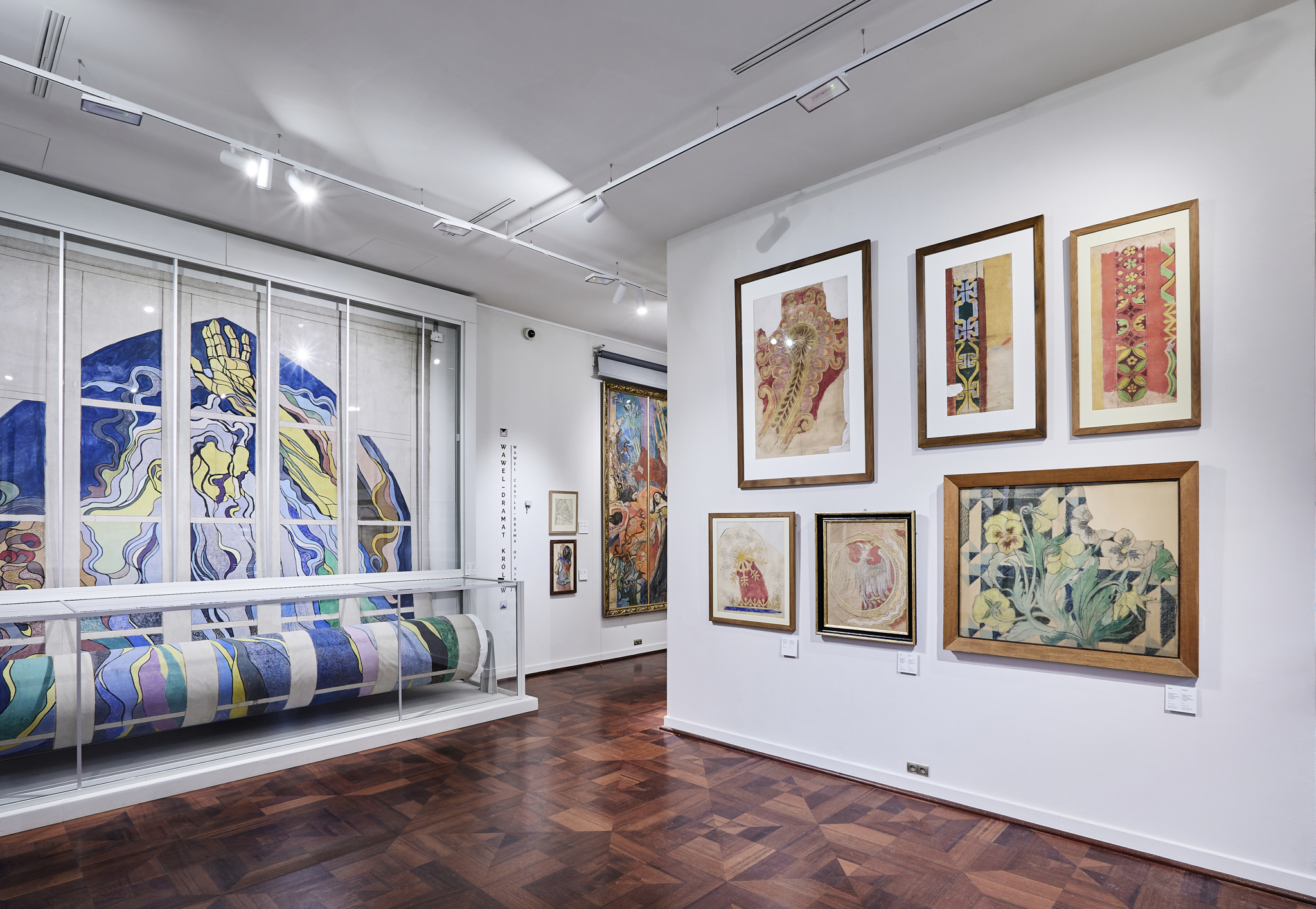
Light affects the process of paper degradation, a decrease in the mechanical strength of works of art and their discolouration. In order to ensure the safety of the collections, the permanent exhibition has been adapted to the needs of these most sensitive objects. The selection of light intensity and exposure time is appropriate to the materials used by the artist. The permanent exhibition is presented in cyclical displays, showcasing a selection of characteristic examples of Wyspiański’s works. The rotation of exhibits makes it possible to show them to the public under conservation guidelines.

pl. Sikorskiego 6, 31-115 Kraków























Discover our suggestions for exploring the museum’s branches. See the most important works in a single day, discover the lives of the greatest artists, or discover unusual works from bygone eras.
Ścieżka zwiedzania prowadzi przez trzy oddziały Muzeum Narodowego w Krakowie – Pałacu Książąt Czartoryskich, Arsenału oraz Domu Jana Matejki – ukazując, w jaki sposób sztuka przez stulecia budowała obraz państwa i pamięci narodowej.
He was a painter, graphic artist and designer; he explored new avenues in literature and experimented in theatre. You’ll find traces of Stanisław Wyspiański all over Kraków, as the artist had a direct influence on the way we see the city.


 See directions