




Discover the most important works
Discover the most important works from the collection of the National Museum in Krakow. Discover their fascinating history.
You can buy tickets for exhibitions and events online
Renting:
Monday: closed
Tuesday-Sunday: 10:00 AM – 6:00 PM
Last visitors are admitted to the gallery and exhibition no later than 20 minutes before closing time. The ticket office, gift shop, and cloakroom are open until closing time.
Public transport access
Facilities available in the MNK Sukiennice (Cloth Hall): audio description, architectural accessibility for people with mobility difficulties, sensory basket, café, shop, cloakroom, changing table, Wi-Fi, elevator.
The building is equipped with an elevator that provides easy access to the gallery and the Sukiennice terraces, including for visitors using wheelchairs. The elevator features buttons with Braille code.
The reception desk, the museum shop and the guard stand, all located on the ground floor at the entrance to the gallery, allow free access to a wheelchair user. No thresholds or barriers. Since the main cloakroom can only be reached by stairs, there is an additional cloakroom for people with mobility impairments at the museum store, equipped with luggage lockers.
At the information point, there is a tactile, sound-enabled information board with a description of the building’s layout in Polish, English, and Ukrainian.
The passages between the halls are devoid of thresholds, and the entrance to the terrace is preceded by a gentle ramp. For safety, a sticker with an ornament was placed on the glass door. The branch is equipped with a defibrillator.
The restroom for people with disabilities, located near the terrace and café, is equipped with fold-down handles and specialised sanitary fixtures. The mirror has been mounted in such a way that both a person standing of any height and a person sitting in a wheelchair can look at themselves freely. All handles and buttons are convenient for people with spasticity of the hands. There is also a baby changing table in the toilet.
The stairs make it difficult to access the toilet – we solved the problem with the use of mobile aluminium ramps, unfolded if necessary. The width of the stairs does not allow for a permanent placement of the ramp.
 MNK Main Building
MNK Main Building
MNK Main Building
 MNK Szołayscy
Discover the most important works from the collection of the National Museum in Krakow. Discover their fascinating history.
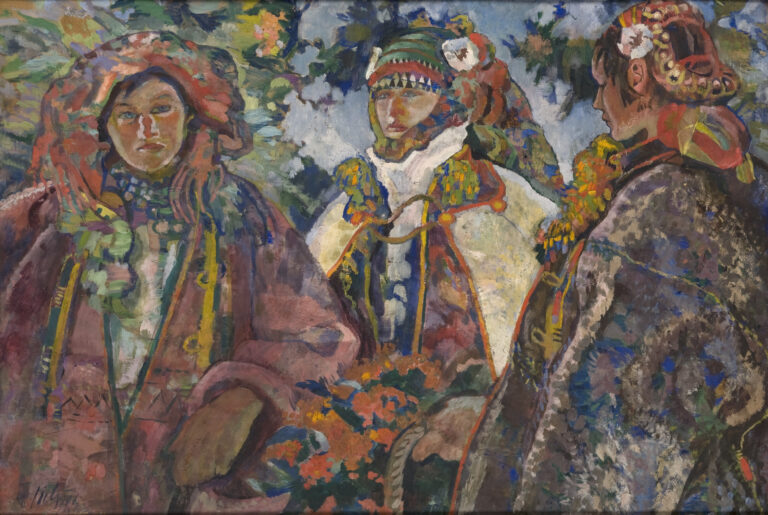
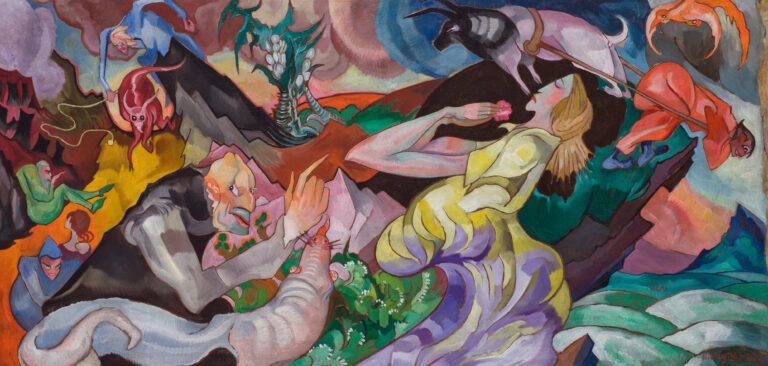
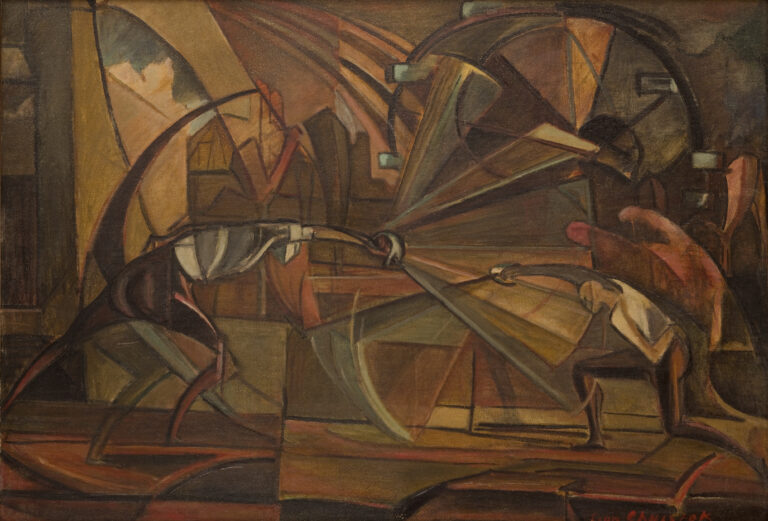
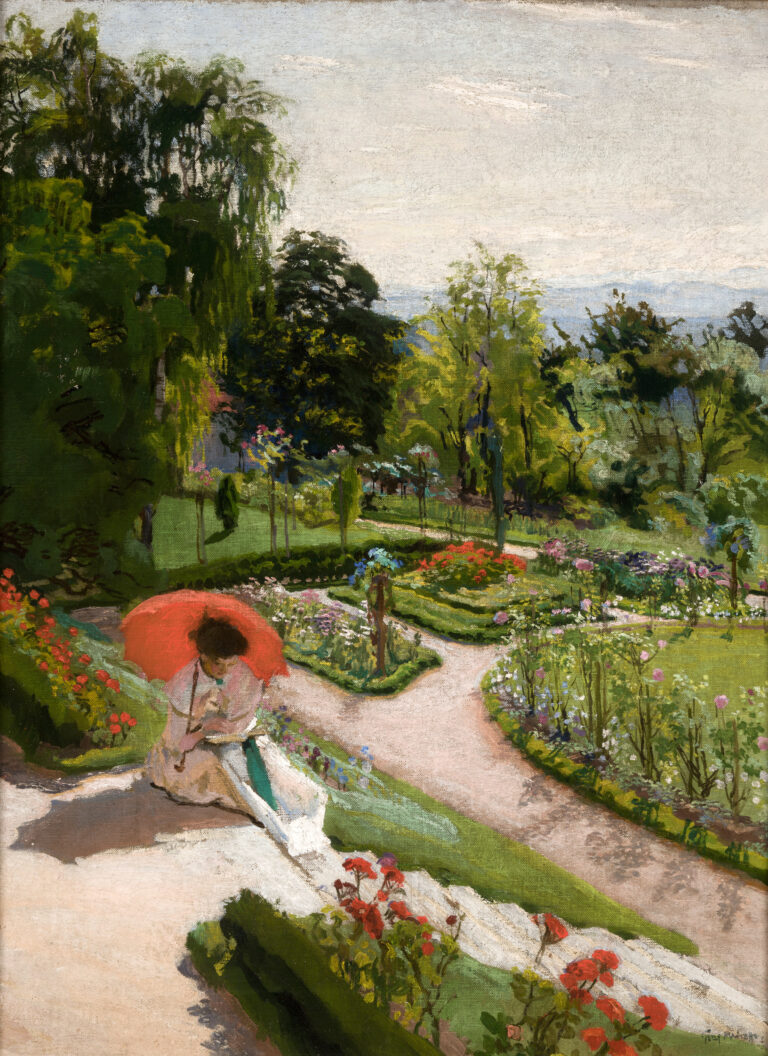
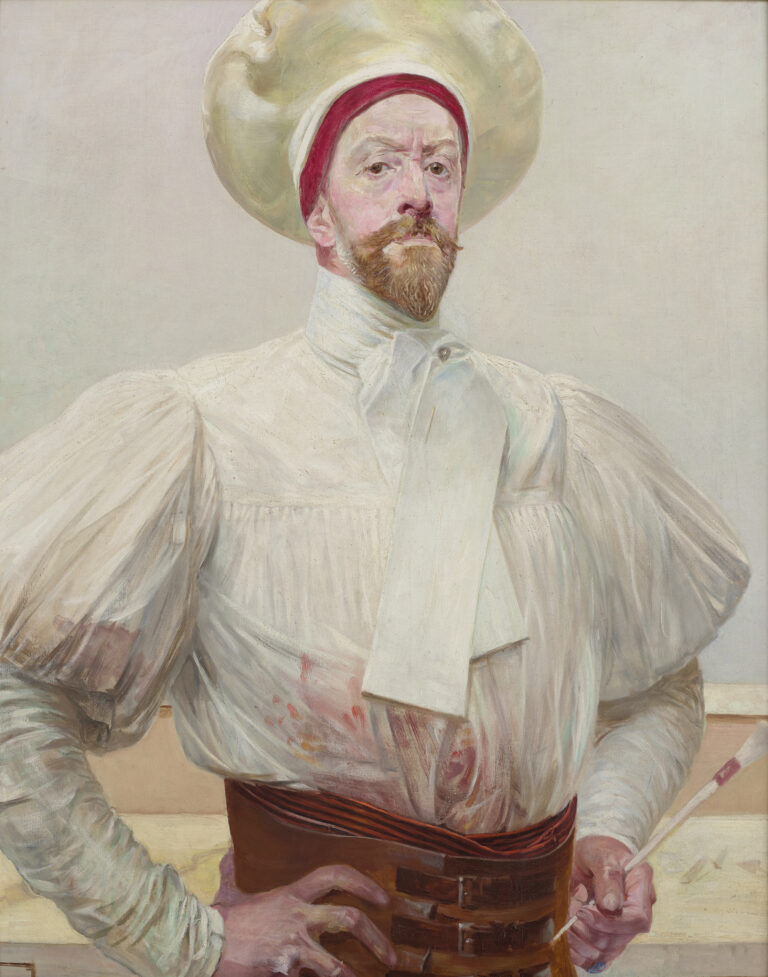
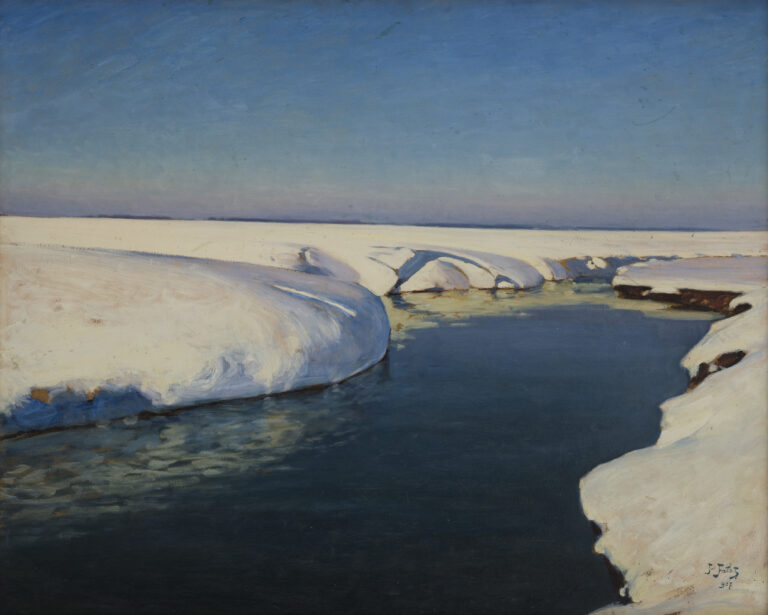
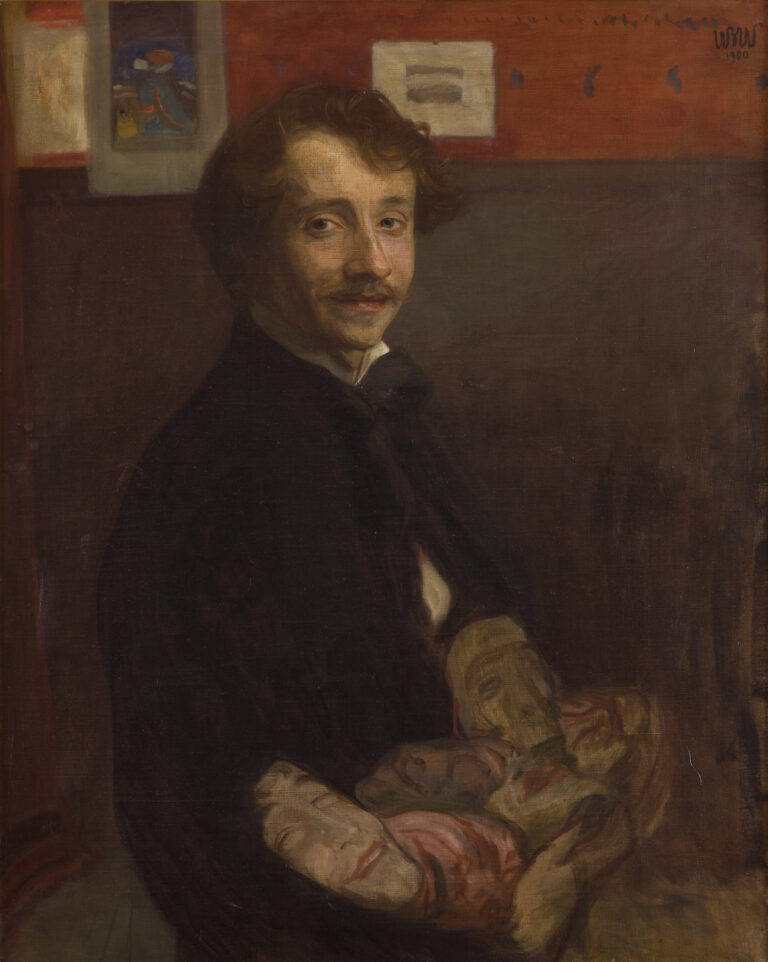
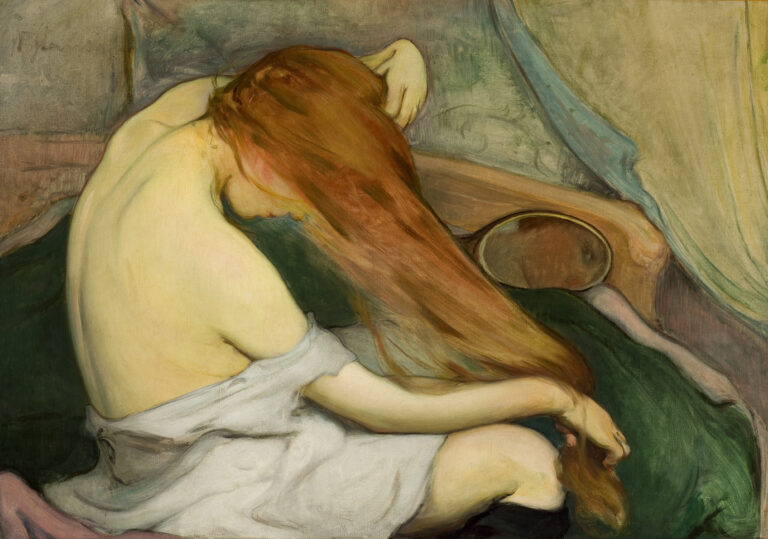
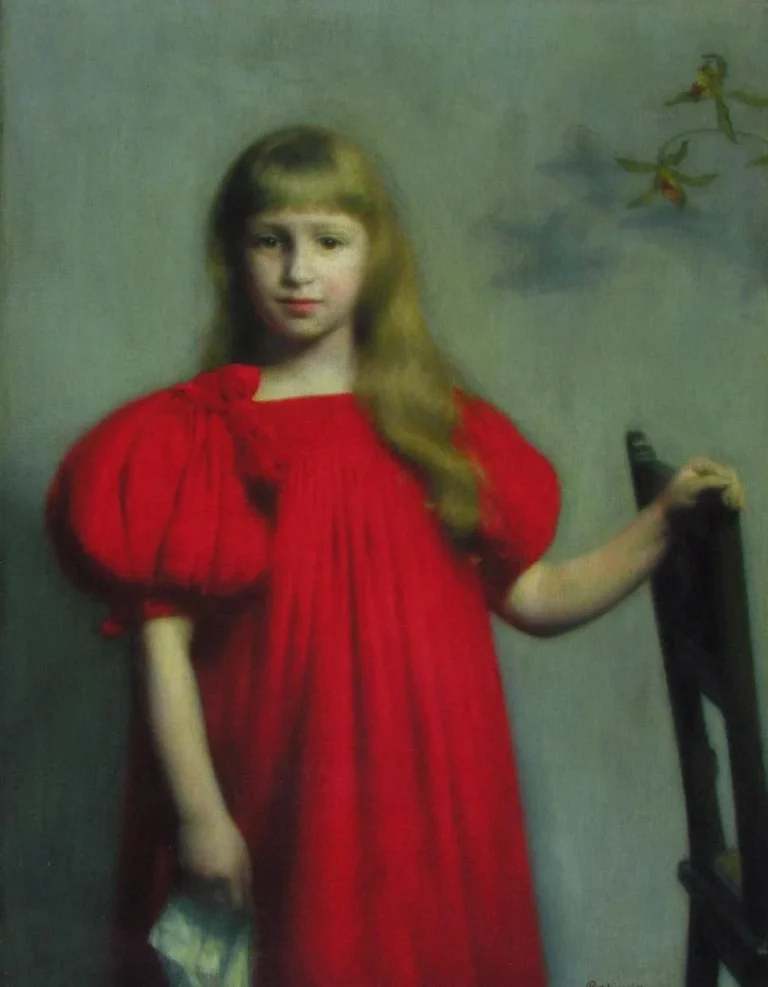
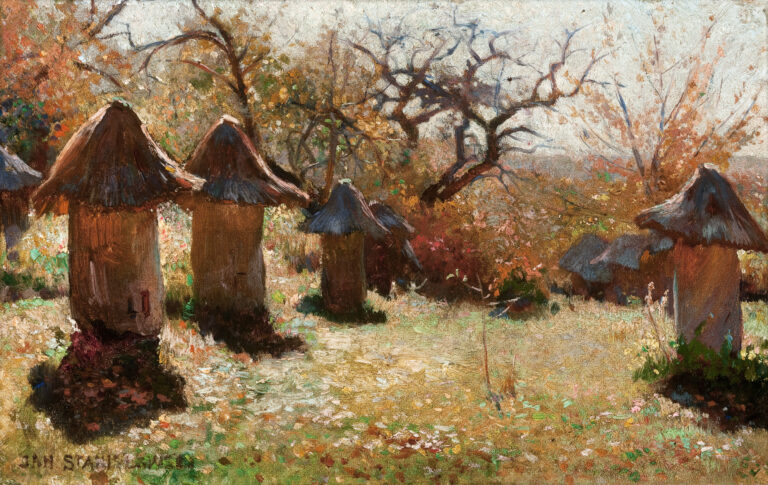
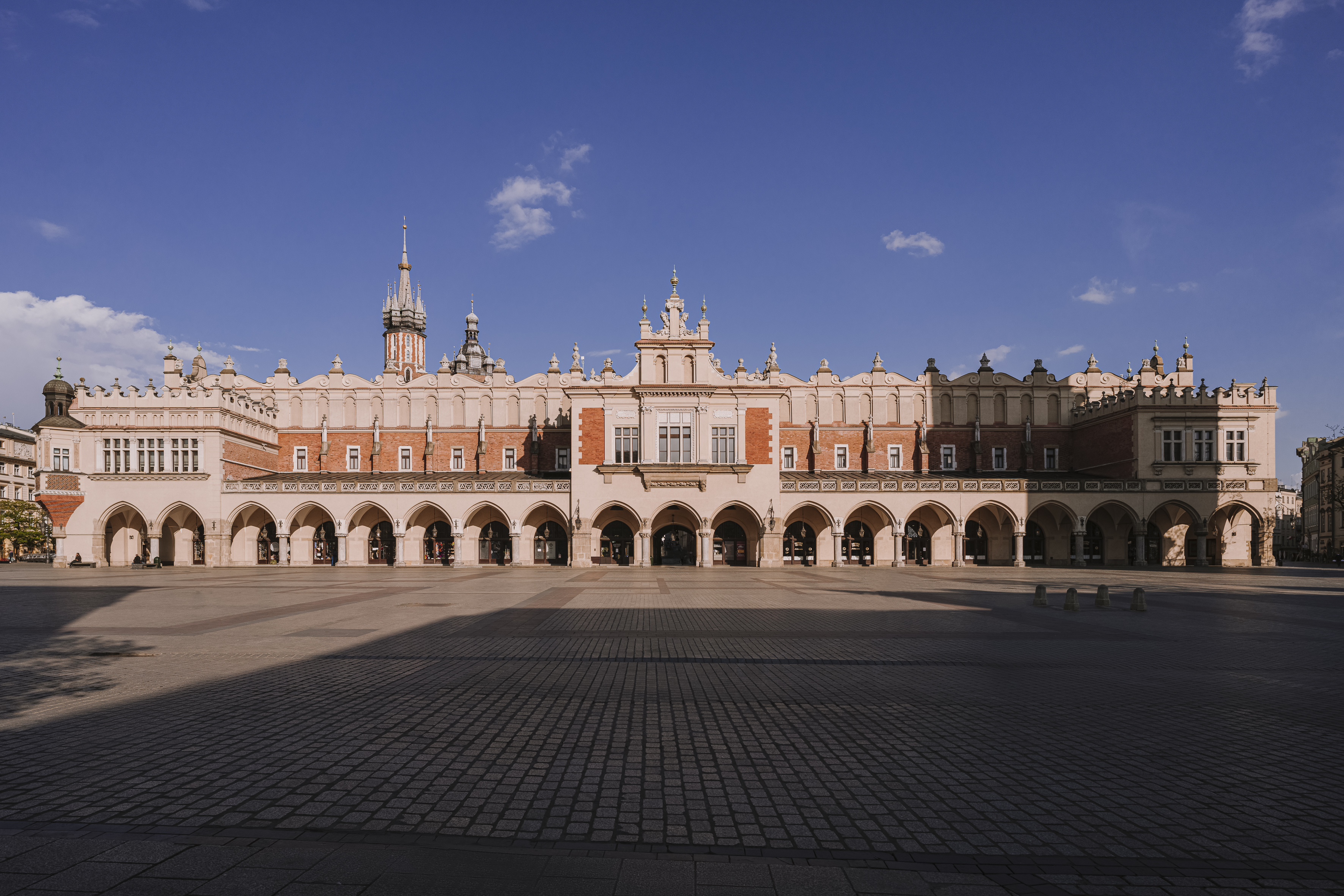
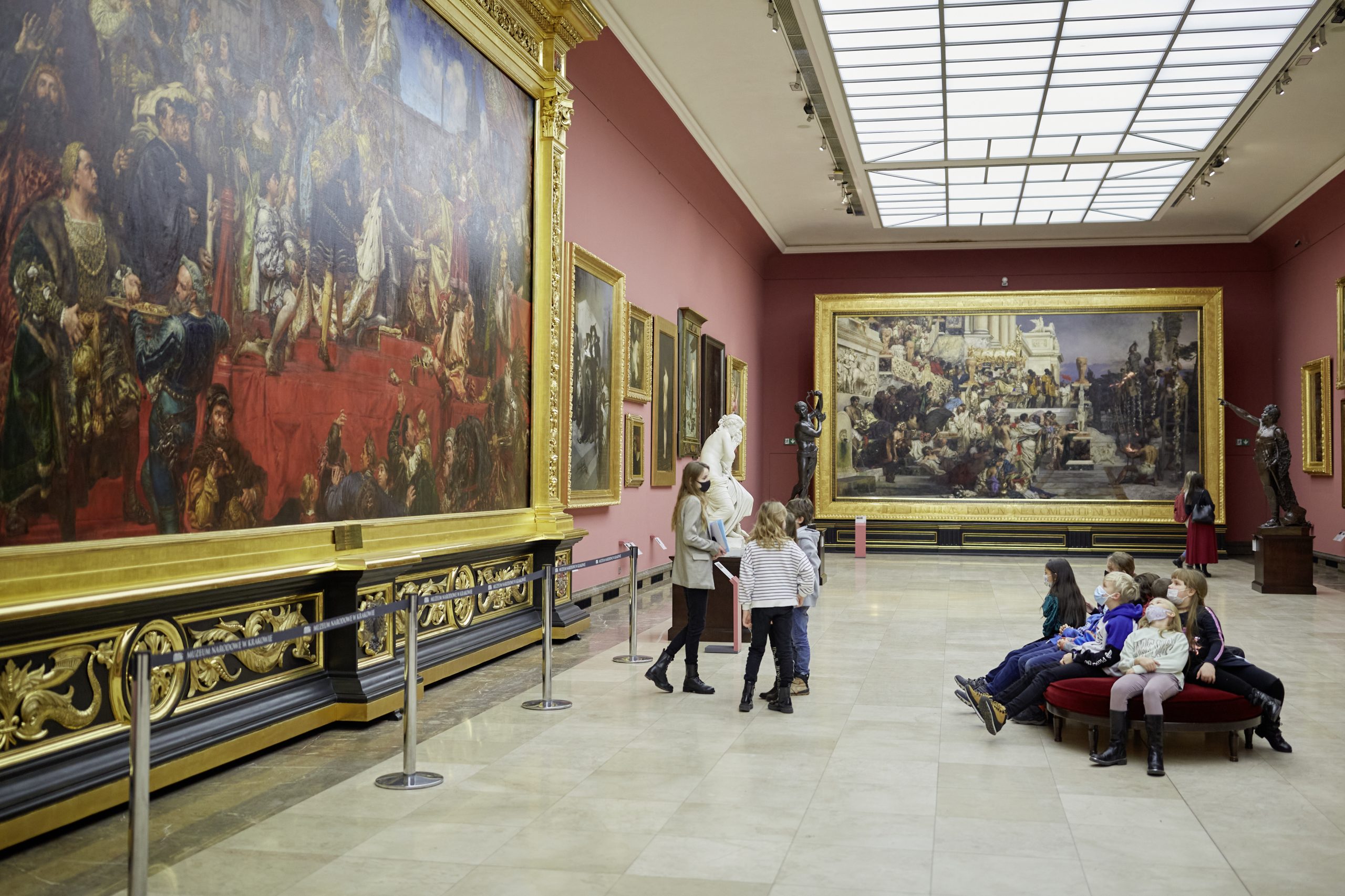
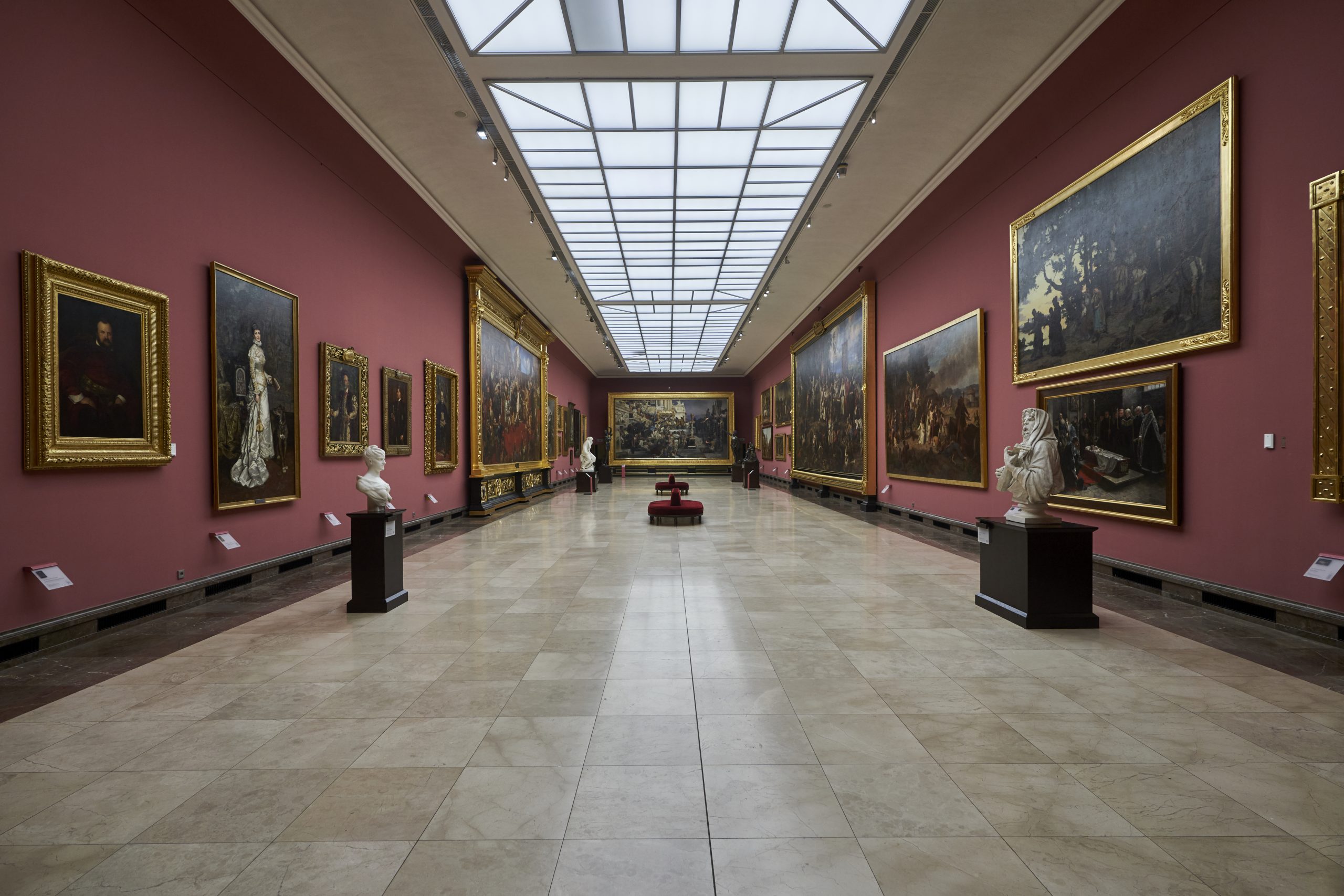
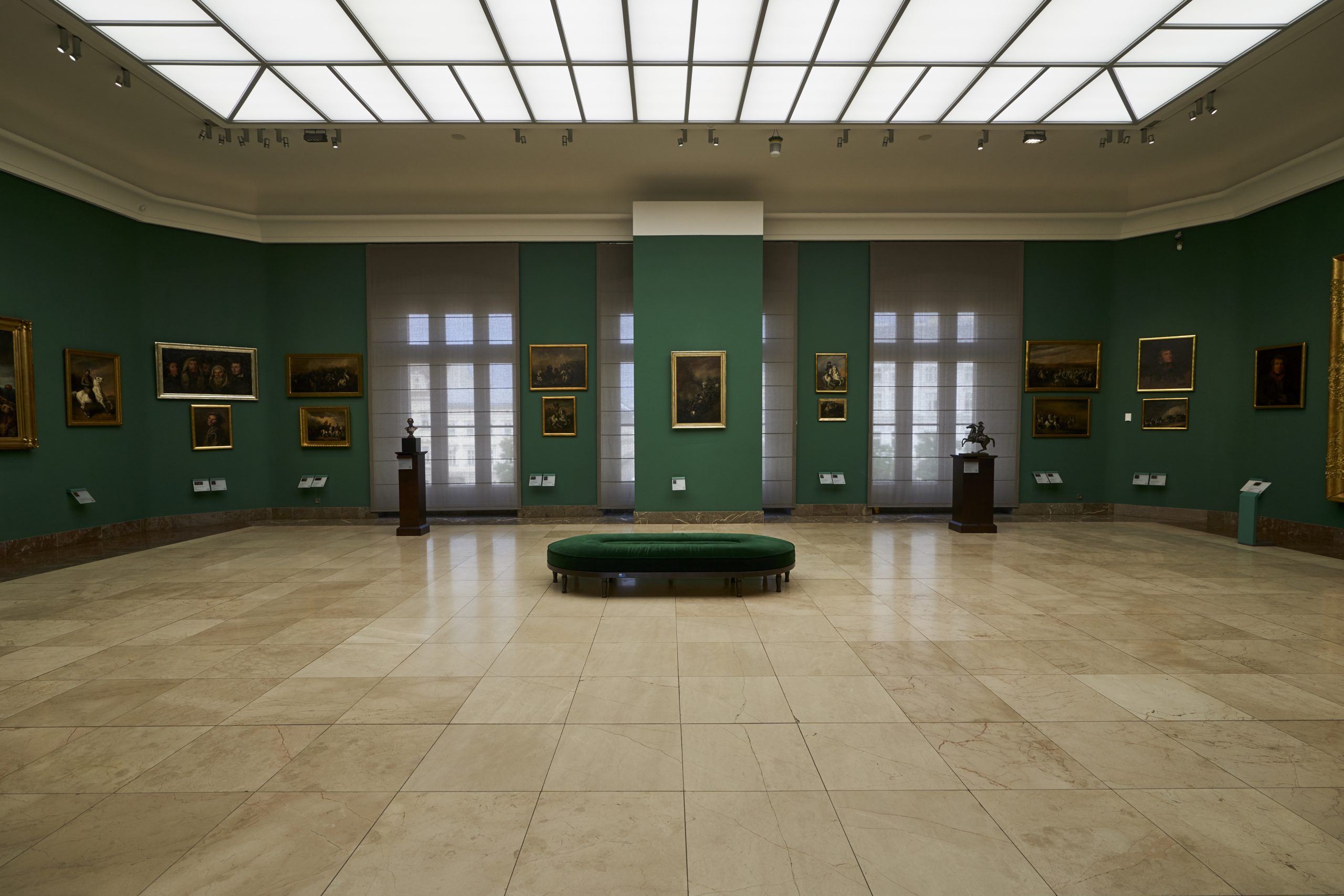
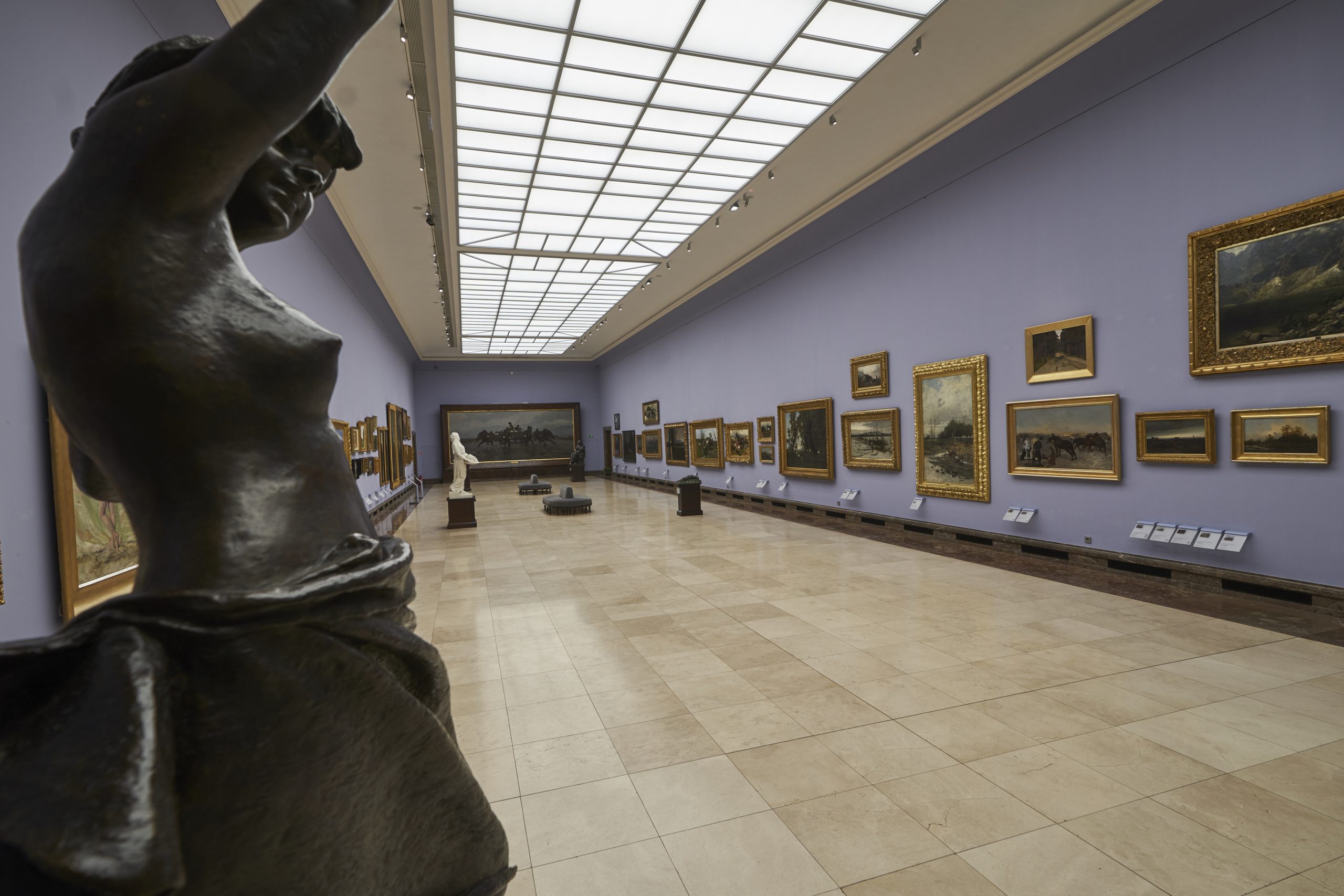
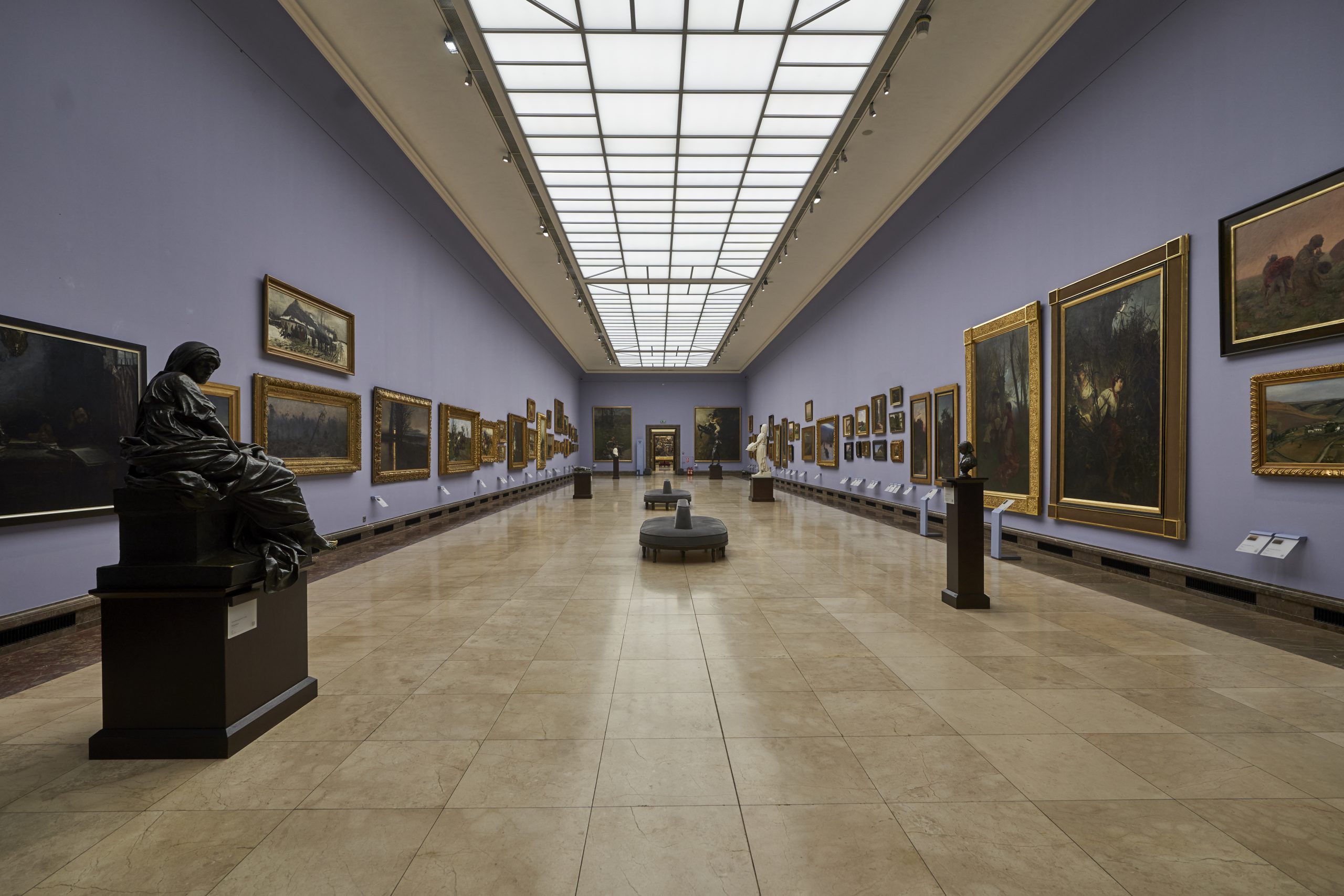
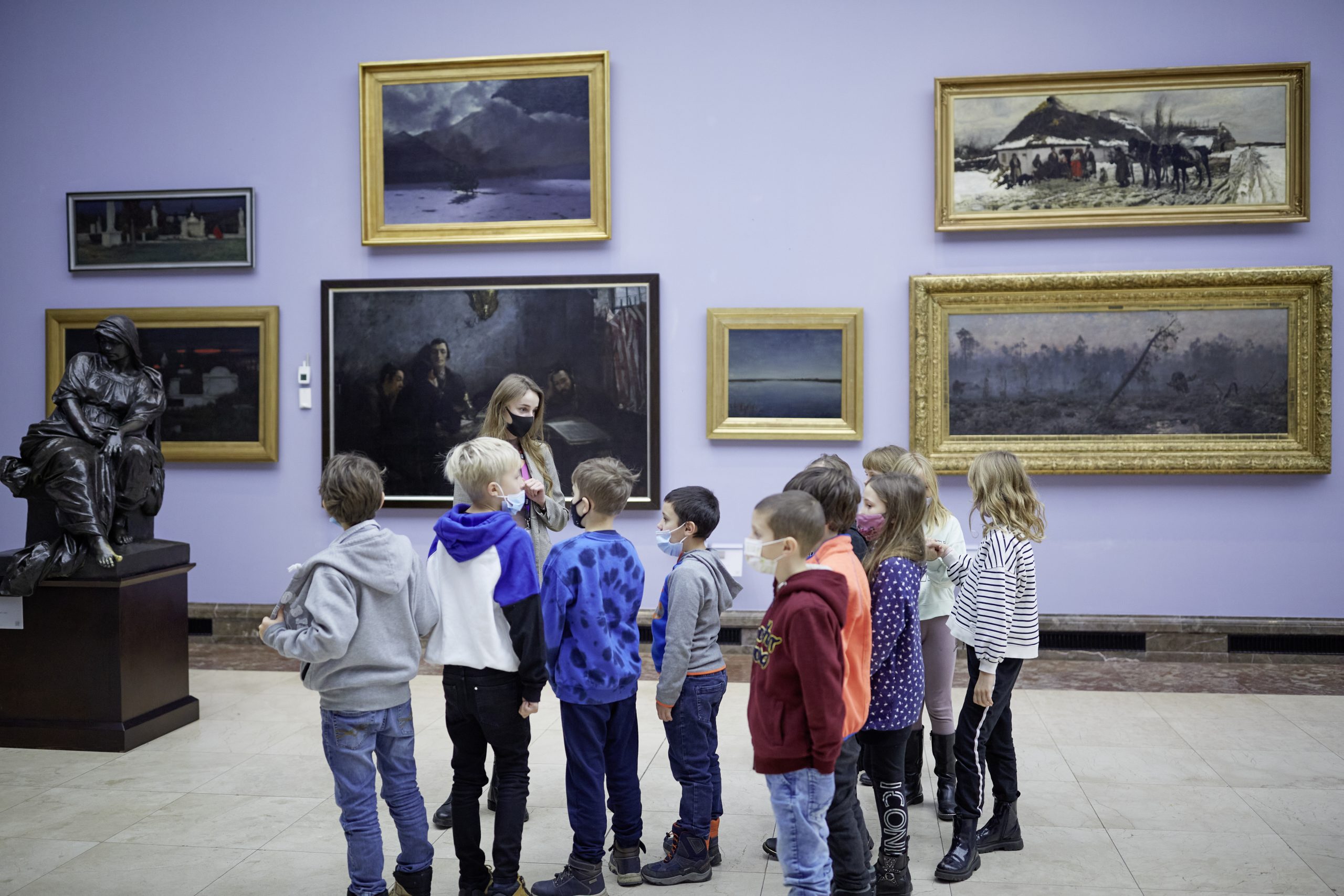
The Gallery of 19th-Century Polish Art in the Sukiennice is the oldest branch of the National Museum in Krakow. The permanent exhibition on the first floor of the building showcases paintings and sculptures representing the Enlightenment, Romanticism, Academicism, as well as various late-19th-century styles such as Realism, Impressionism, and the early phase of Young Poland.
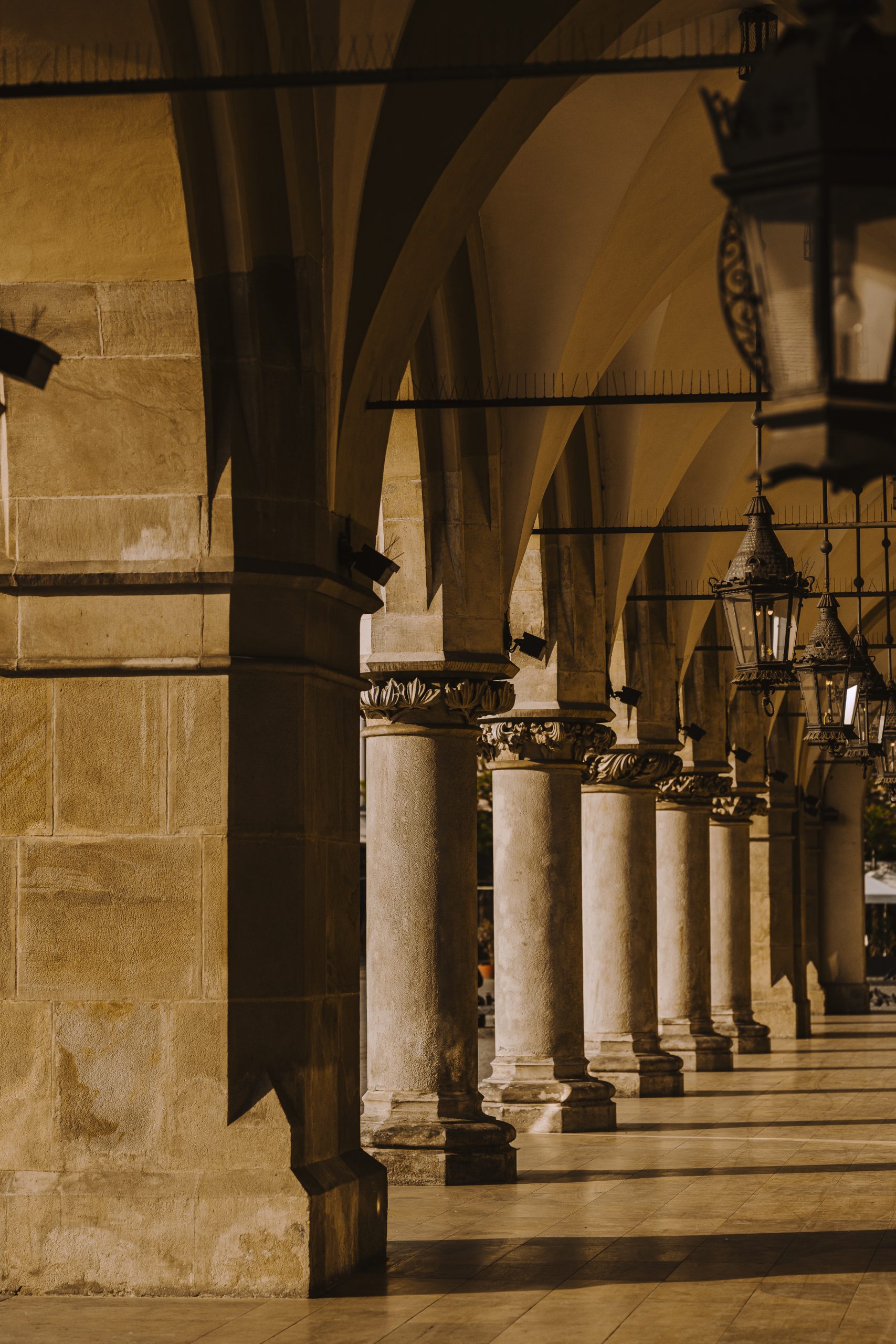
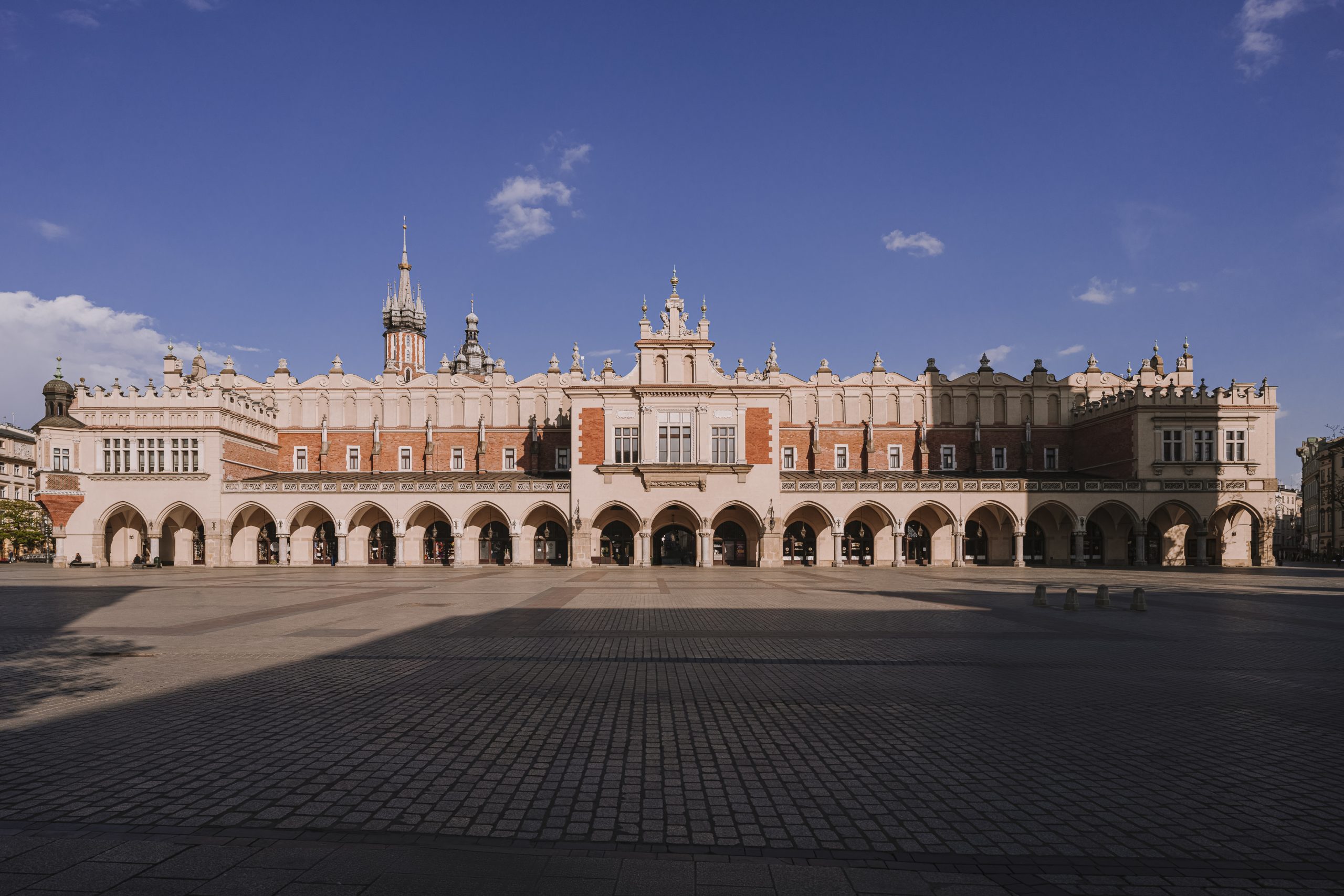
The Sukiennice is a former shopping hall, built in the middle of the Main Market Square in the 13th century. The stalls were expanded in the 14th century in the Gothic style and thoroughly transformed in the middle of the 16th century in the Renaissance style.
During the period of the Partitions, between 1877 and 1879, the Cloth Hall (Sukiennice) underwent restoration in the spirit of historicism. The spaces of the former shops were given representative functions: balls and patriotic celebrations were held here. During one of such celebrations, a resolution was passed to designate the first-floor halls of the building as the first seat of the National Museum in Krakow.
On October 7, 1879, the Krakow City Council established the first National Museum in Poland. The exhibition inaugurating the museum was opened on September 11, 1883, on the eve of the 200th anniversary of the Battle of Vienna, in two halls on the first floor of the Sukiennice from Bracka Street. Since then, it has housed the permanent gallery of the National Museum. The first director of the new institution was Władysław Łuszczkiewicz (1883–1900), followed by Feliks Kopera (1900–1949).
In 1901, the National Museum took over the entire floor of the Sukiennice, and in 1902-1903 a modern museum gallery was set up there, which survived in an almost unchanged shape until 1939. The exhibition included art and craftsmanship from the 15th to the 19th century, painting and sculpture from the second half of the 19th century, drawings and watercolours, national memorabilia, as well as archaeological and ethnographic displays. During World War I, the Museum’s activity was suspended for several months, and during World War II, for five years: 1939–1945.
In the years 1950-1956, a new exhibition was organised in the halls of the Sukiennice, presenting only Polish painting and sculpture from the Enlightenment to the end of the 19th century. The same chronological range of exhibited works was maintained until the 1970s, when the Gallery was reshaped by Mieczysław Porębski, Andrzej Pawłowski, and Jan Kolanowski. The chronological scope of the exhibition, rooted in tradition, continues to this day.
After 2000, the Gallery underwent a renovation and gained a new layout and decor. All museum rooms in the Sukiennice have been transformed and modernised, and new spaces were acquired on the ground floor, mezzanine, and terraces. The current layout of the permanent exhibition was created according to the concept prepared by Barbara Ciciora-Czwórnóg and Aleksandra Krypczyk-De Barra, while the design changes were made by Jacek Cupryś.
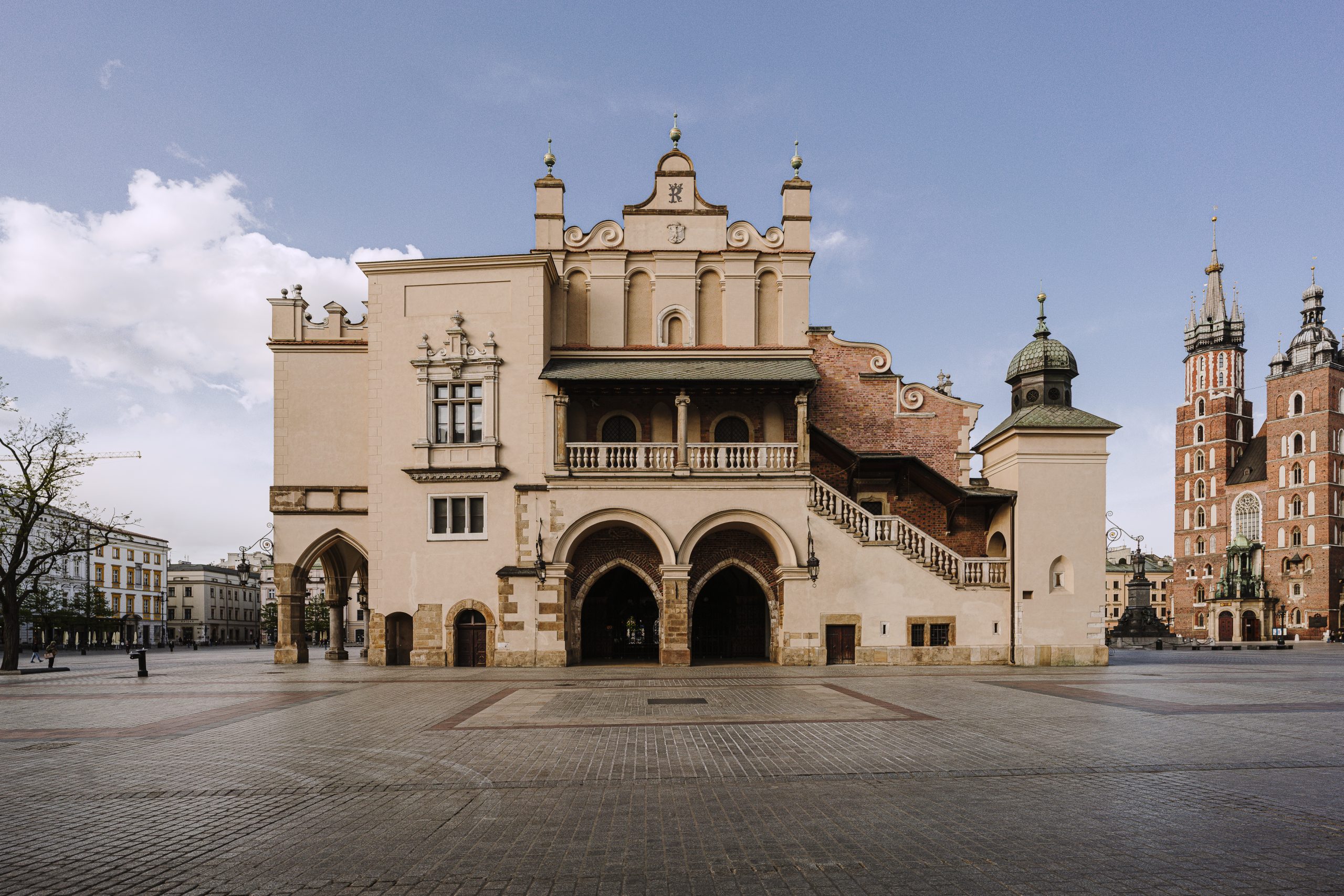

Rynek Główny 3, 31-042 Kraków























Discover our suggestions for exploring the museum’s branches. See the most important works in a single day, discover the lives of the greatest artists, or discover unusual works from bygone eras.
Ścieżka zwiedzania prowadzi przez trzy oddziały Muzeum Narodowego w Krakowie – Pałacu Książąt Czartoryskich, Arsenału oraz Domu Jana Matejki – ukazując, w jaki sposób sztuka przez stulecia budowała obraz państwa i pamięci narodowej.
He was a painter, graphic artist and designer; he explored new avenues in literature and experimented in theatre. You’ll find traces of Stanisław Wyspiański all over Kraków, as the artist had a direct influence on the way we see the city.

 See directions