




Discover the most important works
Discover the most important works from the collection of the National Museum in Krakow. Discover their fascinating history.

You can buy tickets for exhibitions and events online
Ticket prices:
Renting:
Monday: closed
Tuesday: 10.00 AM – 6.00 PM
Wednesday-Sunday: 10:00 AM – 4:00 PM
Last visitors are admitted to the gallery and exhibition no later than 20 minutes before closing time. The ticket office, gift shop, and cloakroom are open until closing time.
Public transport access
Facilities available at MNK Szołayski: audio description, architectural accessibility for people with mobility difficulties, sensory basket, defibrillator, shop, cloakroom, changing table, elevator.
Wheelchair users are kindly requested to use the entrance located on Szczepańska Street. There is a historic threshold at the entrance that may be difficult to cross. Help from an assistant or a museum staff member is required and can be requested via the intercom.
The building has an elevator and two toilets available (one at the entrance, the other on the first floor).
In the cloakroom, there is a tactile audio-enabled information board with a description of the building’s space in Polish, English, and Ukrainian.
The facility is equipped with a defibrillator.
 MNK Main Building
MNK Szołayscy
MNK Main Building
MNK Main Building
MNK Szołayscy
Discover the most important works from the collection of the National Museum in Krakow. Discover their fascinating history.
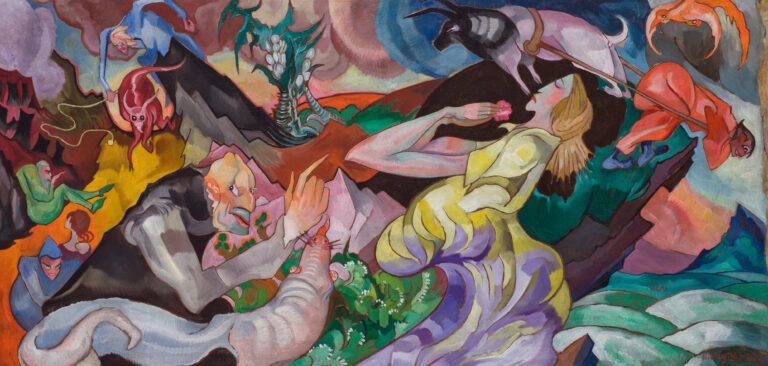
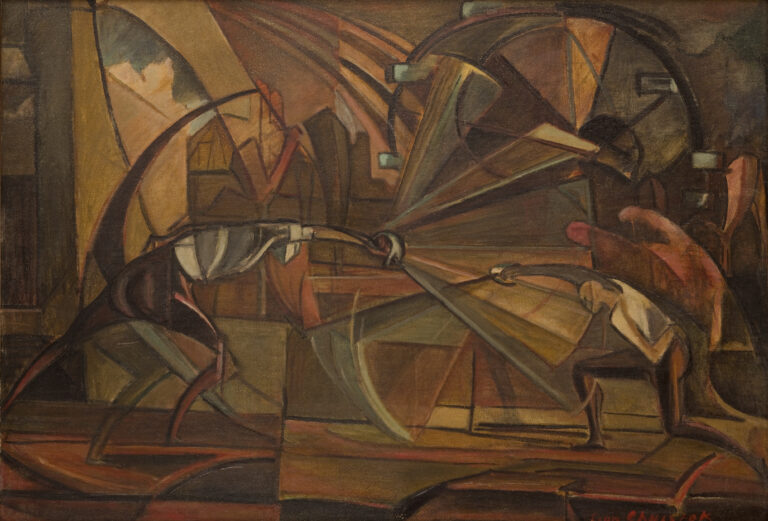
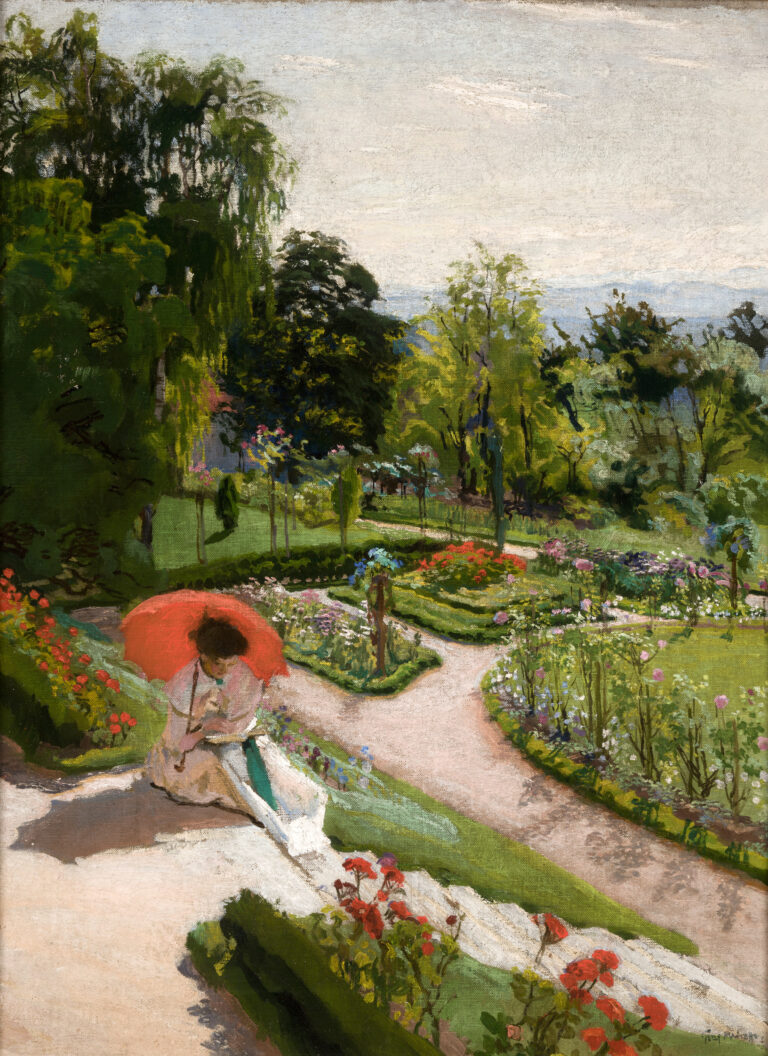
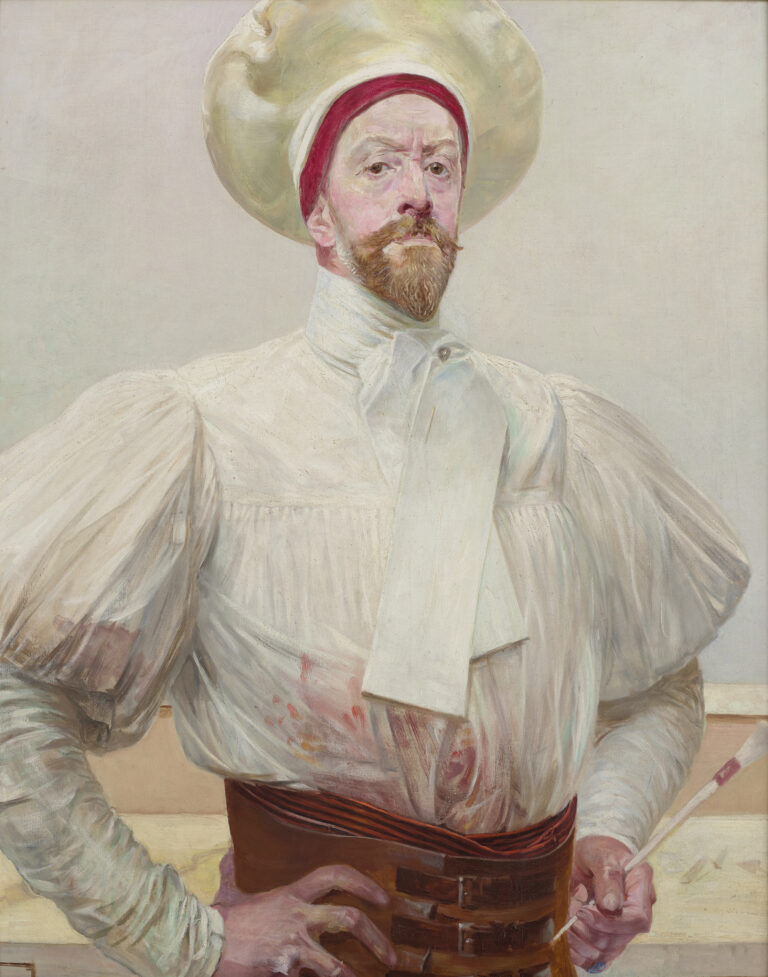
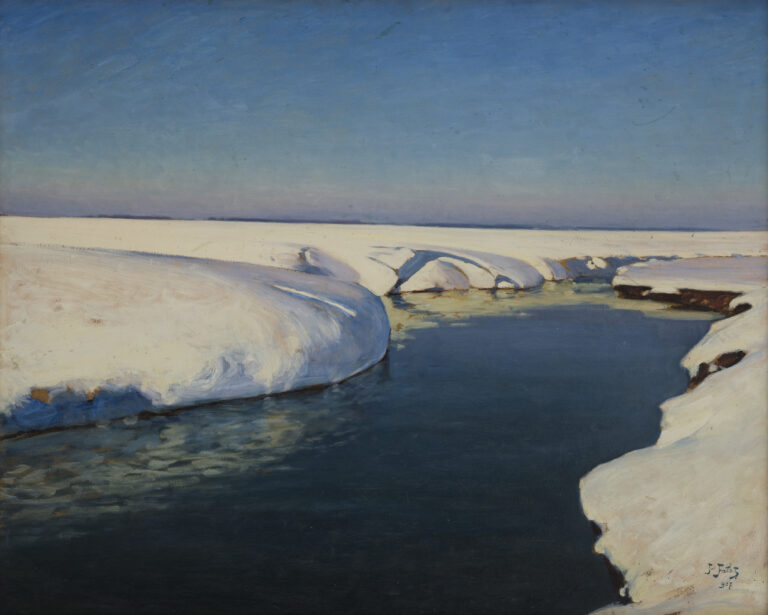
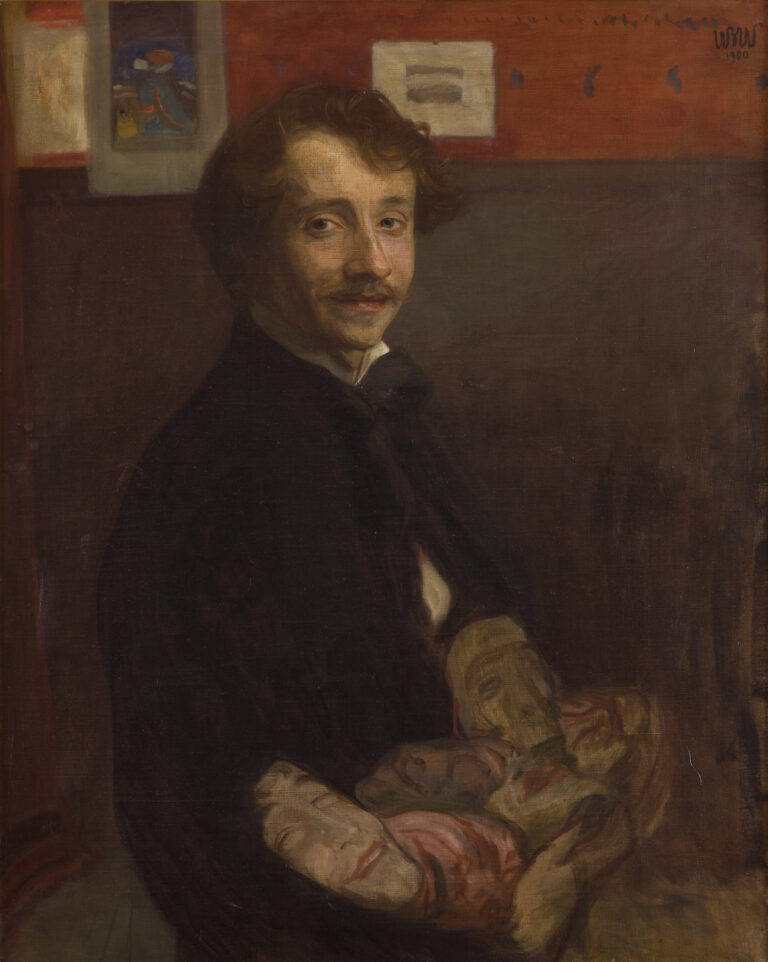
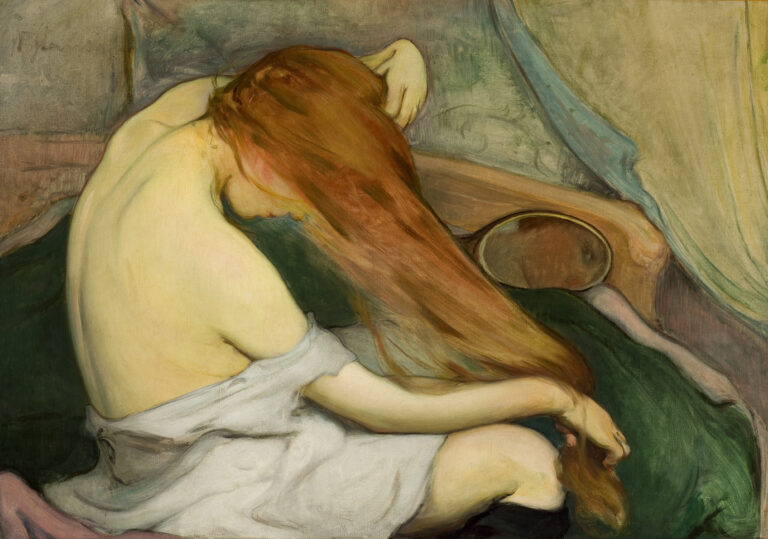
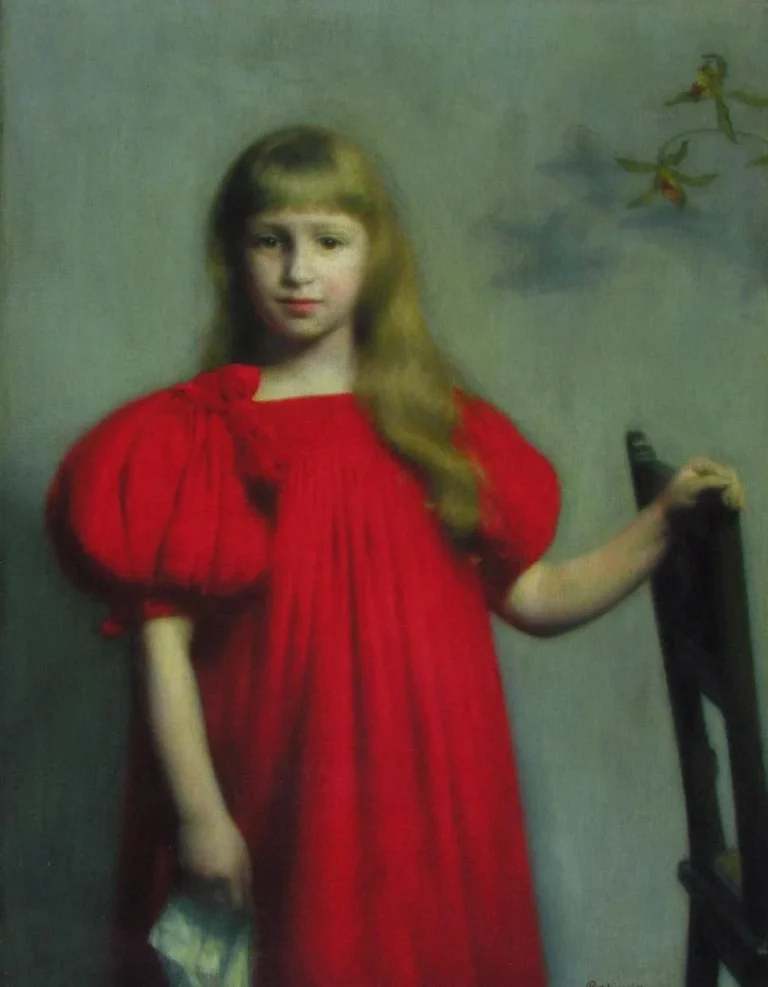
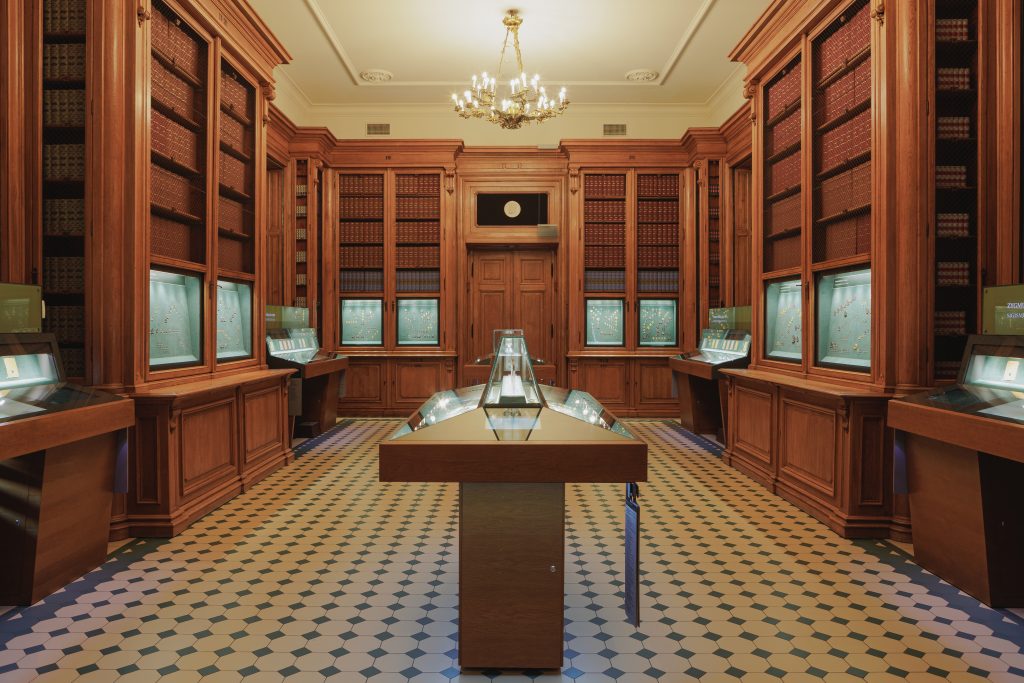
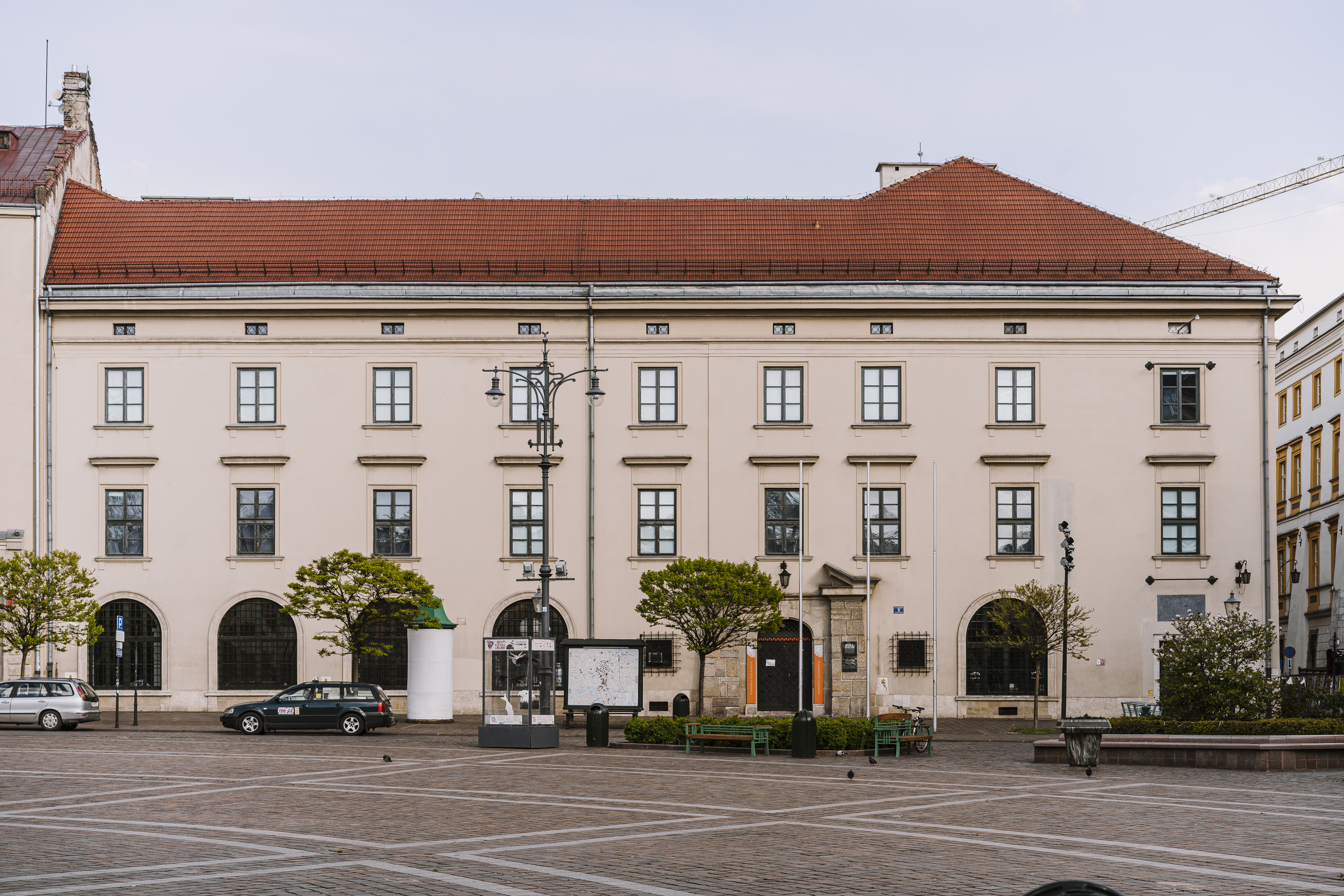
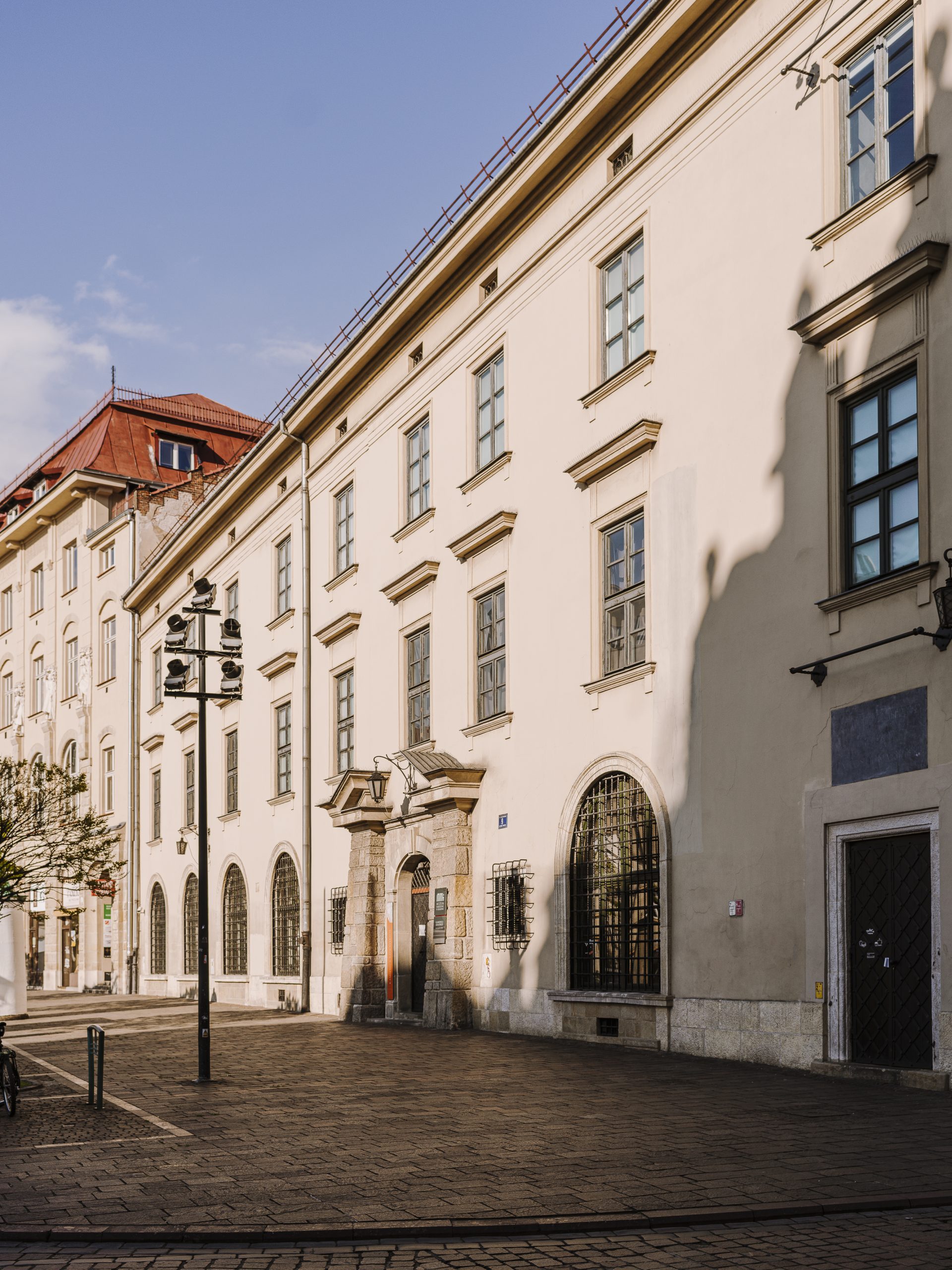
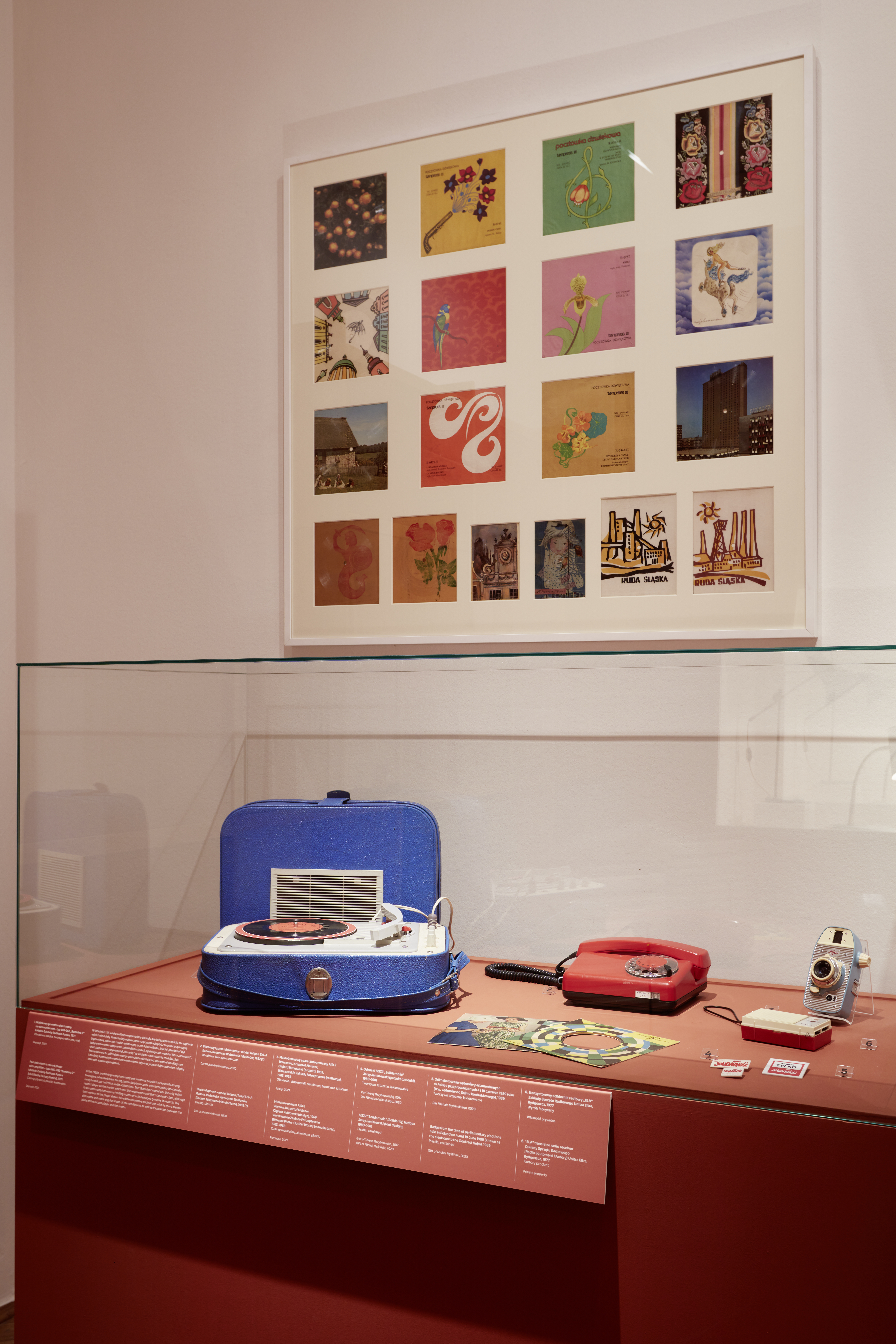
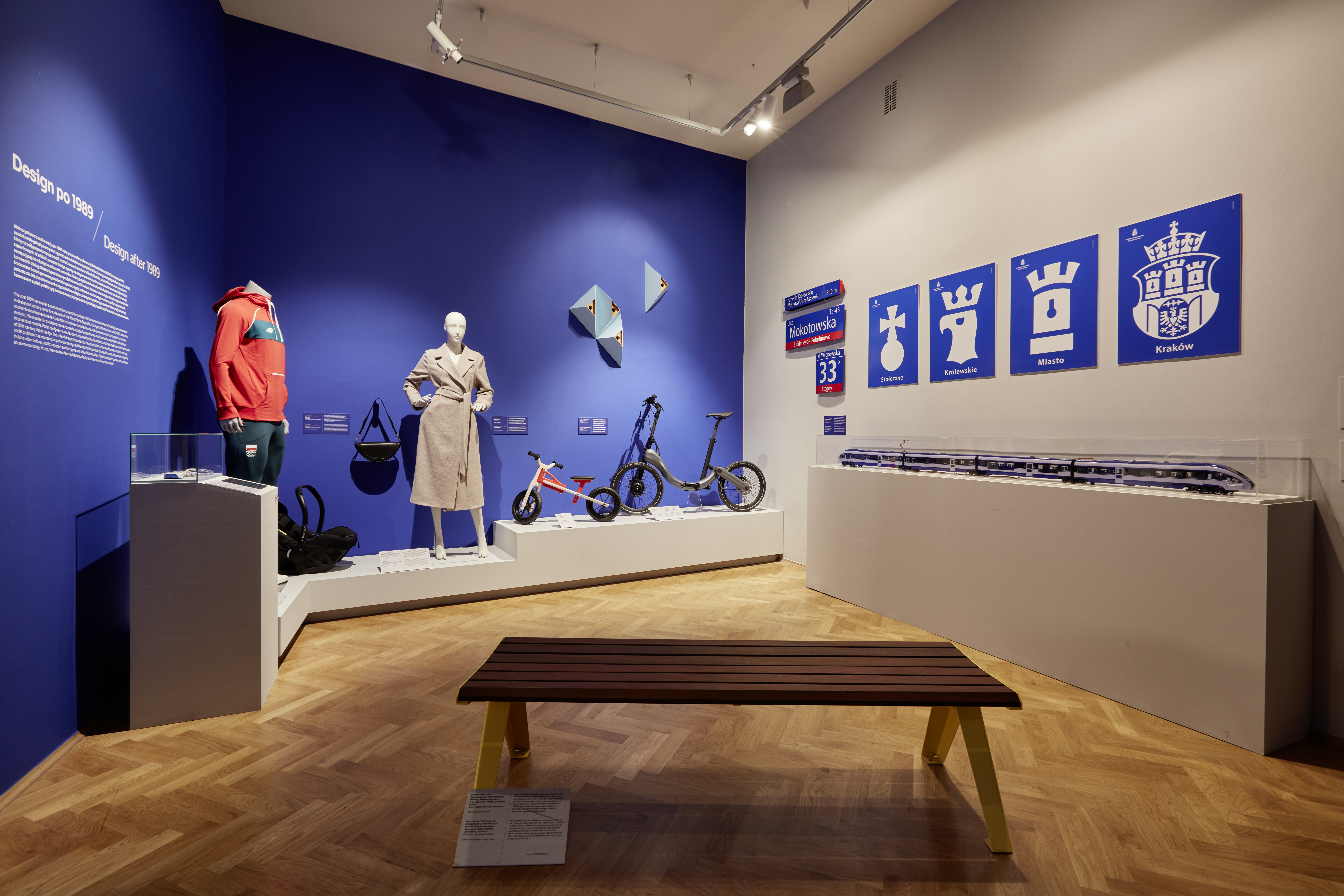
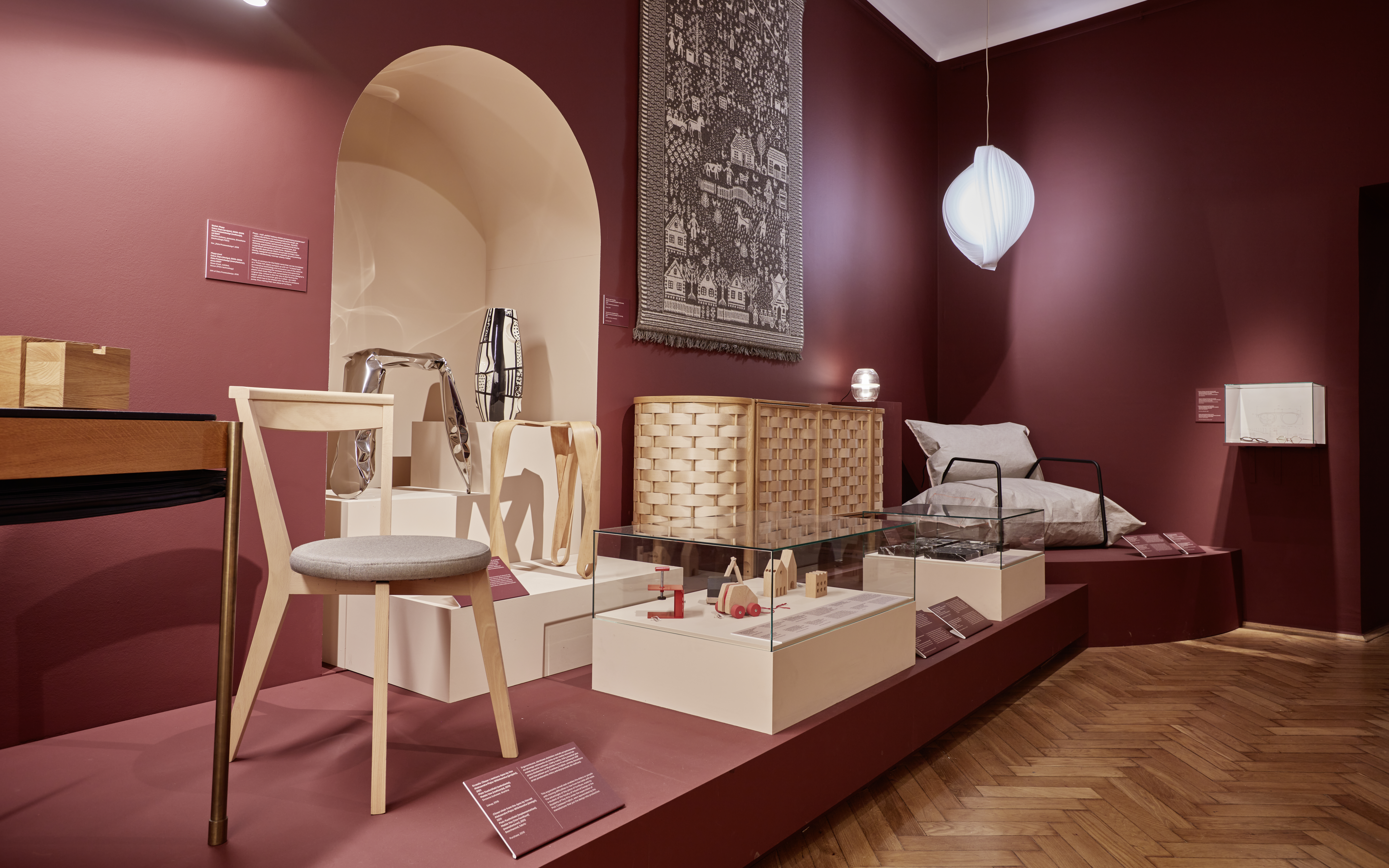
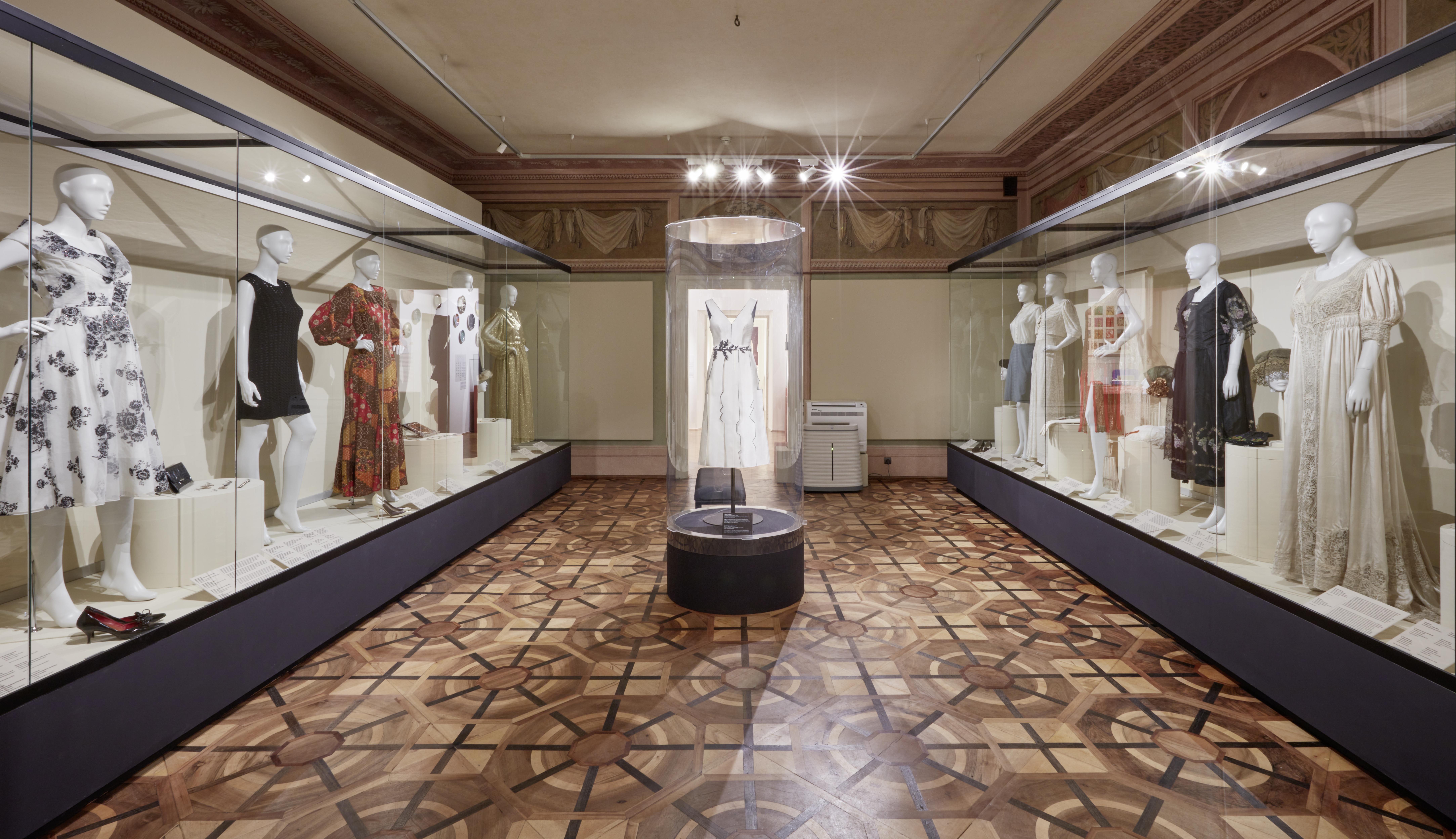
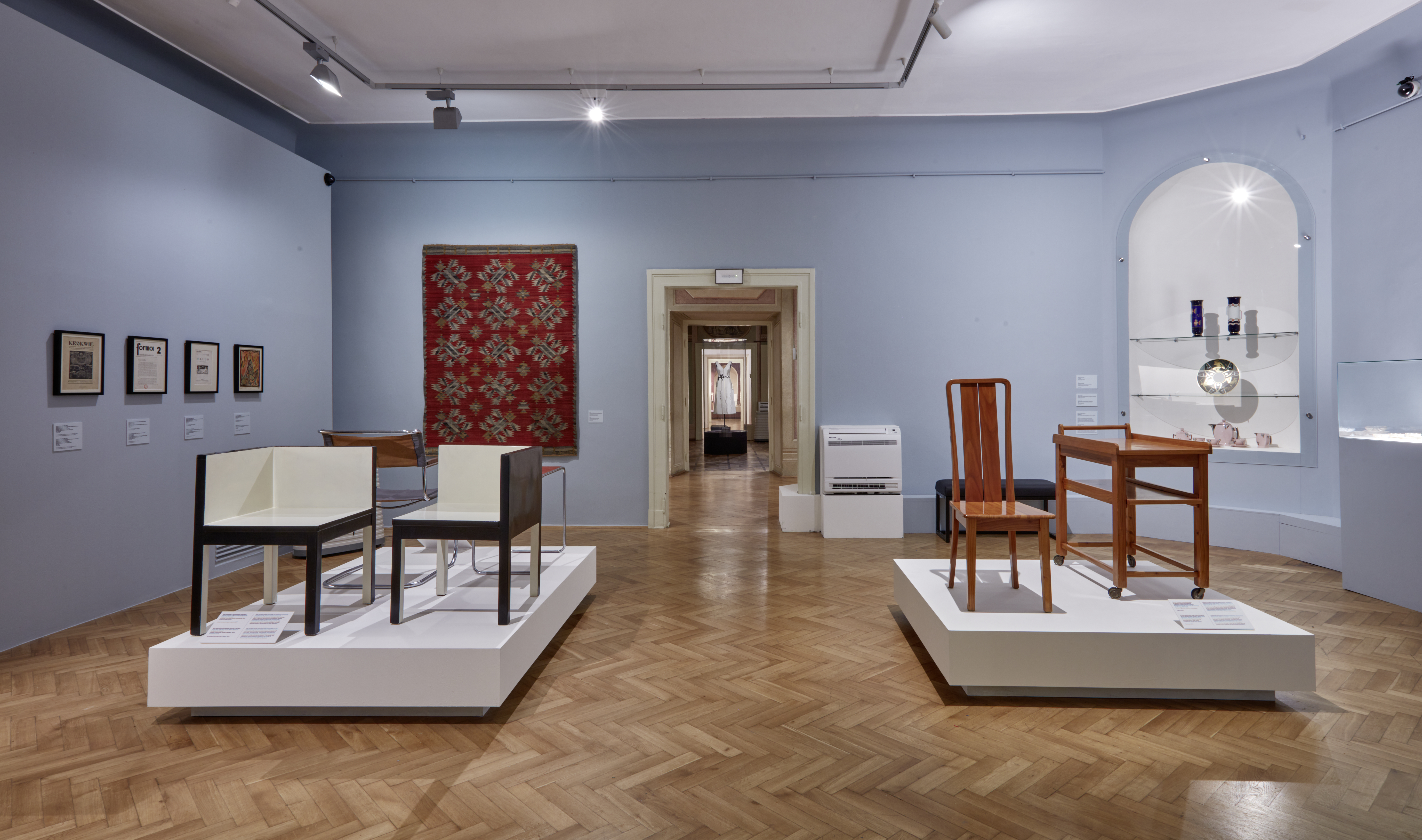
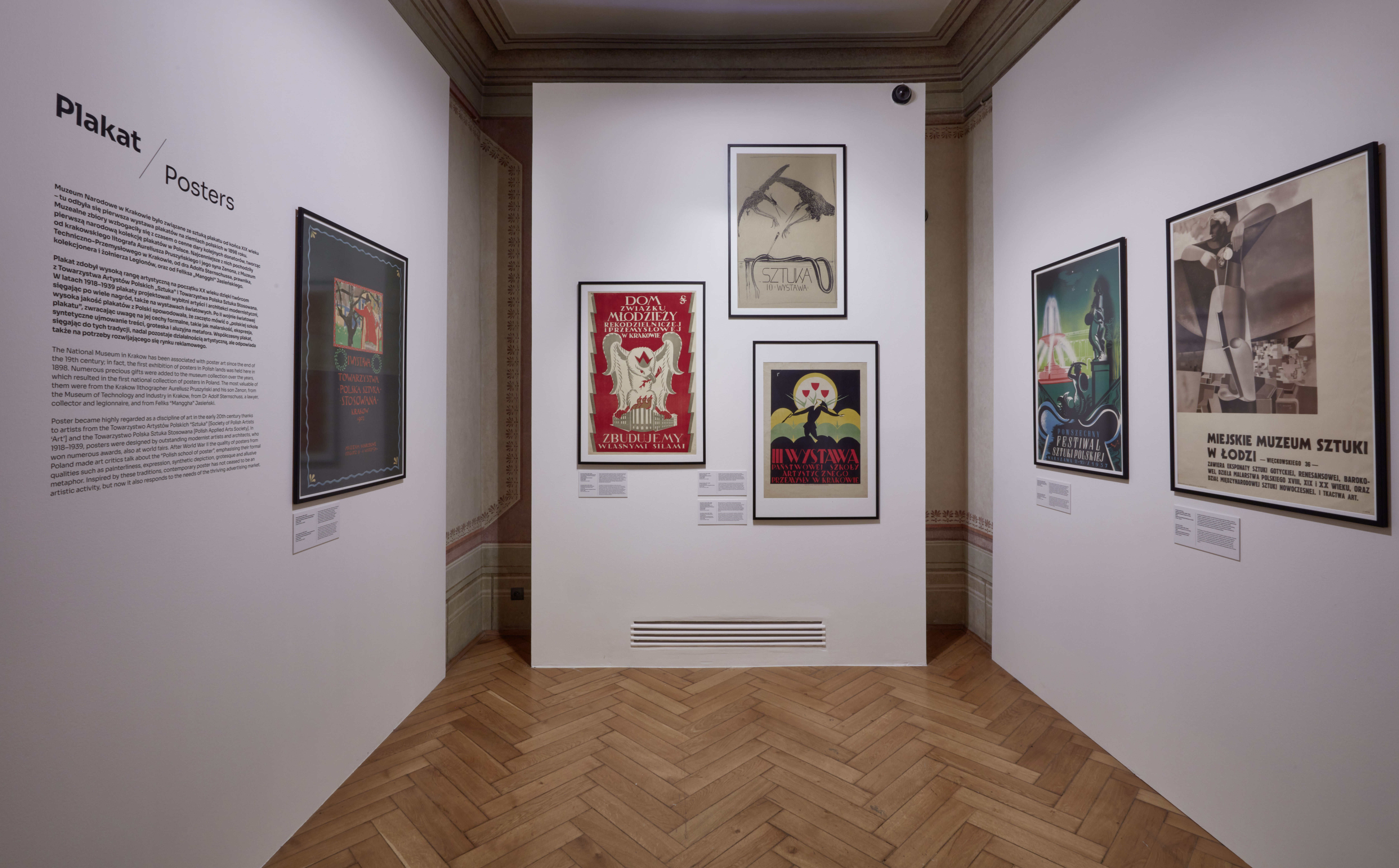
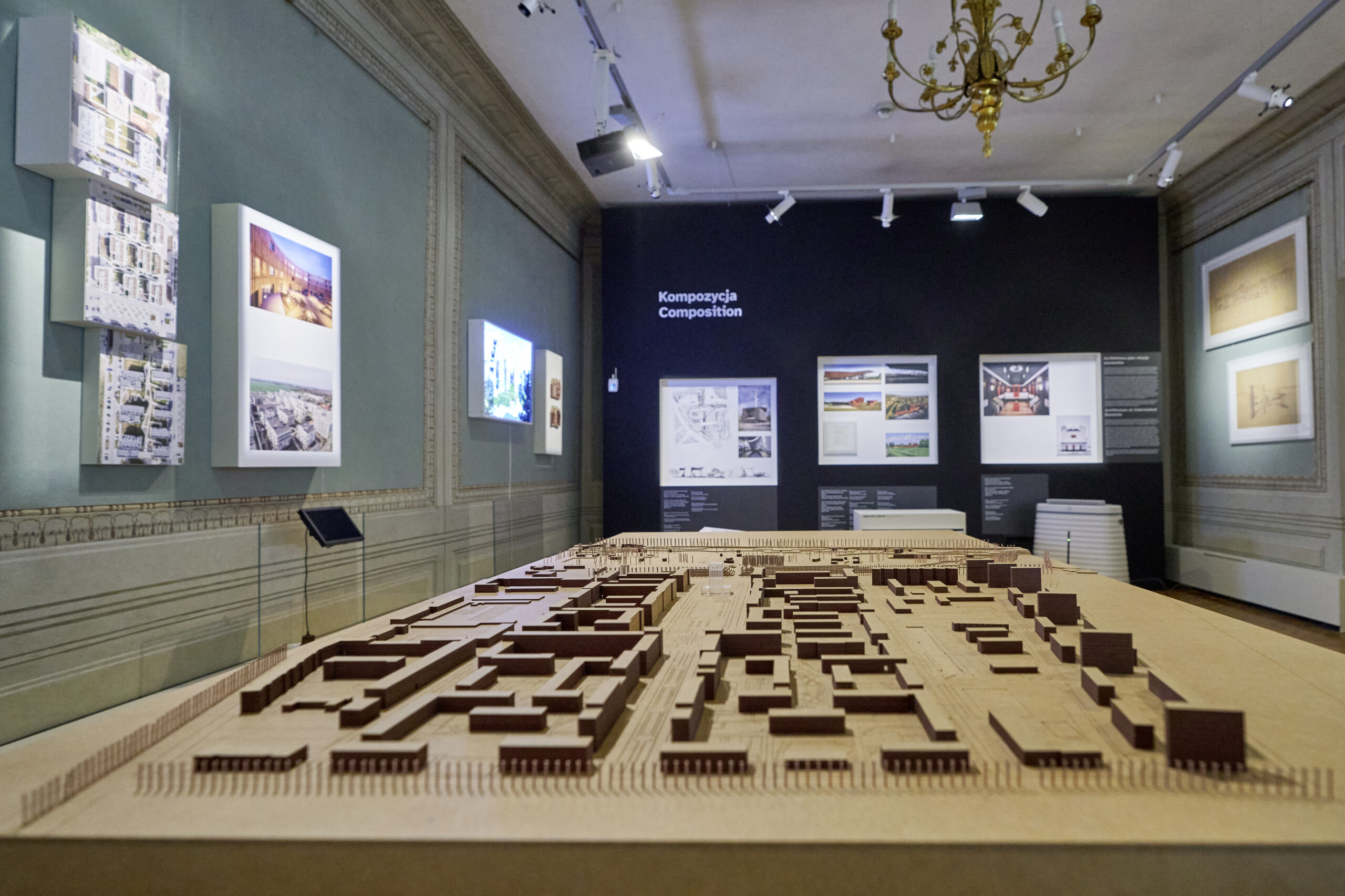
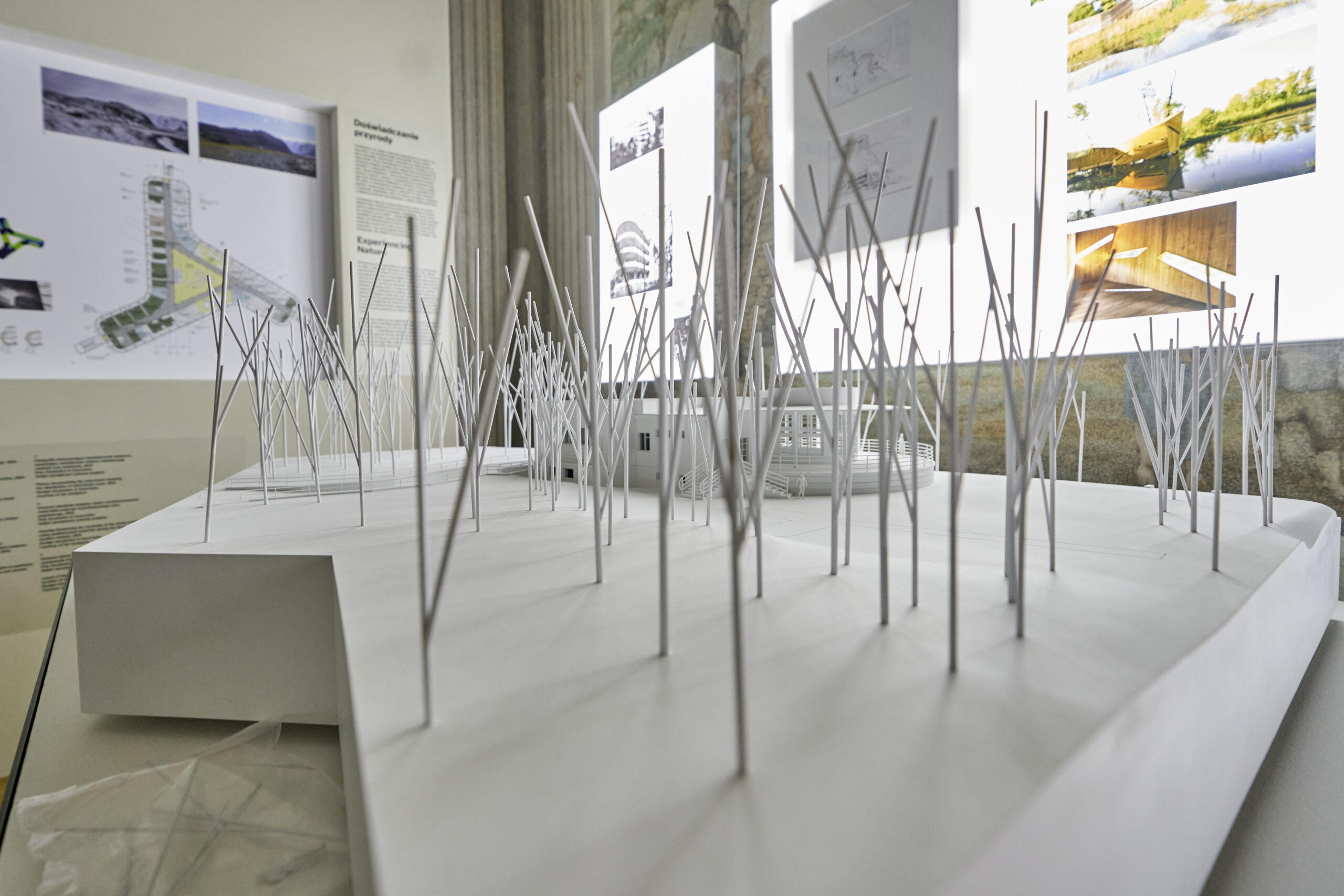
The Szołayski tenement house is a two-storey building on the corner of Plac Szczepański and Szczepańska Street, near the Old Theatre and the Krakow Palace of Art. Currently, the department houses two permanent exhibitions devoted to the history of architecture and design.
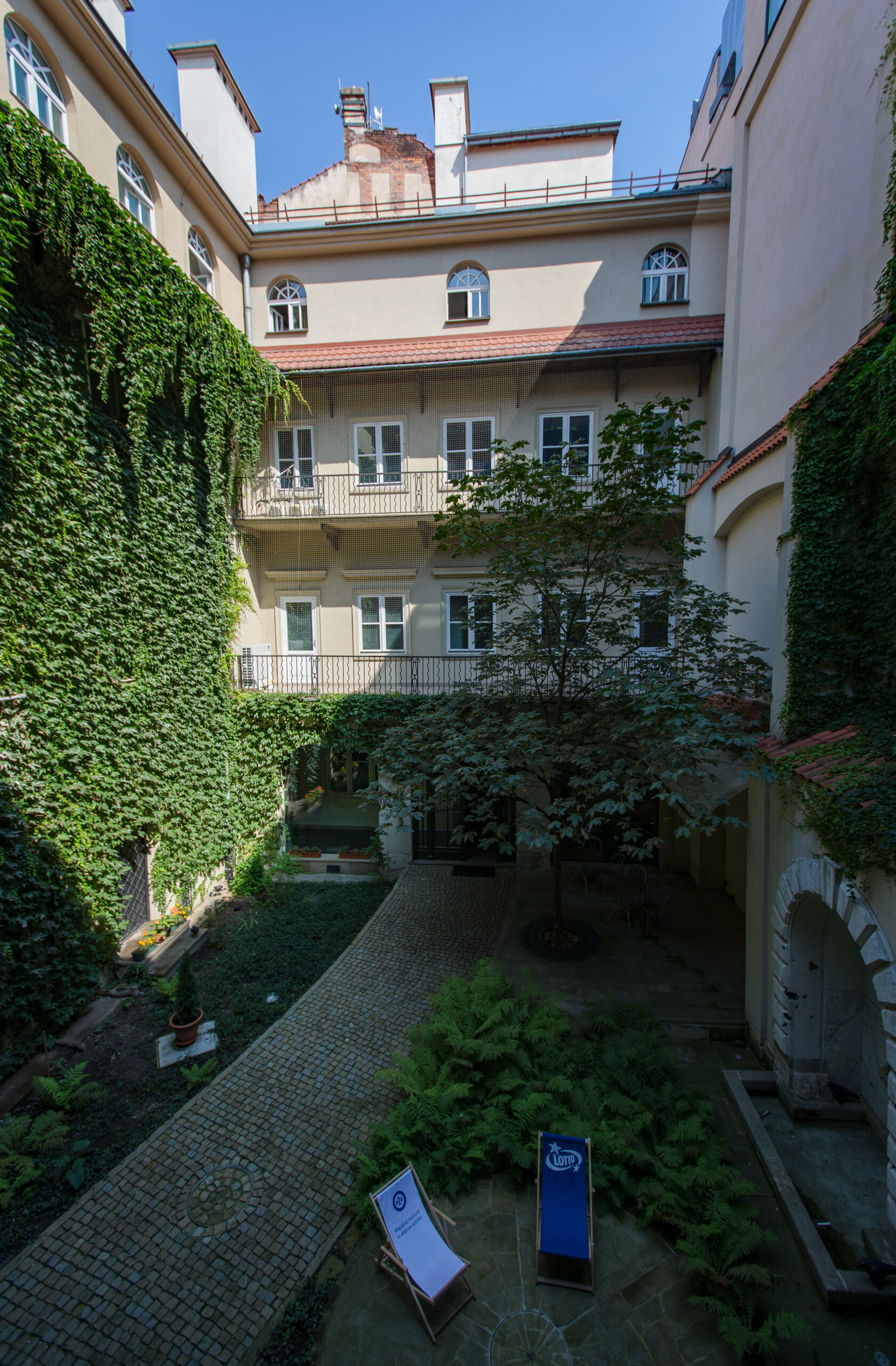
The oldest part of the building was built in the 15th century. The current shape of the tenement house was obtained as a result of reconstructions in the 17th, 19th and 20th centuries. Initially, bourgeois property, from the second quarter of the 17th century to the end of the 18th century, belonged to the Corpus Christi monastery.
The building took its present shape between 1815 and 1818, during the regulation of plac Szczepański. The editorial office and printing house of Kraków’s “Czas” operated there in the years 1849-1856. From 1902, the tenement house belonged to the landed gentry Szołayski family, who in 1904 transferred it to the National Museum in Krakow.
After the death of Włodzimiera Szołayska in 1928, the tenement house was adapted for museum purposes. At the end of 1934, the official opening of the Felix “Manggha” Jasieński Department took place here, dedicated to one of the museum’s greatest benefactors. During World War II, the building was annexed by the Germans for the needs of the Nazi party.
In 2003, the Stanisław Wyspiański Museum was relocated from Kanonicza Street, and a permanent exhibition dedicated to Feliks Jasieński was organised. After the general renovation and modernisation of the building in 2012, the name of the branch changed: the Wyspiański Museum was transformed into the Szołayski Tenement House, named after Feliks Jasieński.
In addition to permanent and temporary exhibitions, the branch hosts lectures, concerts, theatre performances and art classes for children and youth. Part of the ground floor of the renovated building was adapted to serve the public, including an information centre, a museum shop and a café as well as a multifunctional room. Thanks to the ramps and elevators, the collection is also available to people with disabilities.



pl. Szczepański 9, 31-011 Kraków























Discover our suggestions for exploring the museum’s branches. See the most important works in a single day, discover the lives of the greatest artists, or discover unusual works from bygone eras.
Ścieżka zwiedzania prowadzi przez trzy oddziały Muzeum Narodowego w Krakowie – Pałacu Książąt Czartoryskich, Arsenału oraz Domu Jana Matejki – ukazując, w jaki sposób sztuka przez stulecia budowała obraz państwa i pamięci narodowej.
He was a painter, graphic artist and designer; he explored new avenues in literature and experimented in theatre. You’ll find traces of Stanisław Wyspiański all over Kraków, as the artist had a direct influence on the way we see the city.



 See directions