




Discover the most important works
Discover the most important works from the collection of the National Museum in Krakow. Discover their fascinating history.
You can buy tickets for exhibitions and events online
Ticket prices:
Renting:
Monday: closed
Tuesday: 10.00 AM – 6.00 PM
Wednesday-Sunday: 10:00 AM – 4:00 PM
Last visitors are admitted to the gallery and exhibition no later than 20 minutes before closing time. The ticket office, gift shop, and cloakroom are open until closing time.
Public transport access – trams
Facilities available at the MNK Ciołek: audio description, architectural accessibility for people with mobility difficulties, sensory basket, quiet zone, defibrillator, cloakroom, changing table, elevator.
There is an elevator to the first floor, the entrance has no threshold, and the accessible restroom is located next to the elevator. The building is equipped with an additional stair climber, platforms, and portable rails, which are necessary to navigate a few steps leading to the side rooms. The facility is equipped with a defibrillator.
The entrance to the Gallery of Orthodox Art and the entrance to the ticket office, information and the Gallery of Art of Old Poland are difficult to access. The stairs to the exhibition can be climbed with the help of the Museum employees using aluminium rails. In the cash register, there is a tactile audio-enabled information board with a description of the building’s space in Polish, English, and Ukrainian.
The exhibition “Krakow within your reach” and educational rooms at level -1 are accessible to wheelchair users only with the assistance of a stair climber. The exhibition “Krakow within your reach” has been adapted for the needs of blind visitors through the publication of a Braille guide and the arrangement of a specially designed visitor route. The induction loop system activates the audio guide when a blind visitor is standing in front of an exhibit. The exhibition is available on request, assisted by a branch employee.
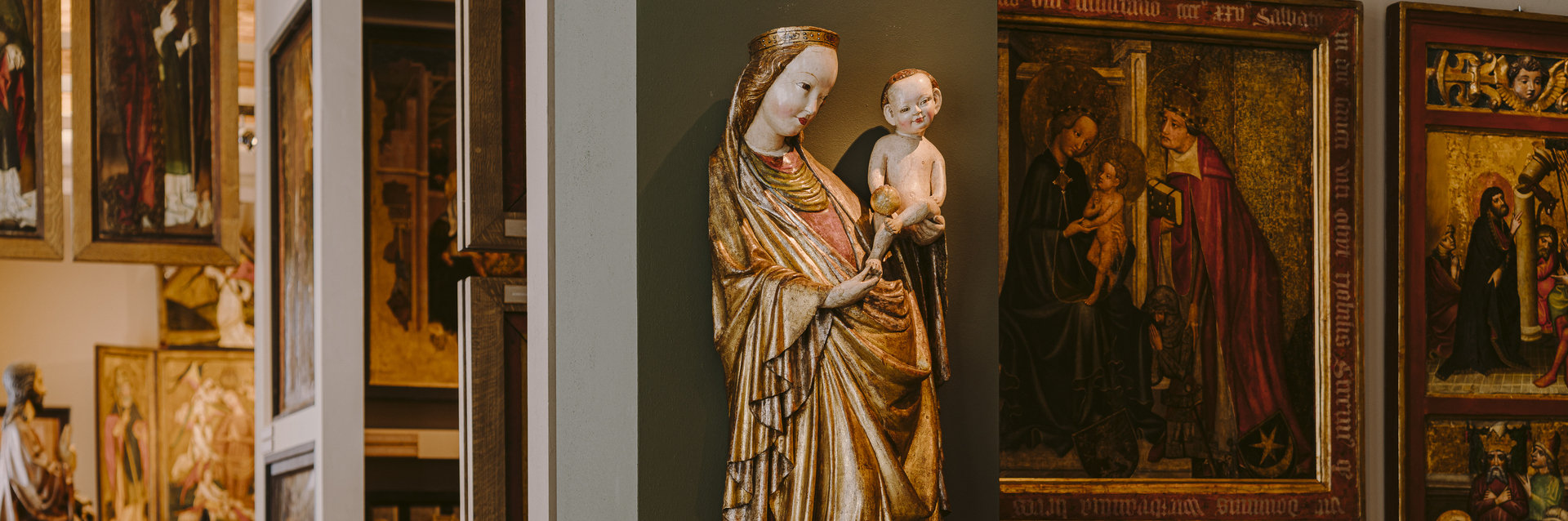
For blind people, specially made replicas of Gothic masterpieces — Madonna and Child from the Church in Krużlowa Wyżna and the Madonna with Child from Grybów — have been displayed in the exhibition area, accompanied by commentary written in Braille.
 MNK Main Building
MNK Main Building
MNK Main Building
 MNK Szołayscy
Discover the most important works from the collection of the National Museum in Krakow. Discover their fascinating history.
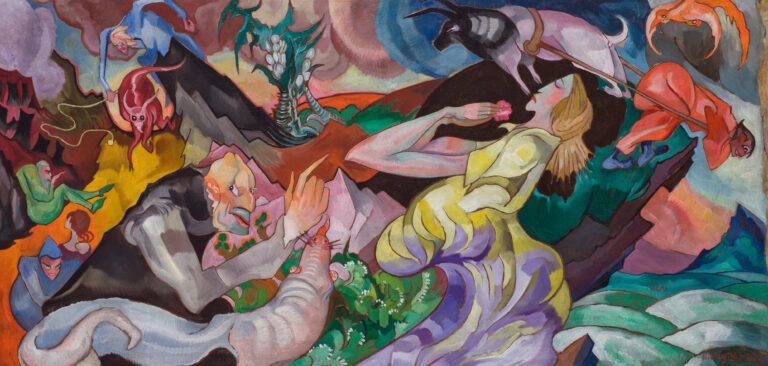
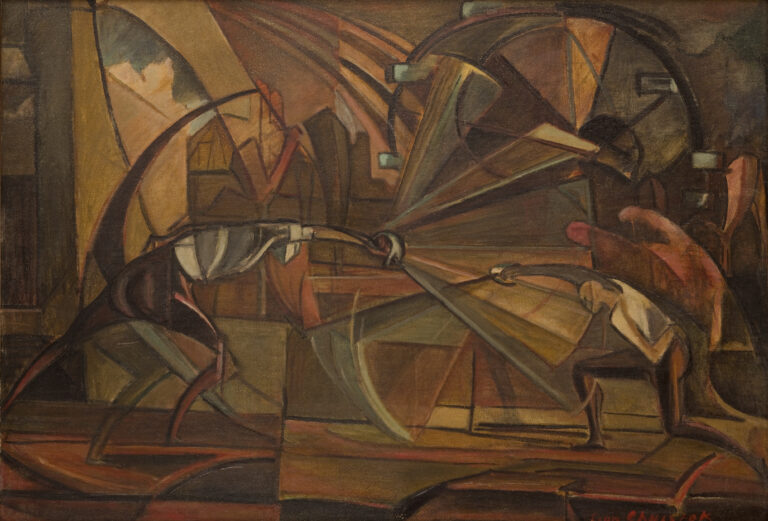
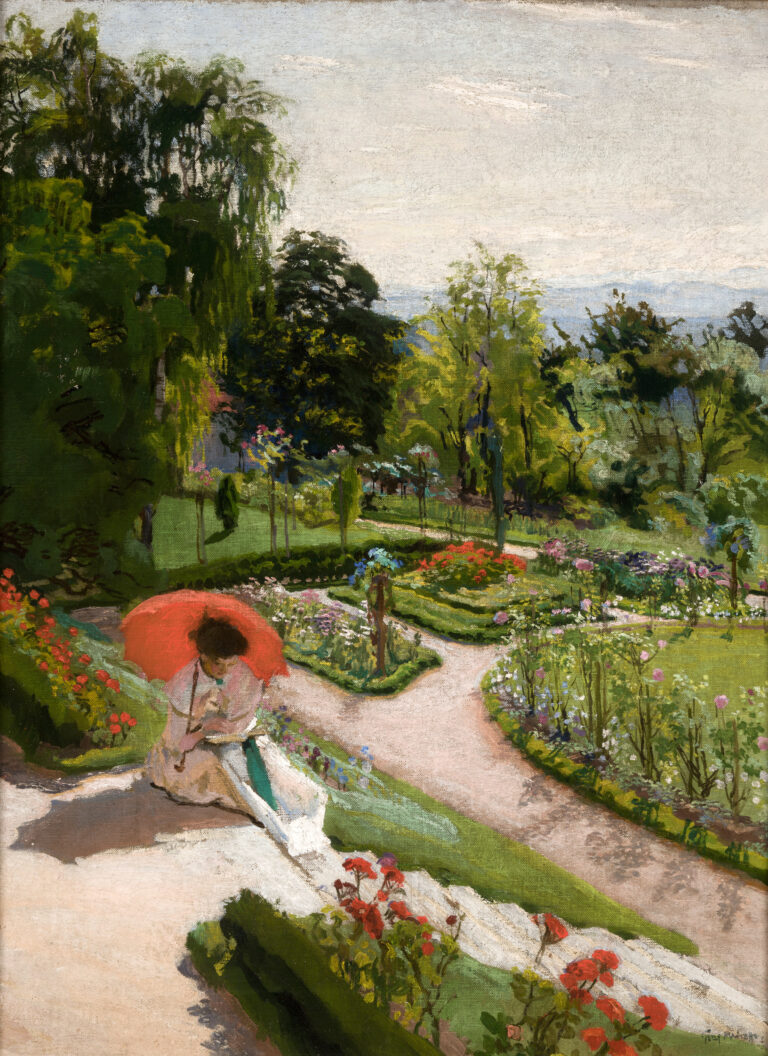
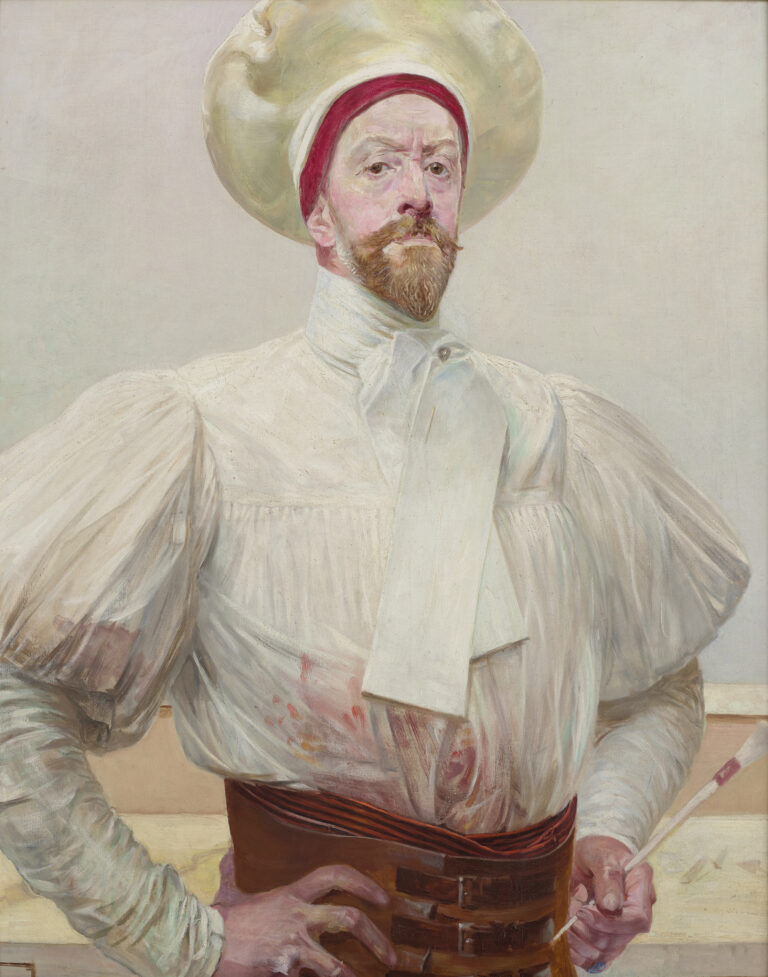
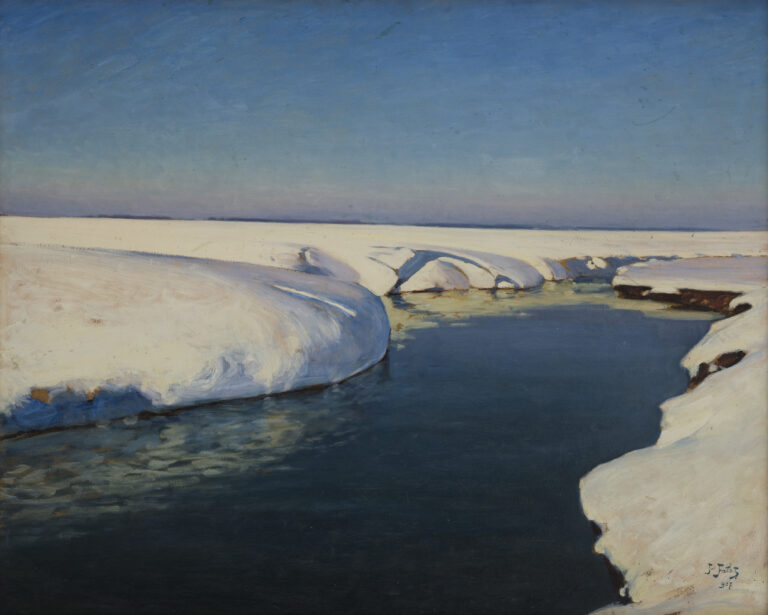
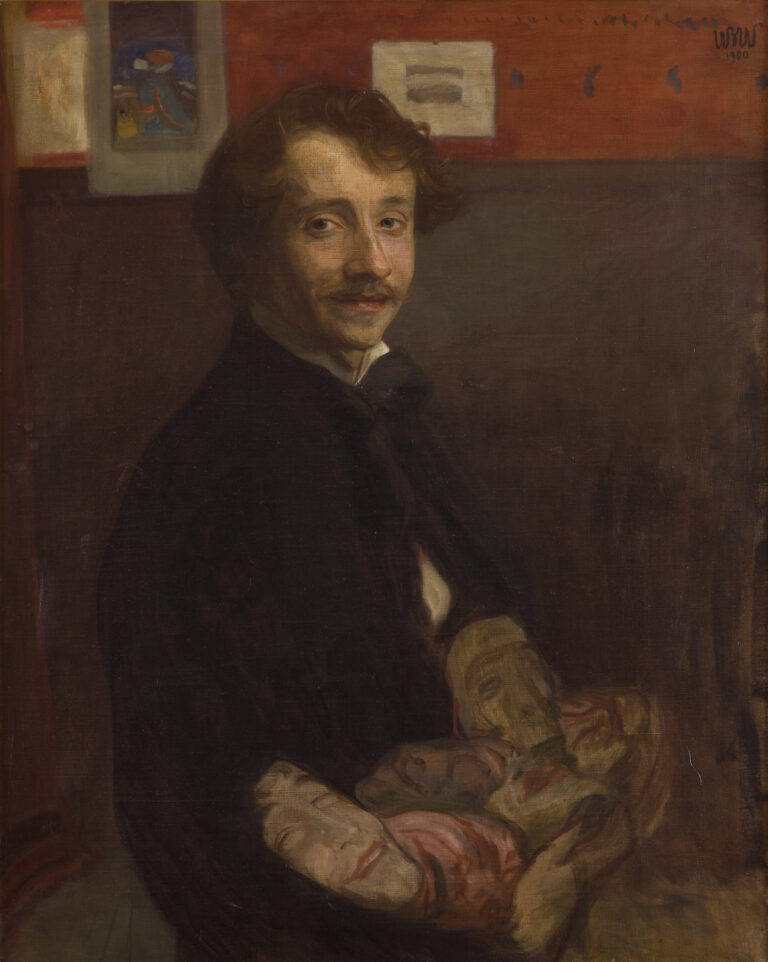
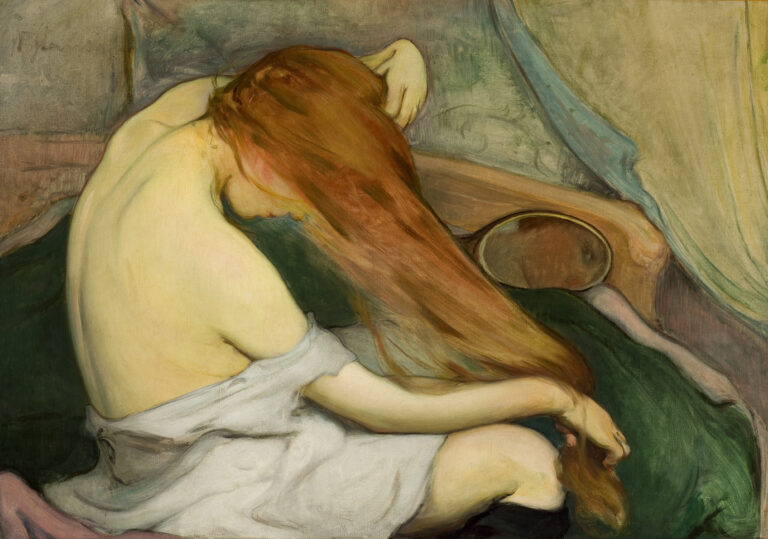
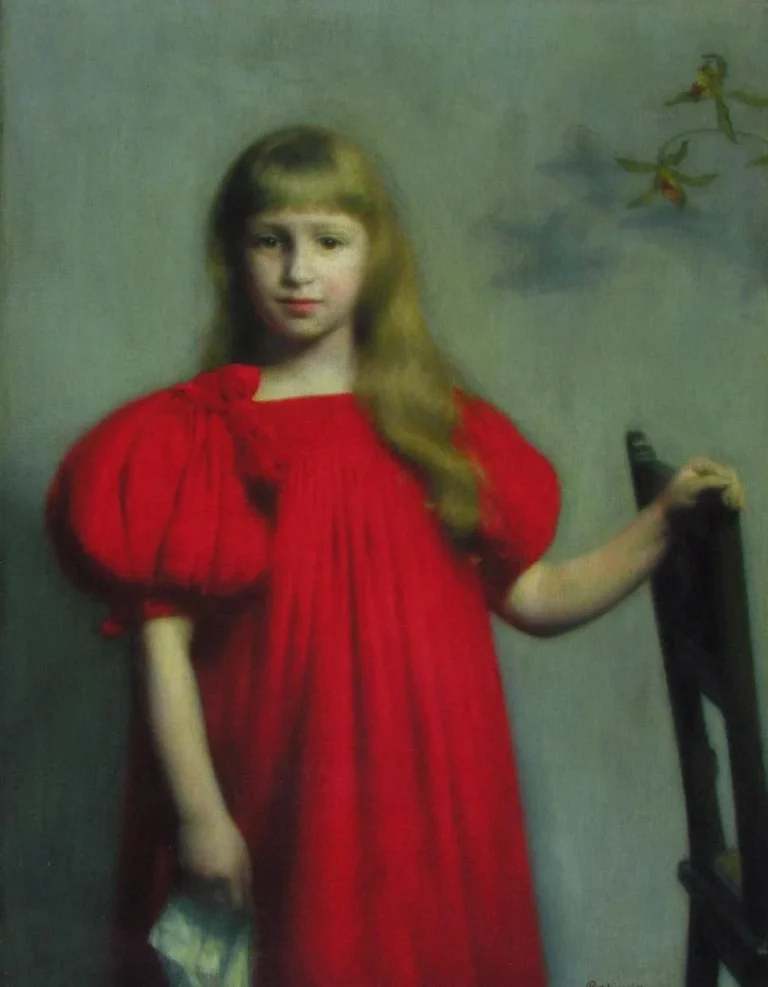
The former city palace at Kanonicza Street is a remarkable historic building featuring elements of Gothic and Renaissance architecture. The museum contains valuable works of Polish art from the Middle Ages and the early modern period, Orthodox icons, as well as around 800 elements of architectural sculpture from across Poland, including pieces originating from Gniezno Cathedral, St. Mary’s Basilica, and Wawel Cathedral in Kraków.
The palace was built between 1501 and 1503 for Erasmus Ciołek, the Bishop of Płock and secretary to King Alexander Jagiellon. Bishop Ciołek was a diplomat, humanist and patron of the arts. The architecture of the building features traditional Gothic elements (pillars in the vestibule) and influences of the Italian Renaissance (main portal).
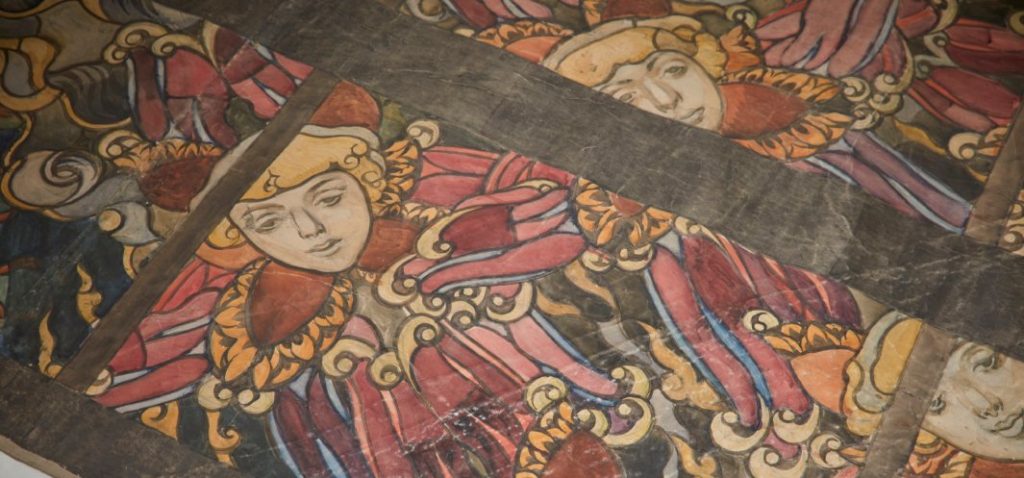
At the beginning of the 16th century, Florian Ungler’s printing house was located here, next to the bishop’s residence. The palace was expanded in the 1520s. (the decor of Tomicki Hall on the first floor dates back to this decade) and at the turn of the 16th and 17th centuries. It was thoroughly renovated in the first half of the 18th century, when fresco decorations were added to the representative rooms on the first floor (the so-called Hall of Virtues), and the façade was reinforced with a sloping wall and adorned with a painted decoration in the form of cream-coloured latticework against a pink background. In 1805, the Palace became the property of the Austrian authorities. It was turned into a police station and a prison. Later, various state offices were located here until the 1990s.
In 1996, the Palace was donated to the National Museum in Krakow. A general renovation of the building was carried out between 1999-2006, financed by the Citizens’ Committee for the Renovation of Krakow’s Historic Monuments, during which the Palace was restored to its former glory. In 2007, two permanent galleries presenting the collection of the National Museum in Krakow were opened in the Palace. The first floor houses the exhibition titled Art of Old Poland. The 12th – 18th Century. (from 10 March 2014 to 28 February 2015 closed to visitors for conservation reasons), where visitors can admire Polish works of art from the medieval, Renaissance and Baroque periods. The ground floor presents an exhibition titled Orthodox Art of the Old Polish Republic (closed for visitors from August 1, 2014, to February 28, 2015, for conservation reasons). In addition to the permanent galleries, the Palace is home to two academic sections: the 1st Department – Polish Painting and Sculpture before 1764 and the 18th Department – Orthodox Church Art. The building also houses a painting and sculpture conservation studio. The exhibitions offered in the Palace constitute the foundation of extensive educational activities.
In 2009, the National Museum in Krakow was announced the winner of the “Well-preserved Monument” competition, organised by the General Conservator of Monuments – The Ministry of Culture and National Heritage came to appreciate the comprehensive restoration of the Bishop Erazm Ciołek Palace.

ul. Kanonicza 17, 31-002 Kraków
Ticket office























Discover our suggestions for exploring the museum’s branches. See the most important works in a single day, discover the lives of the greatest artists, or discover unusual works from bygone eras.
Ścieżka zwiedzania prowadzi przez trzy oddziały Muzeum Narodowego w Krakowie – Pałacu Książąt Czartoryskich, Arsenału oraz Domu Jana Matejki – ukazując, w jaki sposób sztuka przez stulecia budowała obraz państwa i pamięci narodowej.
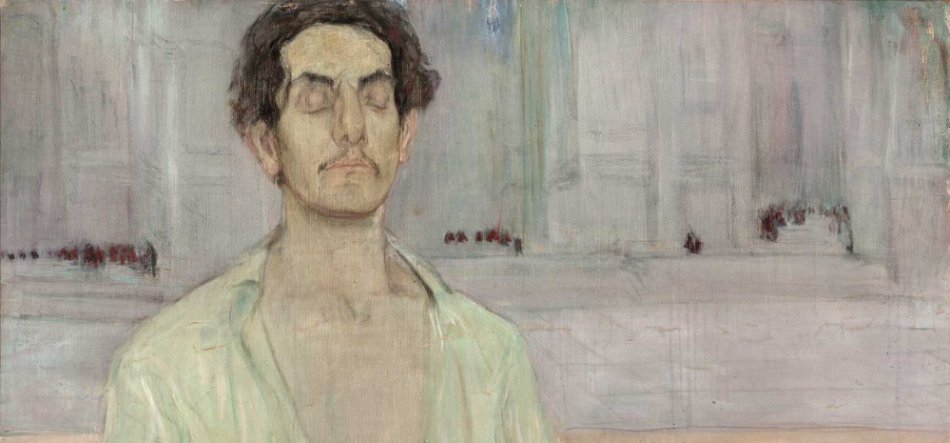
He was a painter, graphic artist and designer; he explored new avenues in literature and experimented in theatre. You’ll find traces of Stanisław Wyspiański all over Kraków, as the artist had a direct influence on the way we see the city.


 See directions