




Discover the most important works
Discover the most important works from the collection of the National Museum in Krakow. Discover their fascinating history.
You can buy tickets for exhibitions and events online
Ticket prices:
Monday: closed
Tuesday-Sunday: 10.00 AM – 5.00 PM
Last visitors are admitted to the gallery and exhibition no later than 20 minutes before closing time. The ticket office, gift shop, and cloakroom are open until closing time.
On foot
By car
Facilities available at MNK Szymanowski: audio description, architectural accessibility for people with mobility difficulties, sensory basket, garden, shop, cloakroom, changing table.
The building is accessible to individuals with mobility impairments. Accessible: restroom, ramps, and wide doors. It is not possible for wheelchair users to enter on their own. The entrance to the property has a high threshold and a steep, rocky slope leading down to the building. Possible entry by car, after prior notification to the employees of the Museum branch.
 MNK Main Building
MNK Main Building
MNK Main Building
 MNK Szołayscy
Discover the most important works from the collection of the National Museum in Krakow. Discover their fascinating history.
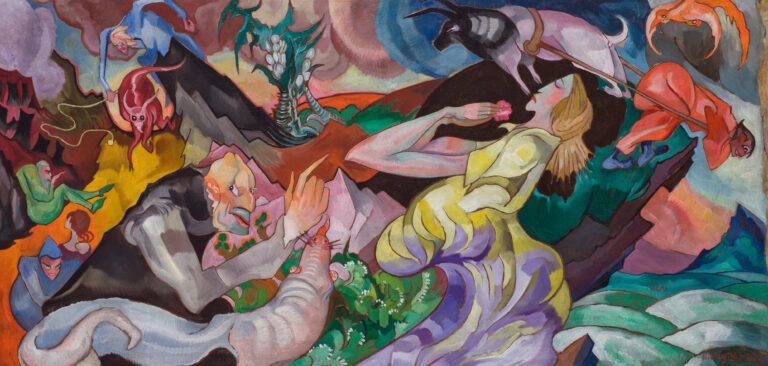
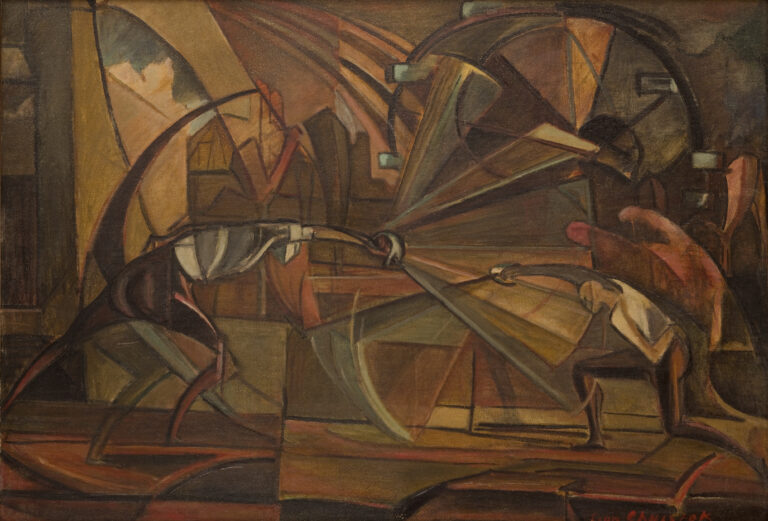
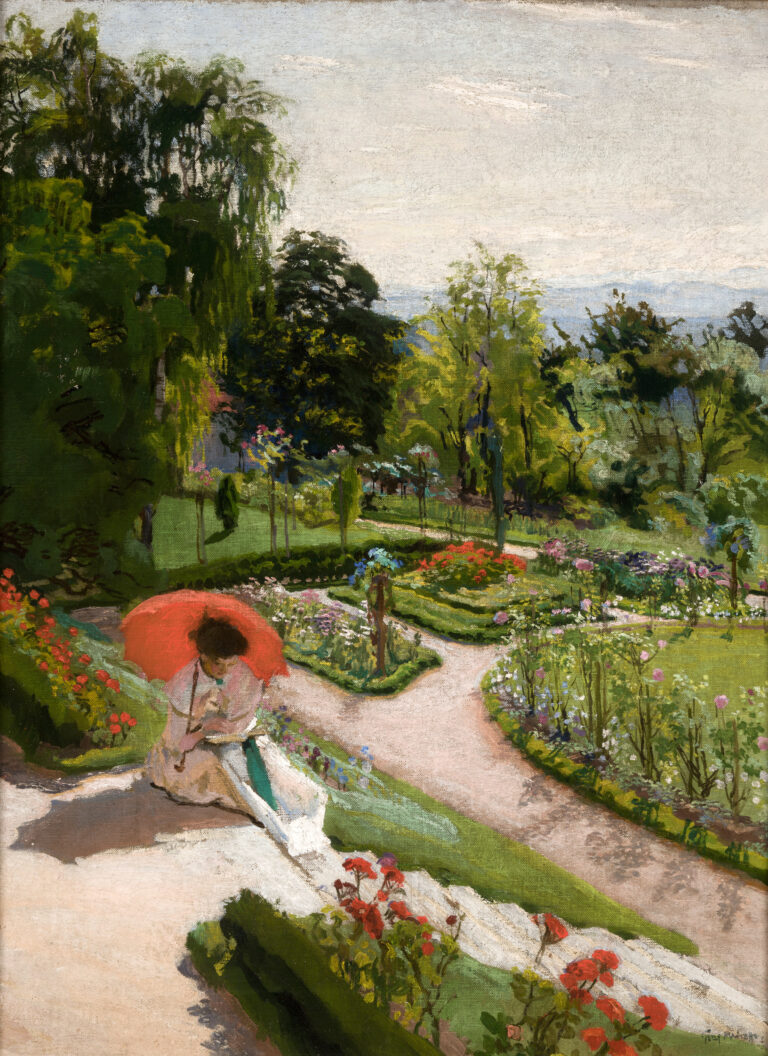
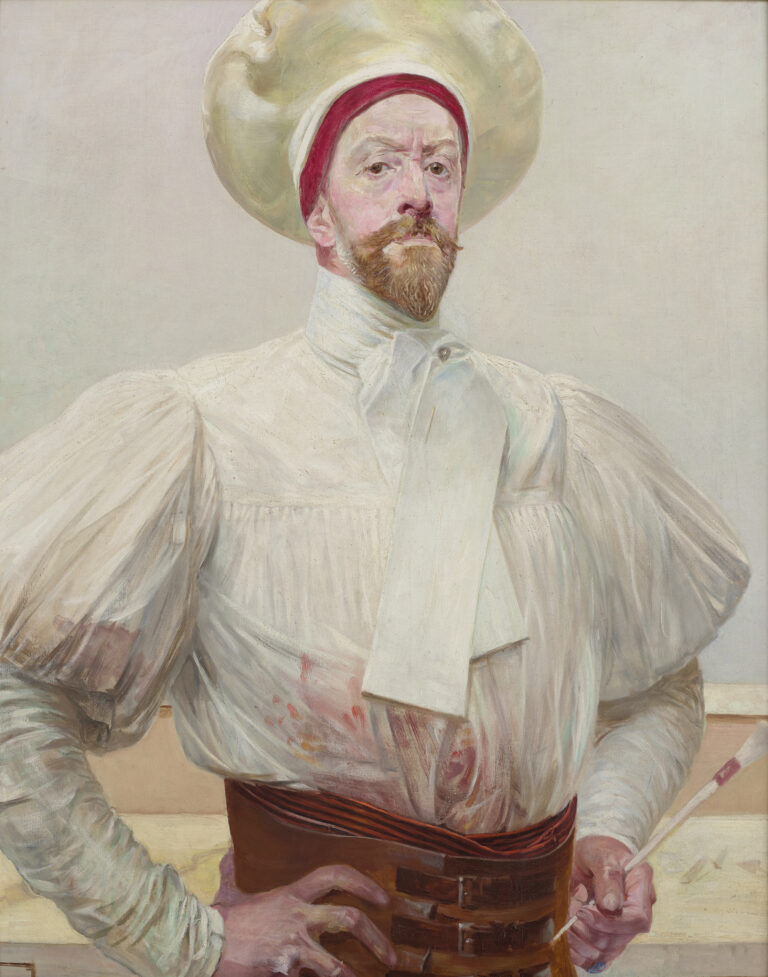
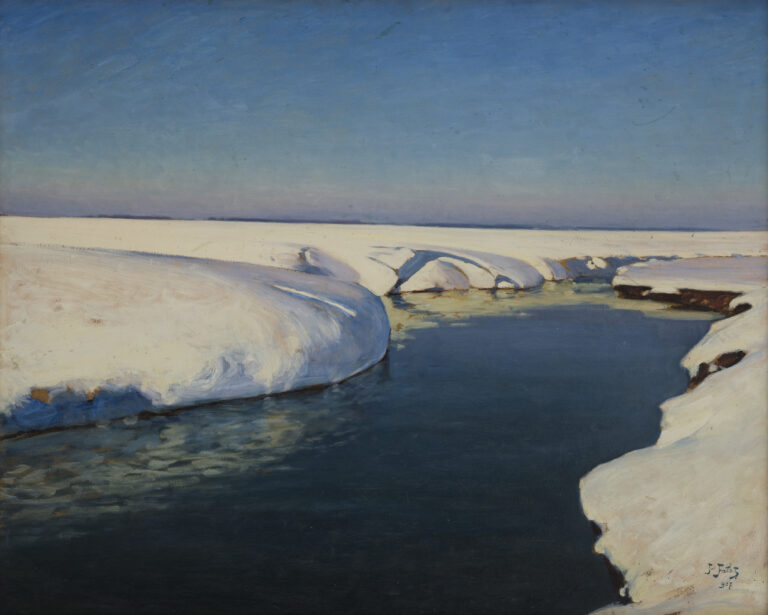
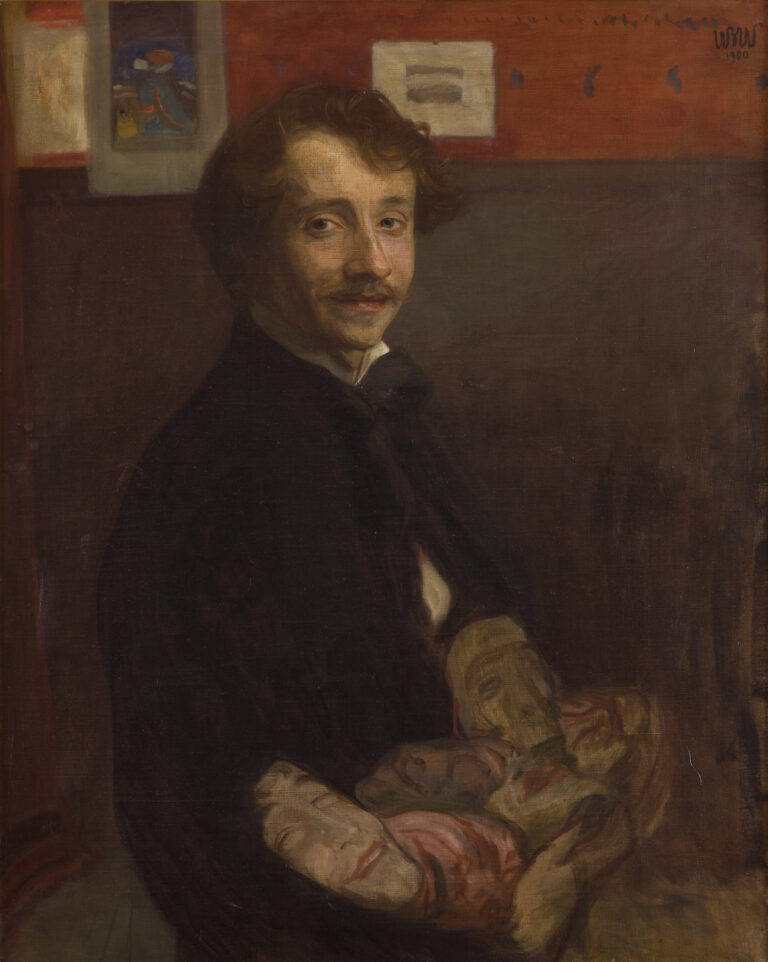
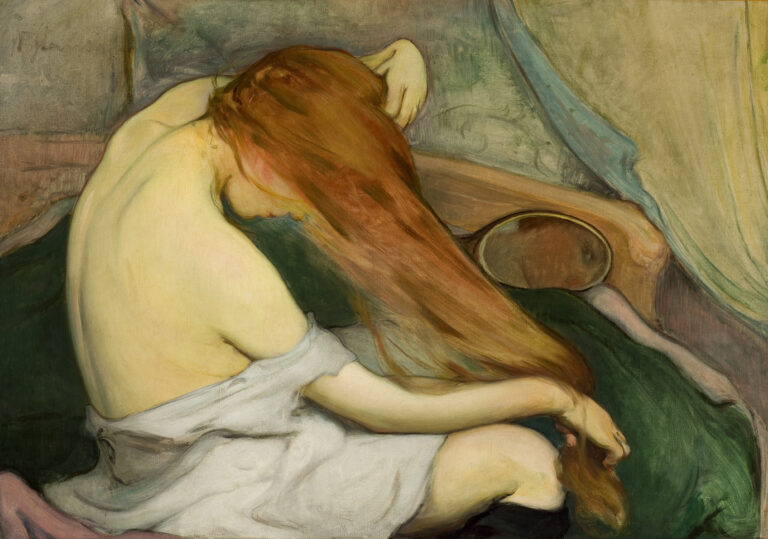
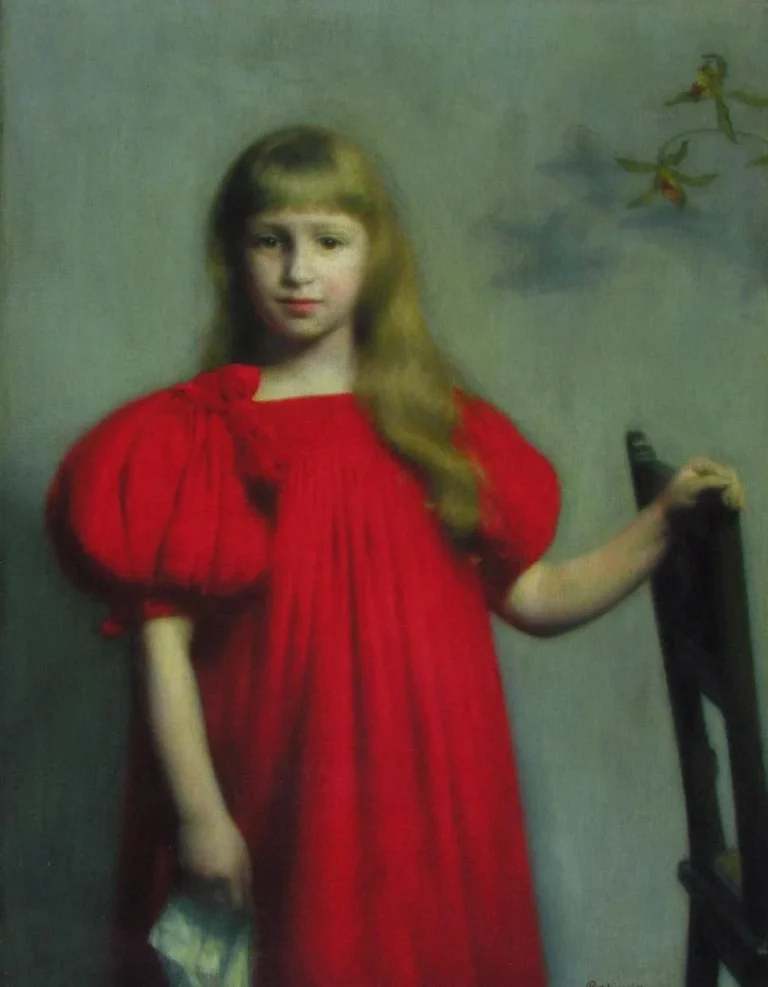
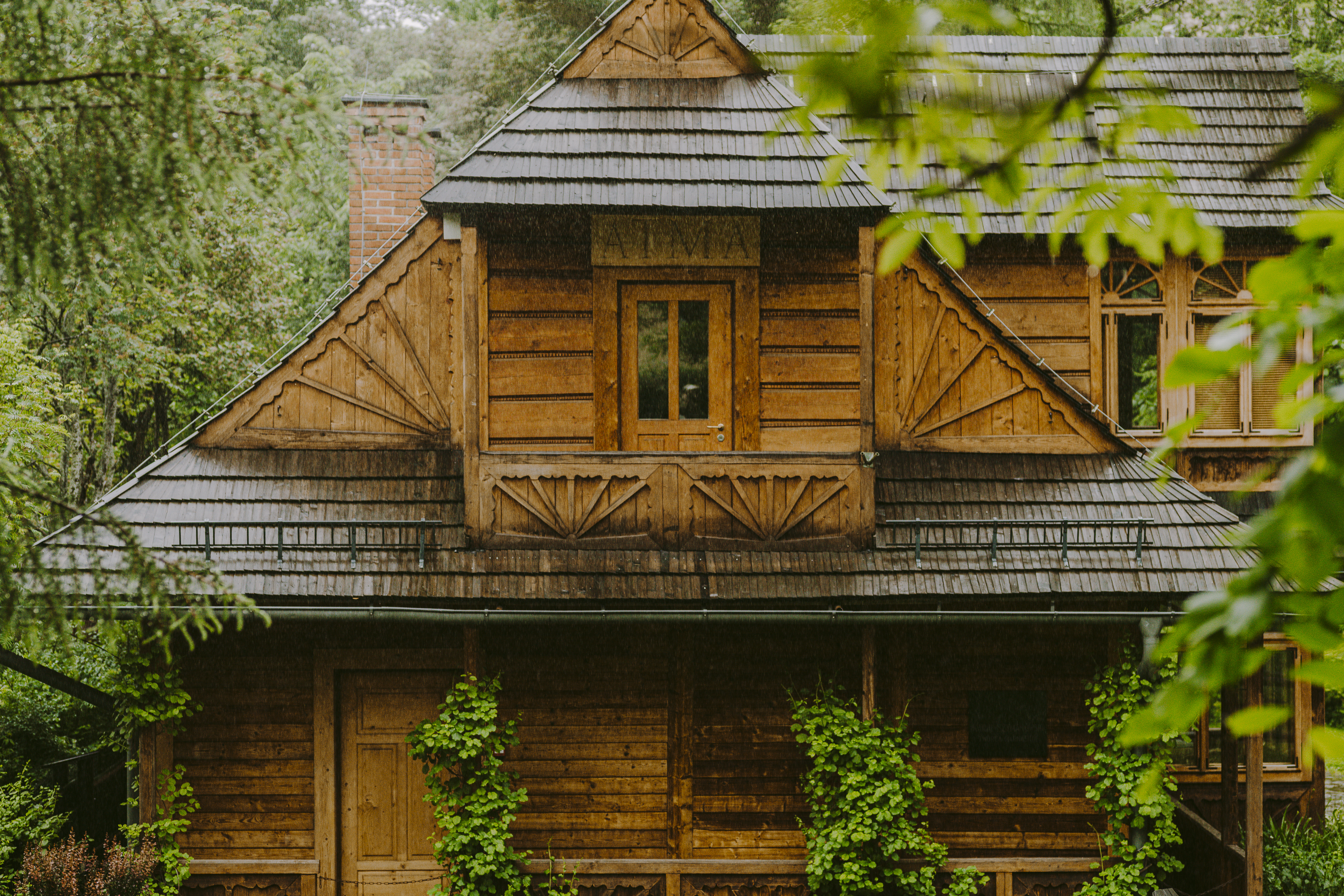
The Zakopane villa “Atma” is the world’s only biographical museum dedicated to Karol Szymanowski (1882–1937), most outstanding composers and a pioneer of contemporary music in Poland. Szymanowski was a composer, pianist, teacher, writer, and publicist. He made his mark on the history of music as the creator of works for piano, violin and symphony orchestra, in which he combined inspirations from Oriental music with folklore, particularly that of the Podhale region.
Between 1930 and 1935, Szymanowski lived permanently in Zakopane, in the villa “Atma,” where a museum bearing his name has operated since 1976. It was here that some of his most important works were composed, including the folkloric ballet-pantomime Harnasie, the Symphony No. 4 “Symphonie concertante,” the Violin Concerto No. 2, and the Litany to the Virgin Mary.
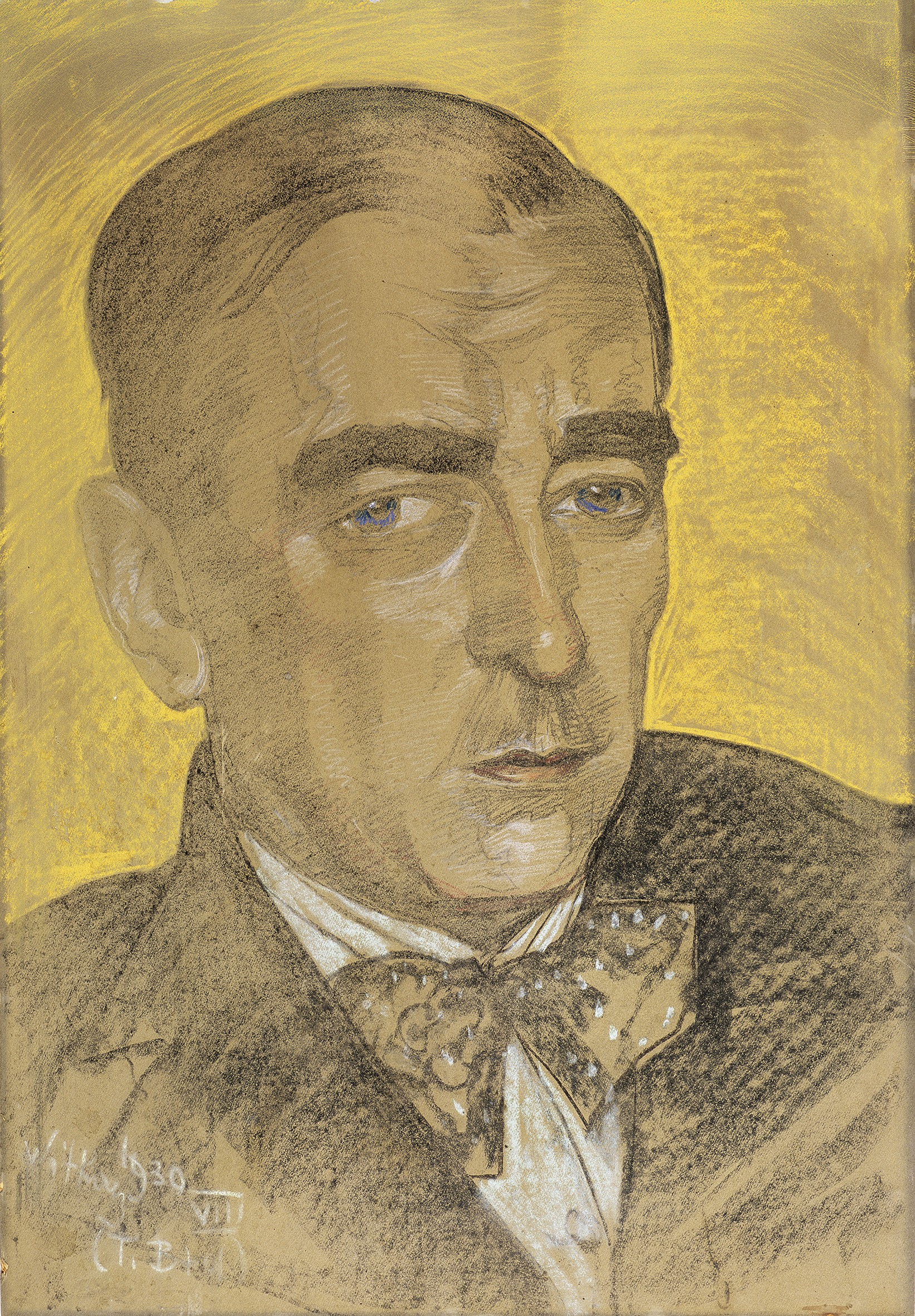
Karol Szymanowski (1882–1937) lived in the “Atma” villa in Zakopane in 1930. For the next five years, the composer got to know Zakopane and Podhale, participating in the intellectual and cultural life of the city.
The Karol Szymanowski biographical museum has been operating since 1979. A supporter of the creation of the Karol Szymanowski Museum in “Atma” under the care of the National Museum in Krakow was Krystyna Dąbrowska, the niece and heir of the composer, who in the 1970s donated a large collection of memorabilia of the artist. Currently, there are over 2,300 objects in the collection of artefacts related to Szymanowski’s figure. These include sheet music, photographs, letters and books, music publications, and mementoes such as works of art and items of artistic craftsmanship.
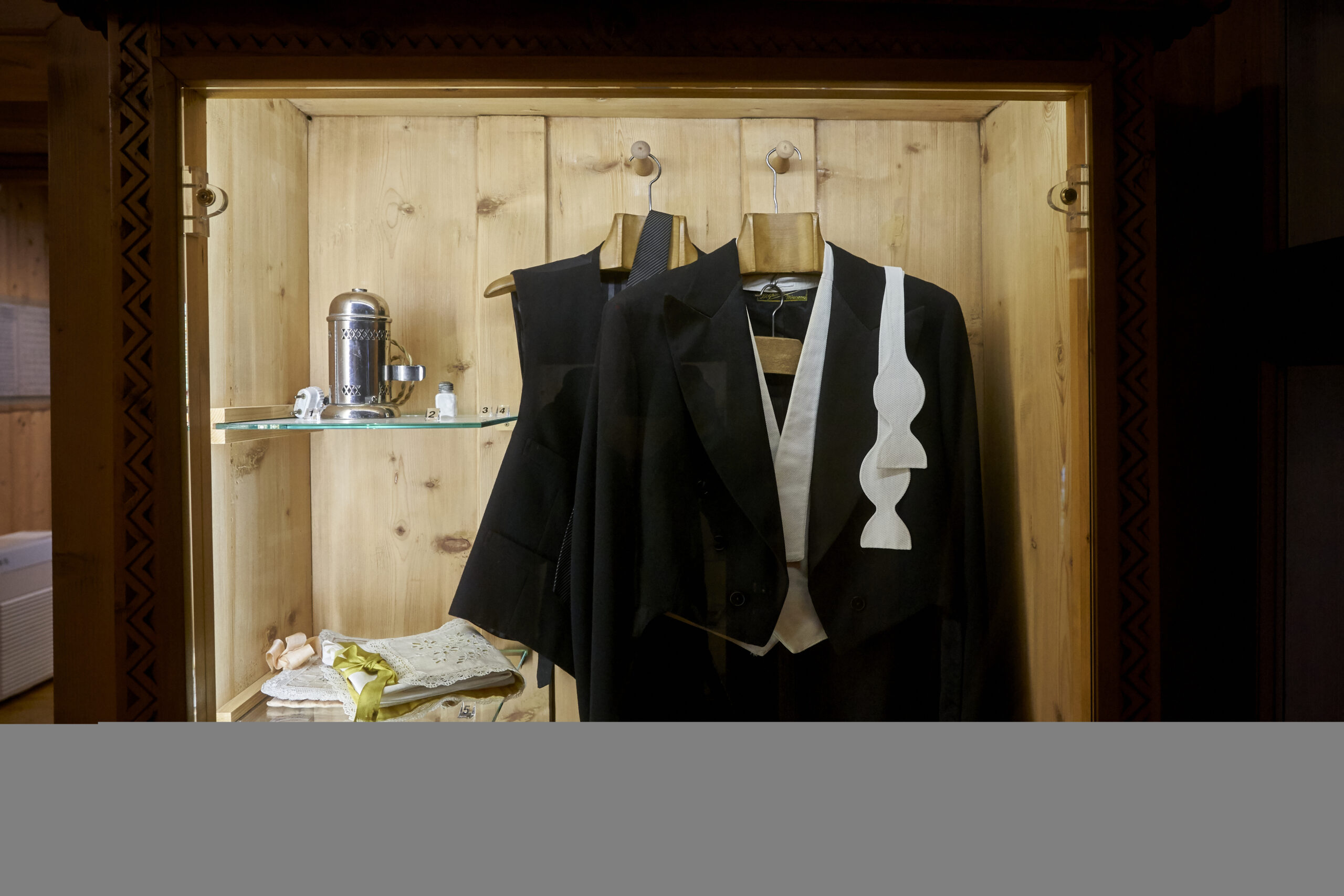
The museum is located on the ground floor of the villa and presents basic information about the life and work of the composer, shows his connections with Zakopane and the folklore of Podhale, collects personal belongings preserved after him, and includes a reconstruction of Karol Szymanowski’s office. Between 2011-2013, the branch of the National Museum in Krakow underwent a general renovation and modernisation of the building as part of a partnership project of the National Museum in Krakow and the Orava Museum in Dolny Kubin called “Music beneath the Tatras” implemented as a part of the Republic of Poland – Republic of Slovakia Cross-Border Cooperation Programme 2007–2013. Thanks to EU funds and the assistance of the Ministry of Culture and National Heritage, this place has gained modern installations, facilities for people with disabilities, and the preservation of its historic structure has been secured.
The modernised interior features multimedia that meets the requirements of the contemporary audience, presenting the composer’s biography, the history of Atma, and introducing the atmosphere of the times in which Karol Szymanowski lived and created.
Popularising the work and promoting knowledge about Karol Szymanowski takes place through contemporary media, the Internet, concerts, music programs, lectures, meetings, workshops for children and young people, sales of albums, sheet music and publications on music and Zakopane.

ul. Kasprusie, 34-500, Zakopane
Telephone























Discover our suggestions for exploring the museum’s branches. See the most important works in a single day, discover the lives of the greatest artists, or discover unusual works from bygone eras.
Ścieżka zwiedzania prowadzi przez trzy oddziały Muzeum Narodowego w Krakowie – Pałacu Książąt Czartoryskich, Arsenału oraz Domu Jana Matejki – ukazując, w jaki sposób sztuka przez stulecia budowała obraz państwa i pamięci narodowej.
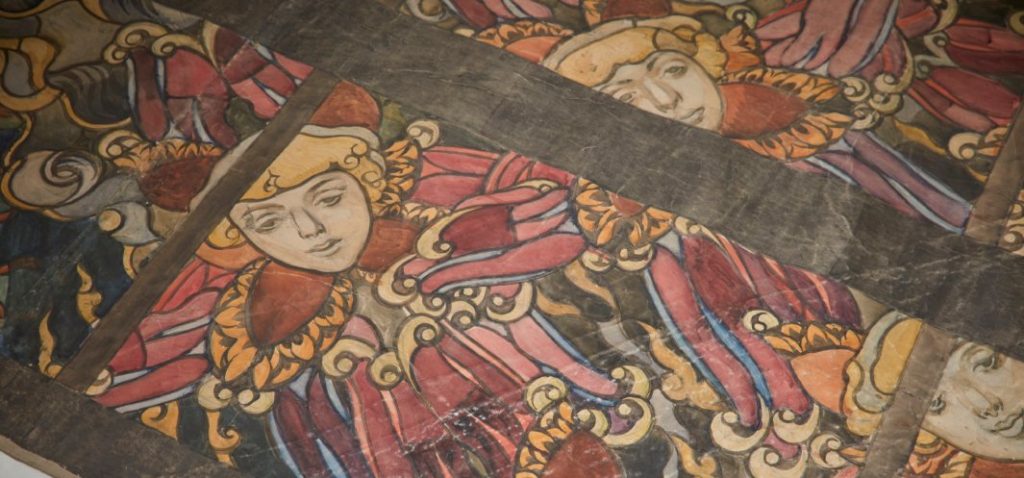
He was a painter, graphic artist and designer; he explored new avenues in literature and experimented in theatre. You’ll find traces of Stanisław Wyspiański all over Kraków, as the artist had a direct influence on the way we see the city.



 See directions