




Discover the most important works
Discover the most important works from the collection of the National Museum in Krakow. Discover their fascinating history.
You can buy tickets for exhibitions and events online
Free admission to permanent exhibitions at the NMK is on Tuesday.
Monday: closed
Tuesday-Sunday: 10:00 AM – 6.00 PM
Facilities available at the Arsenal: audio description, architectural accessibility for people with mobility difficulties, sensory basket, cloakroom, changing table, Wi-Fi, elevator.
The branch is accessible to wheelchair users.
There is an elevator and a toilet available on level – 1. From the entrance, the path for blind and visually impaired individuals is marked with tactile strips and attention areas with raised bumps.
A wheelchair in the checkout area is available to visitors.
At the information point, there is a tactile, sound-enabled information board with a description of the building’s layout in Polish, English, and Ukrainian.
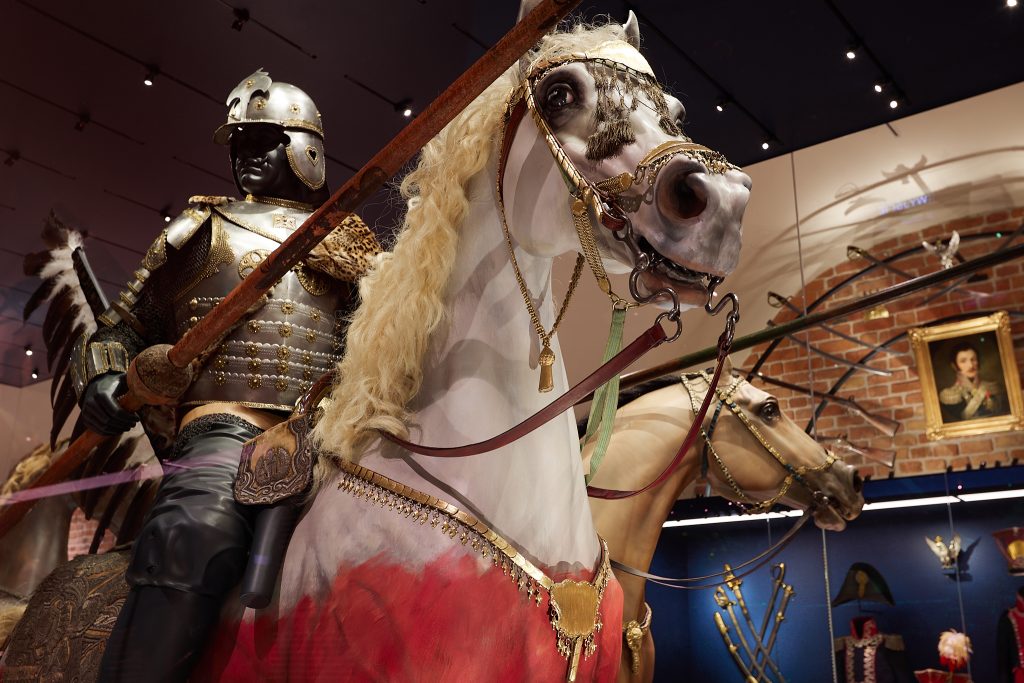
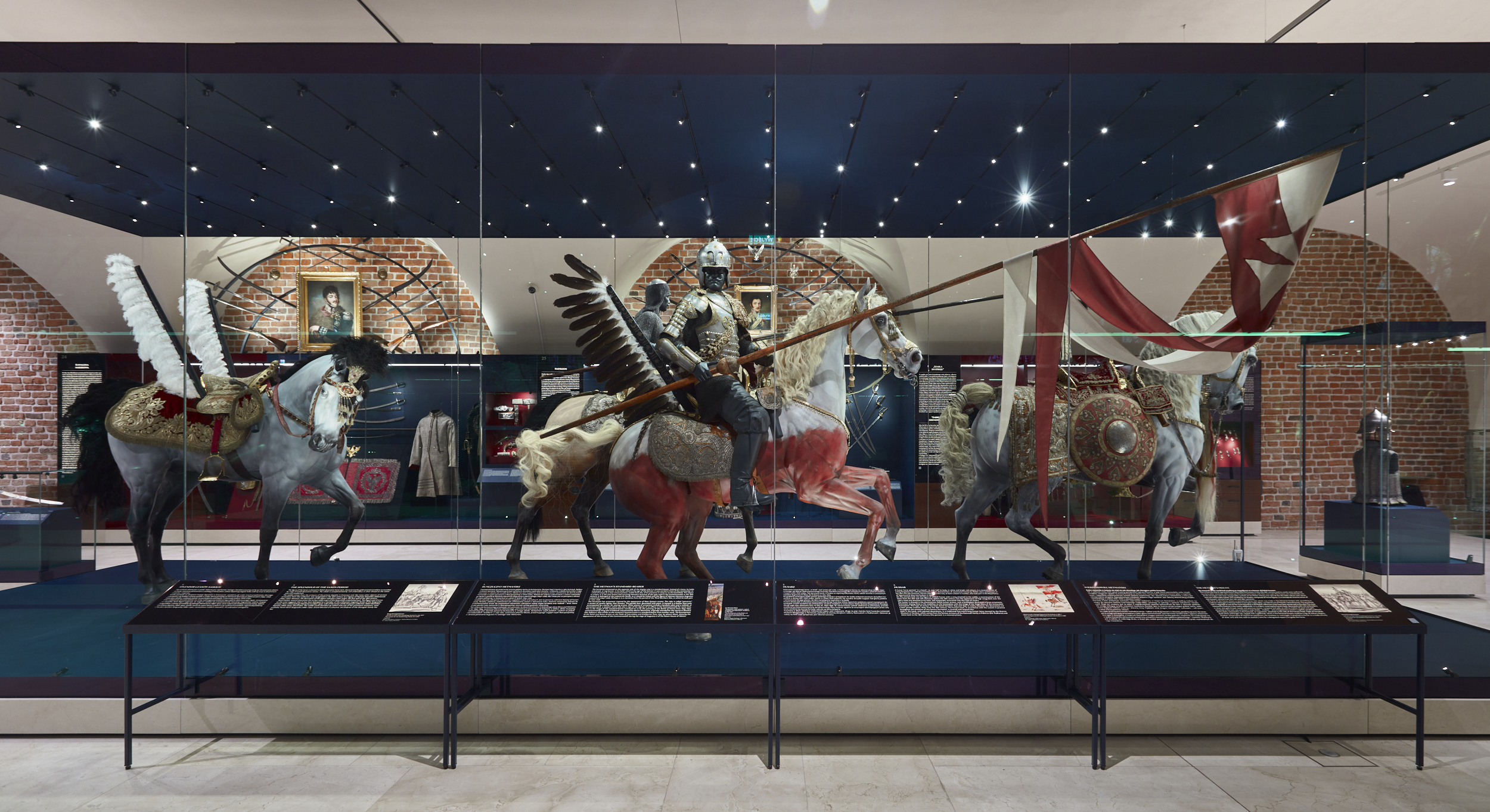
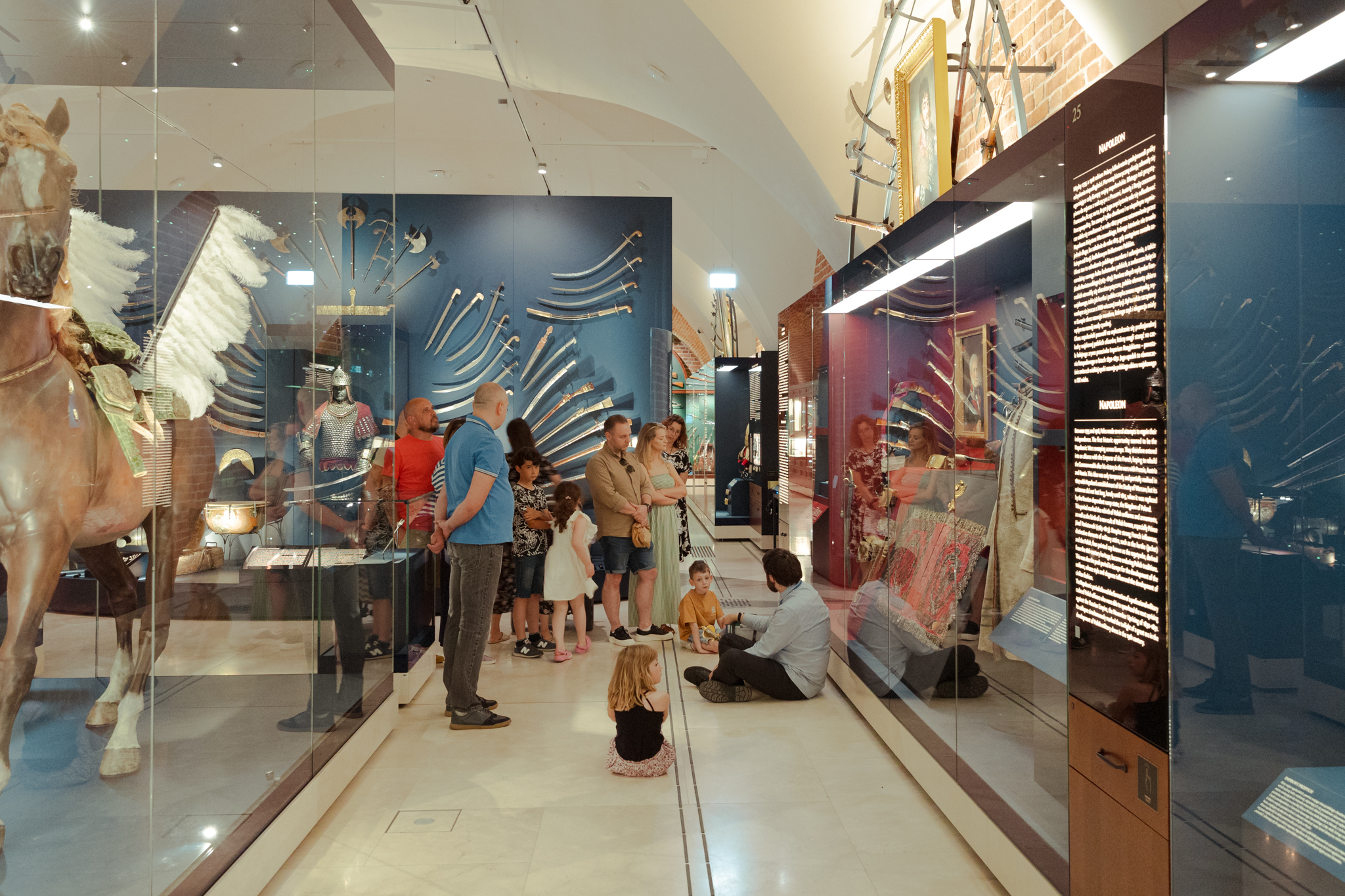
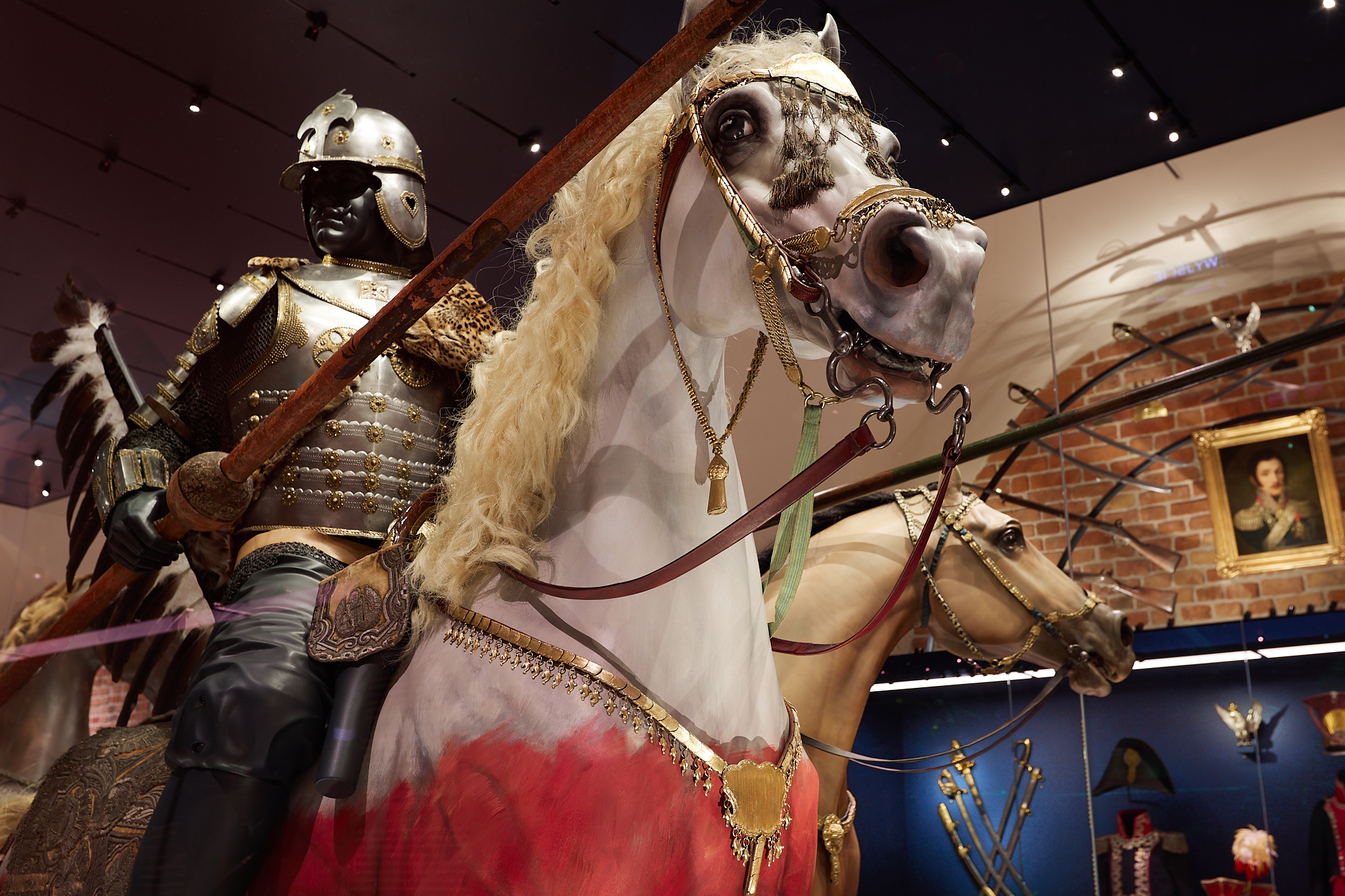
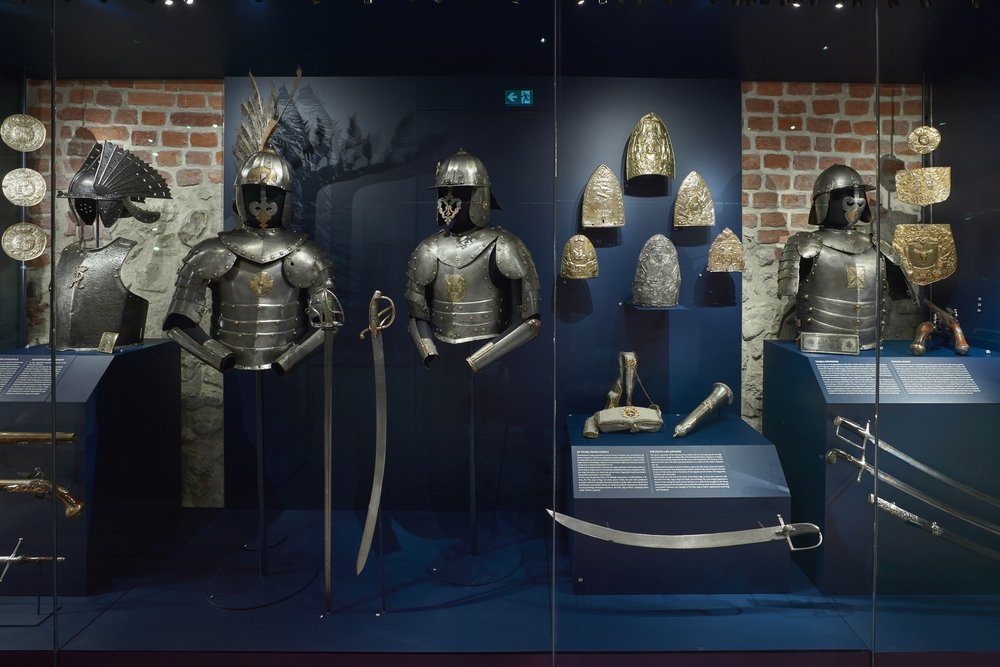
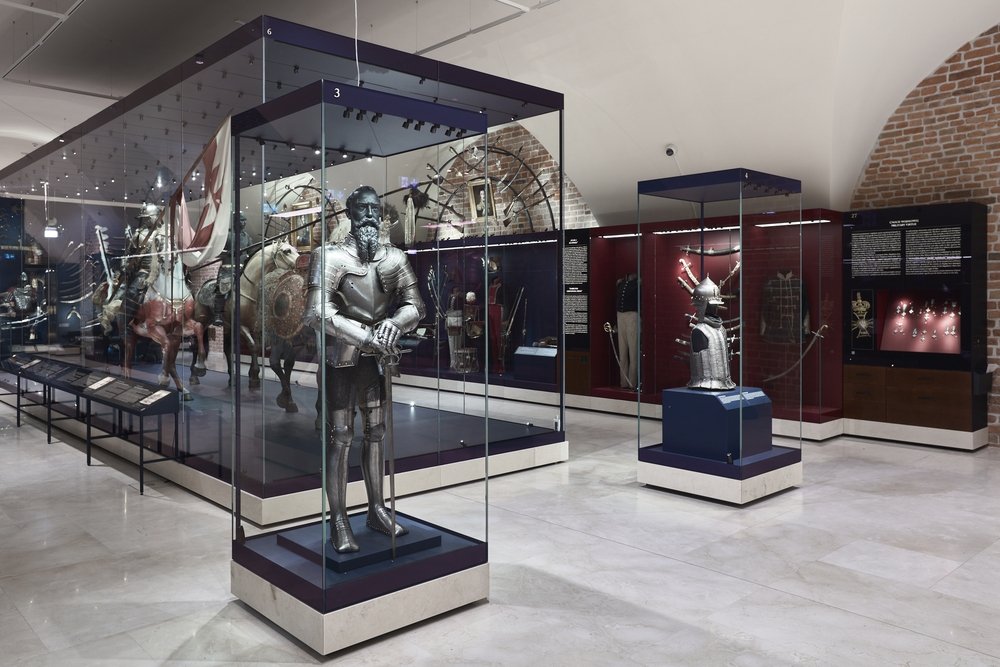
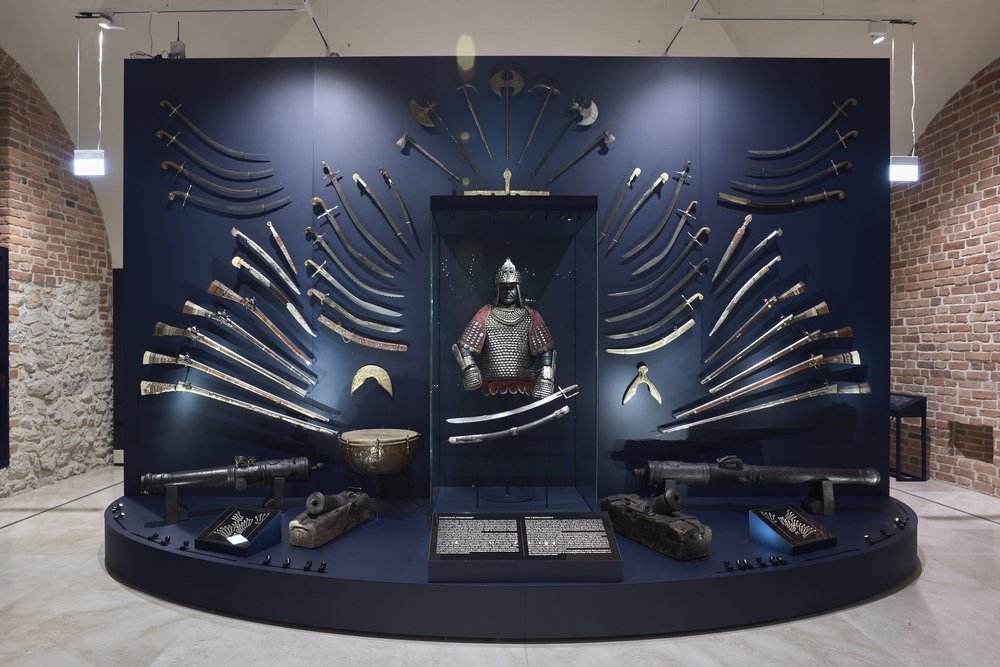
The exhibition “Arms and Colour in Poland” features tactile replicas of selected objects as well as a tactile graphic of the tapestry accompanied by an audio description.
 MNK Main Building
MNK Main Building
MNK Main Building
 MNK Szołayscy
Discover the most important works from the collection of the National Museum in Krakow. Discover their fascinating history.
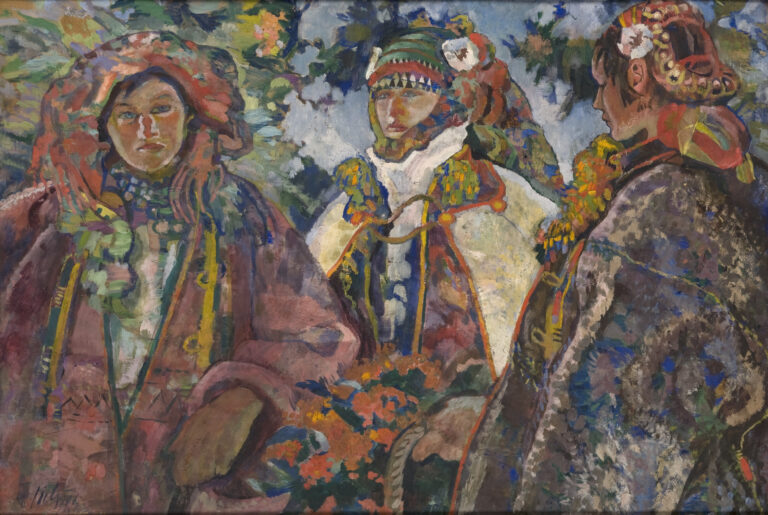
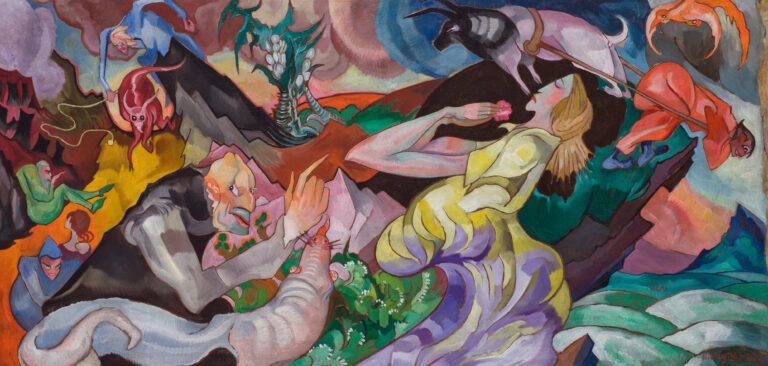
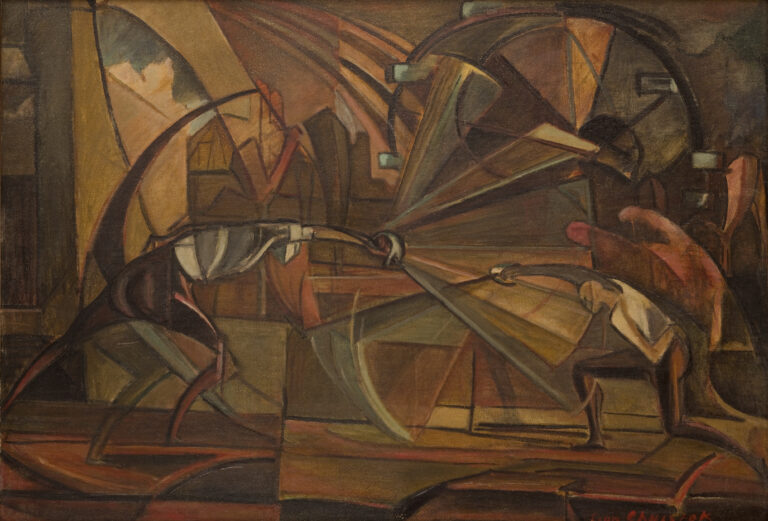
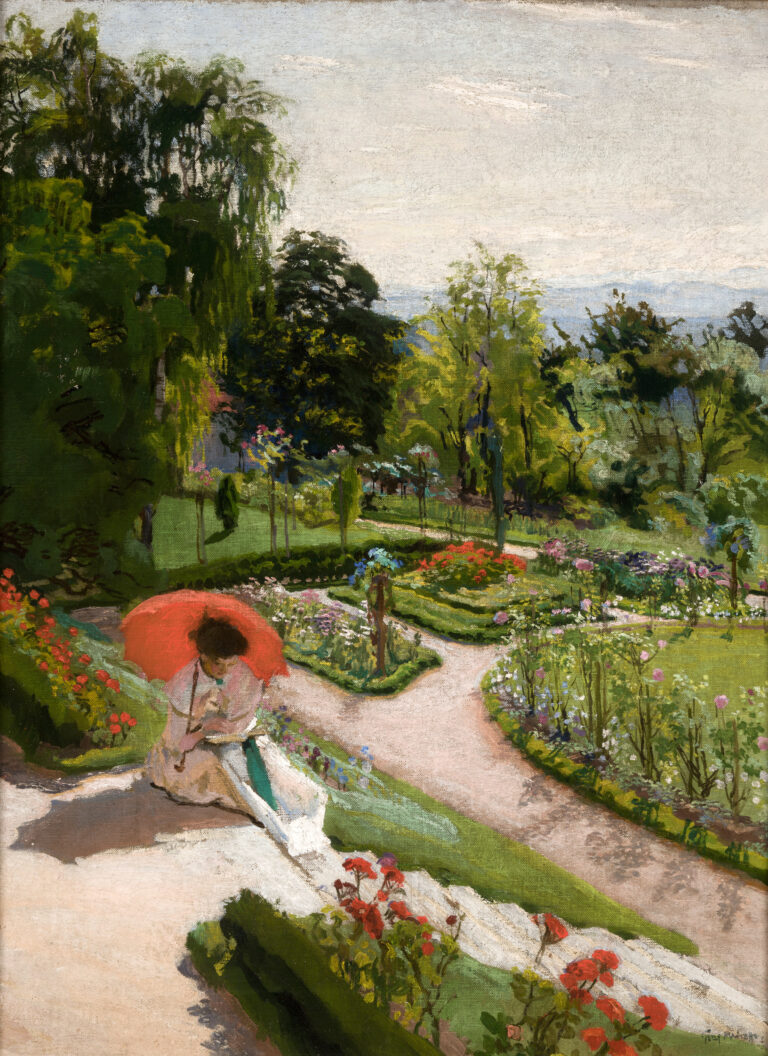
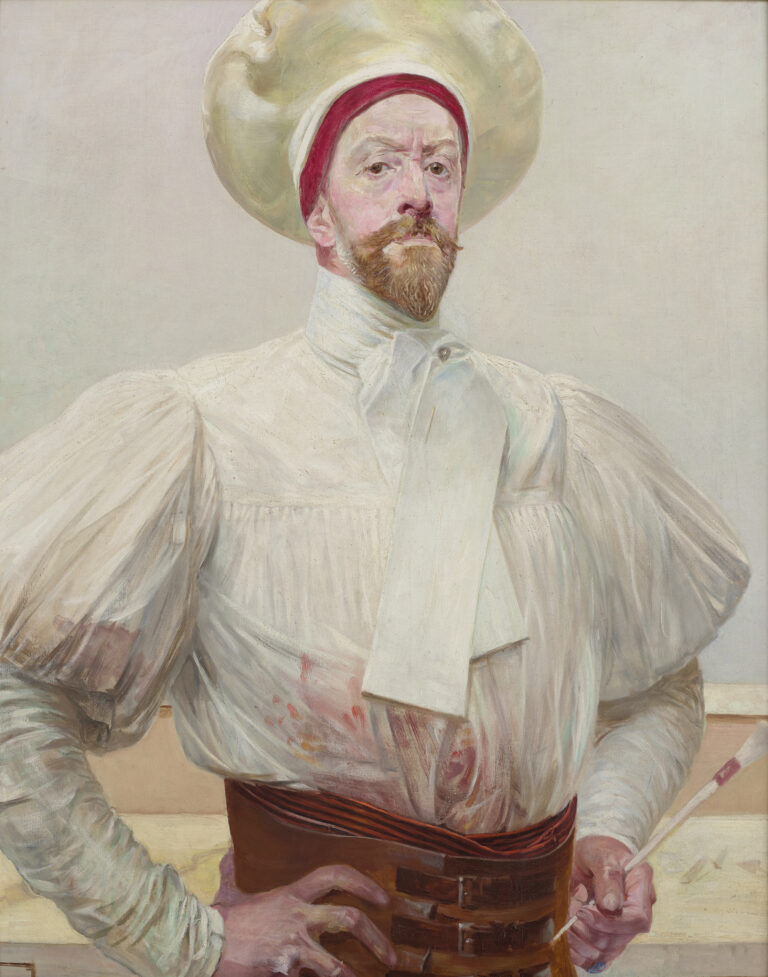
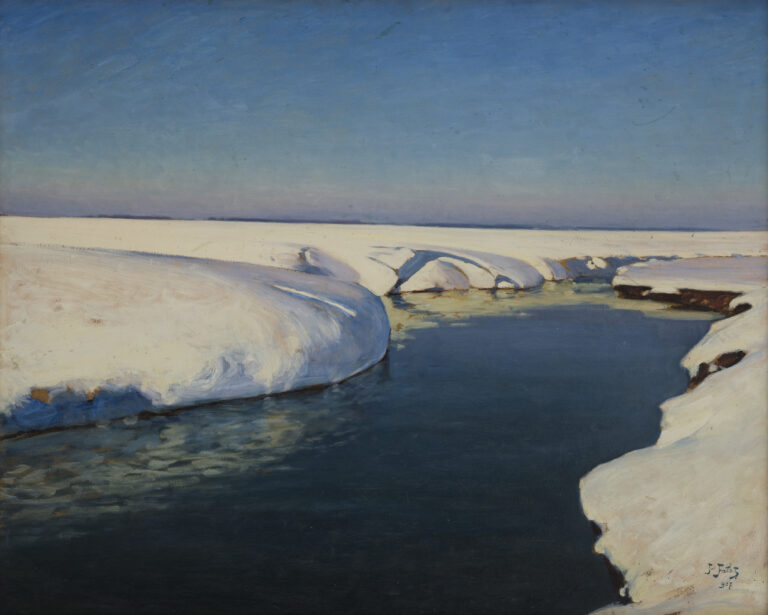
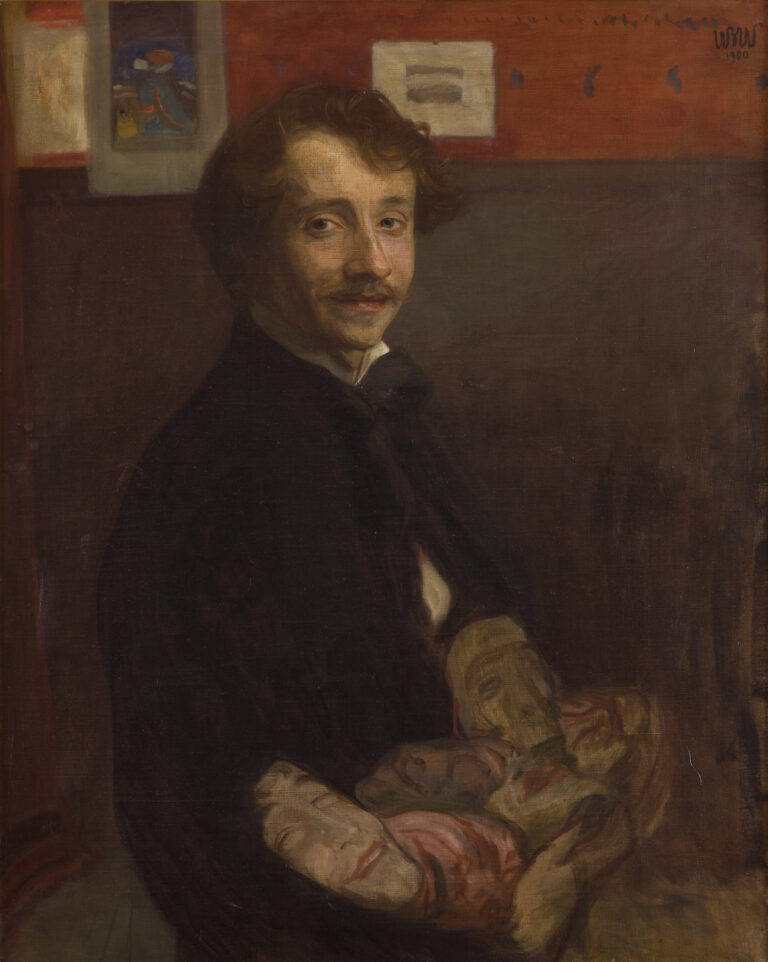
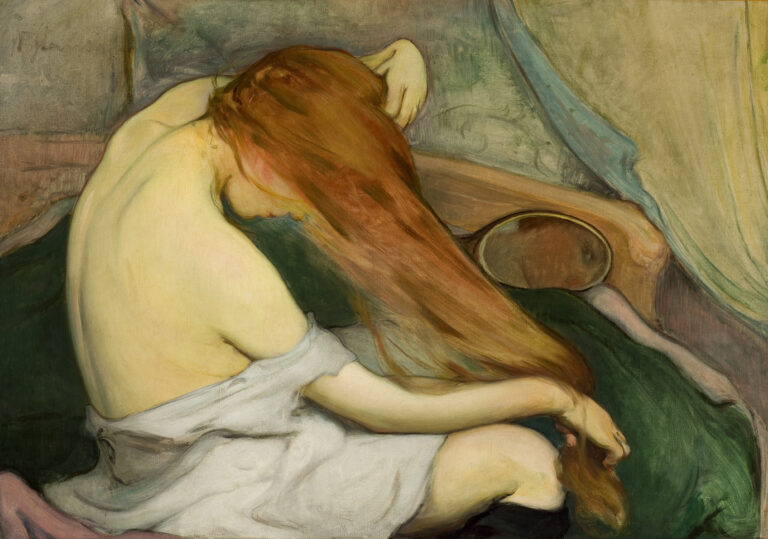
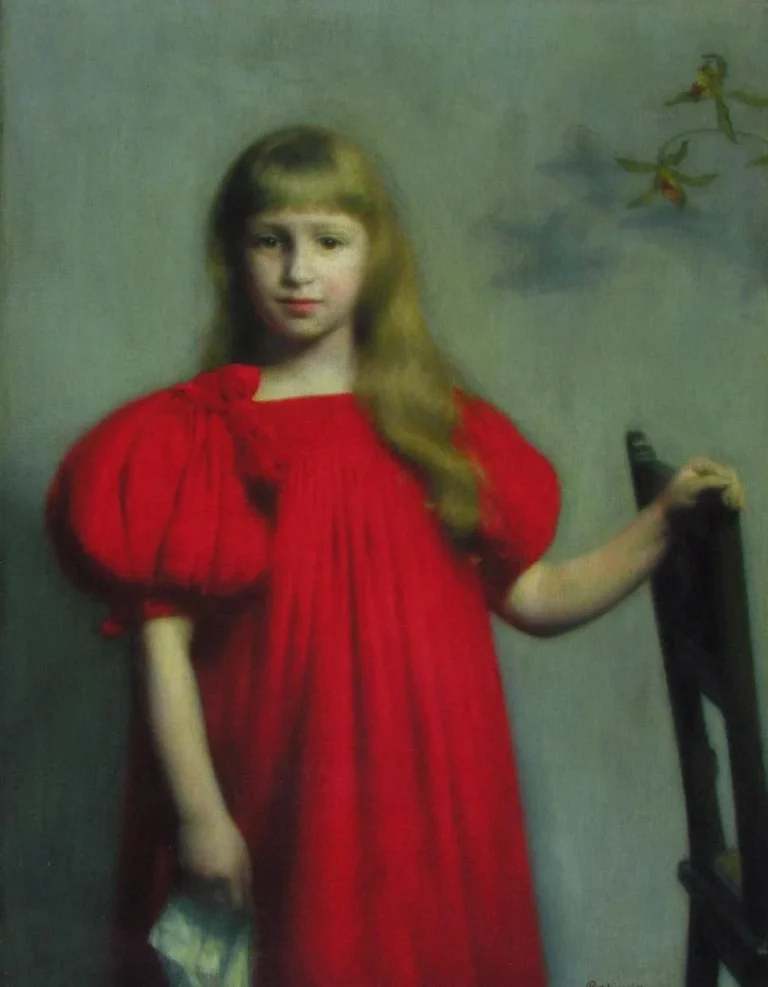
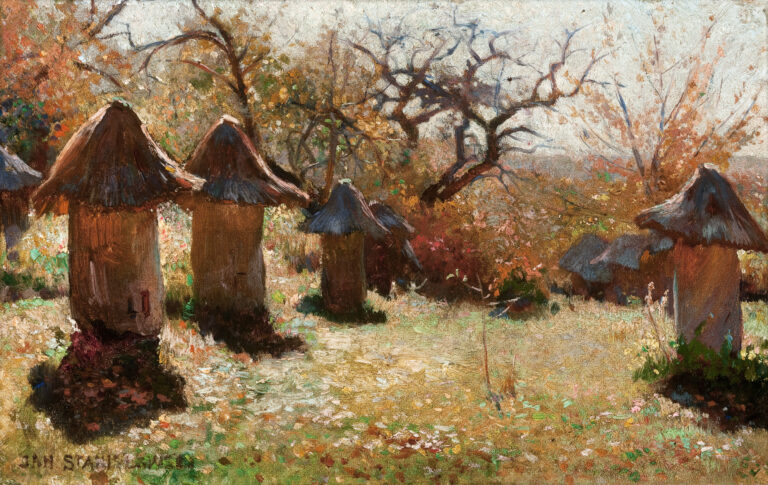
The Gallery of 19th-Century Polish Art in the Sukiennice is the oldest branch of the National Museum in Krakow. The permanent exhibition on the first floor of the building showcases paintings and sculptures representing the Enlightenment, Romanticism, Academicism, as well as various late-19th-century styles such as Realism, Impressionism, and the early phase of Young Poland.
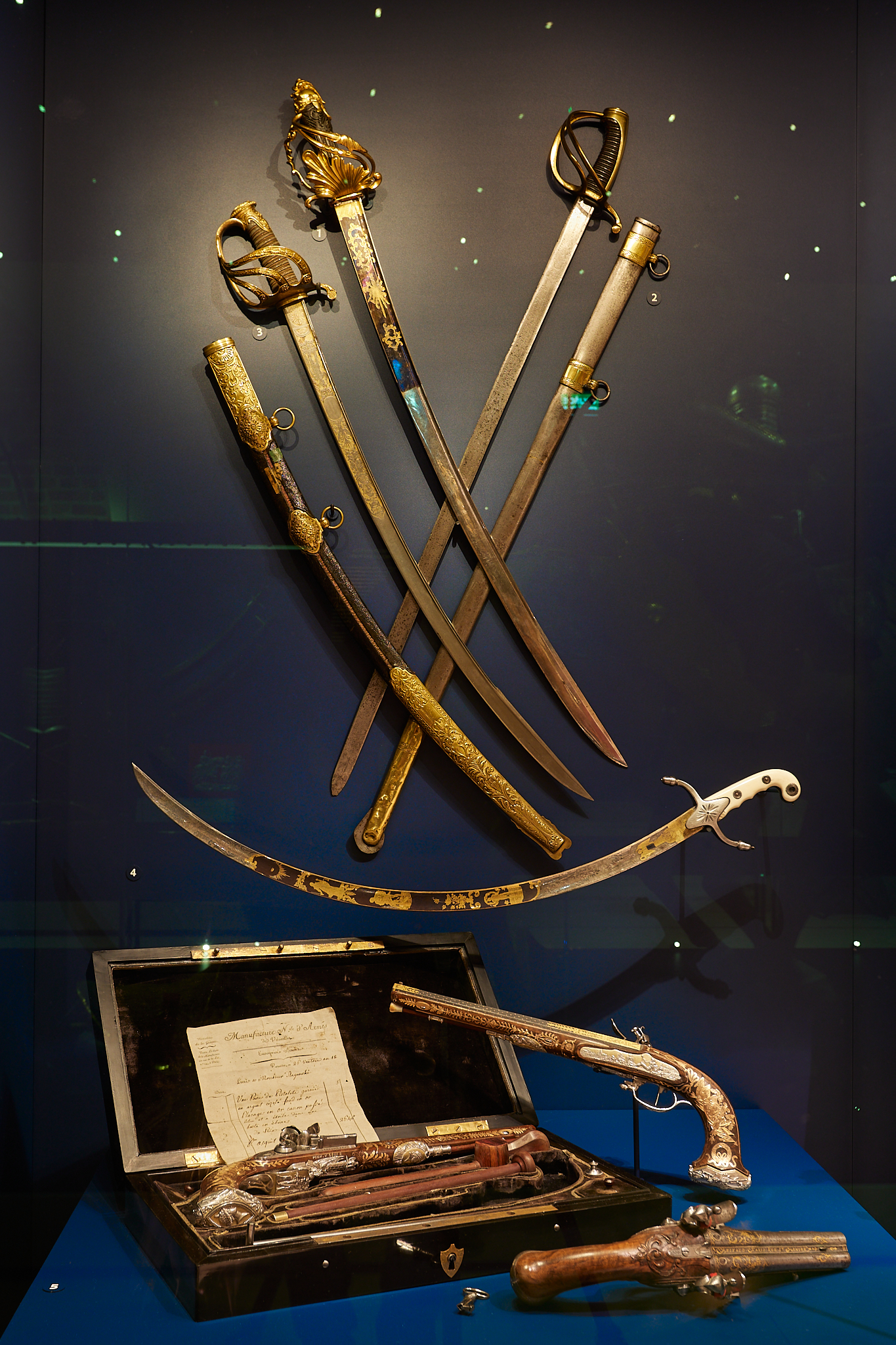
The tradition of collecting military items and historical memorabilia at the National Museum in Krakow was not decided by the management of the institution, established in 1879, but by the society. Initially, the Museum was to be an institution devoted exclusively to art, but the inhabitants of the former lands of the Republic of Poland, moved by the fact of the creation of the first Polish national museum institution under the partitions, began to send gifts to the Museum, including weapons and uniforms that were heirlooms of their ancestors. This public initiative led to a change in the Museum’s profile and ultimately to the creation of one of the largest and most unique collections of historical militaria in Poland.
The Gallery of Arms and Colour since the 1990s. was presented in a permanent exhibition in the MNK Main Building, in the halls on the high ground floor of the building. Because of the systematic renovations of the exhibition spaces, as well as in connection with the regulation of the status of the Arsenal at the Princes Czartoryski Museum, it was decided to present the militaria here.
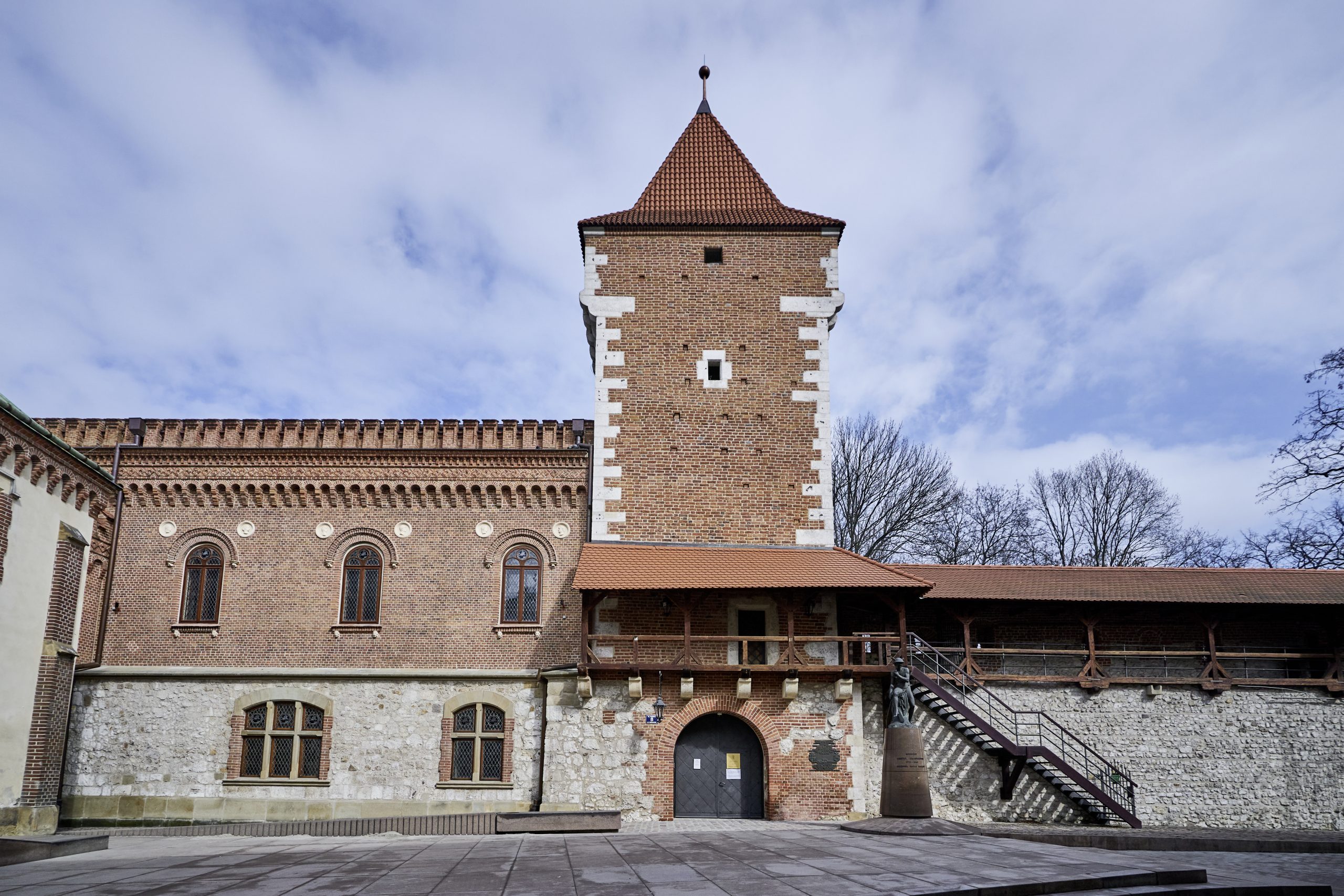
The city arsenal was founded in the middle of the 16th century, and in the 17th and 19th centuries it underwent further reconstructions. At the beginning of the 19th century, the building was preserved as one of the few remaining fragments of the city wall ring that were not demolished during the dismantling and transformation of the fortifications into the so-called Planty Park.
In 1874, the Krakow municipality decided to transfer the former arsenal, along with the adjacent towers of Stolarska and Ciesielska, the so-called Monastery and Palace at Pijarska Street, to Władysław Czartoryski, for the purpose of presenting the collections of the Czartoryski family brought to Krakow from Paris.
Until the 1960s, the Arsenal was the place where the collections of the Czartoryski Library were stored. In later years, it performed warehouse and exhibition functions. In the years 2014-2016 and 2017-2021, a comprehensive restoration of the building took place, followed by the opening of “The Origins. Gallery of Ancient Art” and the exhibition of the Arms and Colour militaries in Old Poland.
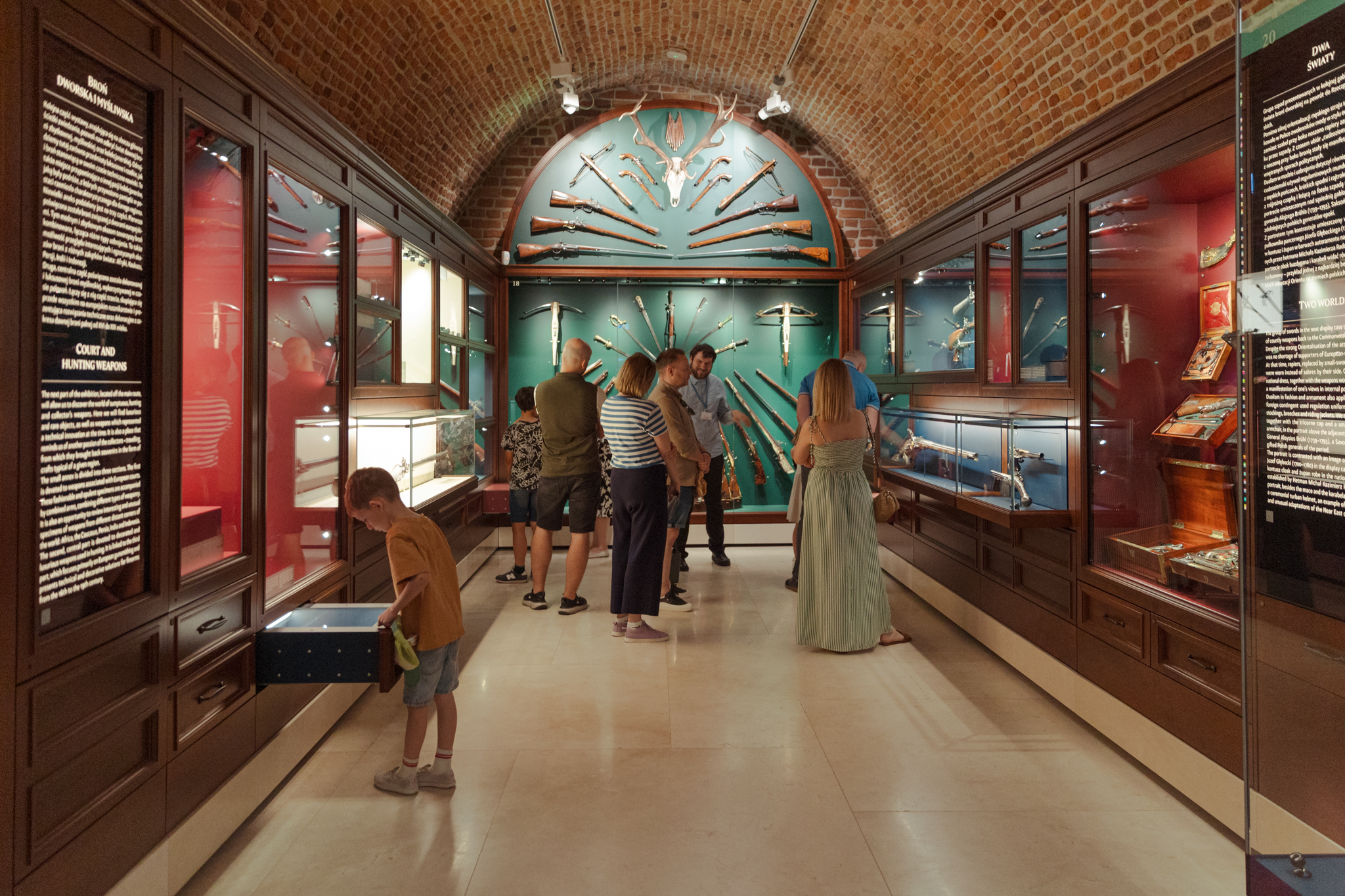
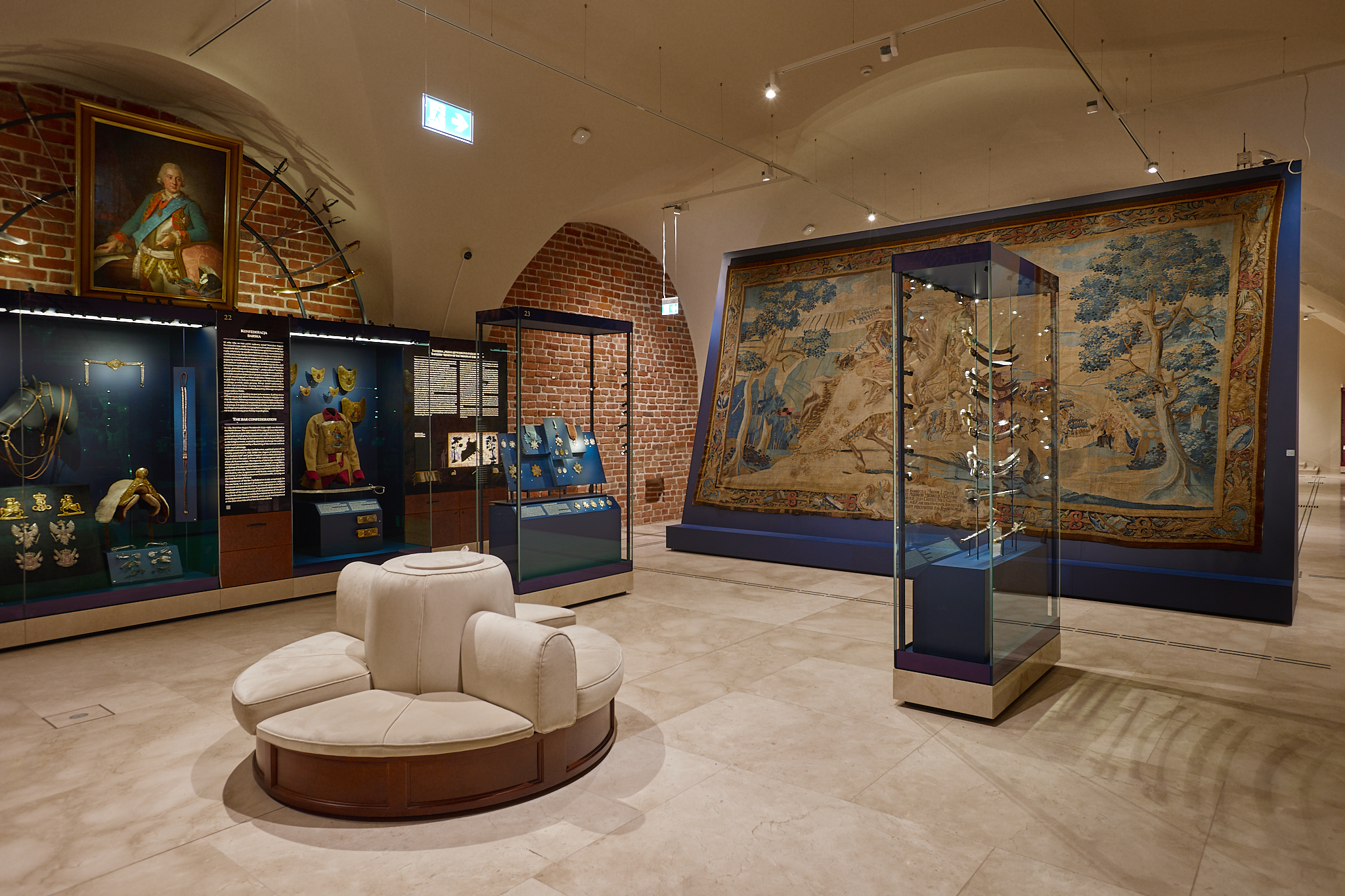
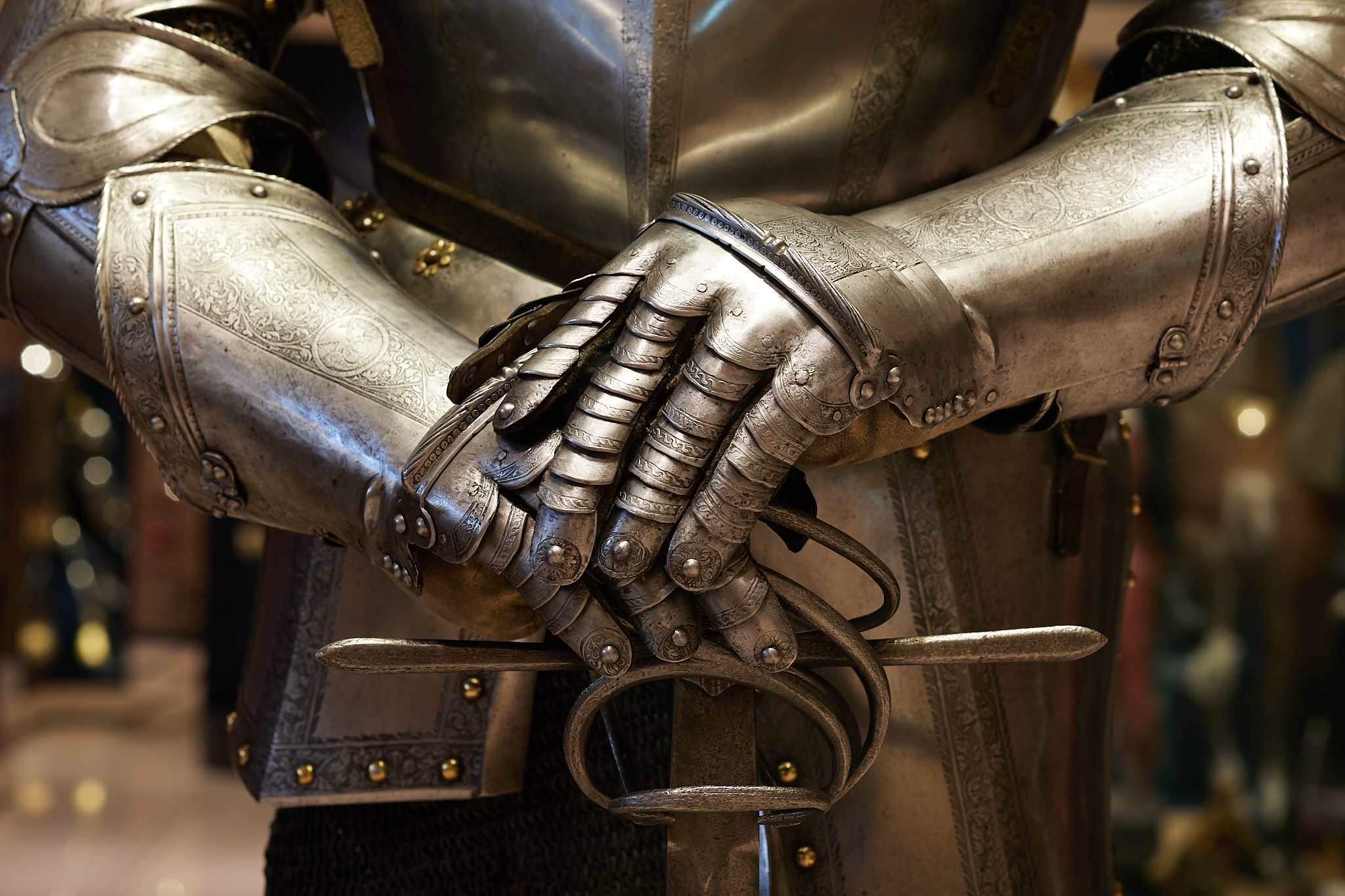
Placing the exhibition Arms and Colour in the Arsenal takes us into the past of this fragment of the former walls of Krakow. The military collection, part of the holdings of the National Museum in Kraków, was assembled, like the Czartoryski family collection, in the spirit of preserving the heritage of the former Polish Republic during the period of partitions. As early as the 1960s, two outstanding curators of the respective collections, Zdzisław Żygulski Jr. and Zbigniew Bocheński, proposed uniting both military collections across the two floors of the building, which had previously served as an arms depot. Since 2023, Krakow’s collections of old arms and colour have been presented in the Arsenal.























Discover our suggestions for exploring the museum’s branches. See the most important works in a single day, discover the lives of the greatest artists, or discover unusual works from bygone eras.
Ścieżka zwiedzania prowadzi przez trzy oddziały Muzeum Narodowego w Krakowie – Pałacu Książąt Czartoryskich, Arsenału oraz Domu Jana Matejki – ukazując, w jaki sposób sztuka przez stulecia budowała obraz państwa i pamięci narodowej.
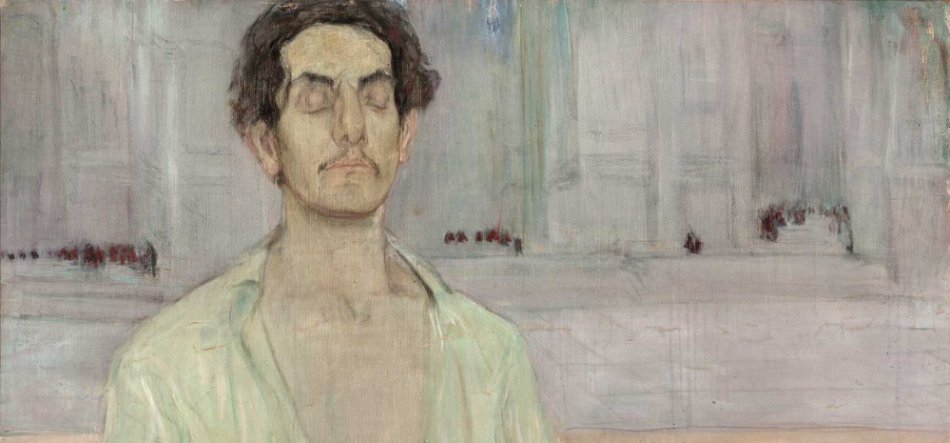
He was a painter, graphic artist and designer; he explored new avenues in literature and experimented in theatre. You’ll find traces of Stanisław Wyspiański all over Kraków, as the artist had a direct influence on the way we see the city.




 See directions