


Terms of use (PL)


The branch is undergoing expansion and reconstruction and is currently not available to visitors. Read more about the changes in the Library:
The Czartoryski Library is a scientific library. The library’s holdings include the Czartoryski archive and manuscript collection, together with the library of books and a collection of cartography. The Library is used by researchers and specialists of various disciplines from Poland and abroad. It primarily serves as a workshop for scientific elaboration in the field of history, art, monument protection and other related fields. The collections of the Czartoryski Library are systematically digitised and published online.


Restriction of access to the Czartoryski Library’s collections
The National Museum in Krakow has received EU funding from the FEnIKS program for the renovation of the Czartoryski Library. After renovation, the building will be available again at the beginning of 2028. From June 1, 2024 until the end of the renovation, the Czartoryski Library building at ul. św. Marka 17 will be closed to use.
Due to changes in the schedule for the renovation project of the Czartoryski Princes Library, we inform you that, owing to ongoing conservation work and the timing of anoxia treatments, access to the collections is suspended until further notice.
During the period of complete lack of access to the collections, queries and loans will not be processed, and orders for reprographic services will not be accepted.
The Library will make microfilms available to Readers through the interlibrary loan service.
We will announce the reopening of access to the collections in a separate notice. Current information can be found at: https://mnk.pl/oddzial/mnk-biblioteka-czartoryskich
I apologize for the inconvenience and at the same time, being fully aware of how many of you use the Library’s collections, we make every effort to make them available to you to the widest possible extent.
The Princes Czartoryski Library
CONTACT: tel: +48 12 370 54 20, 370 54 21 e-mail: bczart@mnk.pl
HEAD OF THE PRINCE CZARTORYSKI LIBRARY: Dr. Paweł Wierzbicki e-mail: pwierzbicki@mnk.pl
For more information see terms of use:
All payments – cash only.
There is a possibility of ordering documents in advance. It is necessary to fill the form, scan it and send to bczart@mnk.pl. Illegible or not signed orders will not be realised.
If the object is digitised or available on microfilm it is not possible to order the original. You can find digitised documents available online through the main catalogue.
Readers may take photographs of the objects free of charge using their own equipment (without tripod or flash). The photos may only be used for research purposes.
To get a permission for publishing the photos or to order photographs/scans, contact the Sales Section (aralska@mnk.pl).
The branch is not accessible to wheelchair users. There is a narrow internal elevator, to which several stairs lead from the entrance. From 2024 to 2028, an extensive reconstruction and expansion of the Library building will be carried out, aimed at equipping the MNK branch with a full range of architectural amenities and enhancing the digital accessibility of the Library’s resources.
 MNK Main Building
MNK Main Building
MNK Main Building
 MNK Szołayscy
Discover the most important works from the collection of the National Museum in Krakow. Discover their fascinating history.
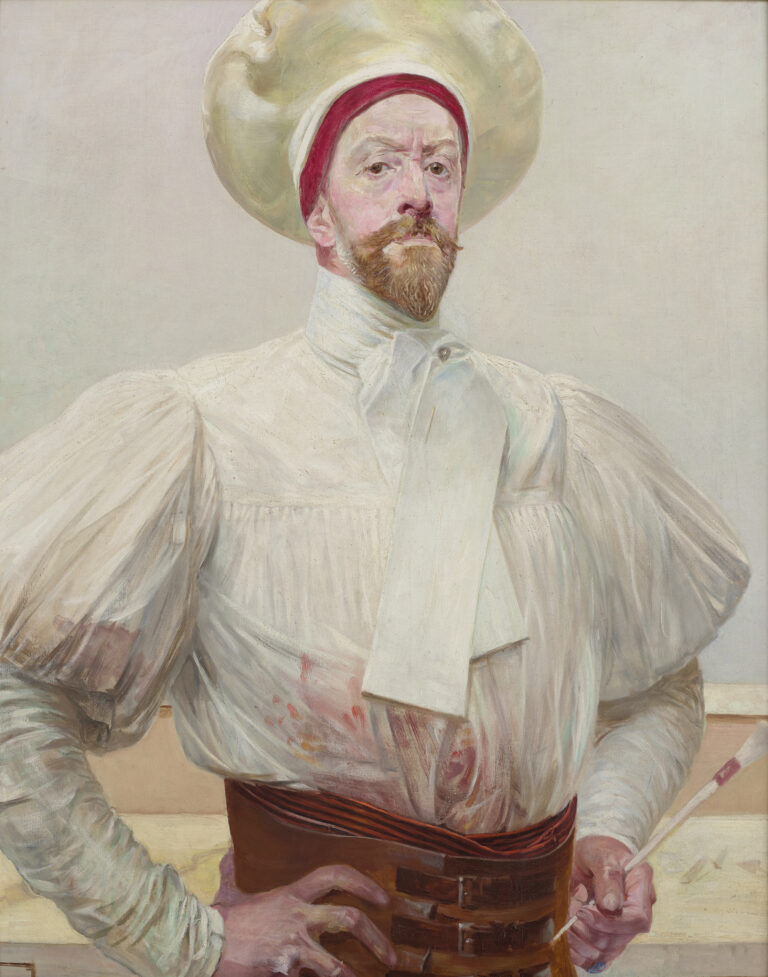
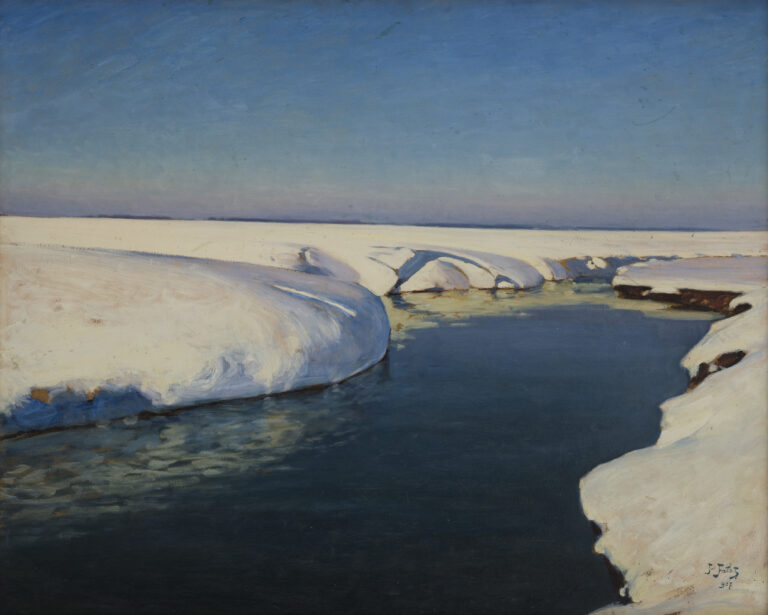
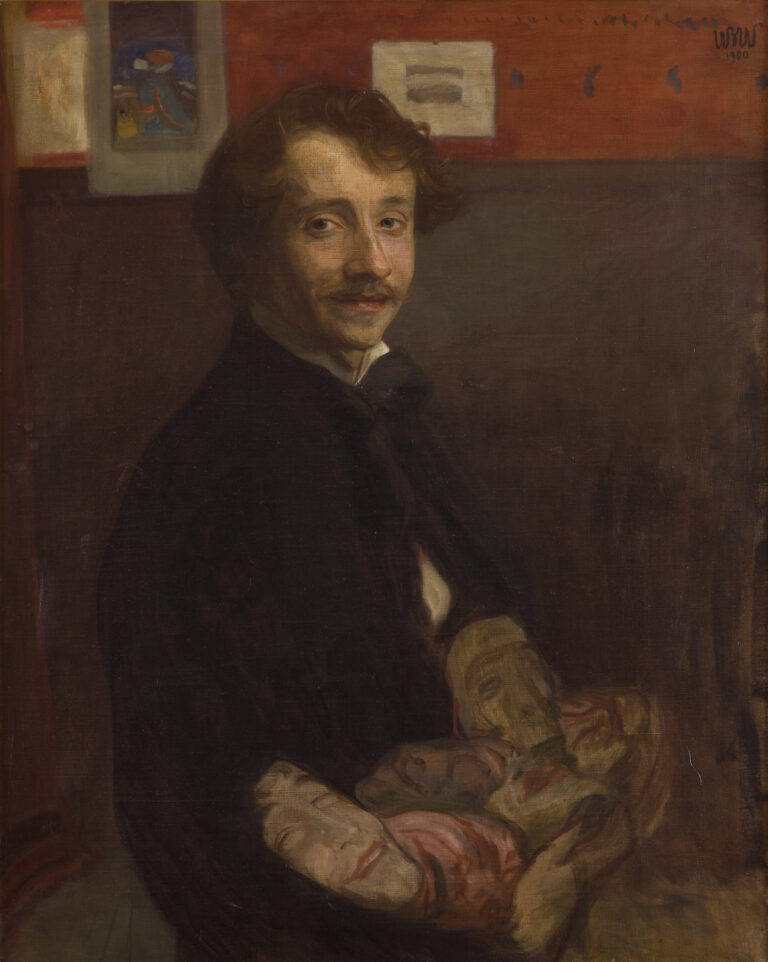
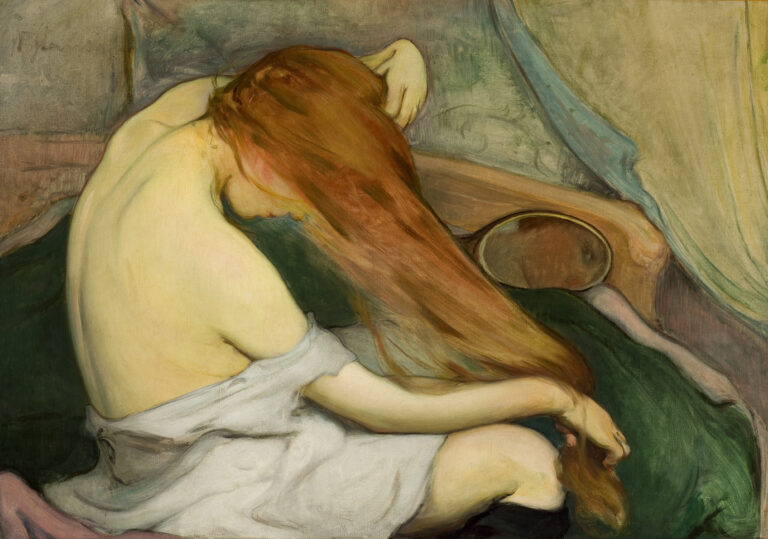
The Czartoryski Library is a scientific library. The library’s holdings include the Czartoryski archive and manuscript collection, together with the library of books and a collection of cartography. The Library is used by researchers and specialists of various disciplines from Poland and abroad. It primarily serves as a workshop for scientific elaboration in the field of history, art, monument protection and other related fields. The collections of the Czartoryski Library are systematically digitised and published online.
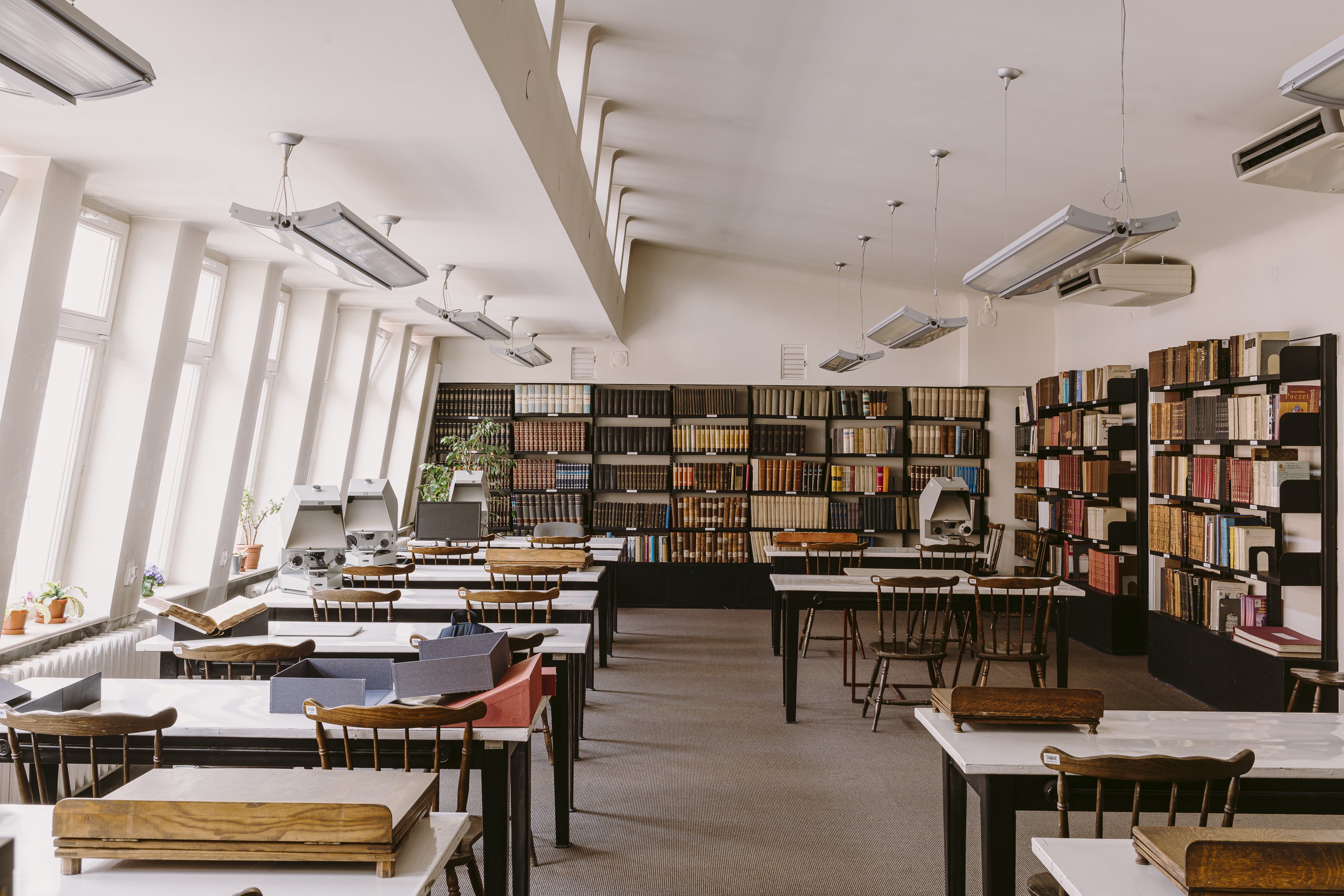
The book collection of the Czartoryski Library is made available in the reading room to museologists, scientists and students, curators of exhibitions and people interested in the art and collections of the Museum. There is a card catalogue in the reading room.
Access to the book collection is facilitated by an online catalogue, available through the Museum’s website. The computer catalogue of the collections is the starting point for research in our collections and is systematically enlarged with subsequent descriptions of prints and manuscripts.
Some of the objects stored in the Library have been digitised and are available in digital libraries. They can be easily browsed and searched using, among others: the National Museum of Krakow Digital Library, the MNK Library digital collection in the Małopolska Digital Library, the POLONA digital library, or via the on-site computer catalogue. The Library uses specialised databases.
Library collections are developed in the SOWA-2 database program.
The library’s collections began to be gathered in the second half of the 18th century by Prince Adam Kazimierz Czartoryski and Izabela Czartoryski, née Fleming. The Blue Palace in Warsaw, which belonged to them, housed a library which in 1770 already contained 1,645 prints and manuscripts. After 1783, the Czartoryscy family moved the library to Pulawy. Following the failure of the November Uprising, the Czartoryski family evacuated their estate to Sieniawa and, after 1834, to Paris, before returning with it to Polish lands in 1876, settling in Kraków. The library was made accessible along with the collections. In 1950, the collection passed into the administration of the National Museum in Krakow.
Between 1958 and 1960, the Czartoryski Library acquired its own premises: a building constructed on Św. Marka Street, one of the few examples of postwar architecture within Kraków’s Planty Park. In 2016, the Czartoryski family collection, along with the book holdings, was purchased by the State Treasury of the Republic of Poland and transferred to the National Museum in Kraków to ensure its protection, perpetual and indivisible preservation, and continued public accessibility.
In 2024, the MNK received funding for the project: “Princes Czartoryski Library – expansion and reconstruction of the branch of the National Museum in Krakow [Biblioteka Książąt Czartoryskich – rozbudowa i przebudowa oddziału Muzeum Narodowego w Krakowie]”. The project is co-financed by the European Union from the European Regional Development Fund under the programme: European Funds for Infrastructure, Climate, Environment 2021–2027. The implementation period covers the period from spring 2024 to spring 2028. As part of the project, conservation and restoration work will be carried out, along with the purchase of equipment and furnishings, as well as informational and promotional activities.
Changes resulting from the implementation of the project include activities related to adapting the Library to the standards of functionality of public spaces. At the stage of reopening the Library, permanent events are planned, addressed to recipients with various sensory needs.
The MNK conducts multi-level cooperation with non-governmental organisations to support people with disabilities. Actions to ensure the accessibility of the Czartoryski Library for individuals with special needs include a comprehensive analysis of the current accessibility status, collaboration with specialists, and reviews and consultations regarding accessibility: architectural, informational-communication, and digital, both during the planning stage of the project and throughout the development of its components. They take into account the cooperation of accessibility specialists with the educational, curatorial and marketing department in the implementation of specific tasks from the cultural and educational offer and other events related to the implementation of the project.

ul. św. Marka 17, 31-018 Kraków























Discover our suggestions for exploring the museum’s branches. See the most important works in a single day, discover the lives of the greatest artists, or discover unusual works from bygone eras.
Ścieżka zwiedzania prowadzi przez trzy oddziały Muzeum Narodowego w Krakowie – Pałacu Książąt Czartoryskich, Arsenału oraz Domu Jana Matejki – ukazując, w jaki sposób sztuka przez stulecia budowała obraz państwa i pamięci narodowej.
He was a painter, graphic artist and designer; he explored new avenues in literature and experimented in theatre. You’ll find traces of Stanisław Wyspiański all over Kraków, as the artist had a direct influence on the way we see the city.


 See directions