Car park – there is a municipal pay-and-display underground car park at the entrance to the building, with designated spaces for people with disabilities (details here). Two additional car parks are located near Krakowskie Błonia.
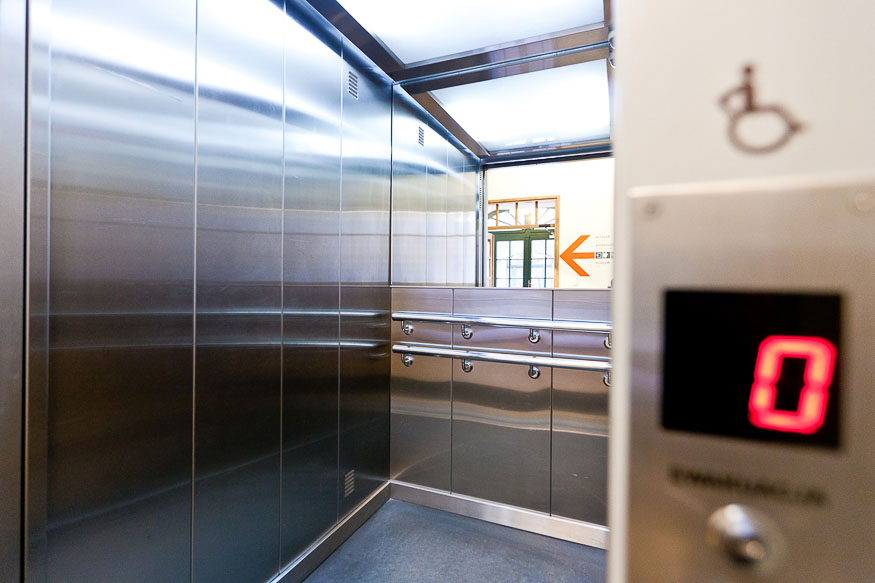
Lifts and platforms – The MNK Main Building in Kraków is almost entirely accessible to wheelchair users and those on crutches thanks to lifts, stair lifts and portable ramps (with the exception of the mezzanine on the second floor). An external lift has been installed at the main entrance.
Access difficulties – the entrance doors to the building have powerful actuators, which may make them difficult to open.
Cloakroom – a cloakroom has been set up on the ground floor next to the shop for people with mobility impairments and blind people, along with their carers. We invite other visitors to use the cloakroom on level -1 (access via stairs).
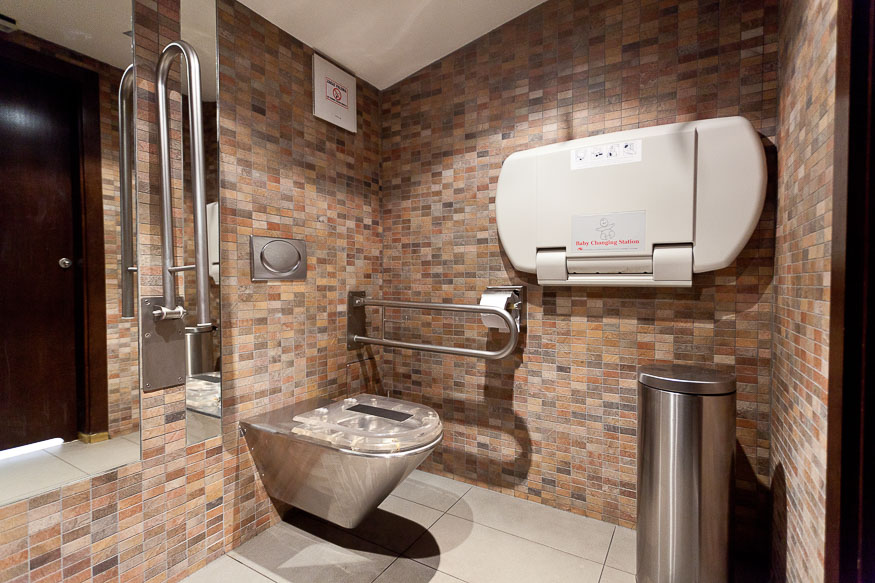
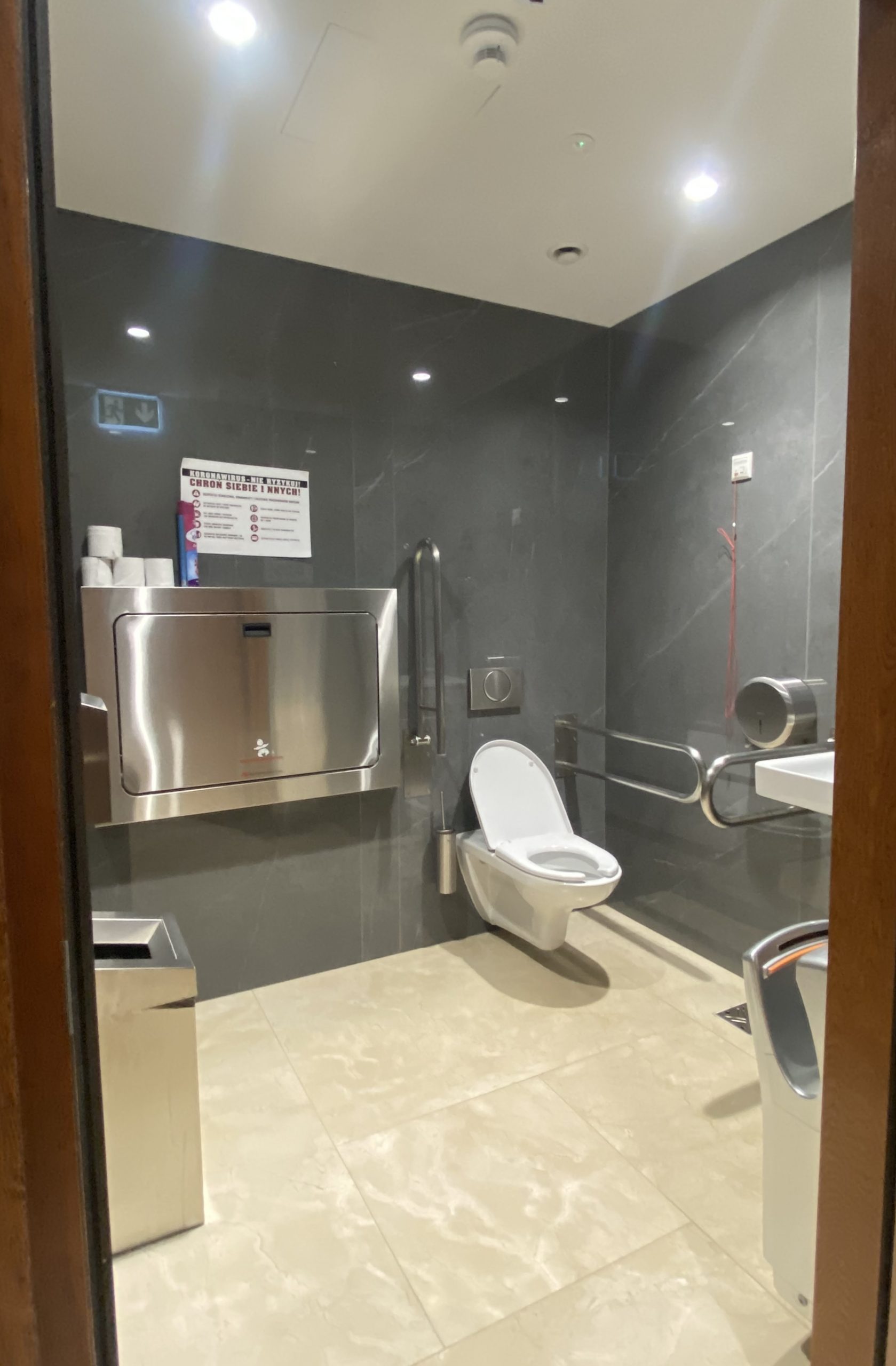
Accessible toilets – are located on every floor of the building. On the first floor, next to the Craft Gallery, there is a toilet equipped with a changing table (for adults).
Wheelchairs for visitors – wheelchairs are available on the ground floor for visitors with mobility difficulties.
The venue is equipped with a defibrillator.
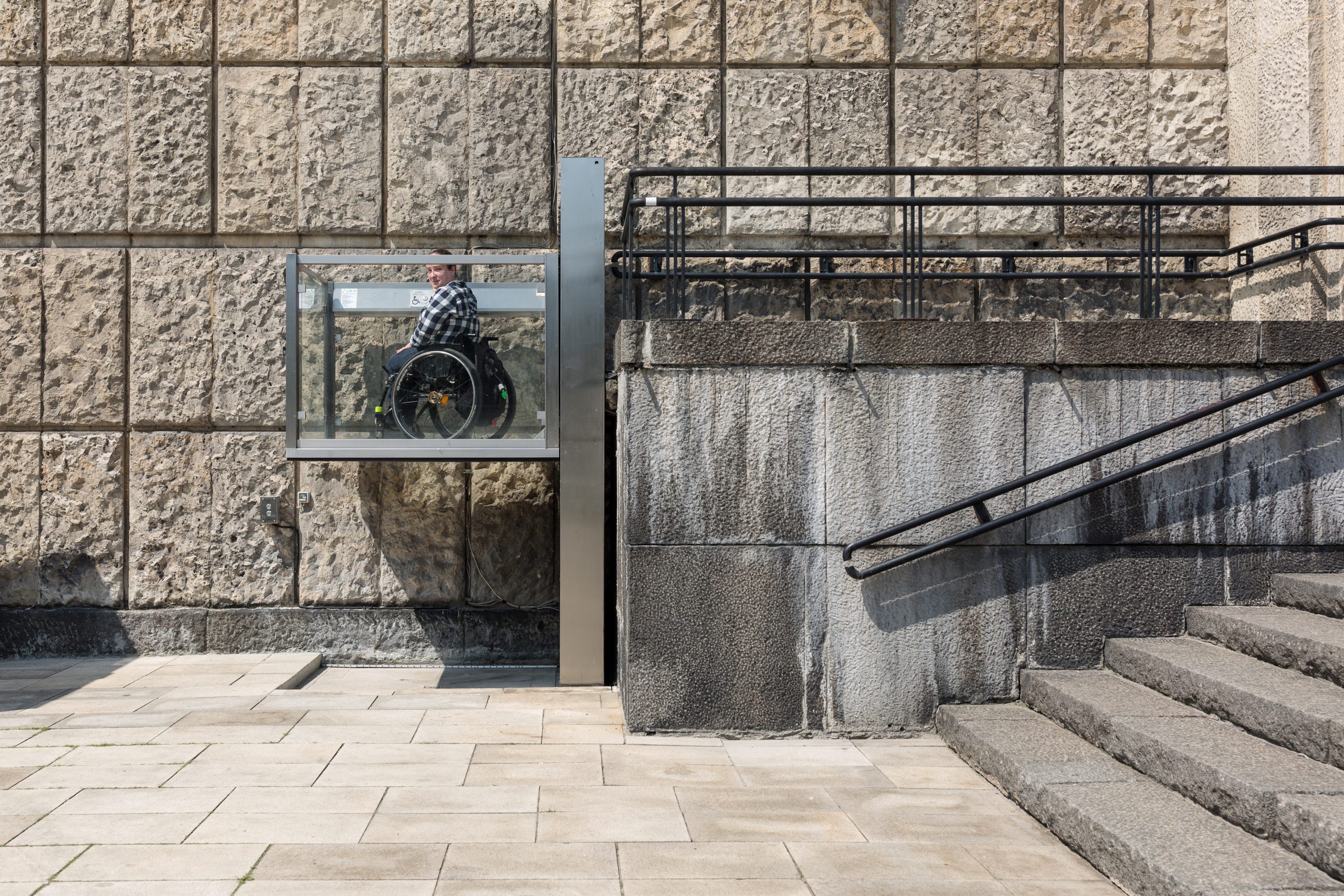
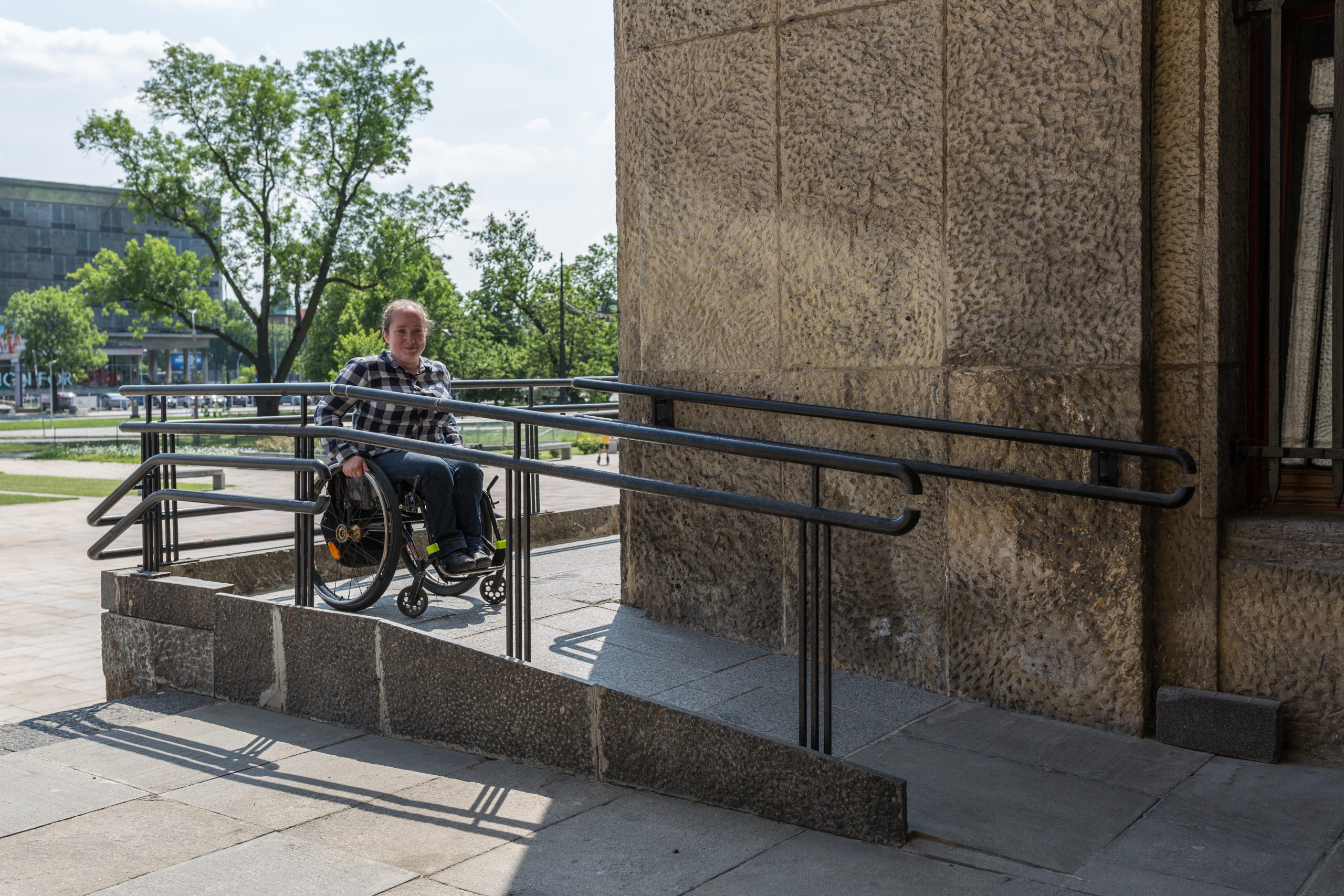
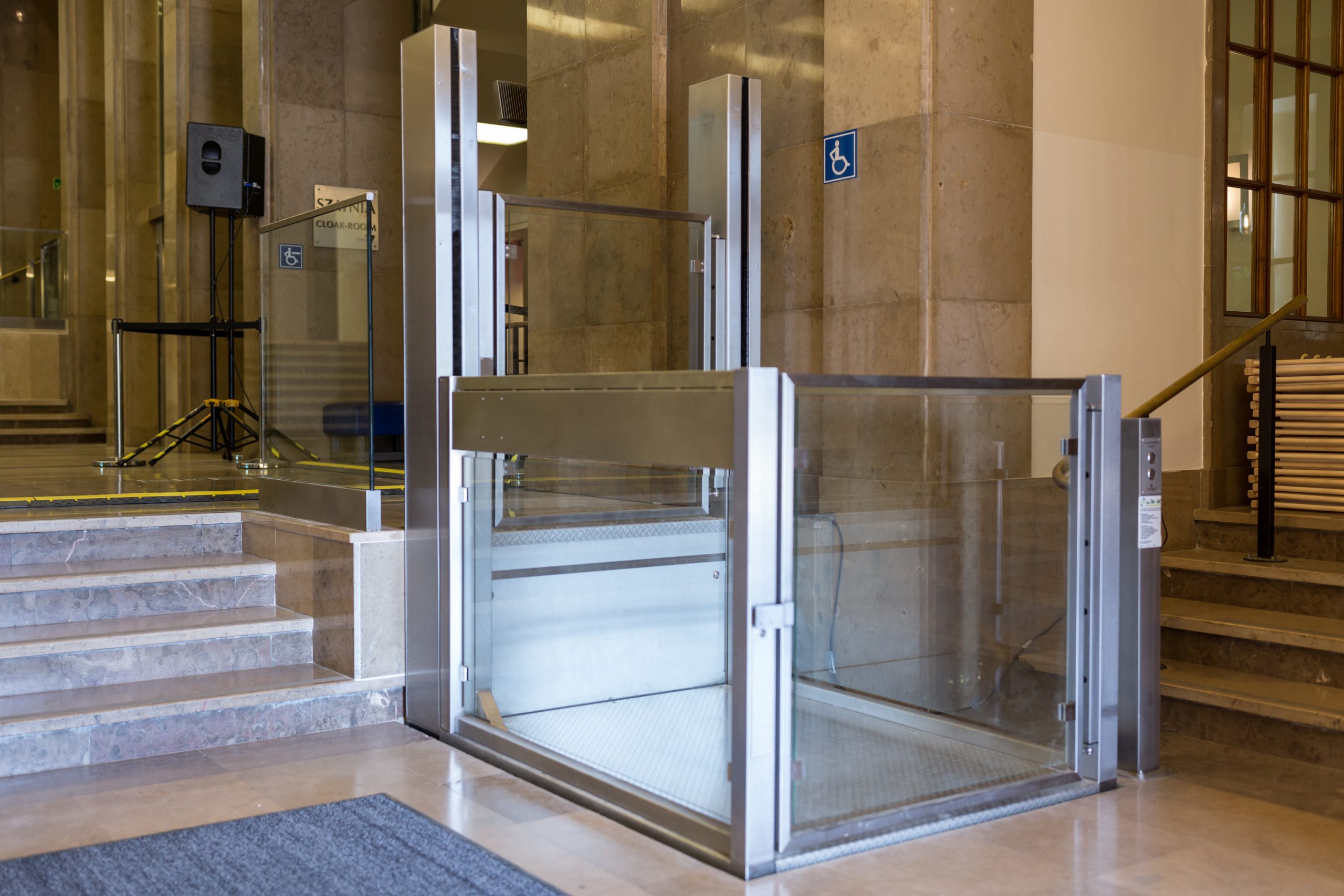
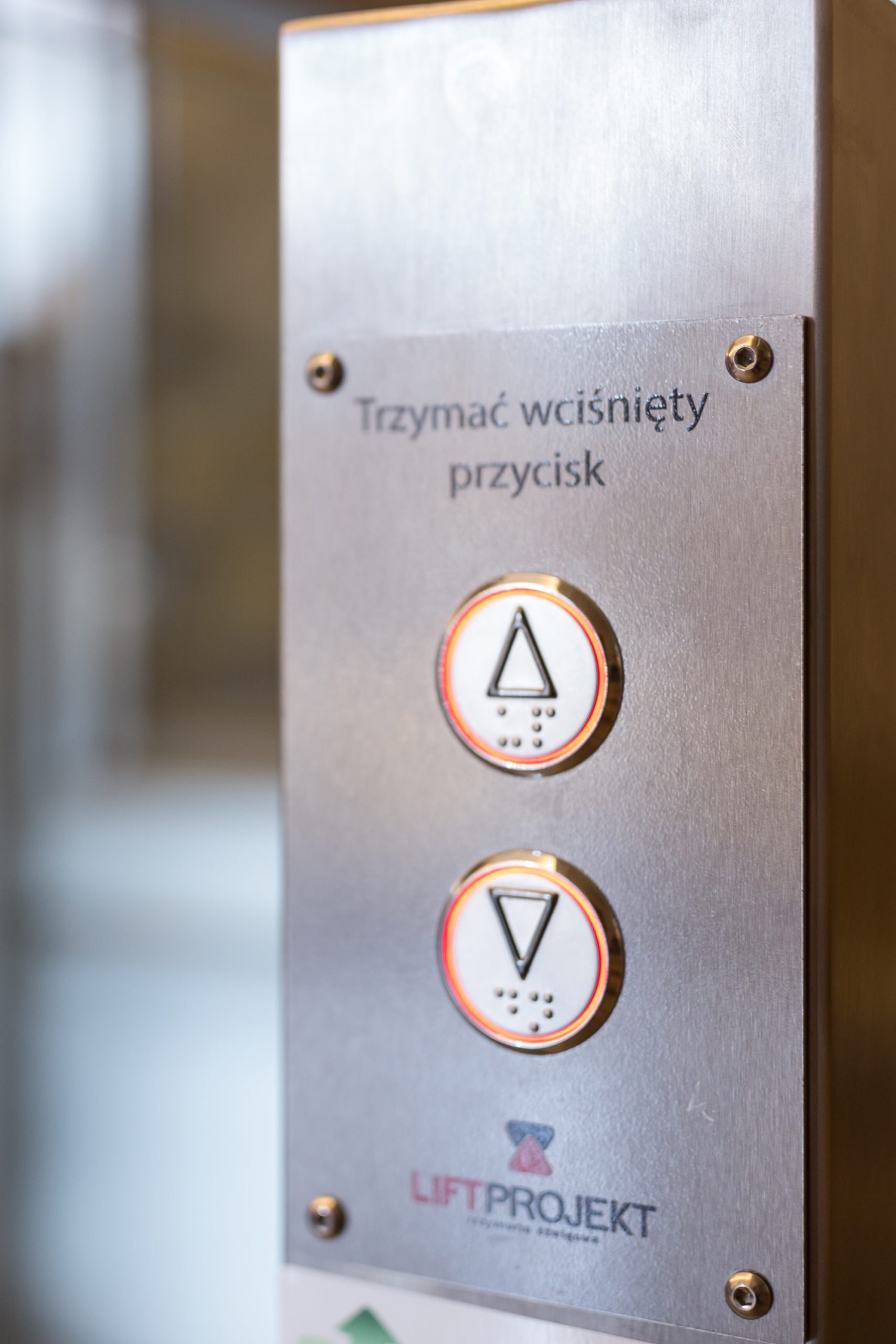
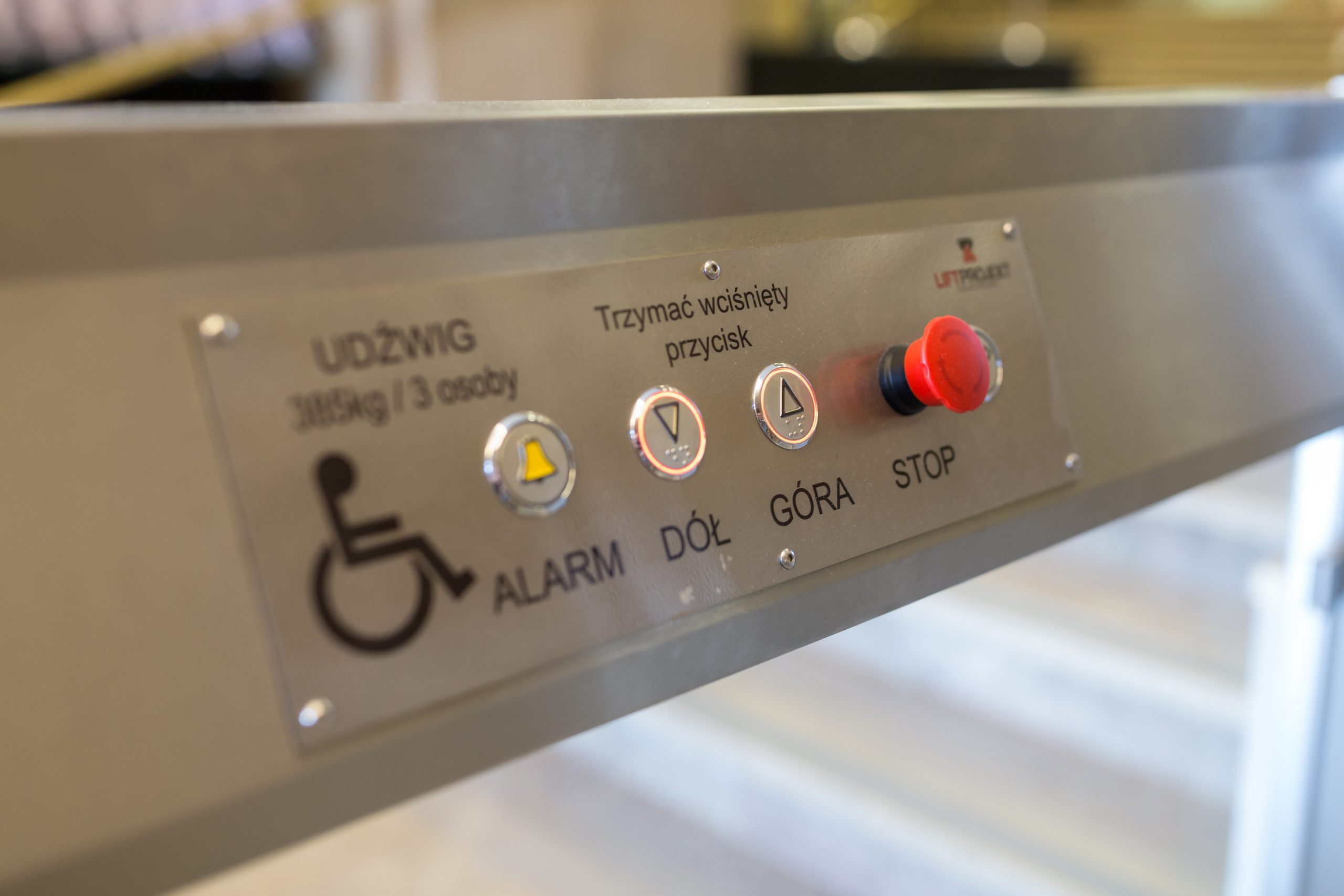
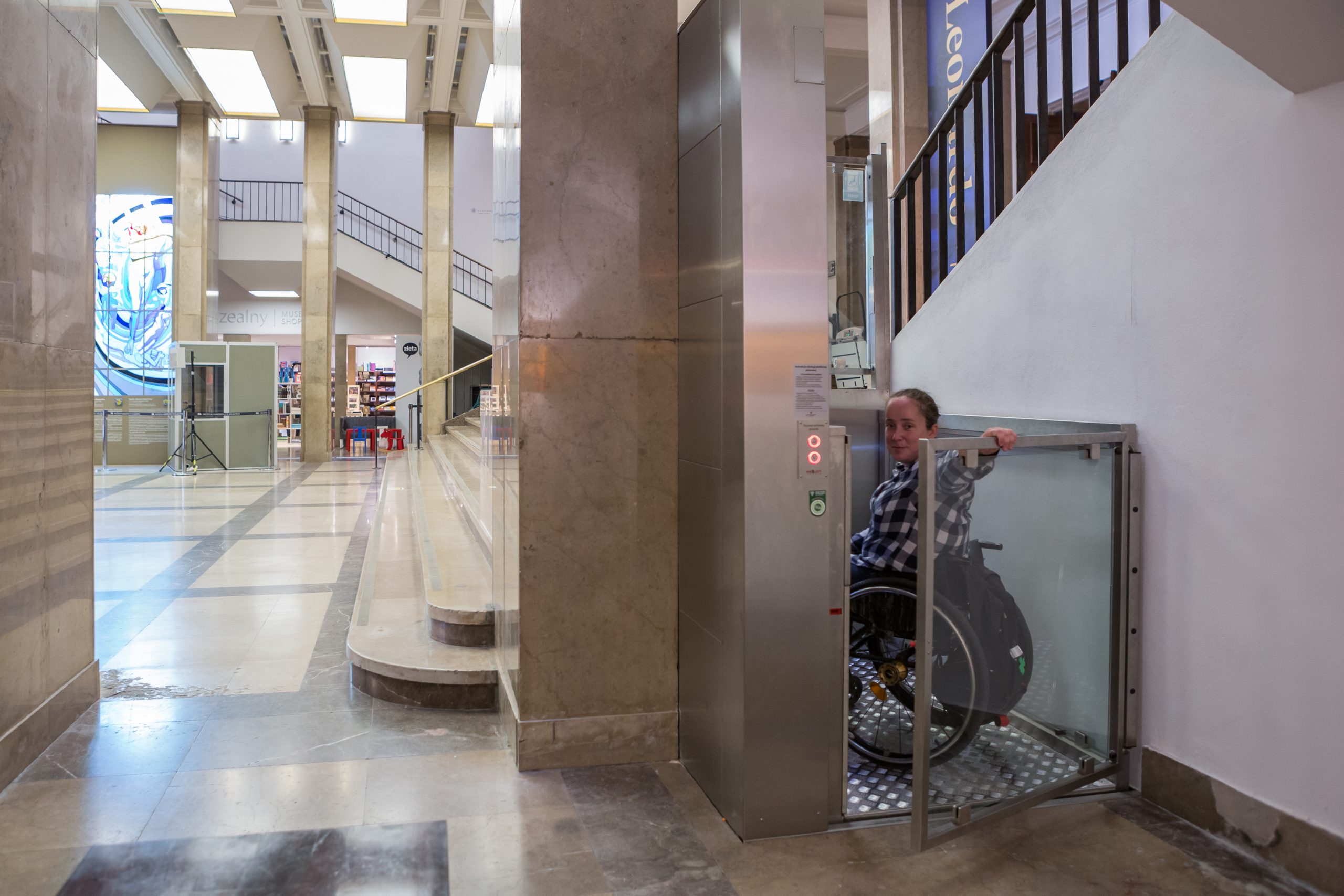
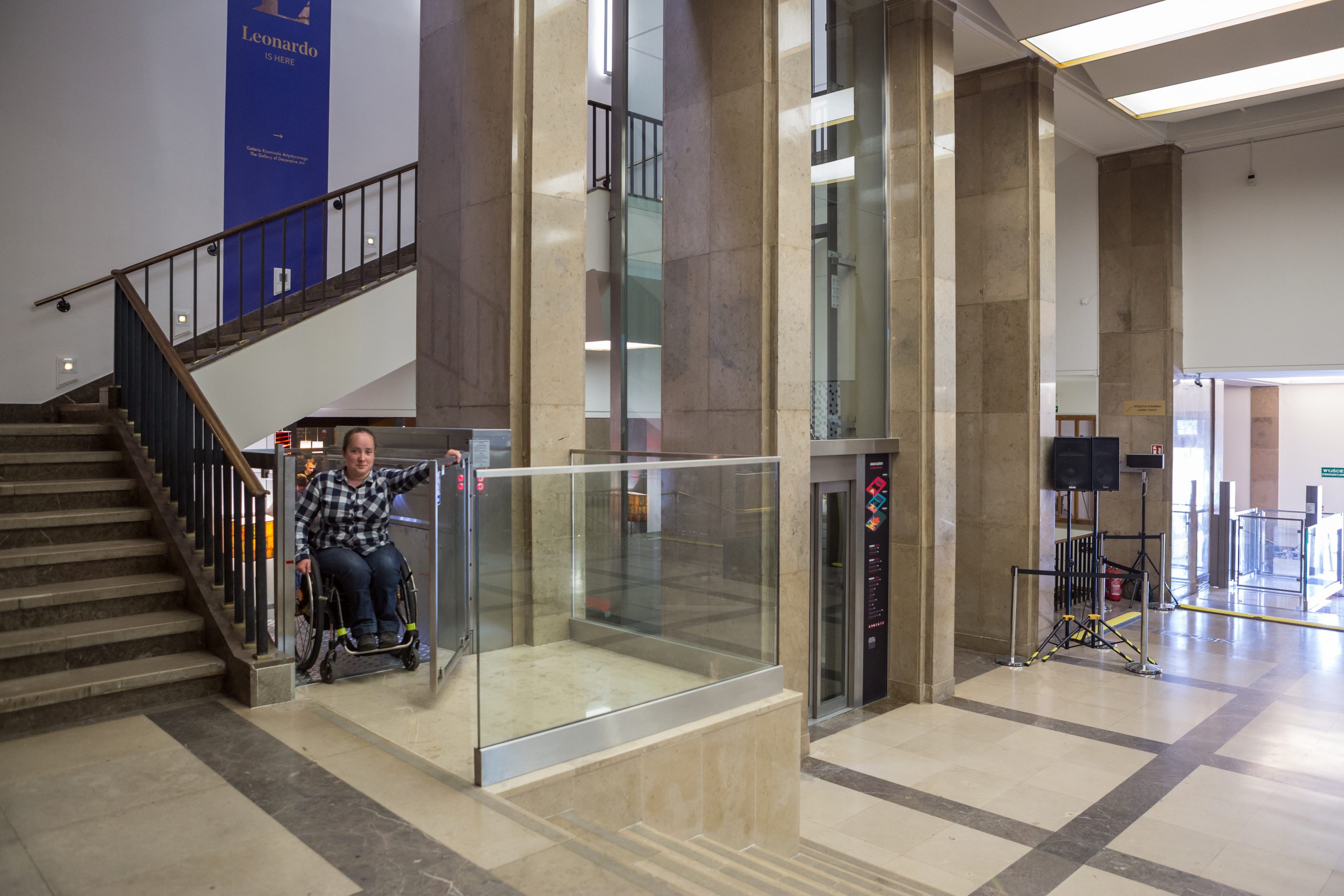
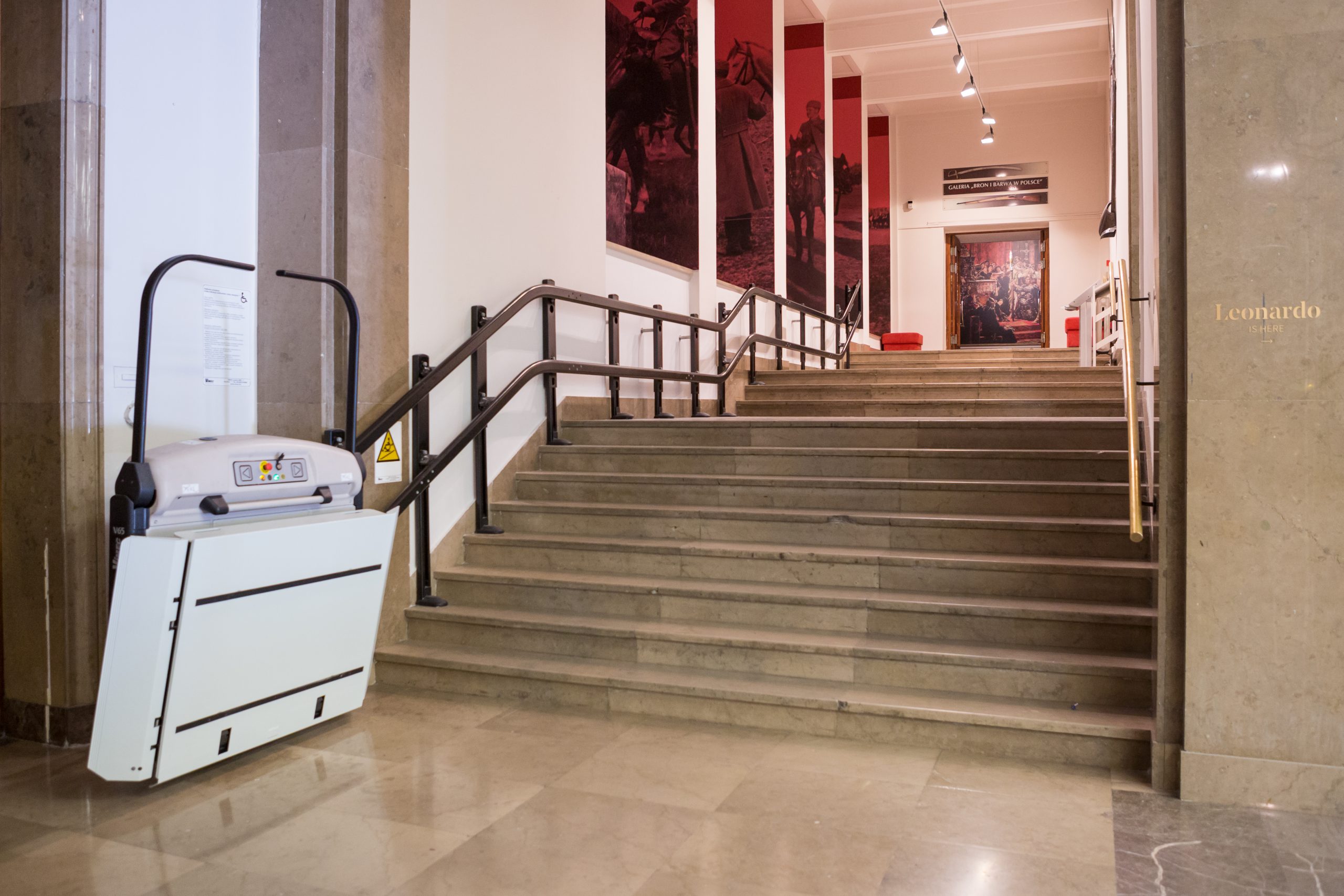
The entrance to the building has no threshold. Inside, there is a lift that allows wheelchair users to access the MNK Sukiennice galleries and terraces with ease.
The reception desks, museum shop and security desk, located on the ground floor by the entrance to the galleries, are fully accessible to wheelchair users.
The absence of thresholds and barriers makes it easier to move around the building. As the main cloakroom can only be reached by stairs, an additional cloakroom next to the museum shop has been provided for people with mobility impairments, which is equipped with, among other things, luggage lockers.
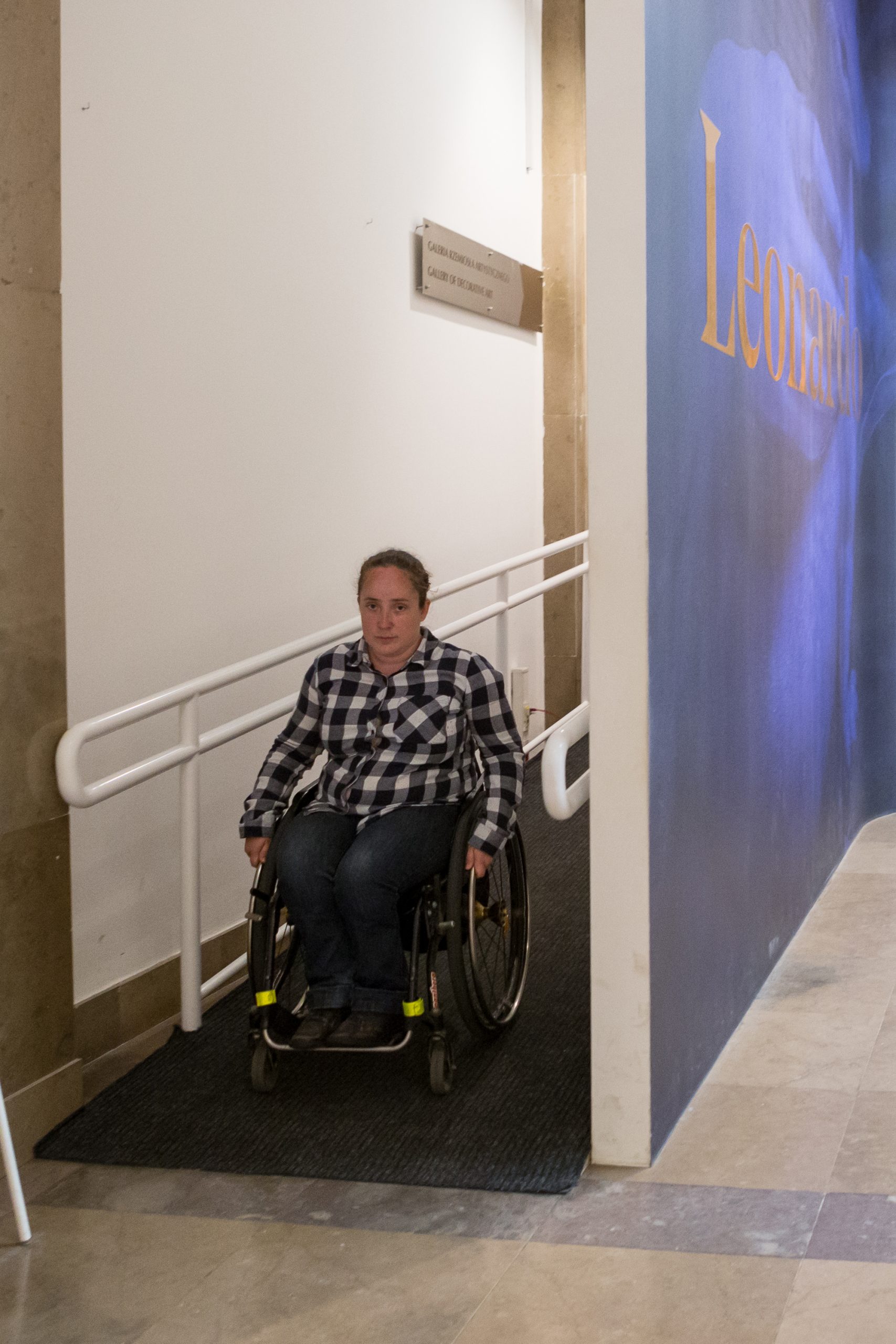
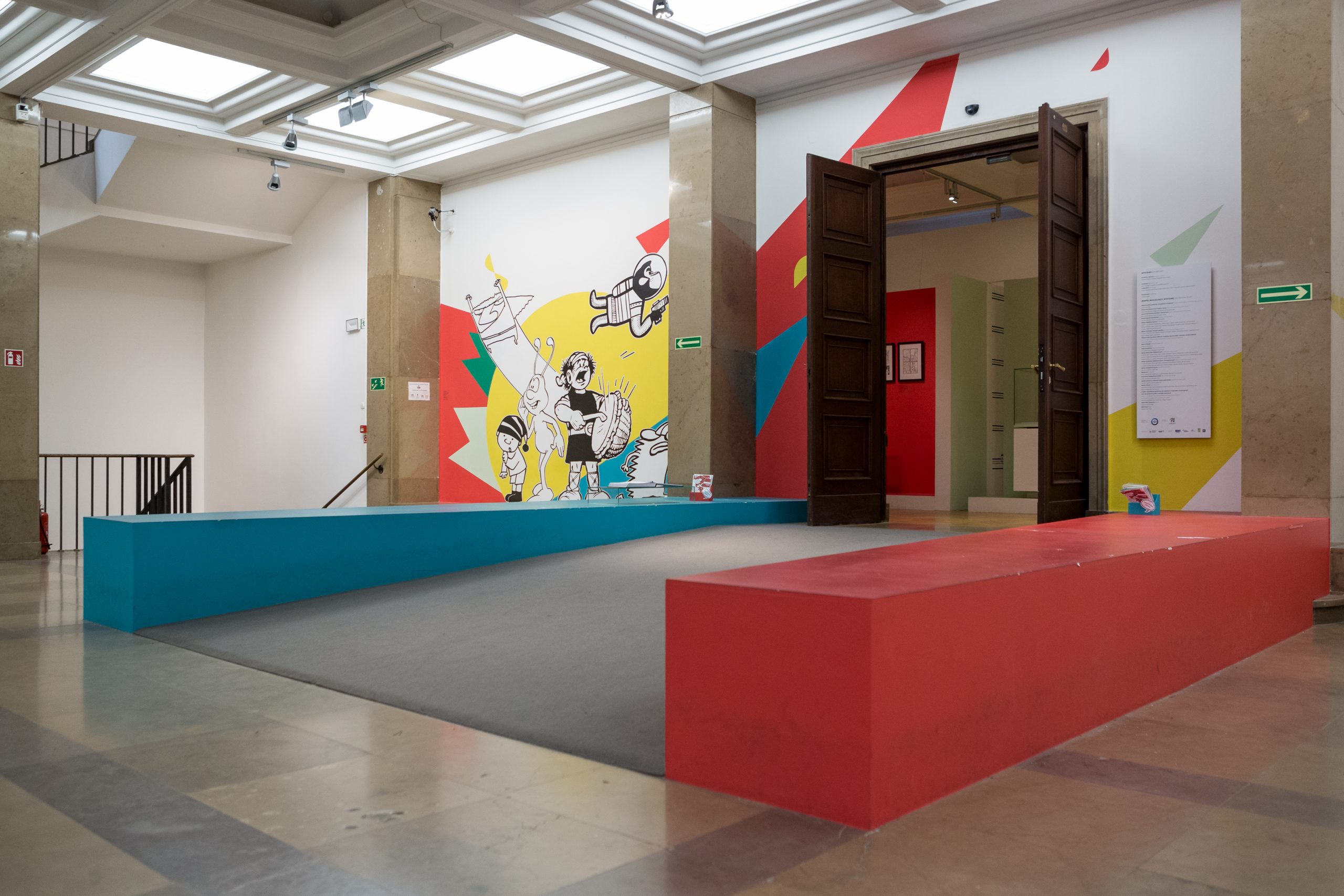
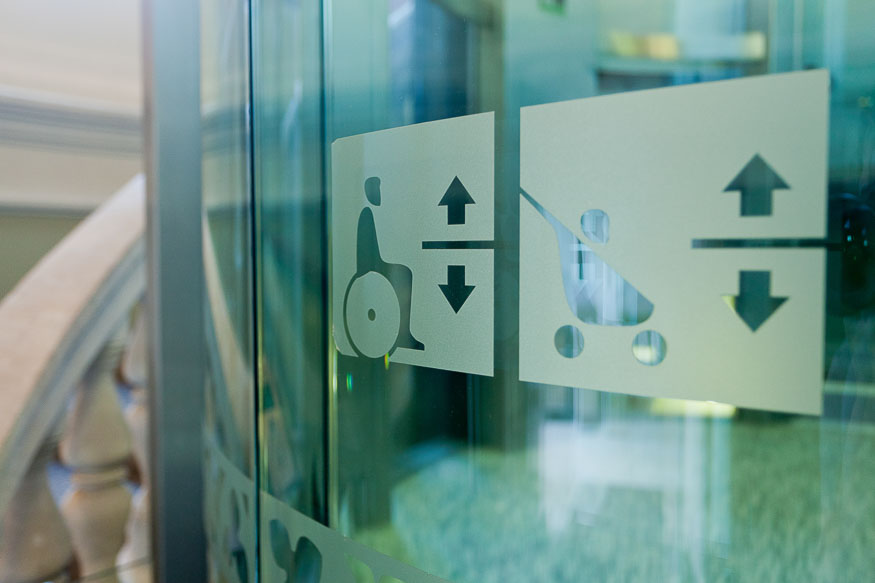
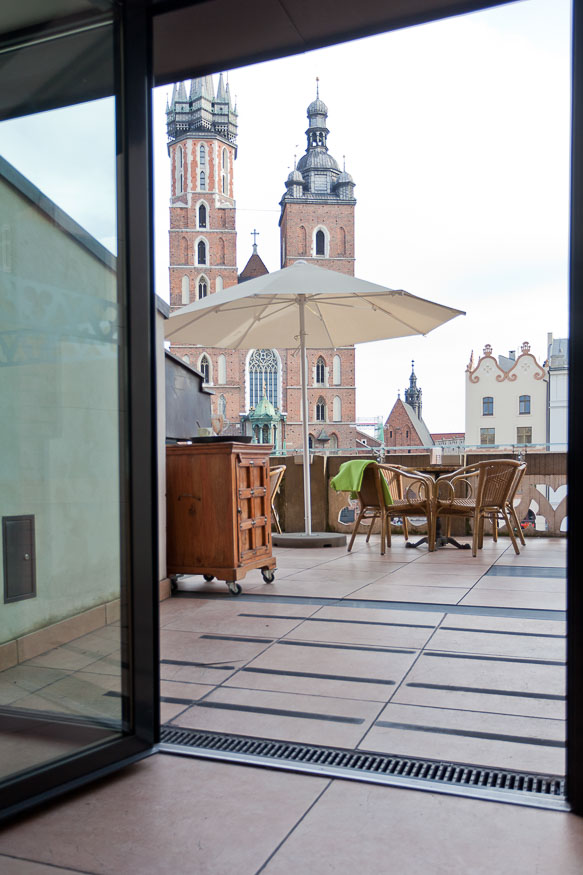
The passageways between the rooms are threshold-free, and a gentle ramp leads up to the terrace. For safety, decorative stickers have been placed on the glass doors.
The branch is equipped with a defibrillator.
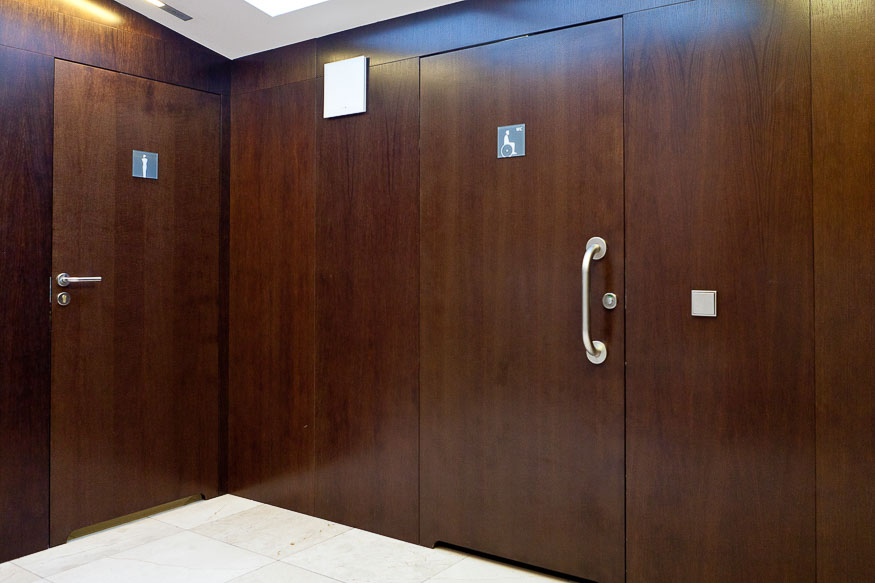
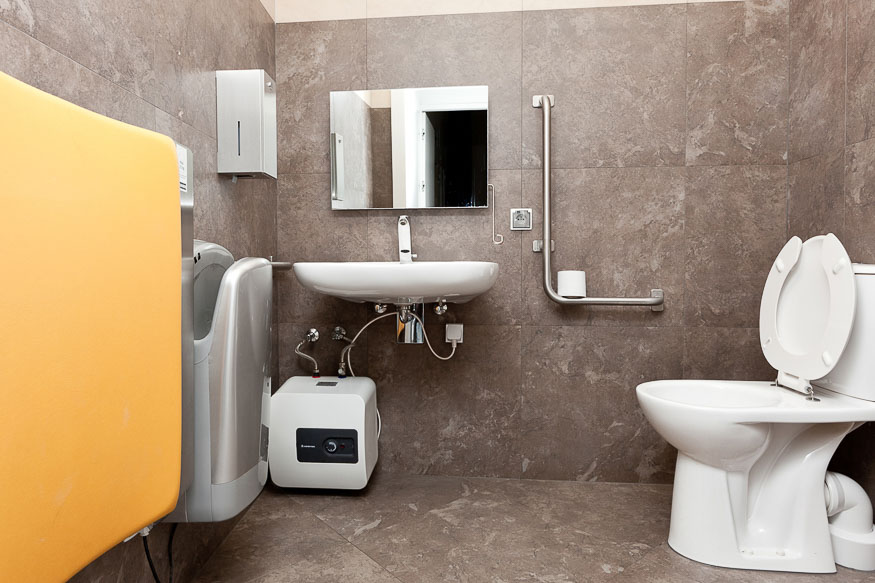
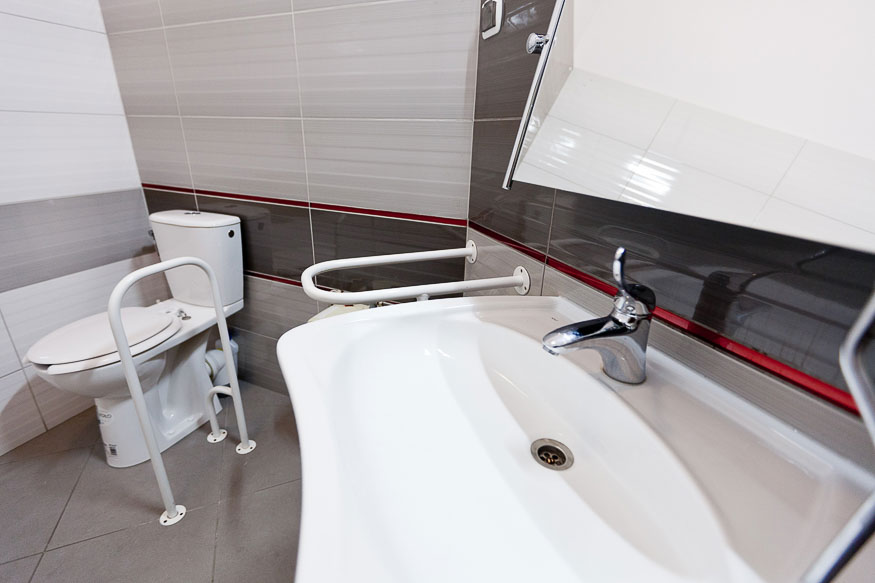
Next to the terrace and café, there is a toilet for people with disabilities, equipped with lowerable grab rails and a special washbasin and toilet. The mirror has been fitted in such a way that both a standing person (of any height) and a person in a wheelchair can see themselves clearly. All handles and buttons are also comfortable for people with spasticity in their hands.
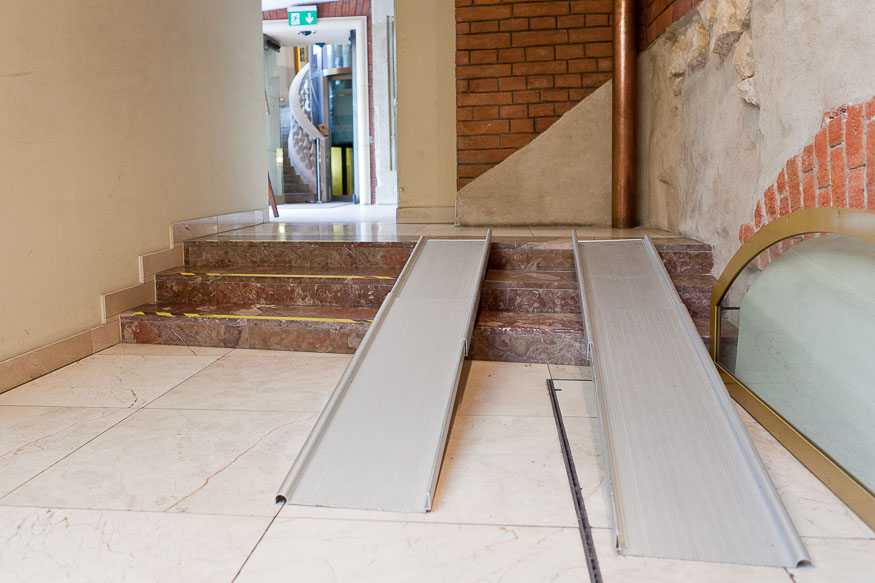
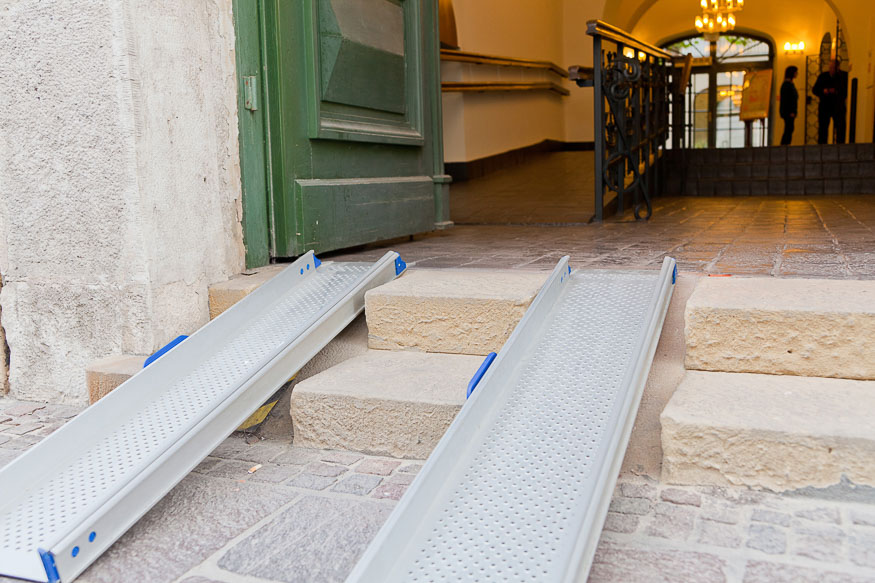
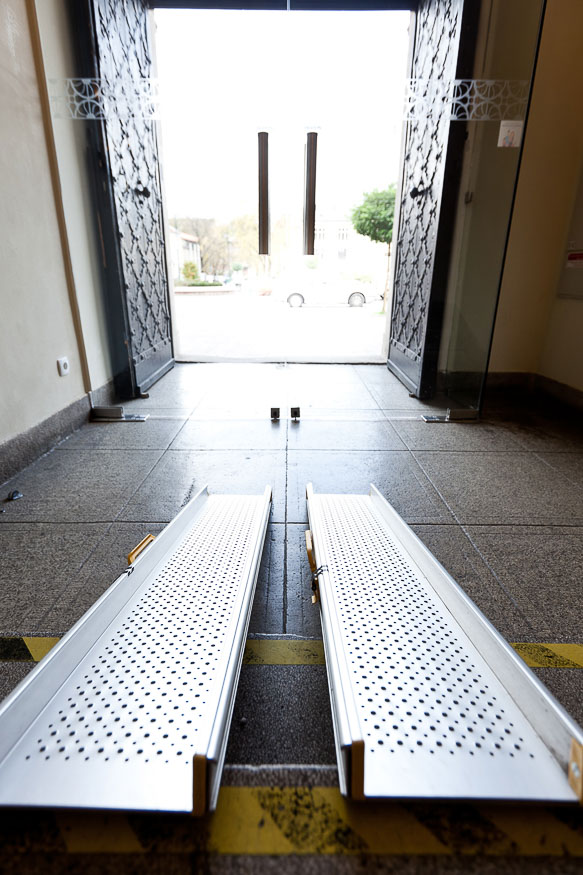
The stairs pose a barrier to accessing the toilet. The problem has been solved using portable aluminium ramps, which are unfolded as needed. The width of the stairs does not allow for them to be permanently installed.
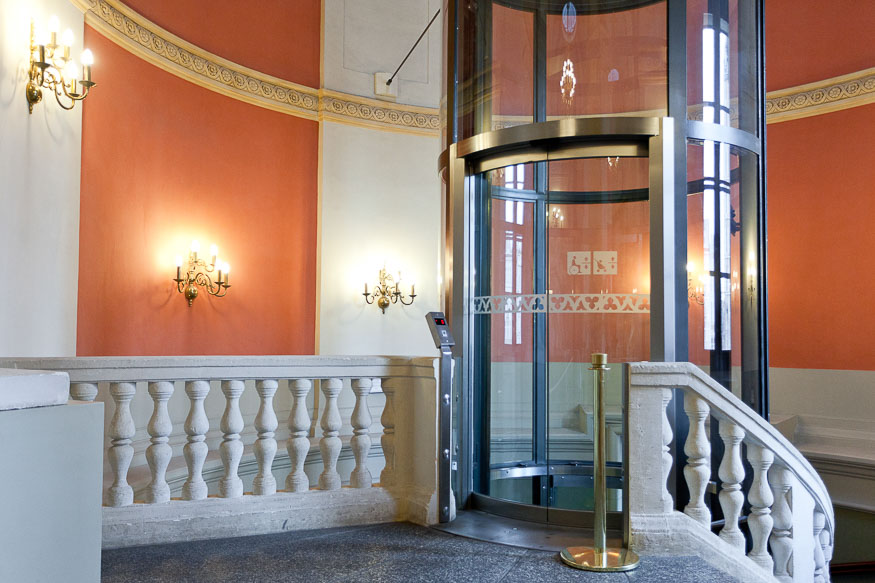
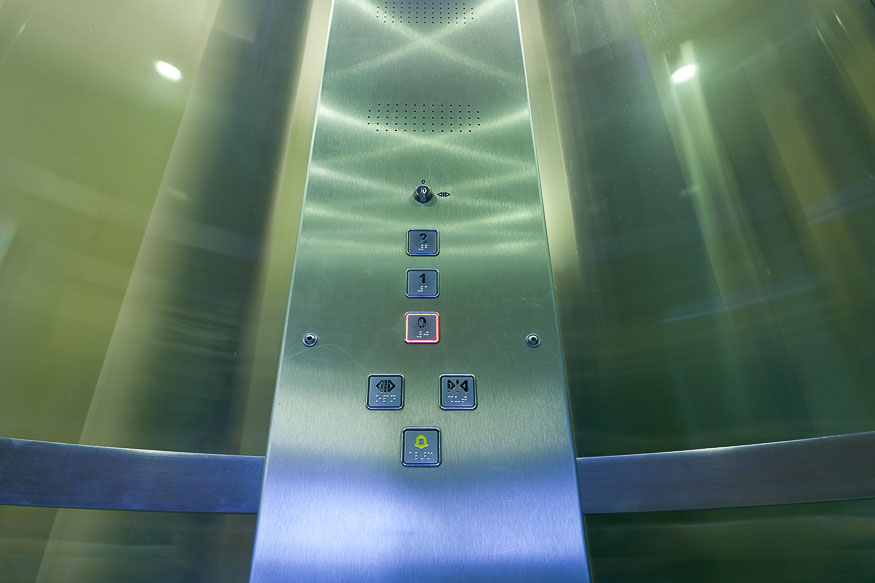
All floors of the Museum are adapted to the needs of people with mobility impairments. This applies to the exhibition and lecture rooms, as well as the education room. Lifts, sufficiently wide corridors and appropriately equipped toilets are provided on the ground floor.
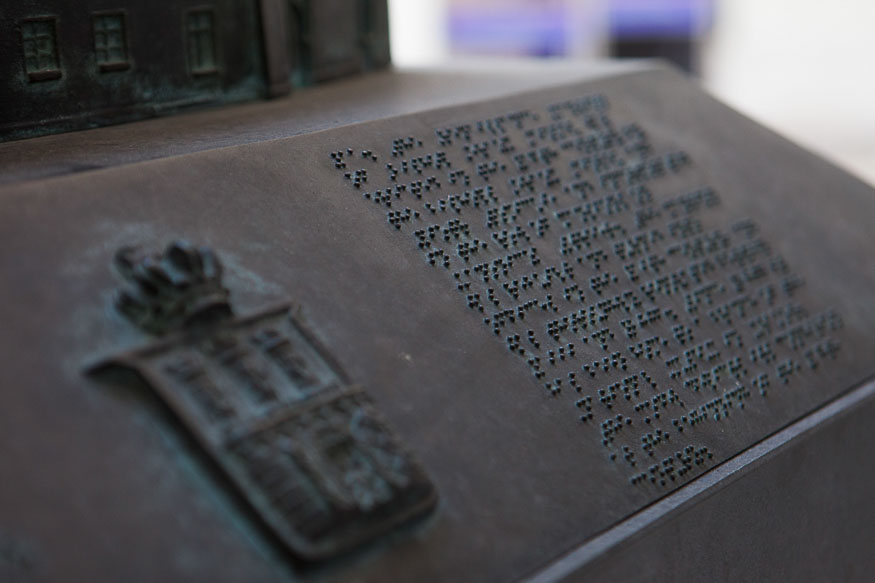
The route for blind visitors is marked from the entrance with tactile strips and raised dots in tactile paving. Next to the ticket office, there is a tactile, audio-enabled information board describing the building’s layout in Polish, English and Ukrainian.
In the courtyard there is the Place of Discovery and Experiment. It is a kind of low, mobile unit with seats featuring pockets for books. This area is also equipped with drawers containing:
All drawers containing replicas of artefacts feature labels in Polish and English, as well as in Braille, and descriptions of the artefacts in Braille and large print, designed for the visually impaired.
The exhibition rooms of the MNK Czartoryski Museum feature stations along the sensory trail equipped with educational replicas of selected artefacts from the permanent exhibition. These stations are primarily intended for people with visual impairments, but all visitors are welcome to use them.
Two types of exhibition guides have been prepared for visitors:
Visitors with disabilities can obtain the guides at the ticket office for the price of a ticket.
The MNK Czartoryski Museum can also be visited virtually. As part of the online tours, you can view selected rooms of the permanent exhibition and expand your knowledge of the MNK Czartoryski Museum collection. The virtual tour includes works of art such as Rembrandt’s Landscape with the Good Samaritan, Leonardo da Vinci’s Lady with an Ermine, as well as national treasures, including those displayed in the showcase containing the Royal Casket.
Each of the guided tours is available in five languages:
The Library building is currently undergoing renovation. Completion is expected in 2028.
As part of the project, the following facilities will be provided for people with mobility impairments:
The venue is accessible to wheelchair users. Throughout the building, there are comfortable seats specially designed for people of different heights and those who have difficulty sitting down and standing up. Portable chairs and a wheelchair are also available for visitors.
The entrance to the MNK Arsenal building has a small threshold, which does not pose an obstacle for wheelchair users.
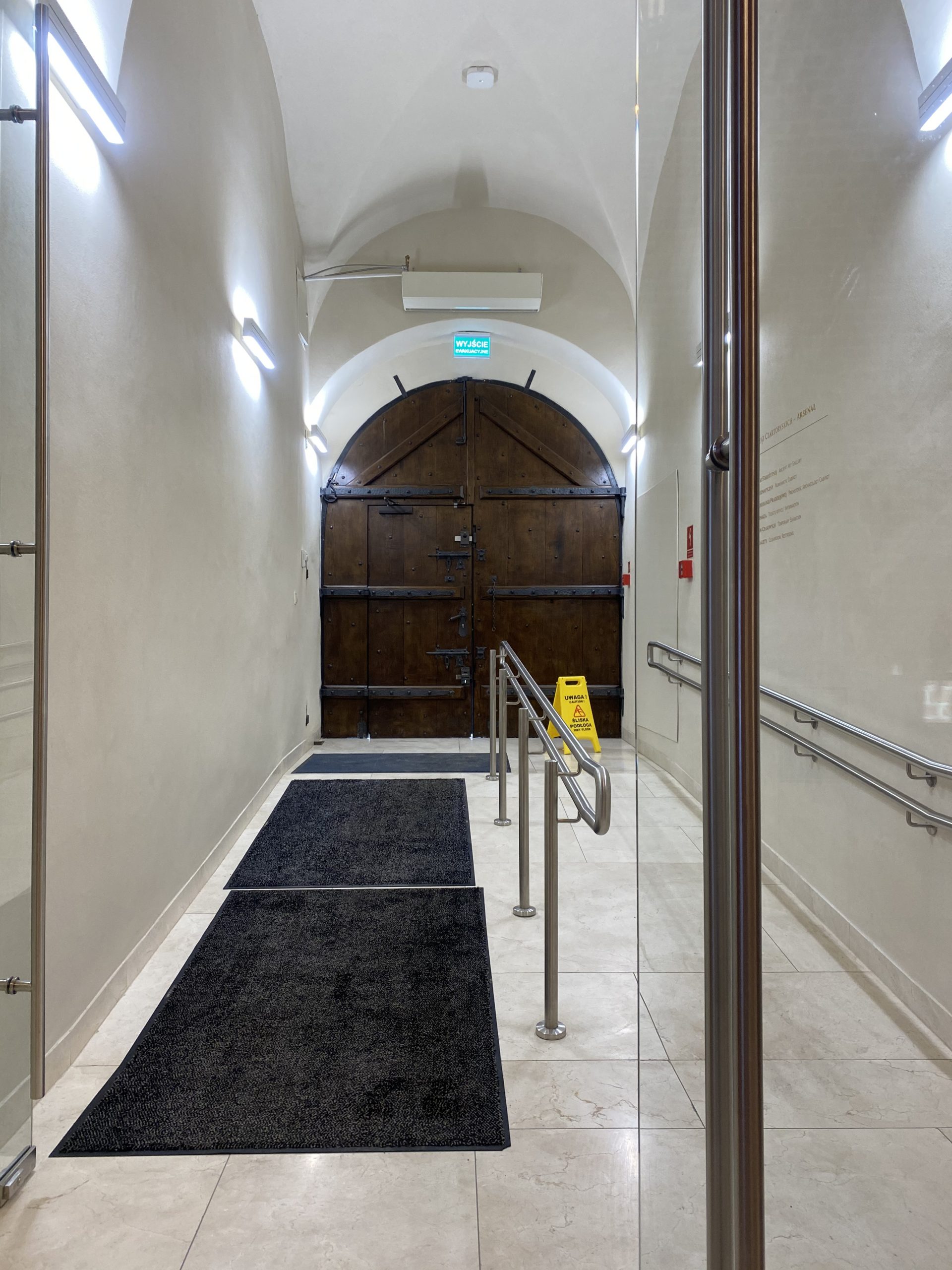
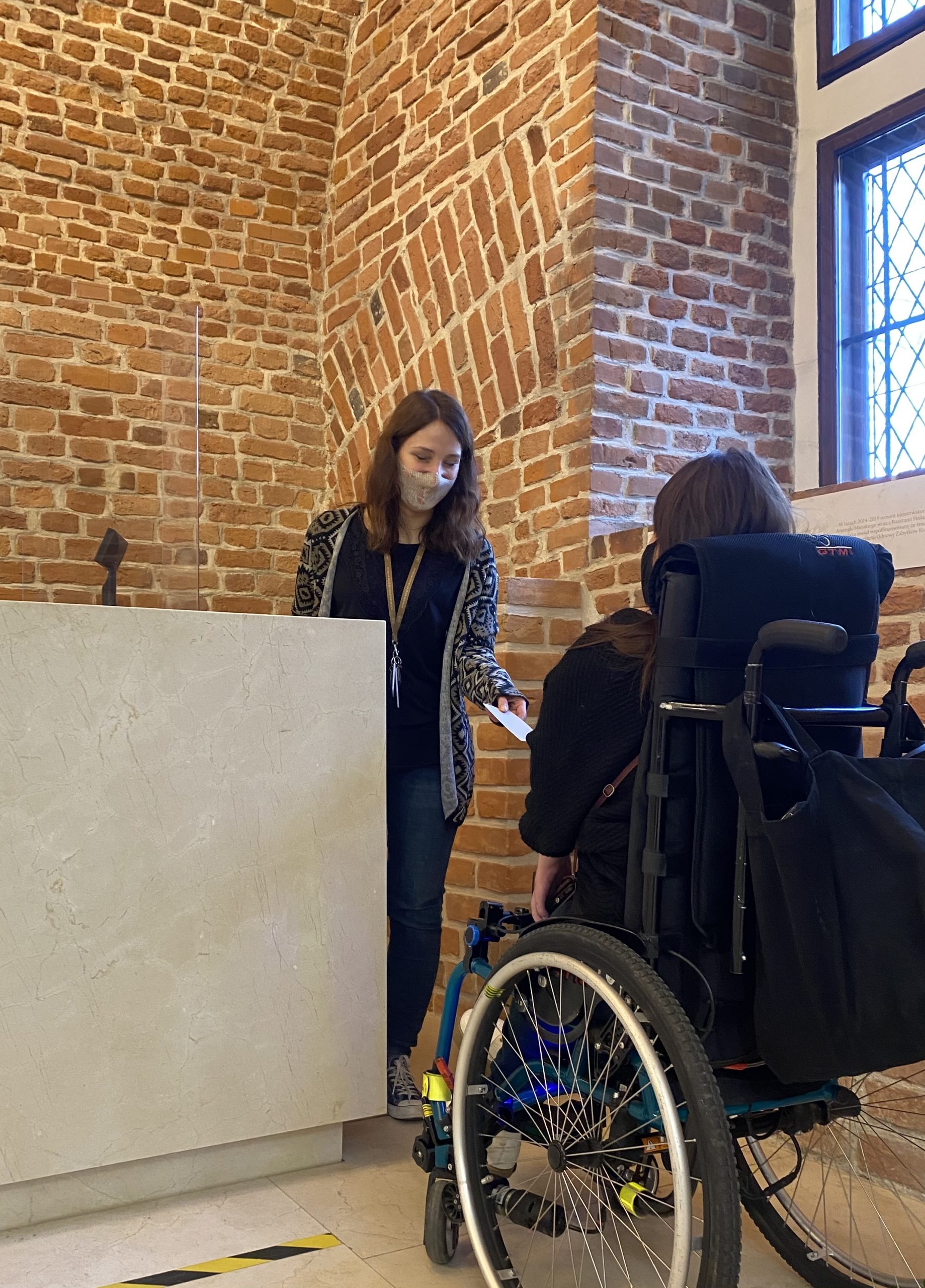
In the entrance area, there is a ramp with handrails on both sides, and the glass doors (which are intended to remain permanently open during visits) are marked with contrasting text at various heights. The shop counter is glazed, allowing wheelchair users to view publications and goods freely.
A wheelchair is also available for hire for visitors with mobility difficulties.
The building has a lift, operating from level -1 to the first floor.
On level -1 there is an accessible cloakroom, equipped with comfortable lockers for visitors and a mirror that meets the needs of people of different heights. Opposite the lift are toilets, including an accessible toilet.
The entrance to the ‘Weapons and Colours in Old Poland’ gallery on the ground floor has no threshold, and the stairs beyond it are marked with warning tape. Next to the stairs is a lift for wheelchair users. The rest of the gallery has no changes in level.
On the first floor is the Gallery of Ancient Art, which is adapted to the various needs of visitors. The spacious display cases in the gallery allow people of different heights, including wheelchair users, to view the exhibits very comfortably.
At the end of the Gallery of Ancient Art is the Prehistoric Archaeology Room. This room also serves as a quiet zone for visitors who may feel unwell during their visit. It contains a sensory basket.
MNK Czapski Palace
The path to the Palace from the gate on Piłsudskiego Street is paved with uneven granite cobblestones.
Access to the Palace building is difficult due to the high steps (portable handrails are required).
The building is equipped with an internal lift, accessible toilets, ramps, wide doors and passageways.
The building is equipped with a defibrillator.
The Rare Books Library, located on the mezzanine of the first floor, is inaccessible to wheelchair users.
The Józef Czapski Pavilion
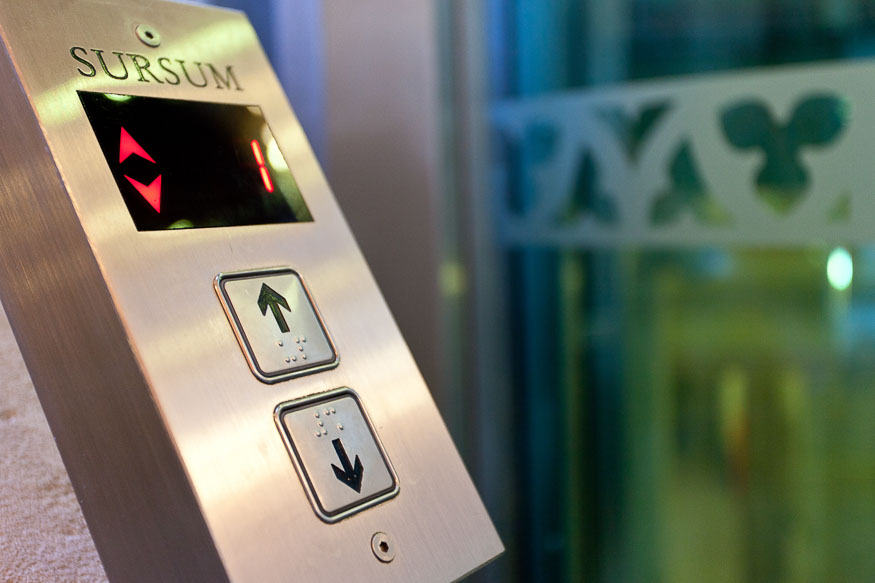
All levels of the Pavilion are accessible to wheelchair users. There are no thresholds in the Pavilion to hinder movement. The building features a lift with a voice announcement system, a self-service cloakroom and a toilet adapted for people with disabilities. Visitors also have access to a café and a terrace with tables.
The grounds of the branch feature a public garden with numerous plantings and paths paved with granite cobblestones. At the far end of the garden, visitors can make use of benches, tables and chairs.
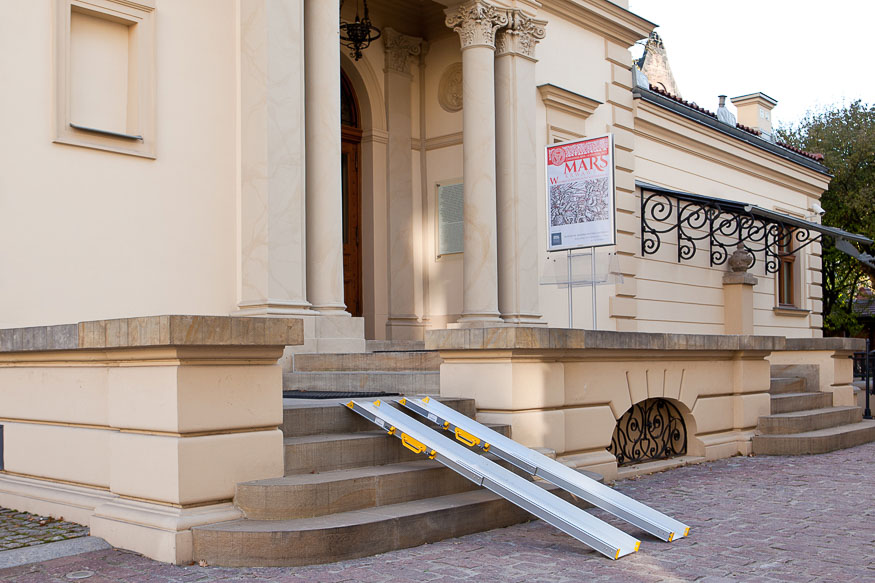
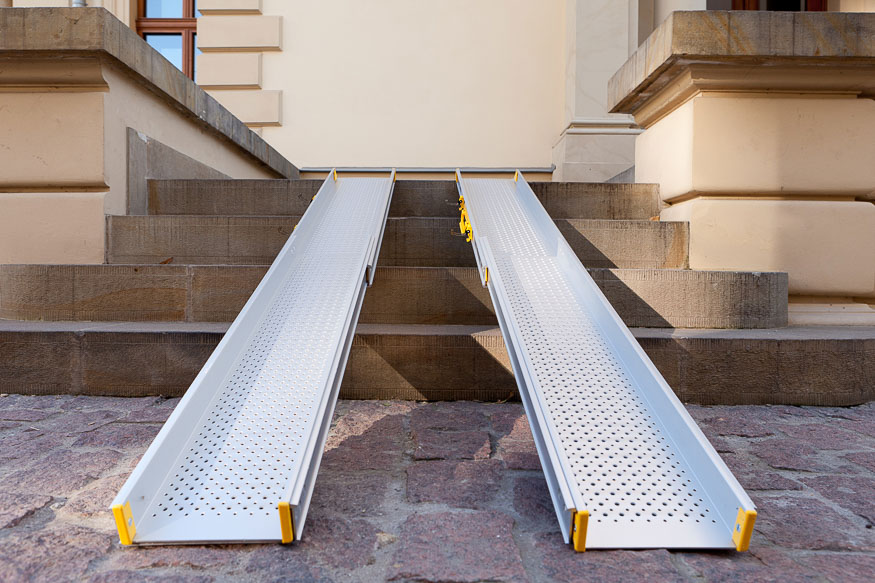
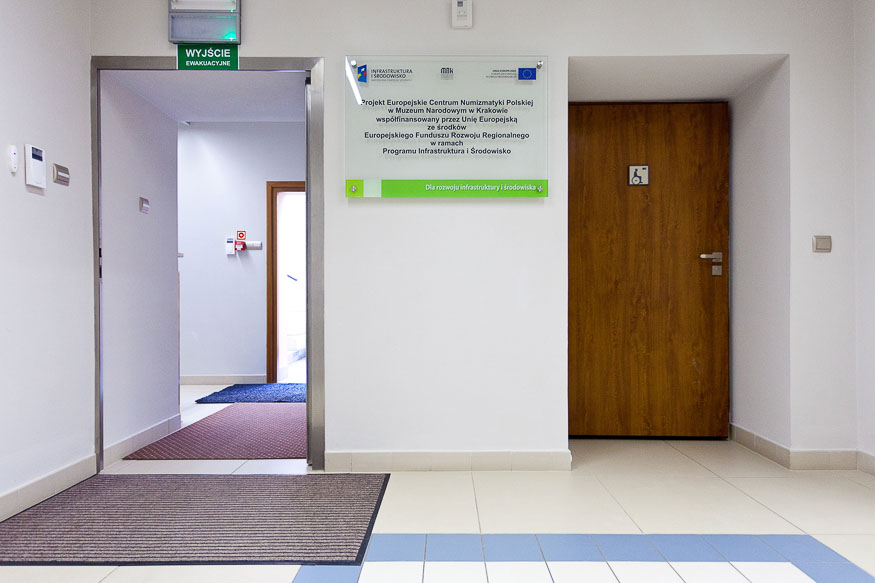
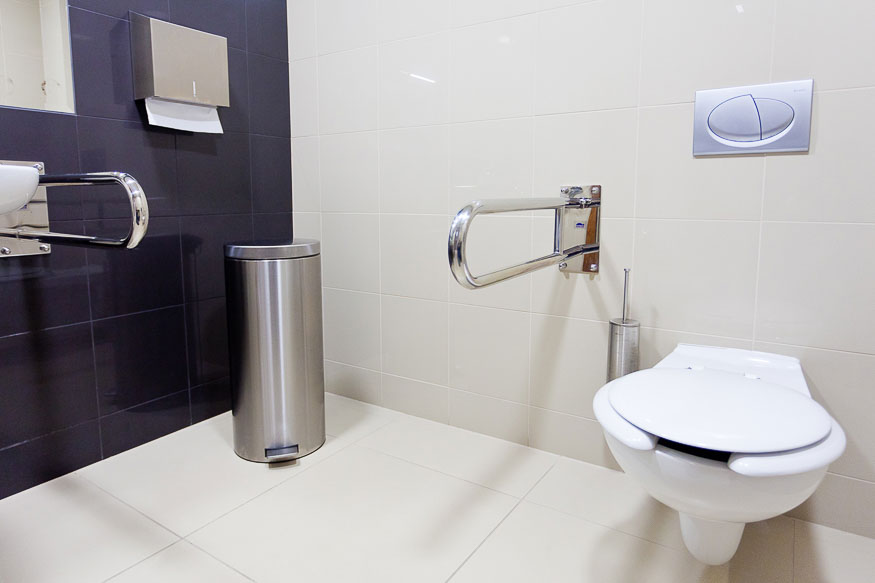
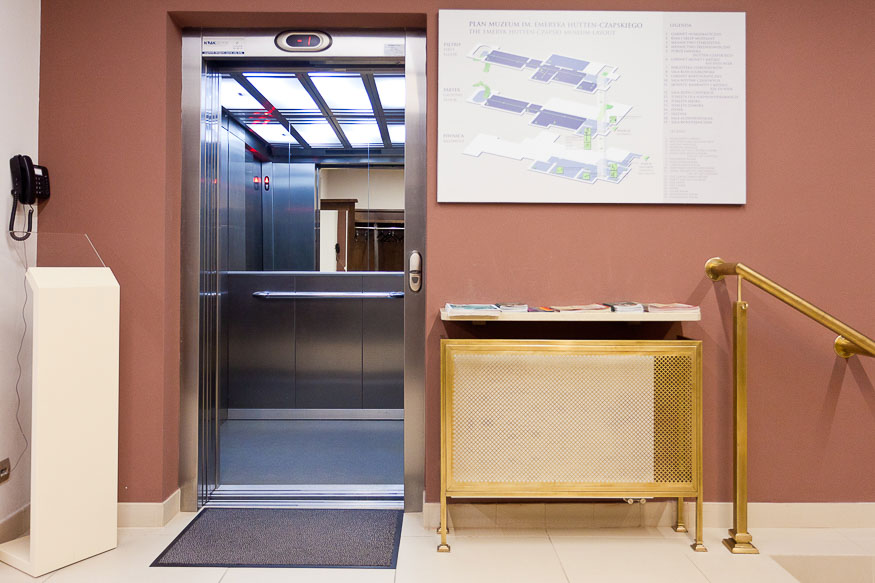
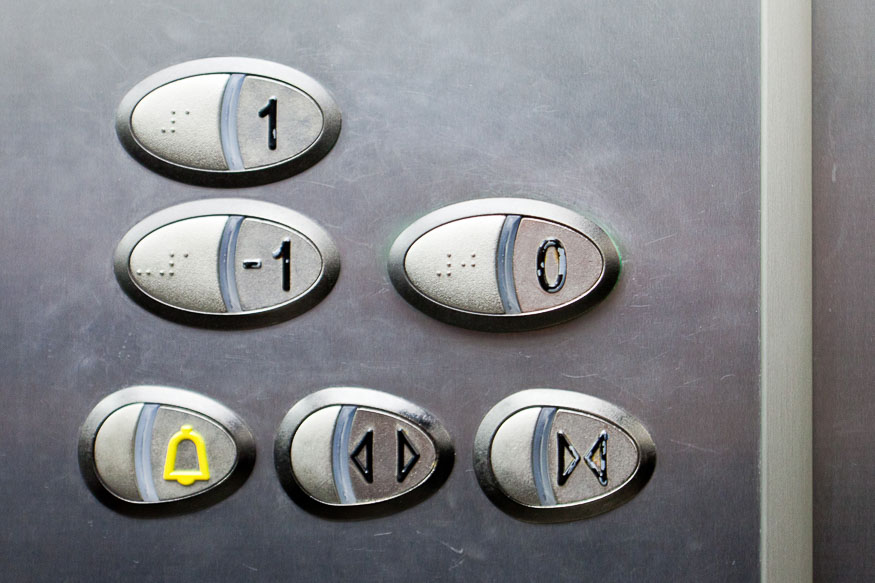
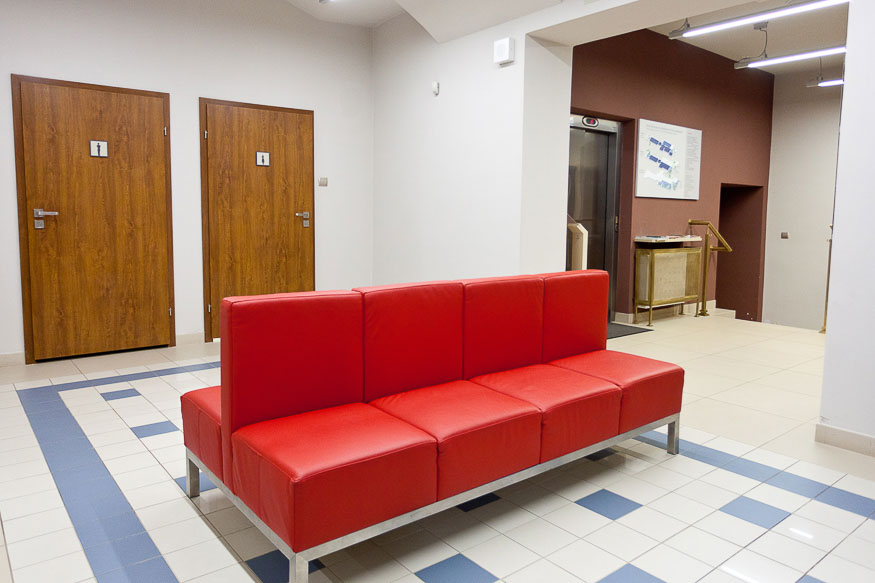
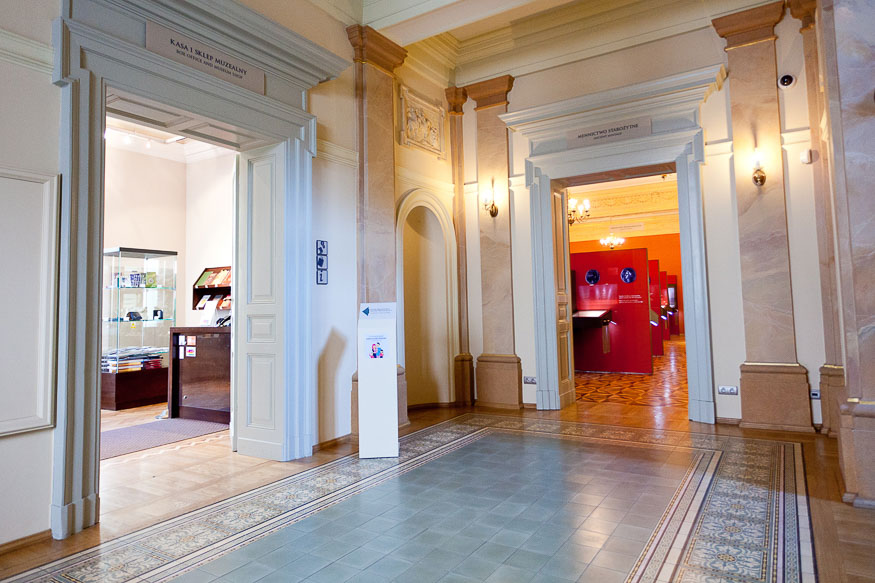
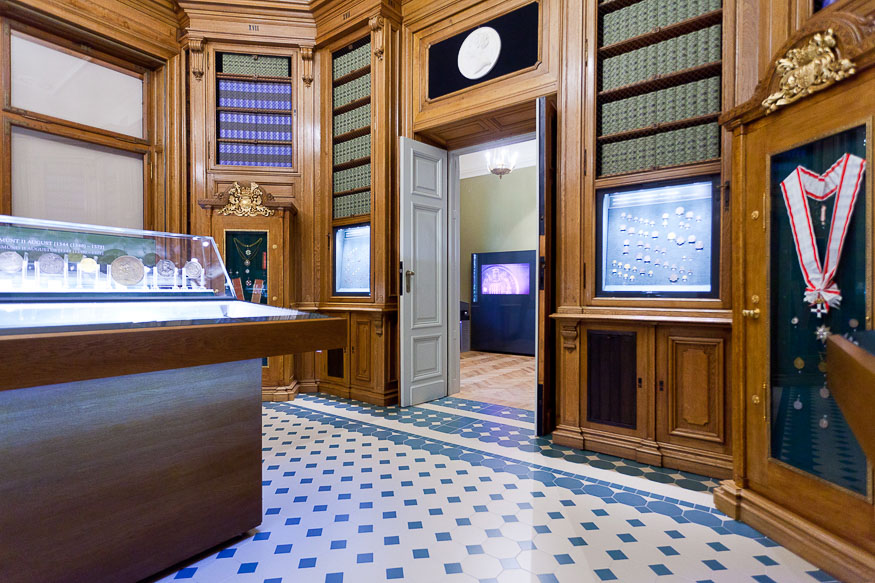
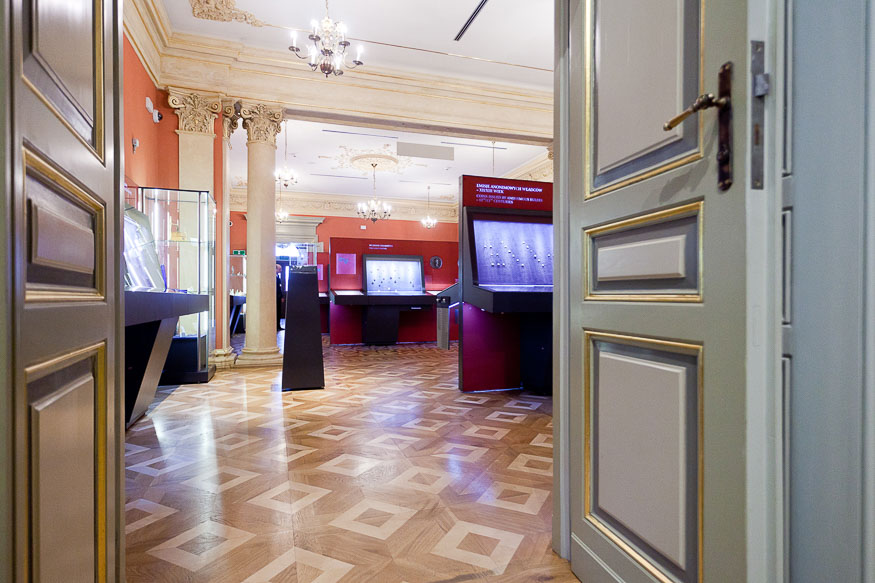
Visitors using wheelchairs are asked to use the entrance on Szczepańska Street. There is a historic threshold at the entrance which is difficult to negotiate. Assistance from a carer or a Museum member of staff is required; staff can be summoned via the intercom. The building has a lift and two accessible toilets (one is located at the entrance, the other on the first floor).
The facility is equipped with a defibrillator.
The branch is not accessible to wheelchair users.
The premises are equipped with a defibrillator.
The building is accessible to people with mobility impairments. Inside, there is an accessible toilet, ramps and wide doors. Wheelchair users cannot enter the building unaided. Access to the site is hampered by a large step and a steep, stony slope leading down to the building. Vehicle access is possible upon prior notification to the Museum’s staff.
The building is partially accessible to people with mobility impairments. There are two steps at the entrance to the Museum. Once you have negotiated these, you can visit the ground floor of the MNK Mehoffer House, where the lounge and gift shop are located. A ramp with a handrail provides access to the garden, where a seasonal café is situated.
There is no accessible toilet.
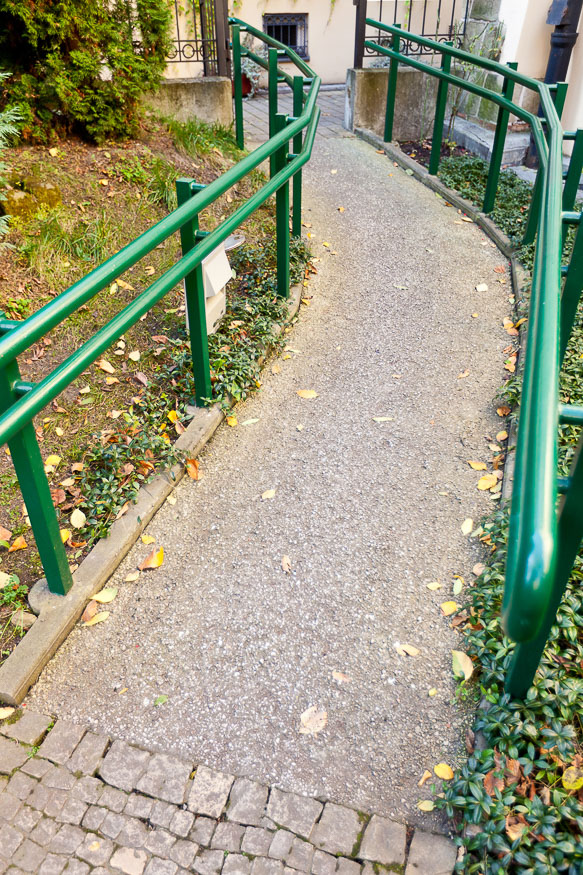
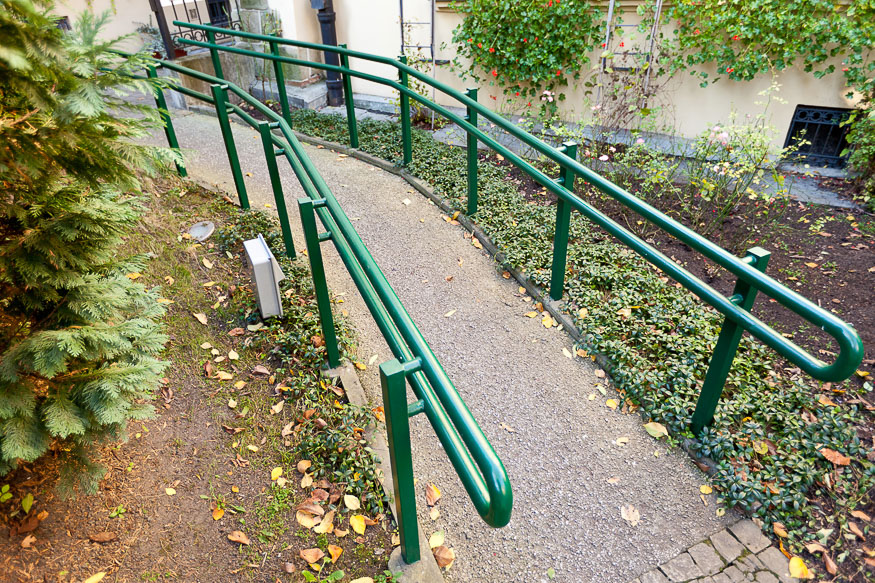
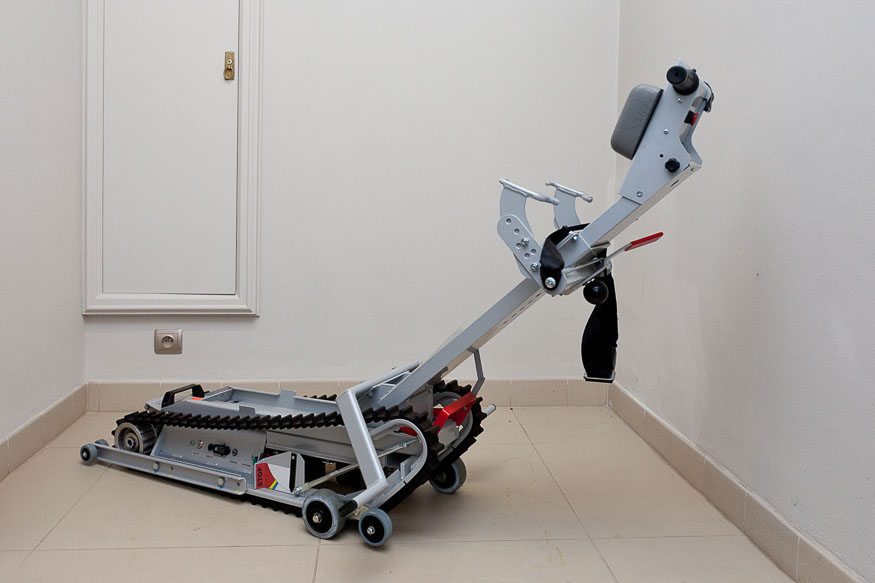
The building has a lift to the first floor; the entrance has no threshold, and there is an accessible toilet located next to the lift. The building has an additional stair climber, platforms and portable rails, which are necessary to negotiate a few steps leading to the side rooms. Access to the Orthodox Art Gallery and to the ticket office, information desk and the Gallery of Early Polish Art is restricted. The steps leading to the exhibition can be negotiated with the assistance of Museum staff using aluminium rails.
The venue is equipped with a defibrillator.
The exhibition Kraków at Your Fingertips and the educational rooms on level −1 are accessible to wheelchair users only via a stairlift. The exhibition is accessible on request, accompanied by a member of staff.
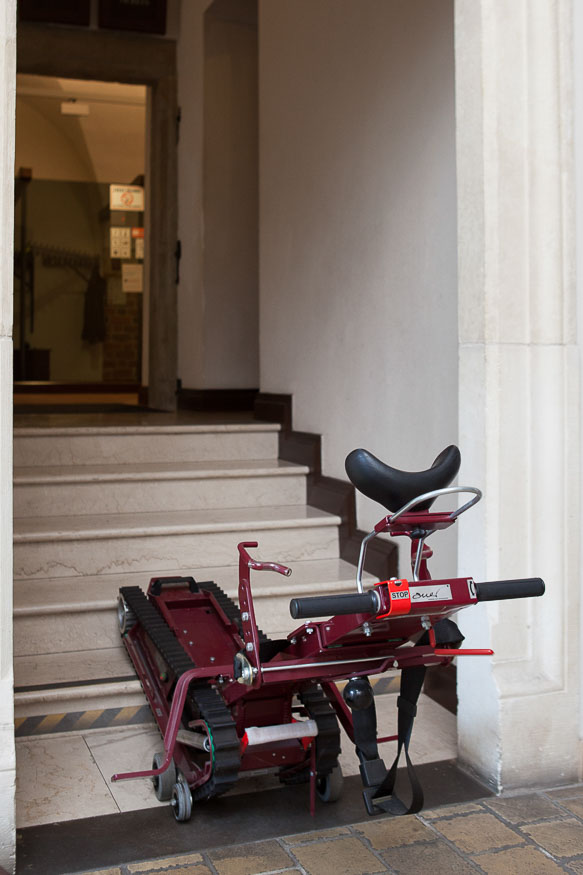
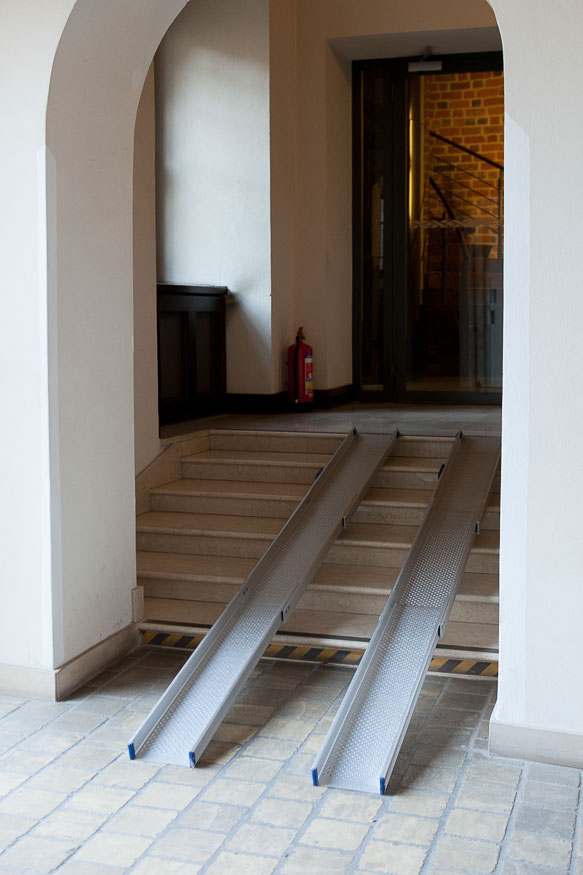
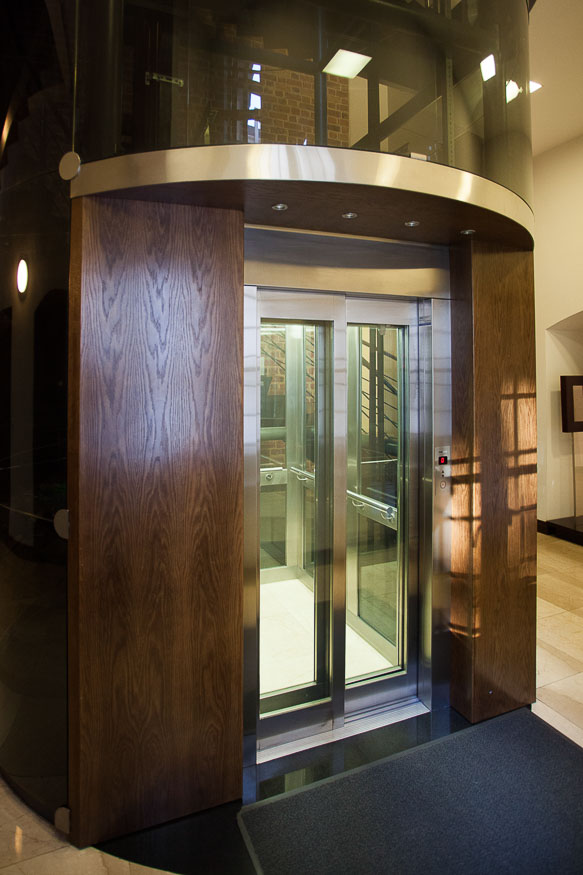
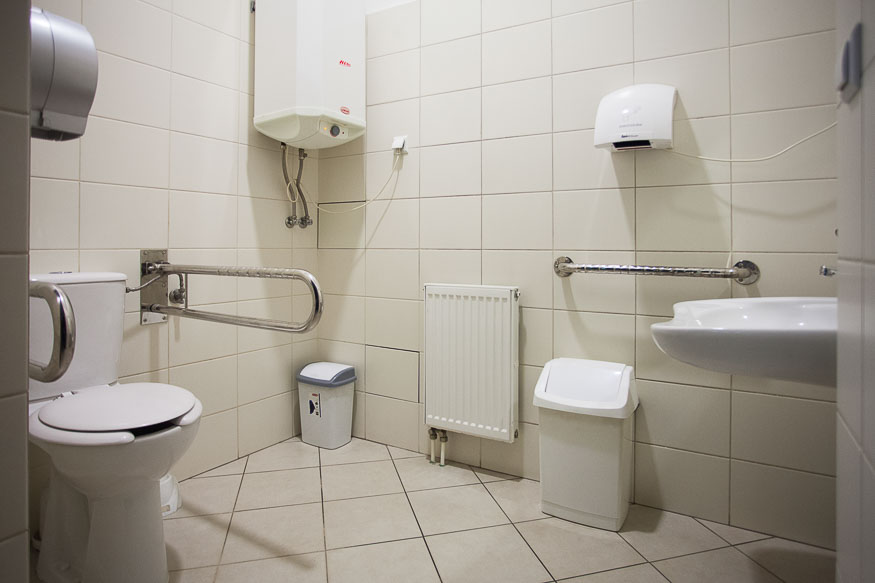
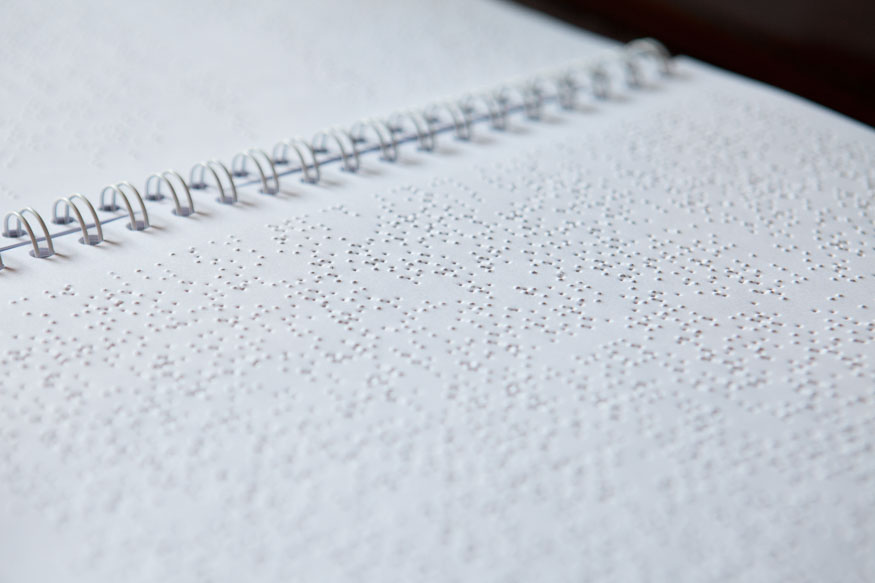
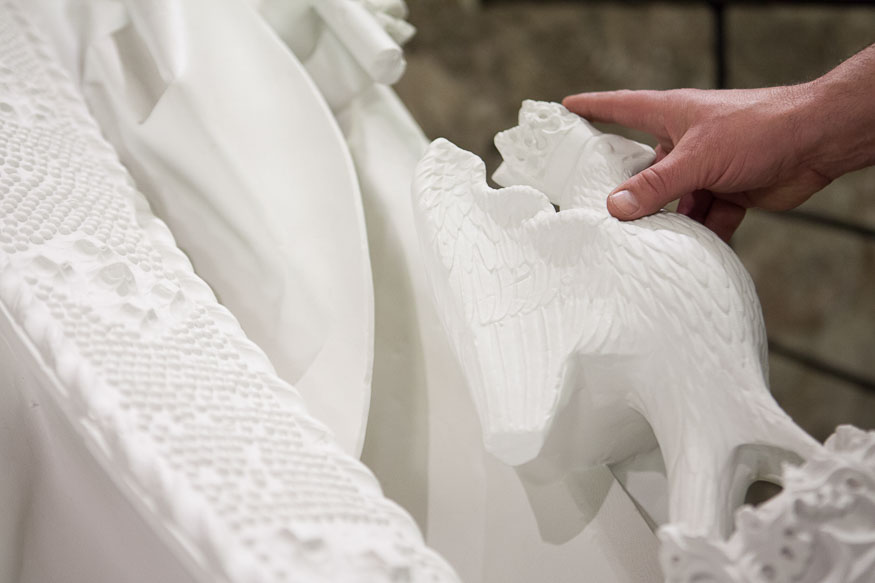
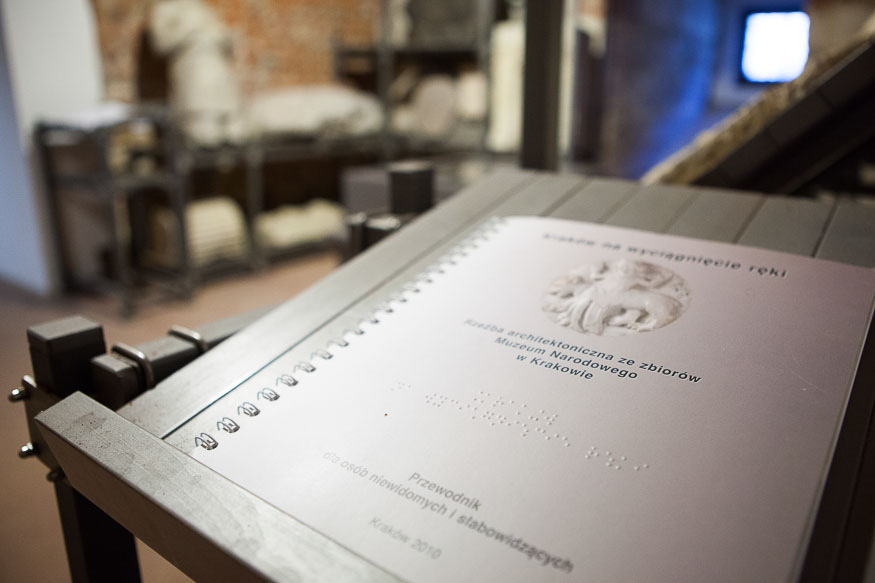
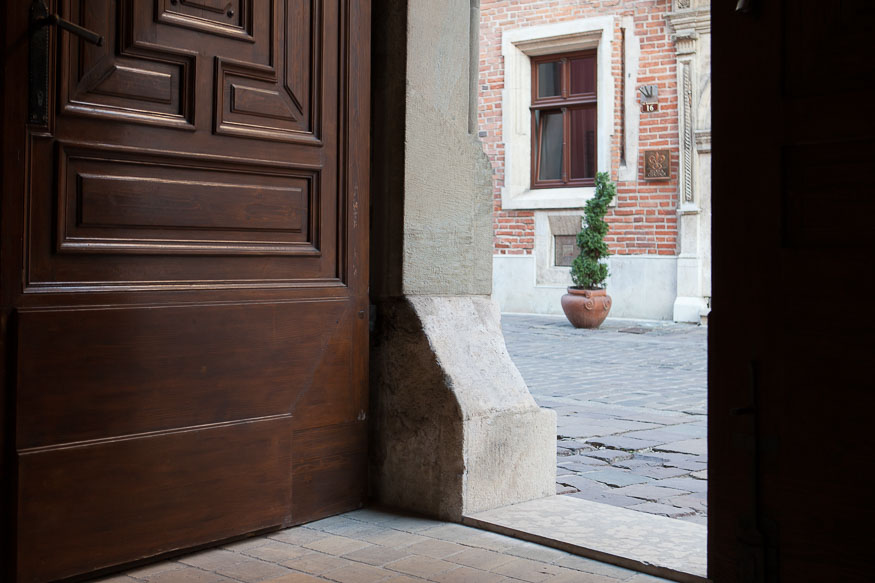
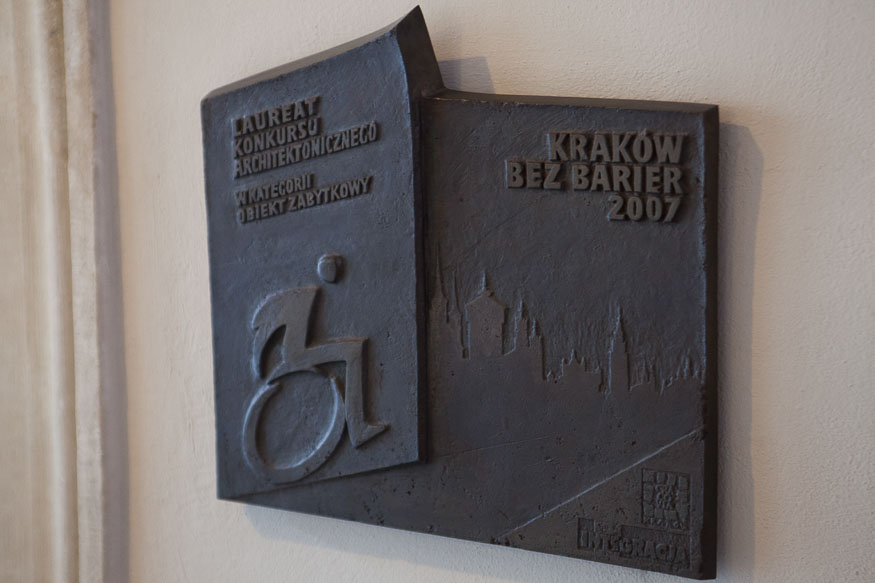
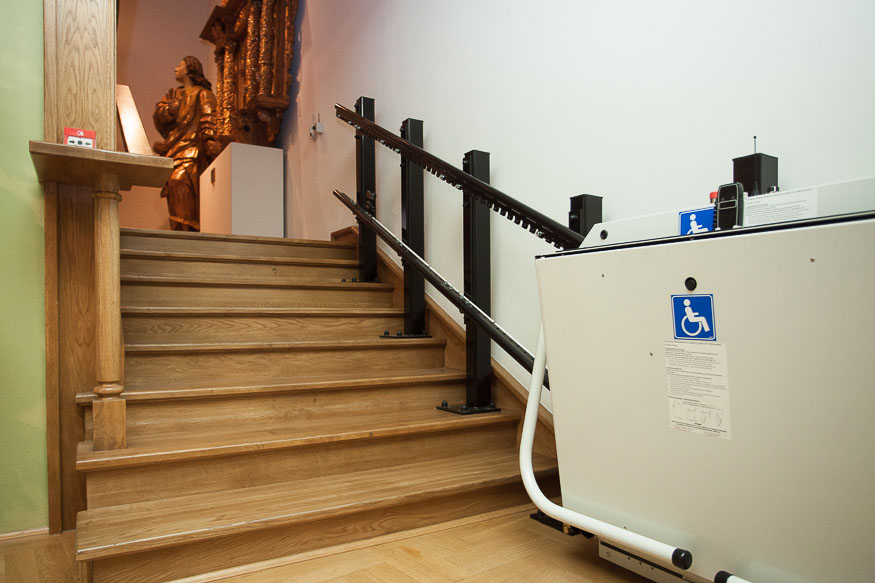
The branch is housed in a historic building that is accessible to people with mobility impairments (with the exception of the second floor, which is for staff only).
A small ramp, secured with bollards, leads to the main entrance. The entrance to the building is threshold-free. The museum has a lift, next to which there is a toilet for people with disabilities. The reception and museum shop counters, as well as the cloakroom lockers, are located on the ground floor by the entrance to the gallery, ensuring easy access for wheelchair users.
The passageways between the rooms are threshold-free. For safety, stickers have been placed on the glass doors to prevent people from bumping into the panes.
The museum offers a virtual tour of the exhibition. It is available in Polish and English, with audio description and in simplified language (ETR).
Concessionary tickets are available to people with disabilities and their carers who are citizens of the Member States of the European Union, the Swiss Confederation and the Member States of the European Free Trade Association (EFTA) – parties to the Agreement on the European Economic Area.
The document confirming eligibility for the discount is an ID card certifying disability or the degree of disability.
Under the nationwide Large Family Card and the Kraków Family Card 3+, free admission is granted to school pupils or students holding a certificate of moderate disability.
Holders of the Kraków Family Card with a Disabled Child are entitled to free admission.
609 430 129