








Szlak Stanisława Wyspiańskiego (PL)


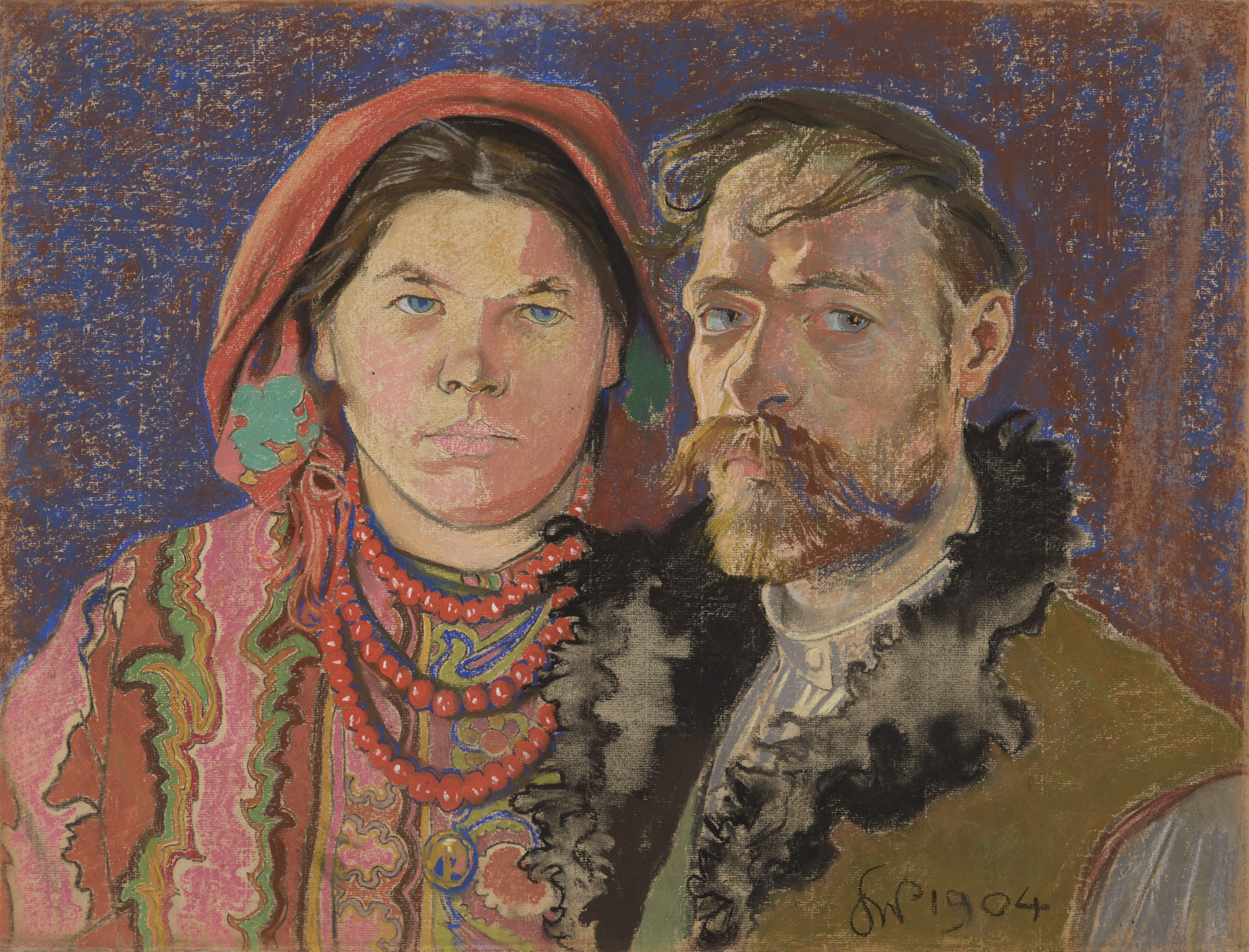
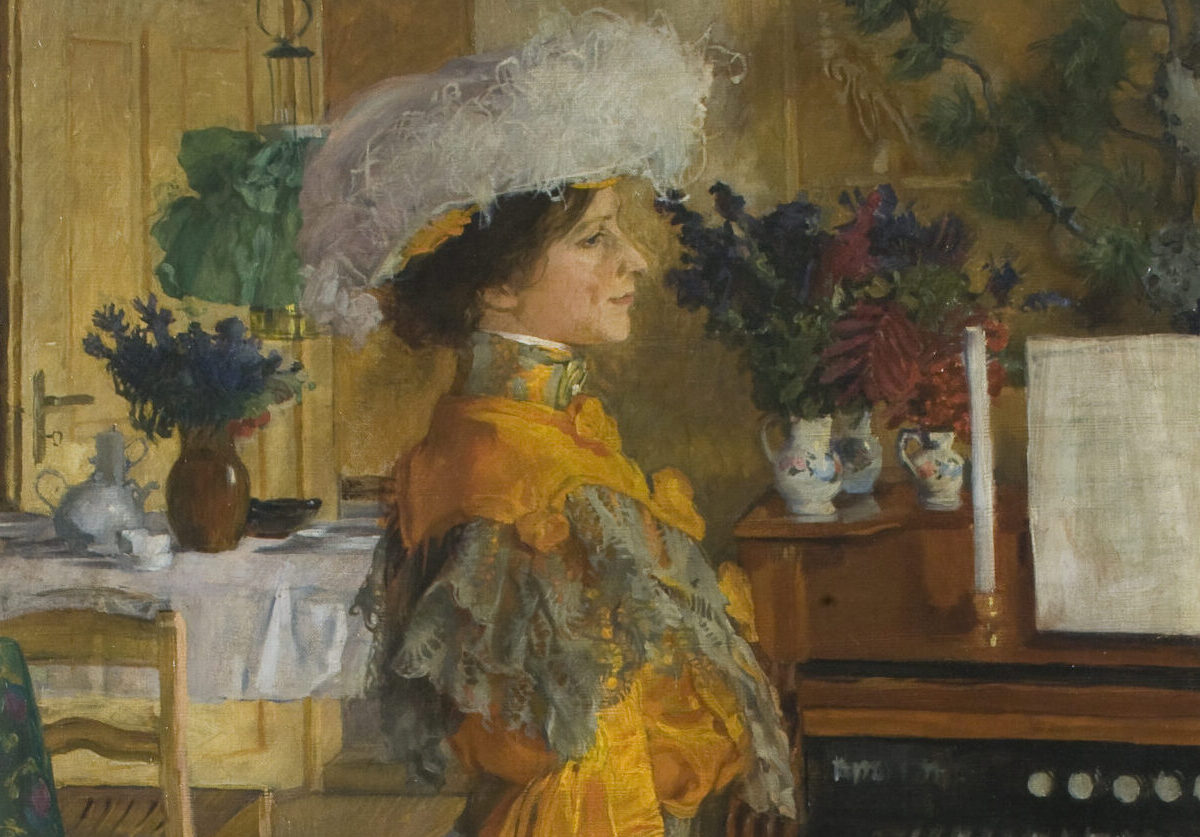
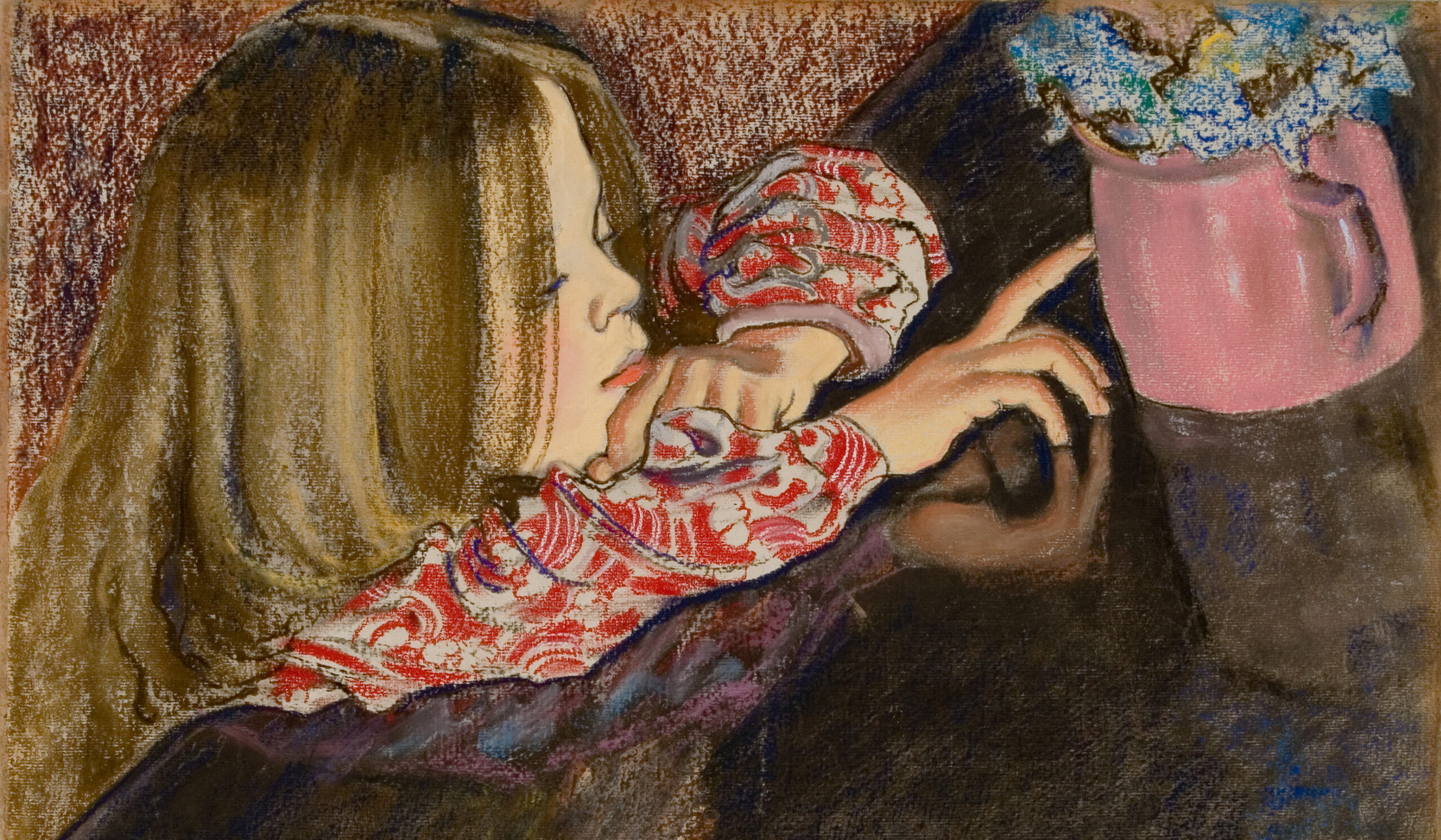
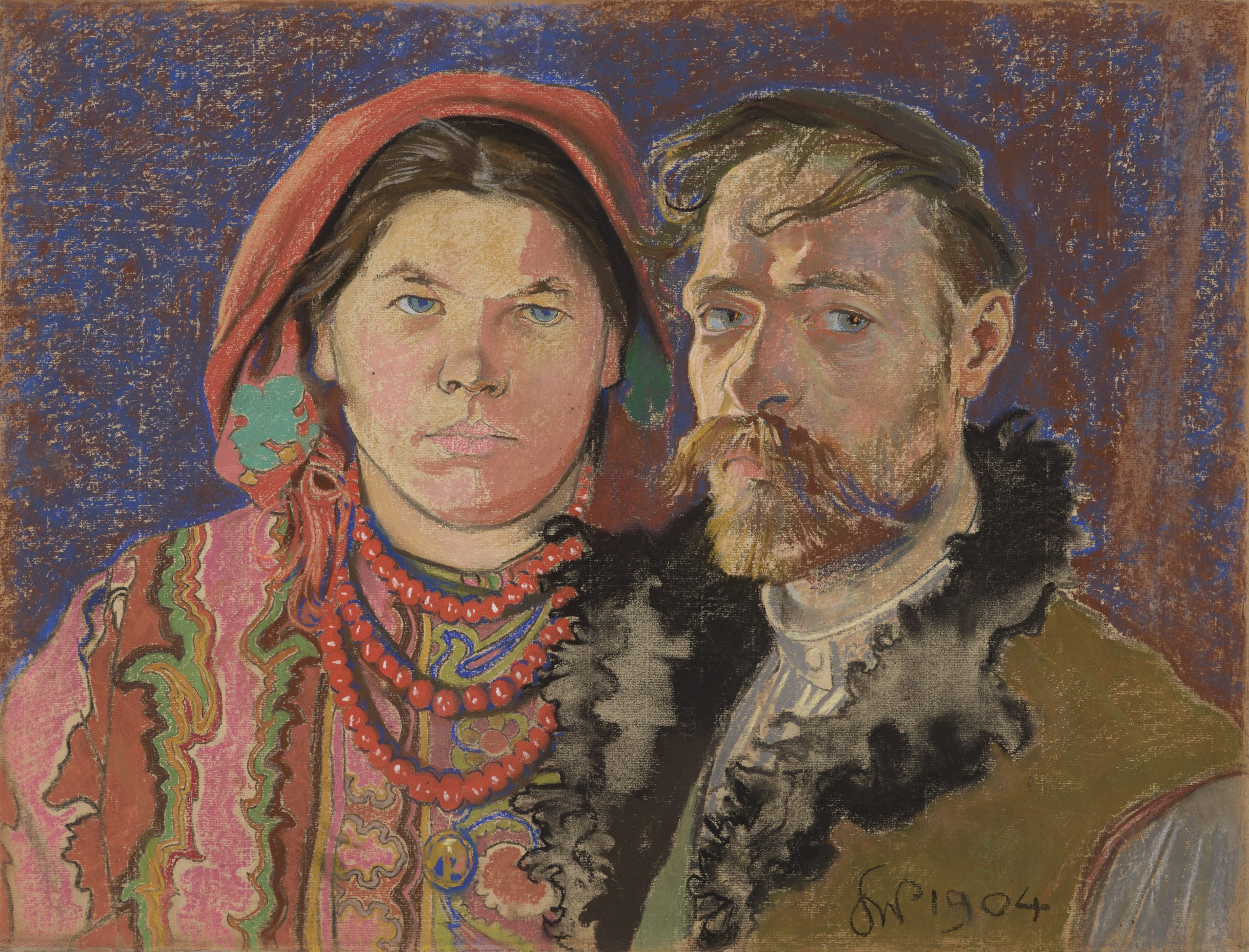
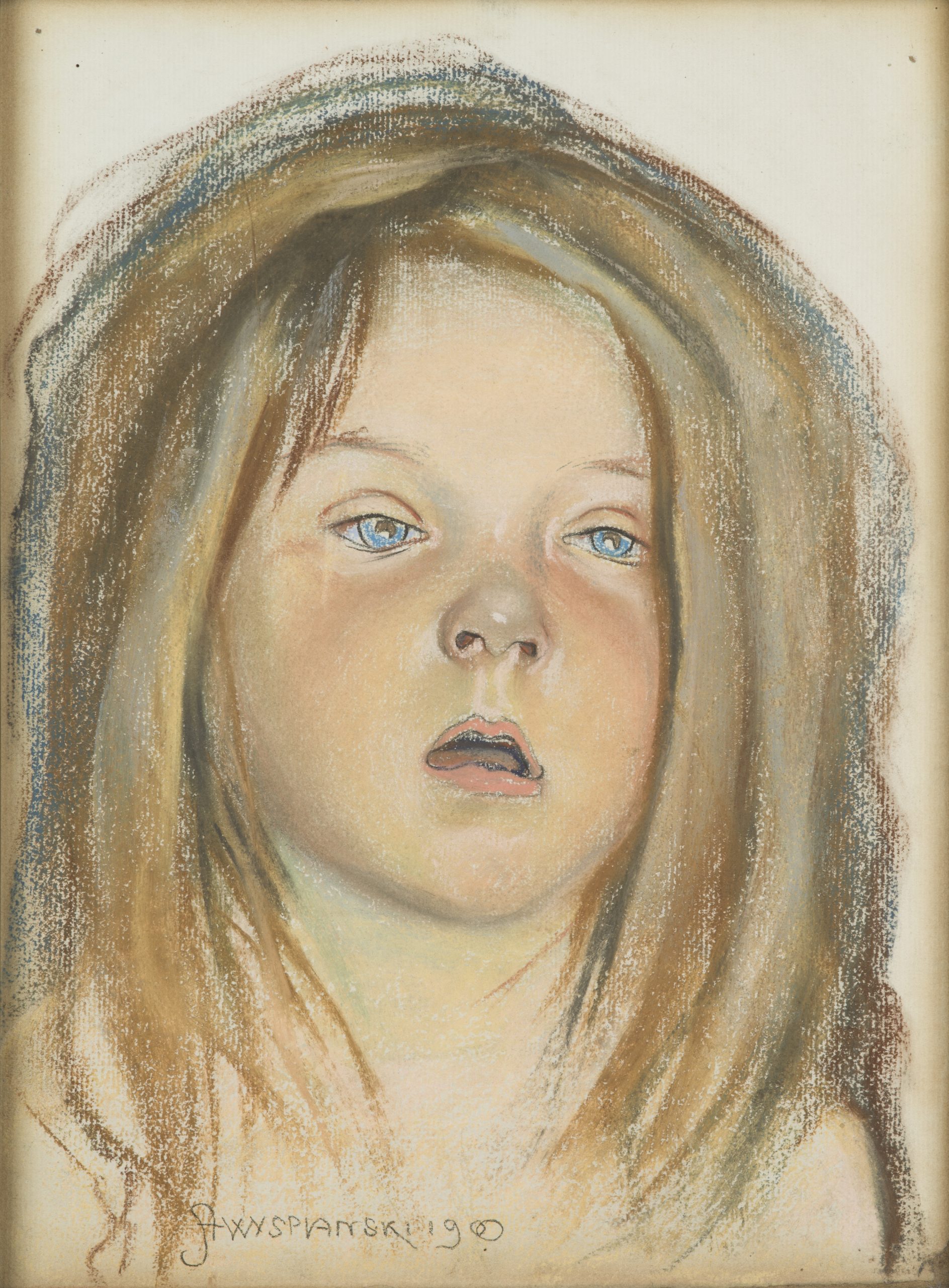
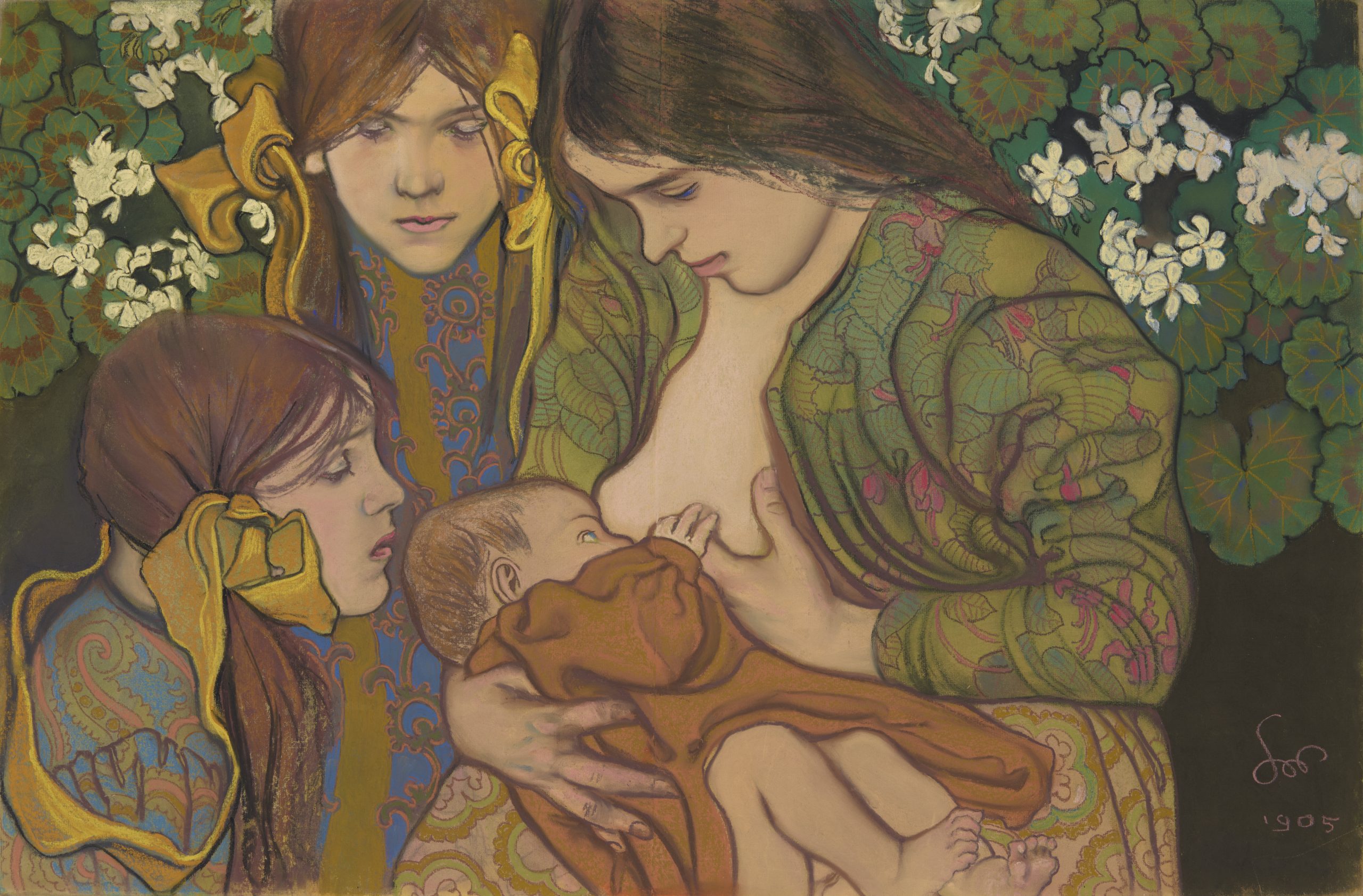
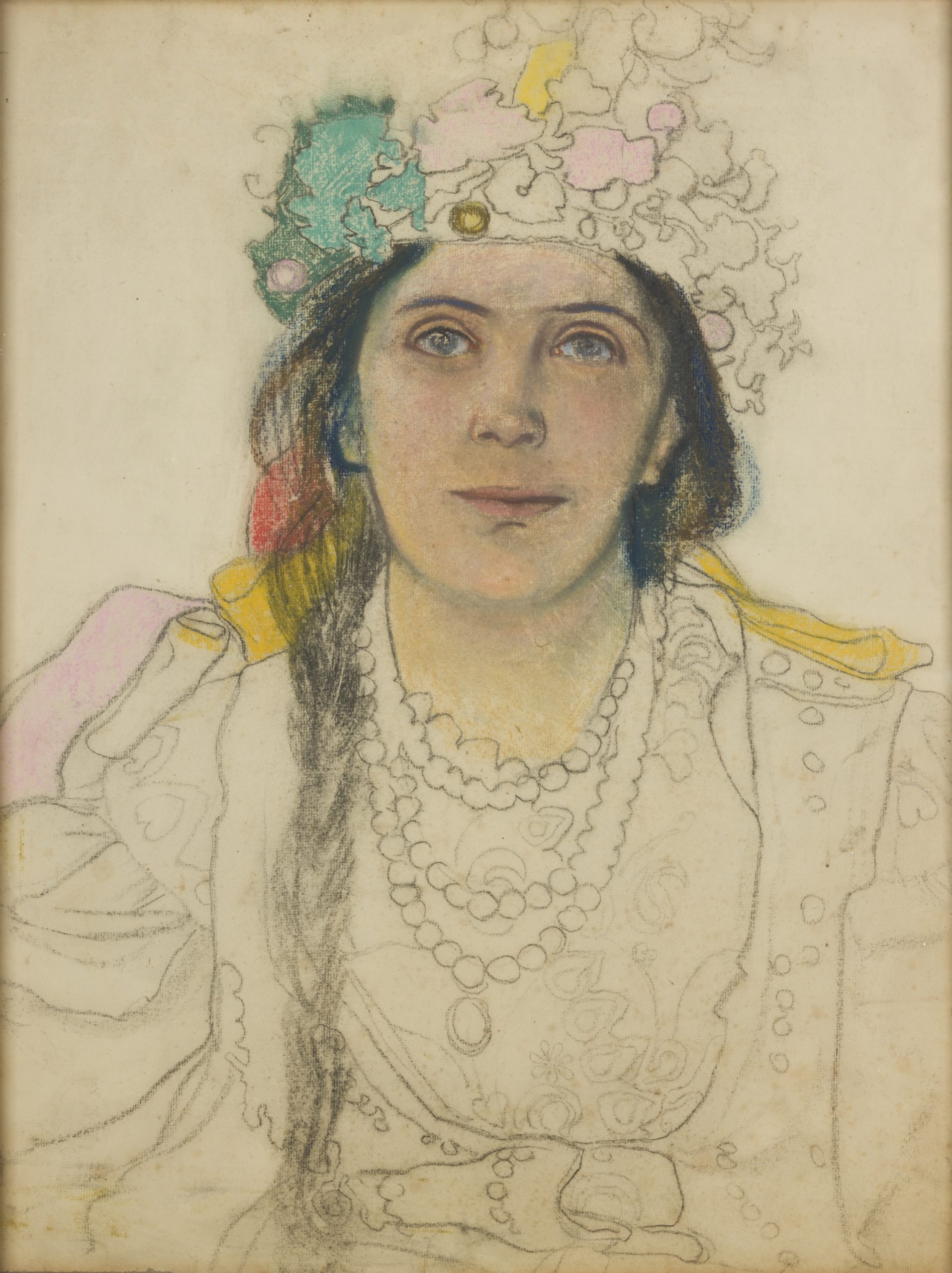
Throughout his life, Stanisław Wyspiański painted portraits and selfportraits – some were commissioned, others were for his own use. They are characterised by their depiction of the subjects in a personal, informal light, in moments of contemplation or sleep. The artist’s children were his favourite models.
Wyspiański’s significance for Polish culture is paramount. He is one of those artists whose life and relationships have been the subject of research across various disciplines for decades. His life and creative inspirations are reflected in letters, memoirs, but above all in the pastel portraits of his wife and children, which depict the family in an intimate light.
Stanisław Wyspiański was born in Kraków on Krupnicza Street, in a house belonging to the family of his mother, Maria née Rogowska. Following his mother’s death, during his childhood and youth, Wyspiański lived with his father, Franciszek, and with the family of his aunt, Joanna Stankiewicz.
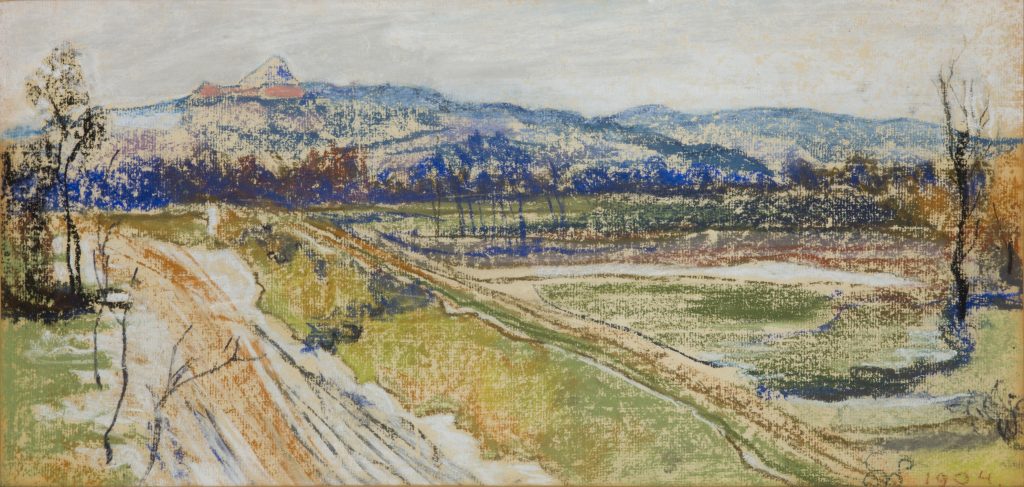
The artist’s family life is linked to Kraków and the nearby villages of Świątniki, Węgrzce and Bronowice. Characteristic views and plants typical of the region, such as wildflowers, inspired Wyspiański in his work, appearing in his polychromes, stained-glass windows and drawings.
Stanisław Wyspiański was married to Teodora Teofila Pytko and was the father of their children. The Wyspiańskis’ family life was the subject of gossip and controversy in conservative Kraków.
The artist married a maid from a village near Kraków, a young woman with an illegitimate son, Teodor, whom he adopted. Before the wedding, the couple had two children: Helena and Mieczysław, and after the wedding, their youngest, Stanisław. Wyspiański’s choice was linked to the trend of ‘peasant mania’, to which several other artists of the Young Poland era succumbed. One of them was Lucjan Rydel, whose wedding inspired Wyspiański to write the most famous play of the era: Wesele.
The birthplace of Stanisław Wyspiański, who was born here on 15 January 1869. The house, which was then a single-storey building with a small first floor in the middle, belonged to the family of the artist’s mother, Maria née Rogowska, who married Franciszek Wyspiański, a young sculptor who rented a studio there. In 1873, the property was sold to Joanna Szujska, wife of Józef Szujski, a historian and professor at the Jagiellonian University, and Franciszek Wyspiański with family moved to Kanonicza Street. The Szujskis commissioned the renovation of the house, which gave it its present form. However, the property was neglected by subsequent owners.
In 1932, house was purchased for himself and his family by Józef Mehoffer, a school friend of Wyspiański’s, by then an established artist and rector of the Academy of Fine Arts. In the renovated interiors, the Mehoffers ran an artists’ salon. In 1986, the house was handed over to the National Museum in Kraków. Today, Mehoffer’s house, surrounded by a reconstructed garden, houses a biographical museum dedicated to the artist, which forms a branch of the National Museum in Kraków.
The National Museum in Kraków houses the world’s largest and most valuable collection of works by this brilliant artist, known as the Fourth Bard. The collection comprises Wyspiański’s paintings, sketches, designs and works of applied art created according to his own designs. This magnificent collection, comprising over 1,100 items, is complemented by personal mementos, the artist’s private library and archival materials – manuscripts and photographs.
The exhibition dedicated to the life and work of Stanisław Wyspiański is only partly a permanent exhibition – for conservation reasons, the artist’s delicate works, primarily those created using the pastel technique, are presented in cycles lasting several months and are rotated. Each of these changes offers an opportunity to view this body of work anew.
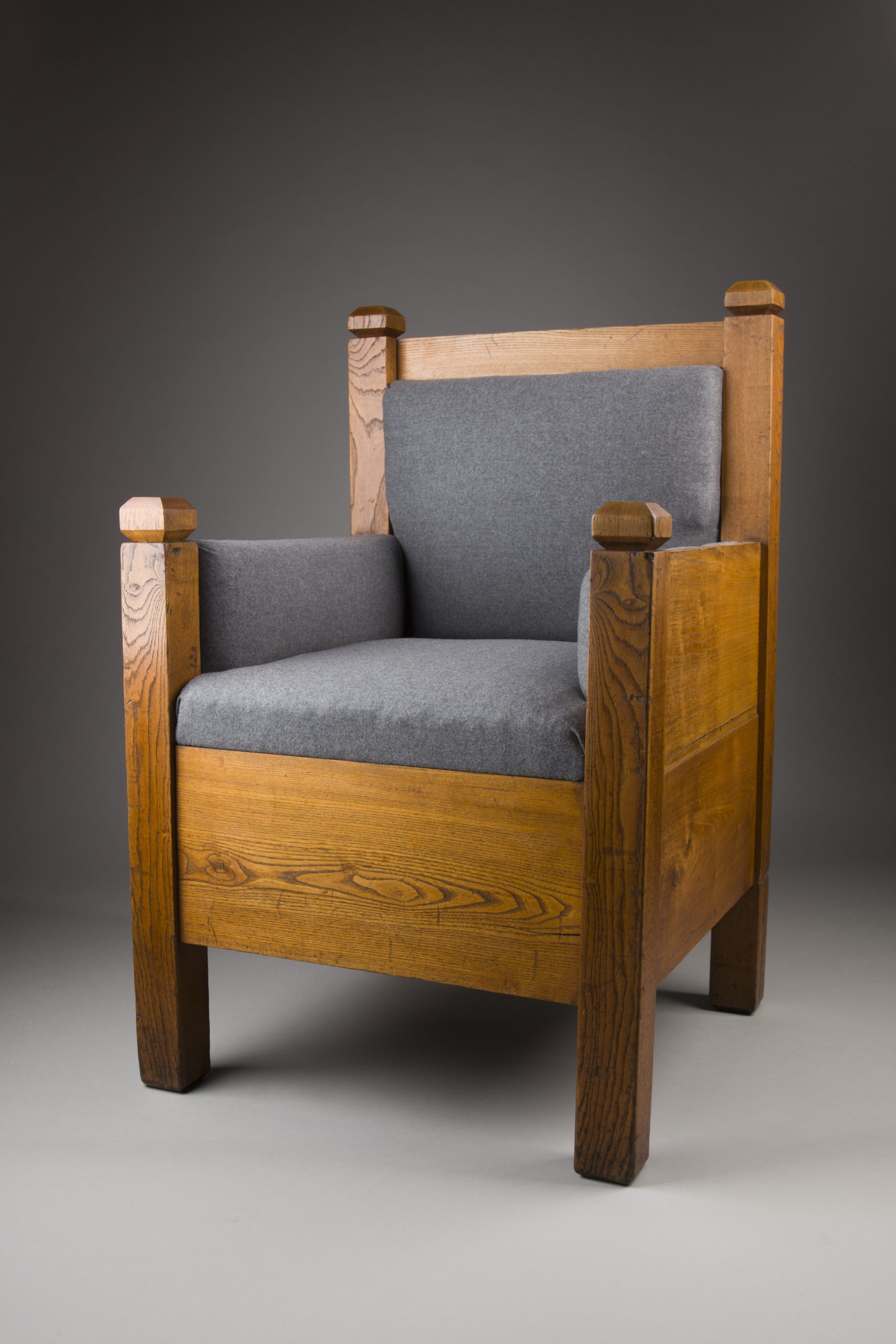
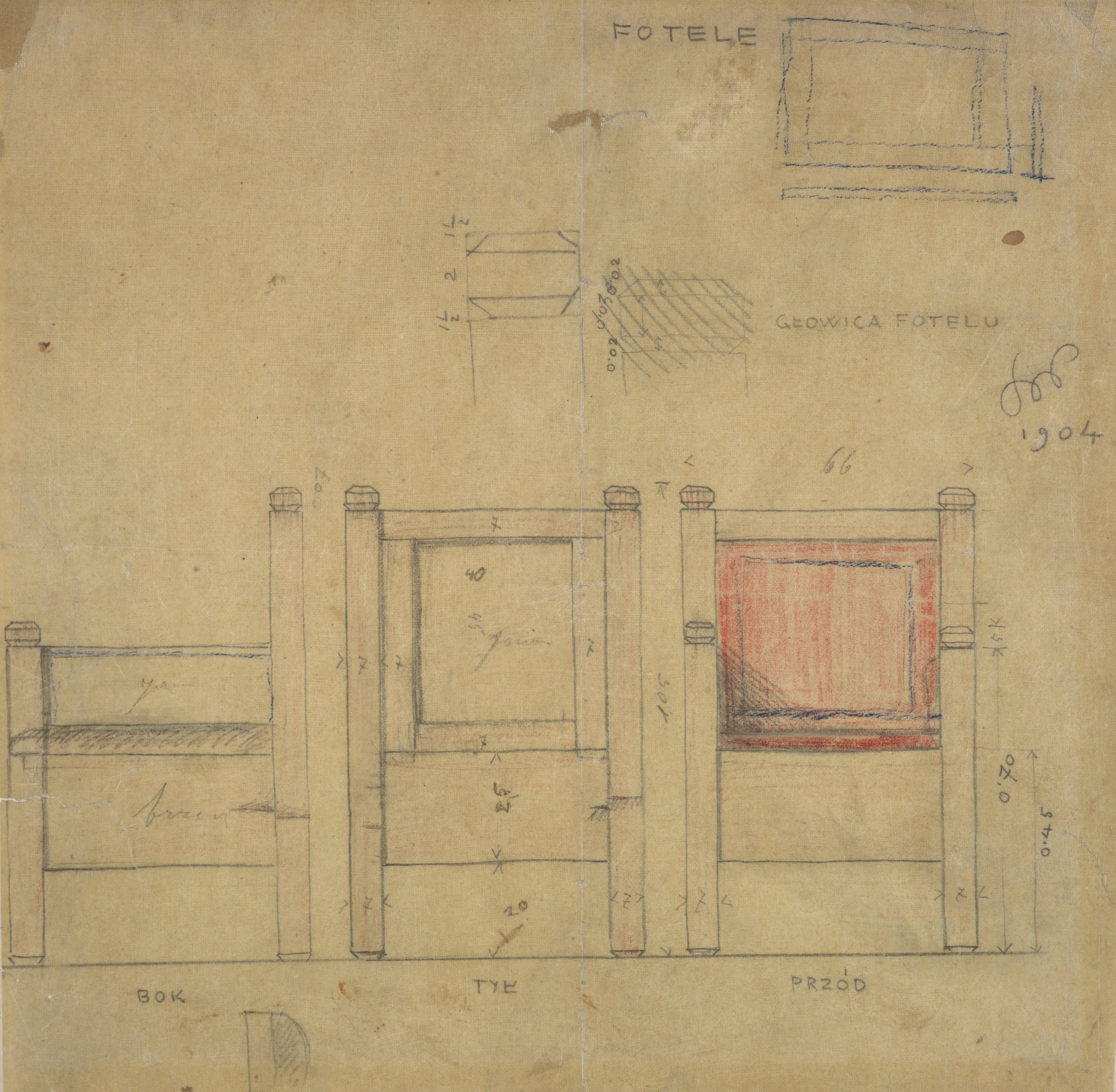
Stanisław Wyspiański designed the interior of the flat belonging to Tadeusz Boy-Żeleński, a doctor, future writer, critic and translator, who rented it with his wife Zofia. The artist began work whilst the Żeleńskis were away on their honeymoon in Paris. Wyspiański’s designs differed significantly from the prevailing trends in interior design at the time: the interior was austere, the wall colours were intense, and the light, simple furniture drew on folk design motifs.
The interior décor formed a cohesive whole, from the colours of the walls, the upholstery and fabrics with floral motifs, to the arrangement of the furniture, which, however, could not be moved and which, although original and beautiful, did not take the users’ needs into account – they were mercilessly uncomfortable, as Tadeusz Boy-Żeleński recalled.
Currently, some of the furniture designed by the artist for the Żeleński family
is held in the collections of the National Museum in Kraków and is on display in the exhibition Objects at the MNK Szołayski.
The Municipal Theatre, now named after Juliusz Słowacki, opened in 1893, was the setting where Wyspiański’s theatrical work came to fruition. A large proportion of the artist’s works were staged here, and his achievements in the field of theatrical adaptations came to be regarded as a reform of Polish stage design. Wyspiański’s first artistic work associated with the Municipal Theatre was a design for a curtain, created for a competition in 1892. The artist did not win the competition – the curtain was designed by Henryk Siemiradzki.
On 16 March 1901, the premiere of Wesele took place on the scene of the Municipal Theatre, which caused much controversy in Kraków. In the same year, Wyspiański created an unprecedented staging of Adam Mickiewicz’s Dziady, combining all its parts into a single whole and influencing stage interpretations of this drama for many years to come. Two years later, he staged his own play Bolesław Śmiały, for which he also designed the sets, costumes and props.
Want more? Why not take a look at the Wyspiański’s Kraków map? We published this trail map during the ‘MNK Wyspiański’ exhibition in 2017. It features places where you can still see the artist’s completed projects today, locations significant to his personal life, and those where his memory is kept alive today.
Buy tickets online and visit our branches, where you’ll find all the most interesting exhibits
Discover our suggestions for exploring the museum’s branches. See the most important works in a single day, discover the lives of the greatest artists, or discover unusual works from bygone eras.
Ścieżka zwiedzania prowadzi przez trzy oddziały Muzeum Narodowego w Krakowie – Pałacu Książąt Czartoryskich, Arsenału oraz Domu Jana Matejki – ukazując, w jaki sposób sztuka przez stulecia budowała obraz państwa i pamięci narodowej.

He was a painter, graphic artist and designer; he explored new avenues in literature and experimented in theatre. You’ll find traces of Stanisław Wyspiański all over Kraków, as the artist had a direct influence on the way we see the city.