
All tours
Painting

Jan Matejko

Description of the tour

In the footsteps of Jan Matejko – discover the famous and lesser-known works of this great painter. This tour takes you from monumental historical scenes, through highly symbolic paintings and portraits, to sketches that reveal the master’s technique. Discover Jan Matejko, a versatile and sensitive artist.

This suggested itinerary allows visitors to see Jan Matejko as a versatile artist – from a master of grand narratives to a creator of quiet, personal studies – and offers the chance to discover both his widely recognised works and those that usually remain in the shadow of his most famous paintings.
The tour route takes visitors through three departments of the Jan Matejko Museum in Kraków, showcasing the fascinating and diverse world of Matejko’s art, comprising not only monumental and well-known historical works, but also those less frequently highlighted in public. The tour will allow you to discover Jan Matejko as a chronicler of Polish history – a commentator on past events, the creator of compositions rich in symbolism, as well as a master of character study and a perceptive portraitist.


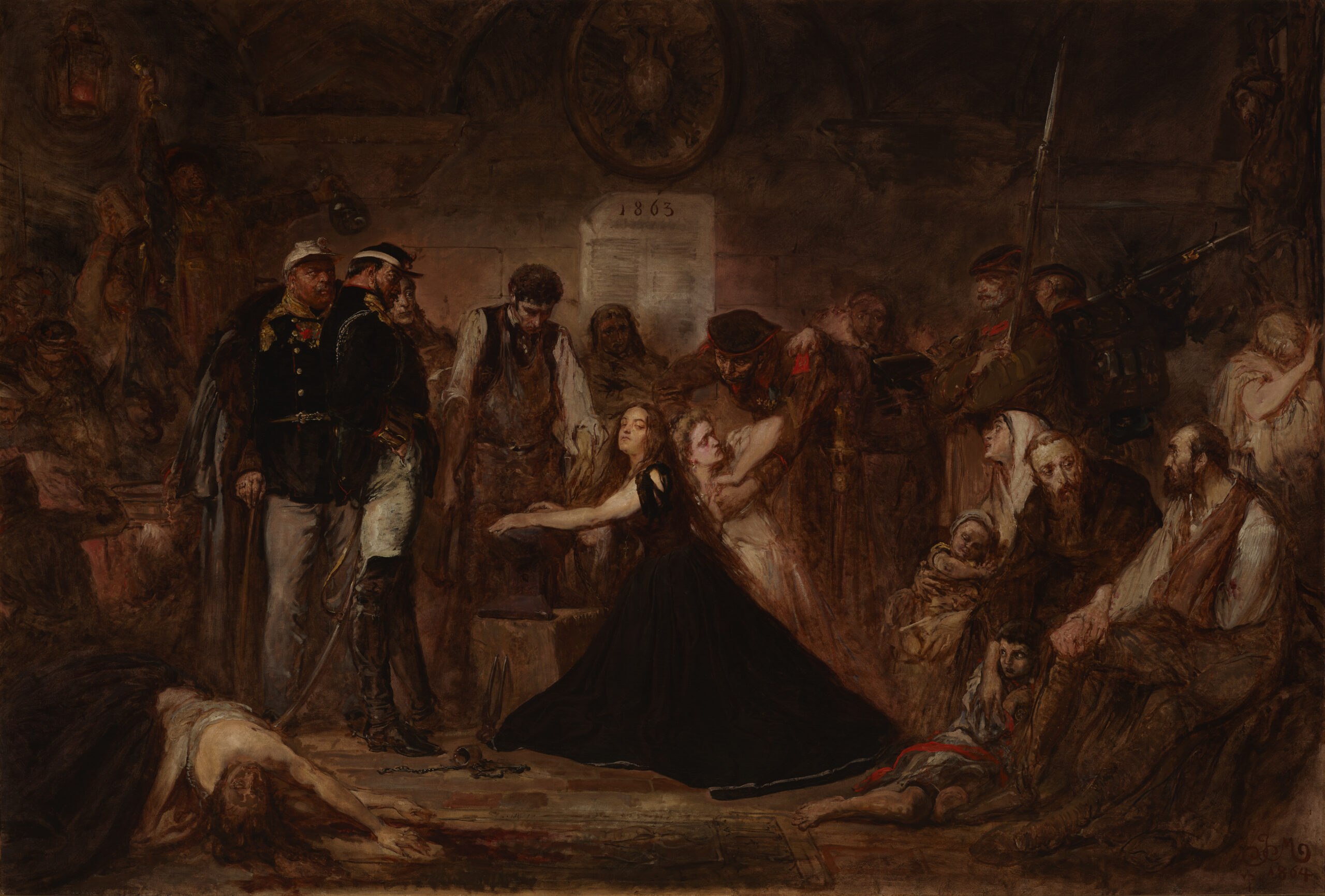
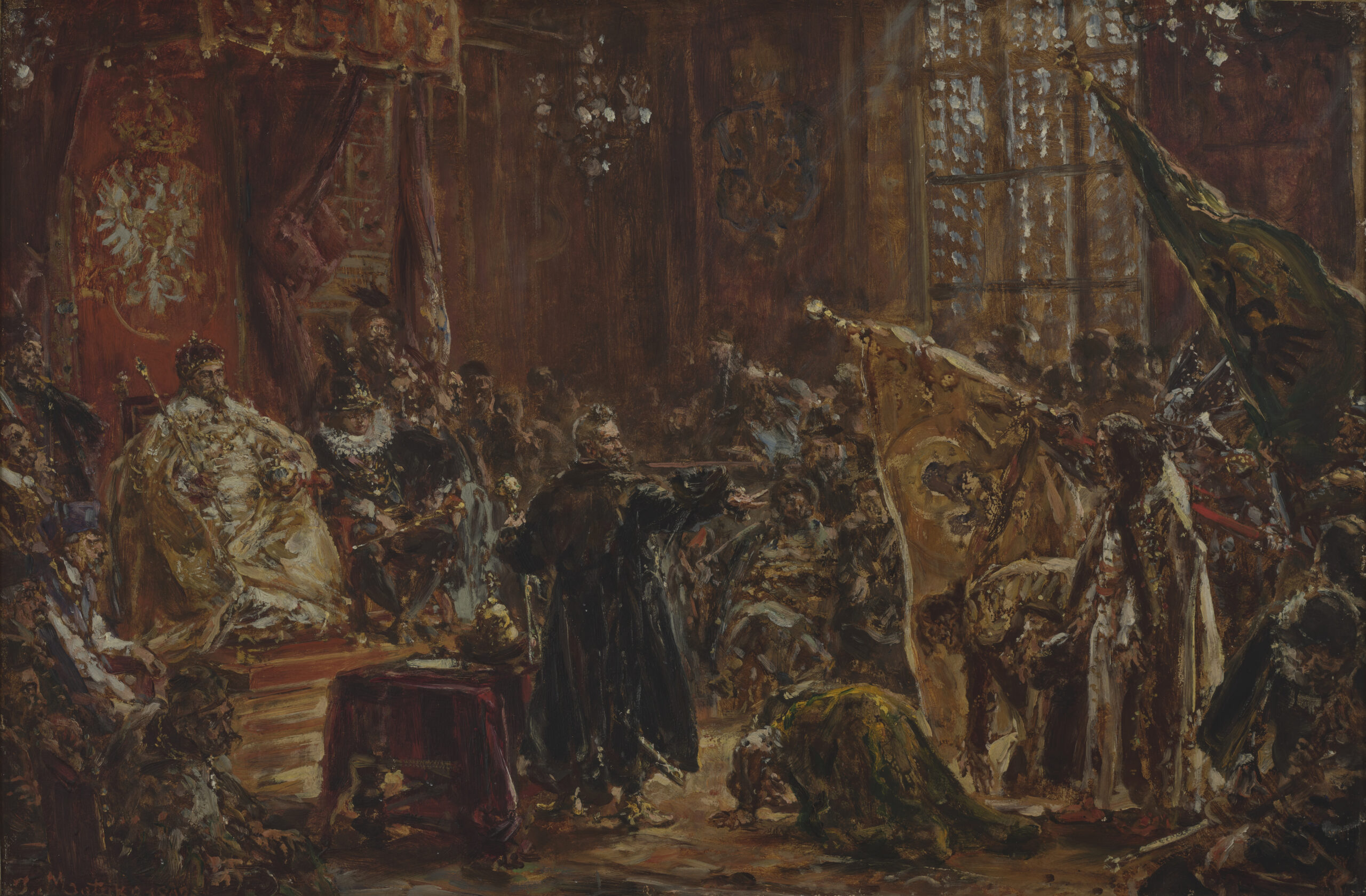
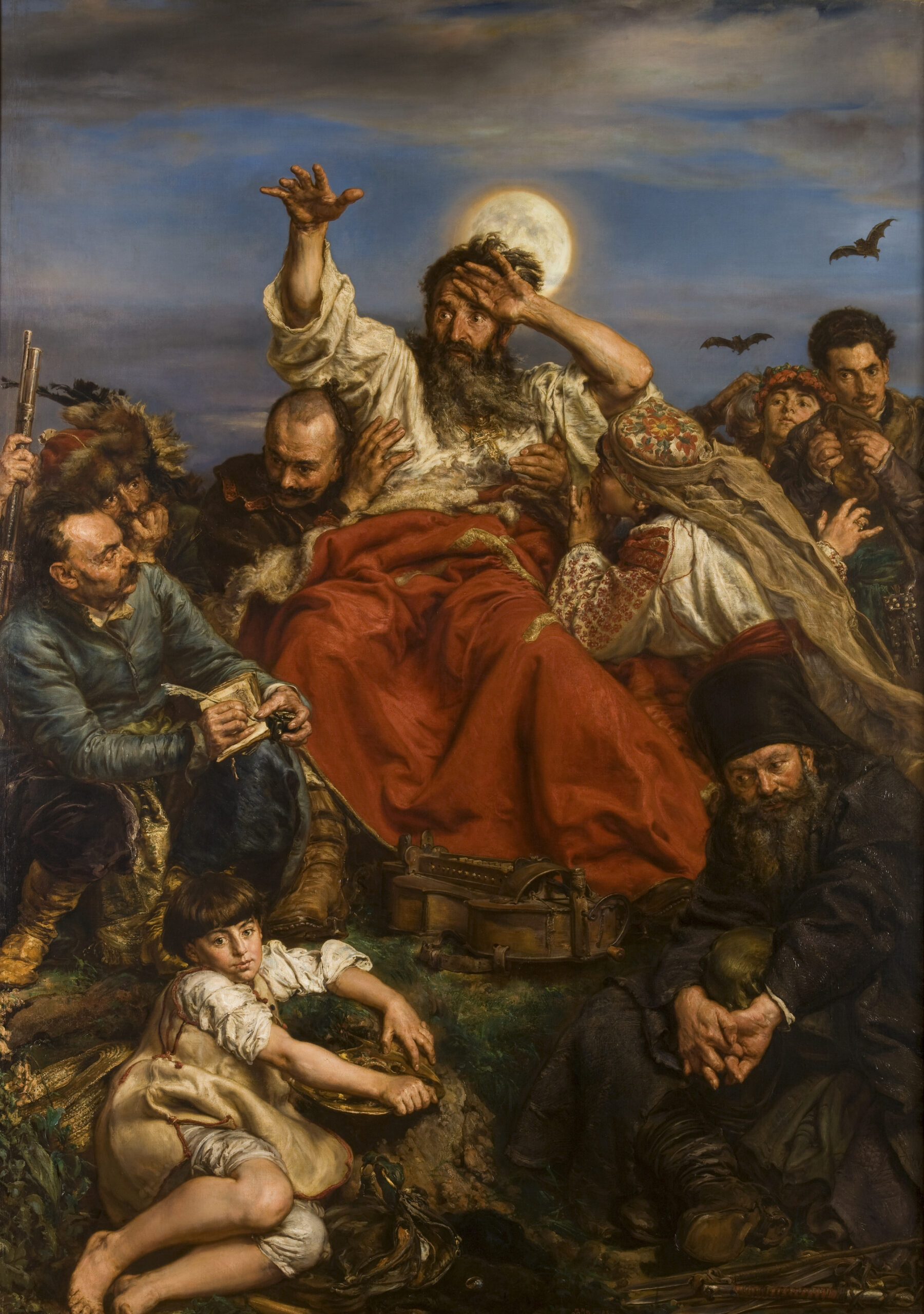
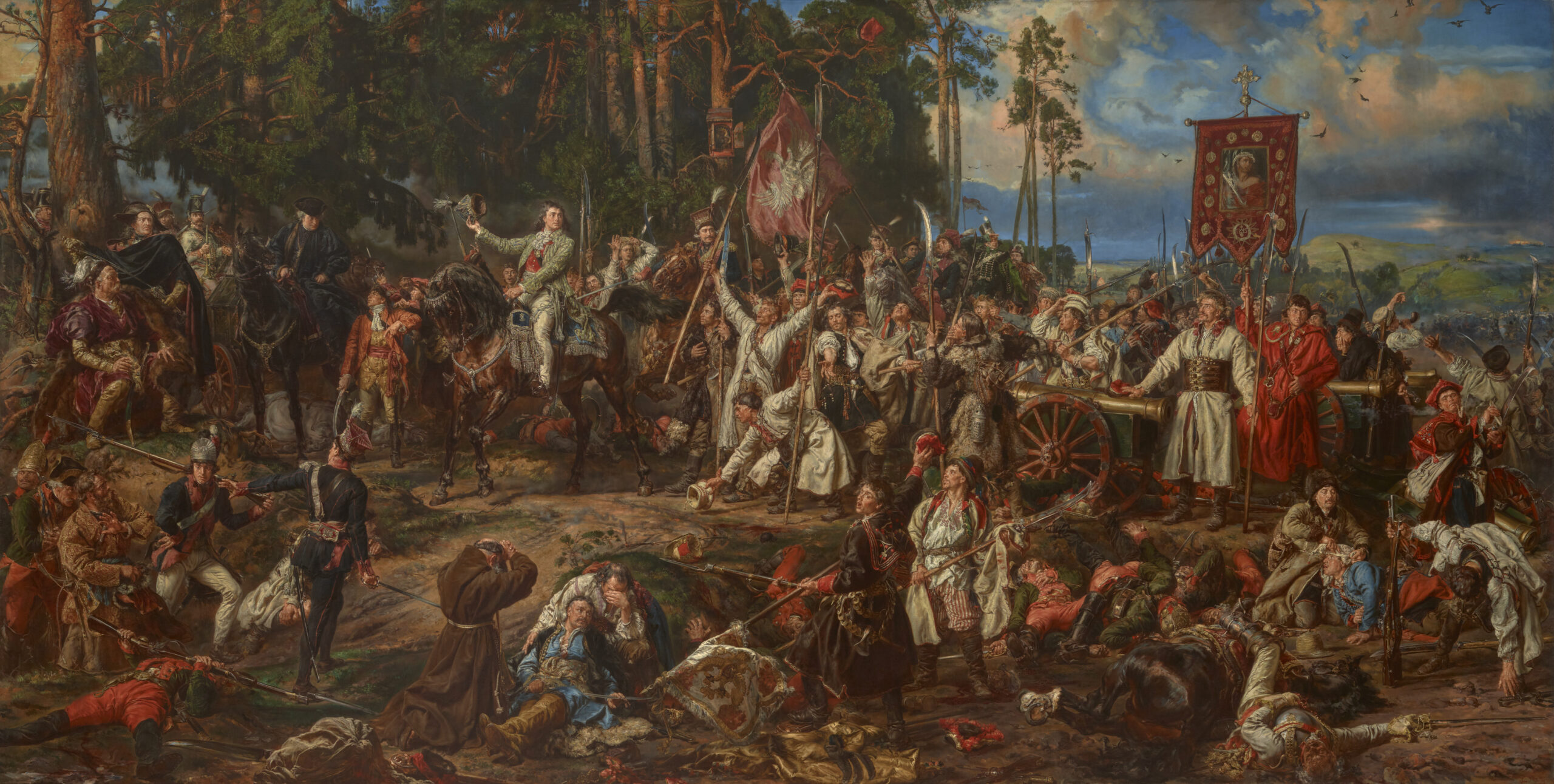
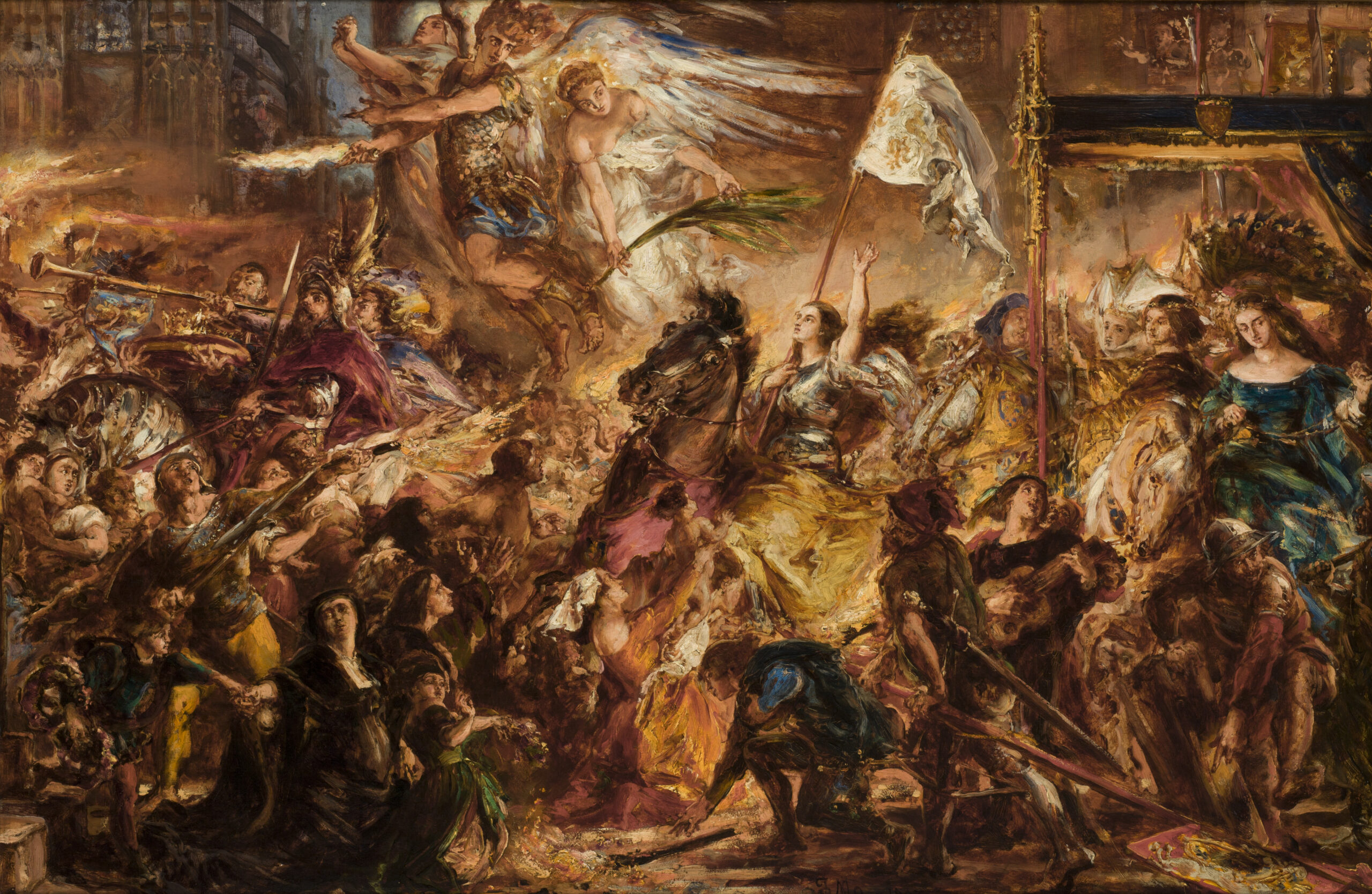
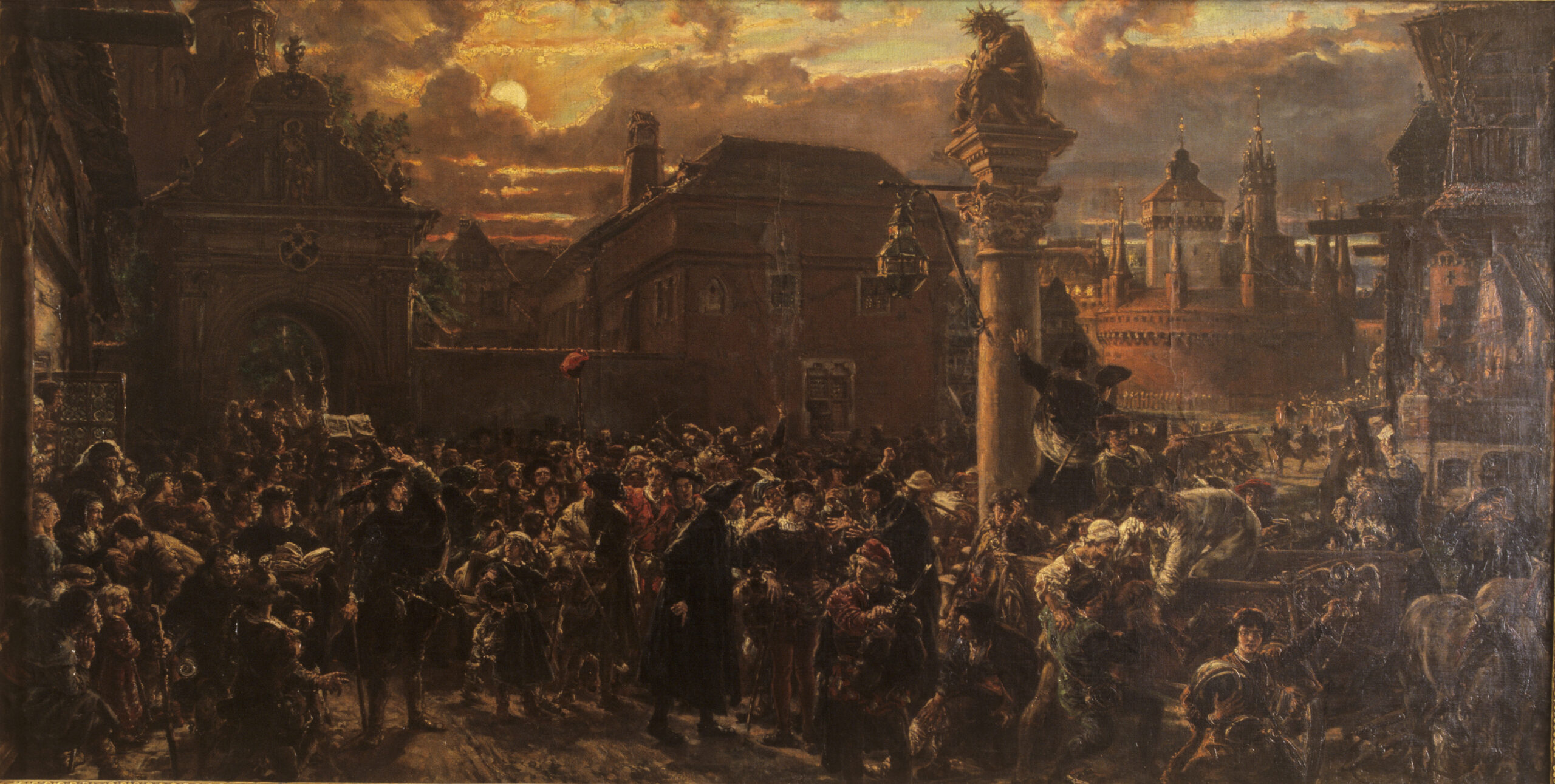
The MNK Sukiennice, the oldest building housing the National Museum in Kraków, displays Jan Matejko’s large-scale historical paintings, such as The Prussian Homage, Wernyhora and Kościuszko at Racławice – each of which represents a distinct chapter in Poland’s pictorial chronicle. It is also worth pausing to look at a slightly smaller sketch for the painting Joan of Arc (The Maid of Orléans), which reveals to the viewer Matejko’s technique during a phase of creative exploration and his initial compositional solutions.

Galeria w Sukiennicach

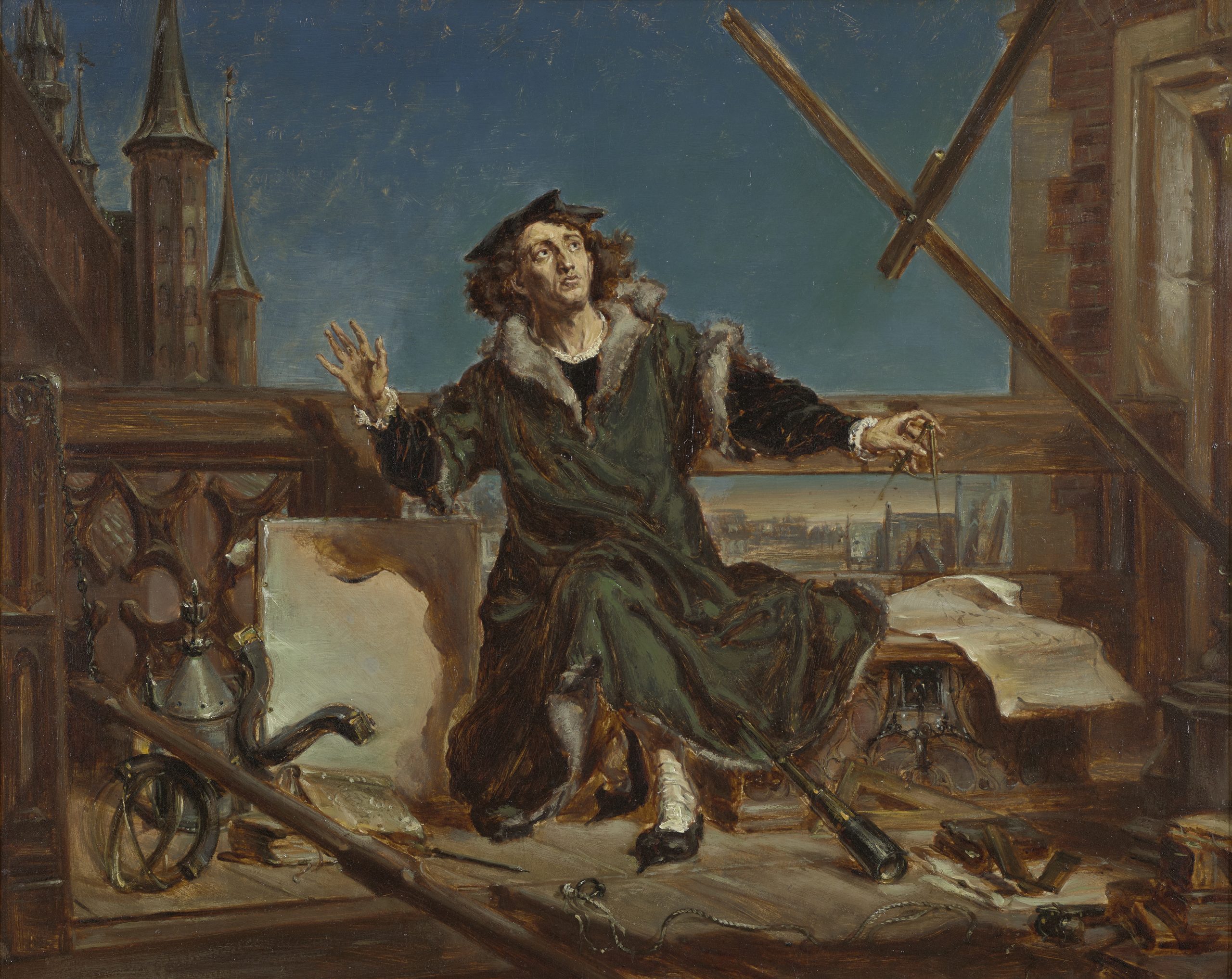
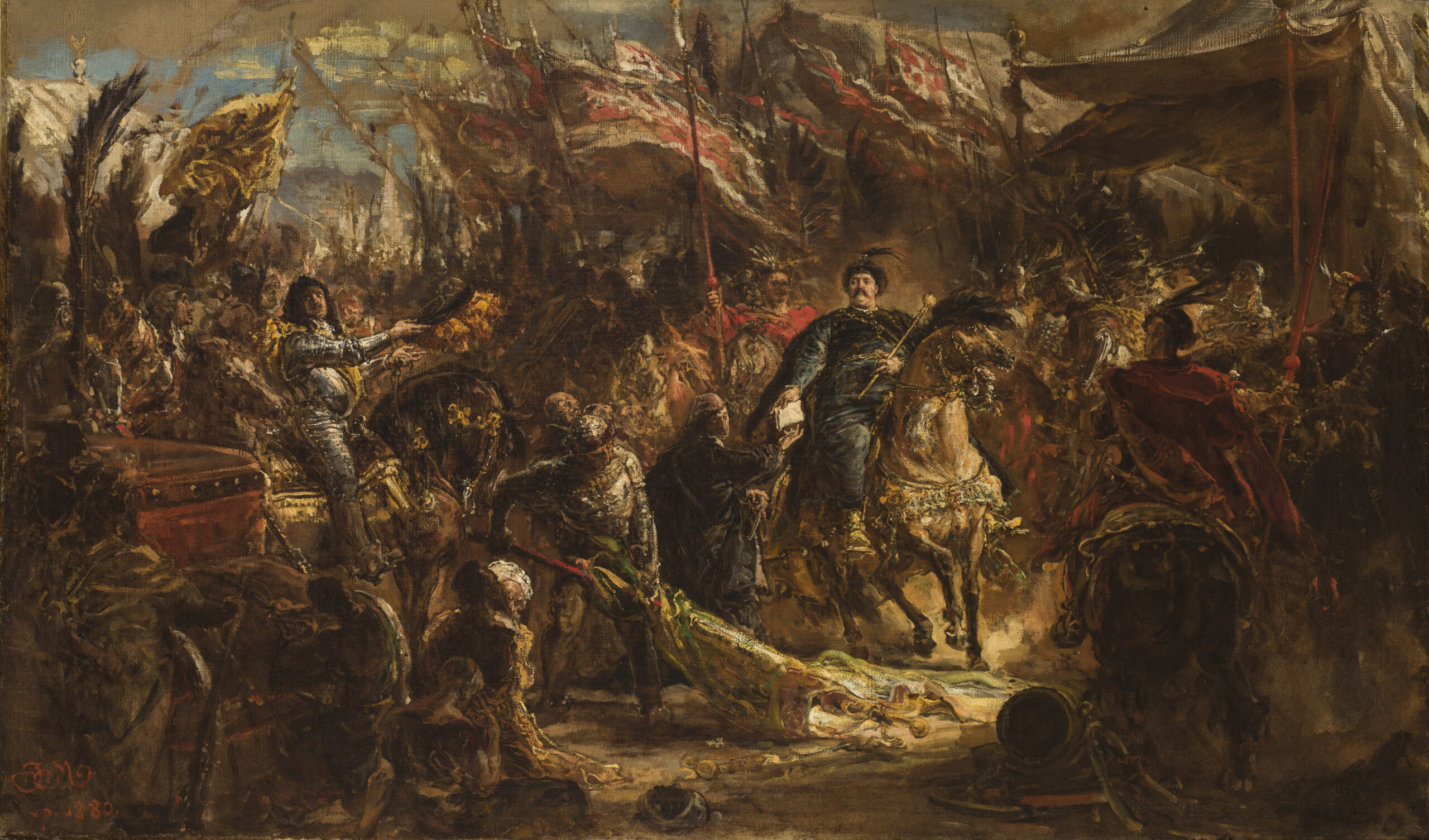
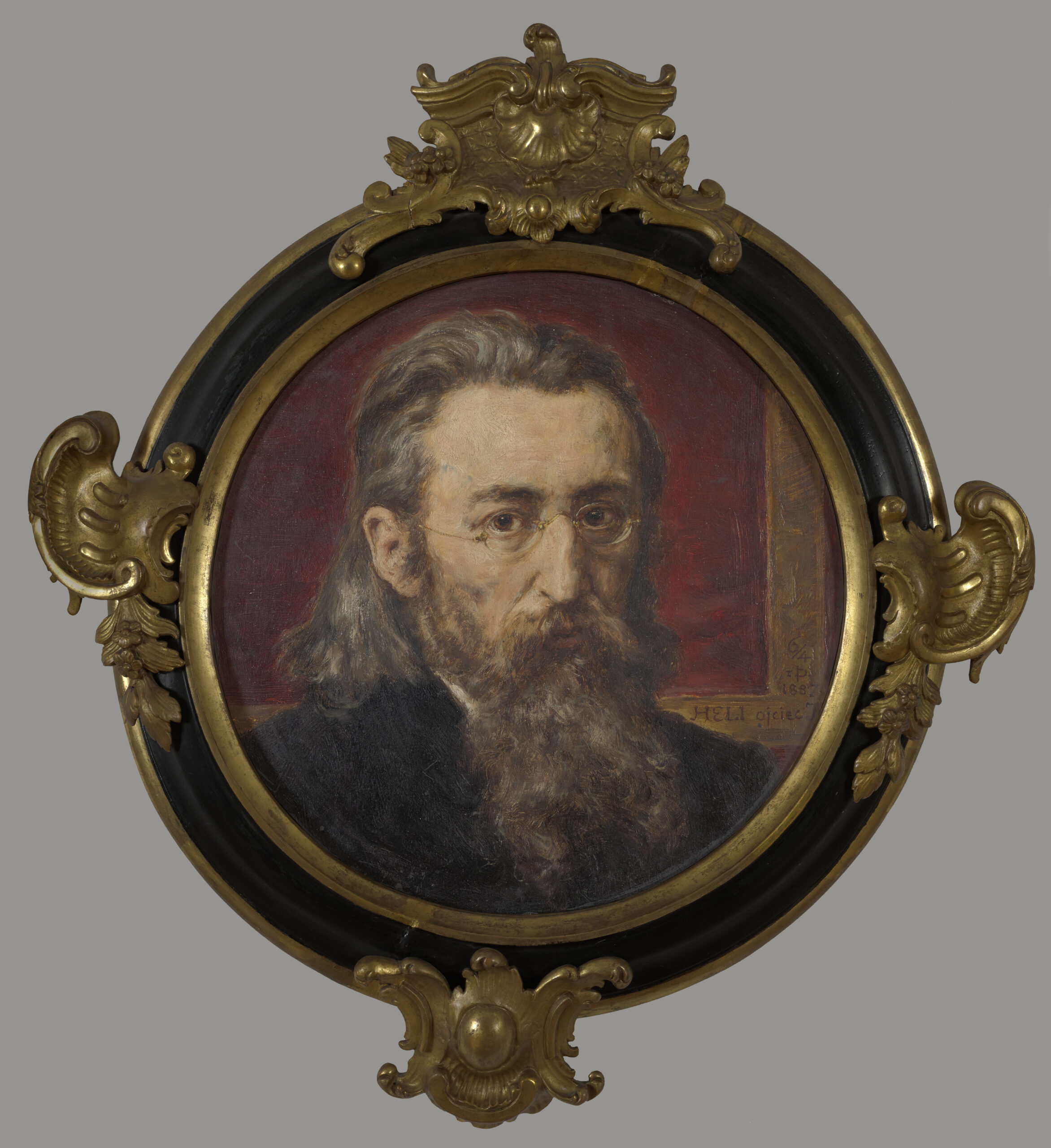
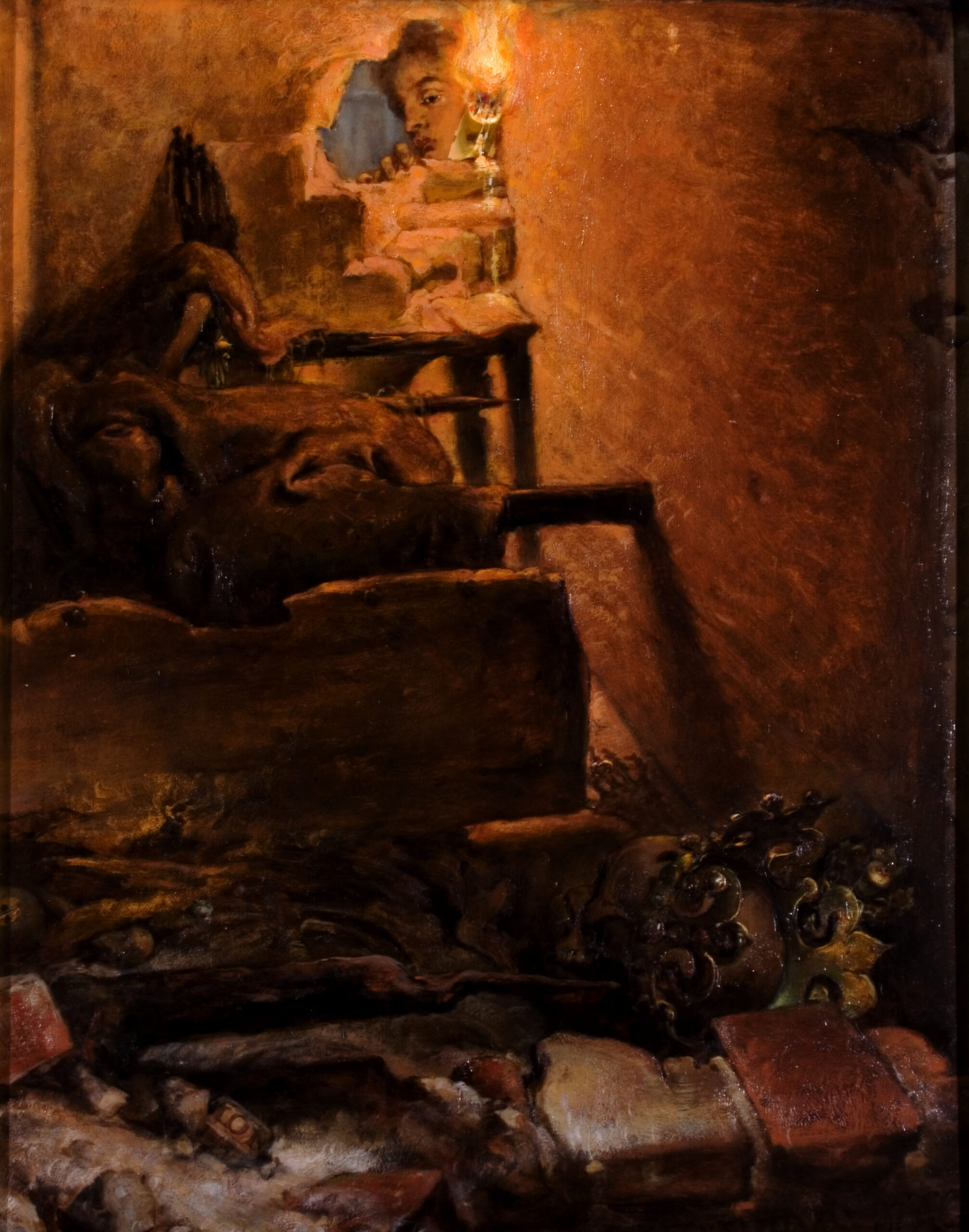
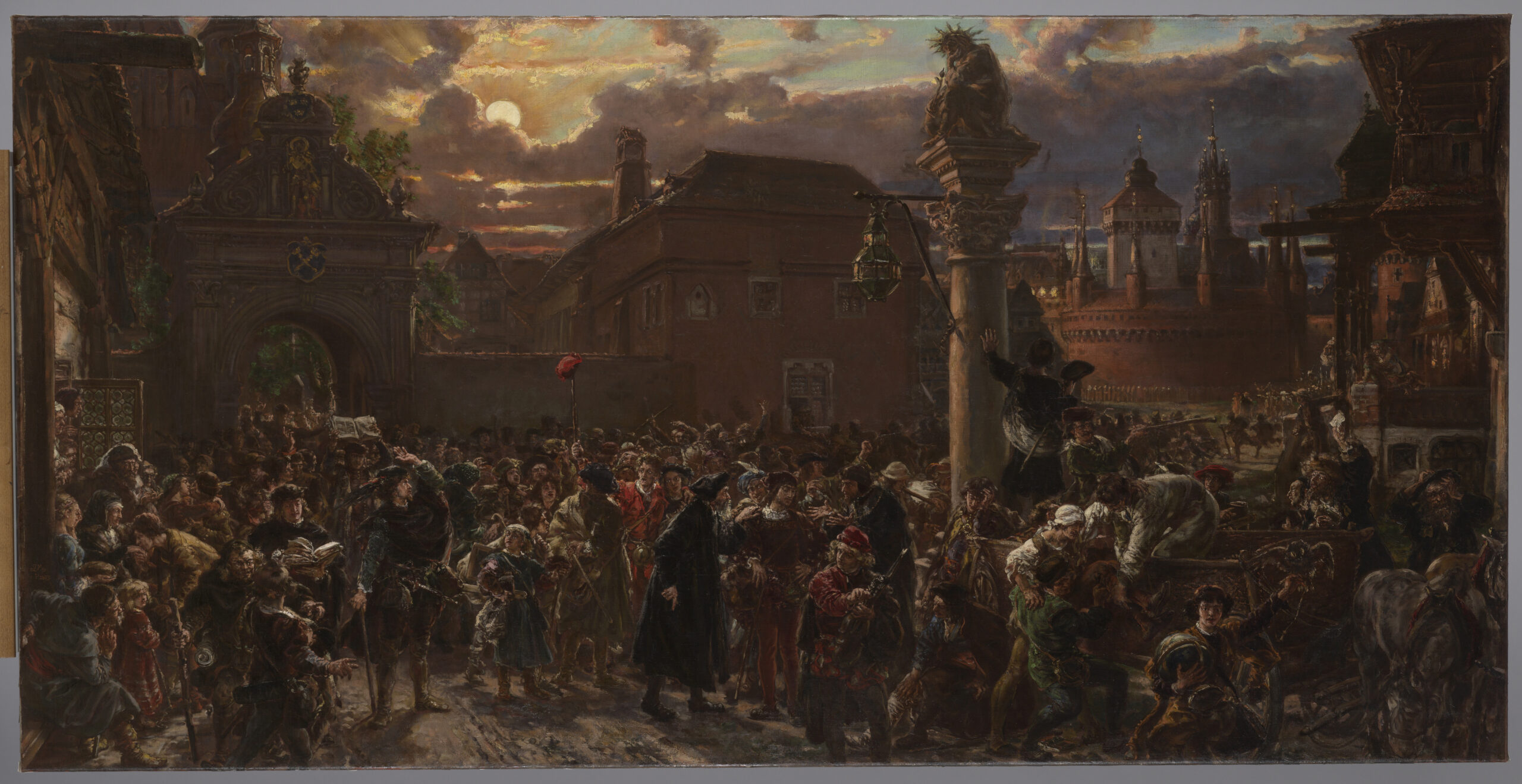
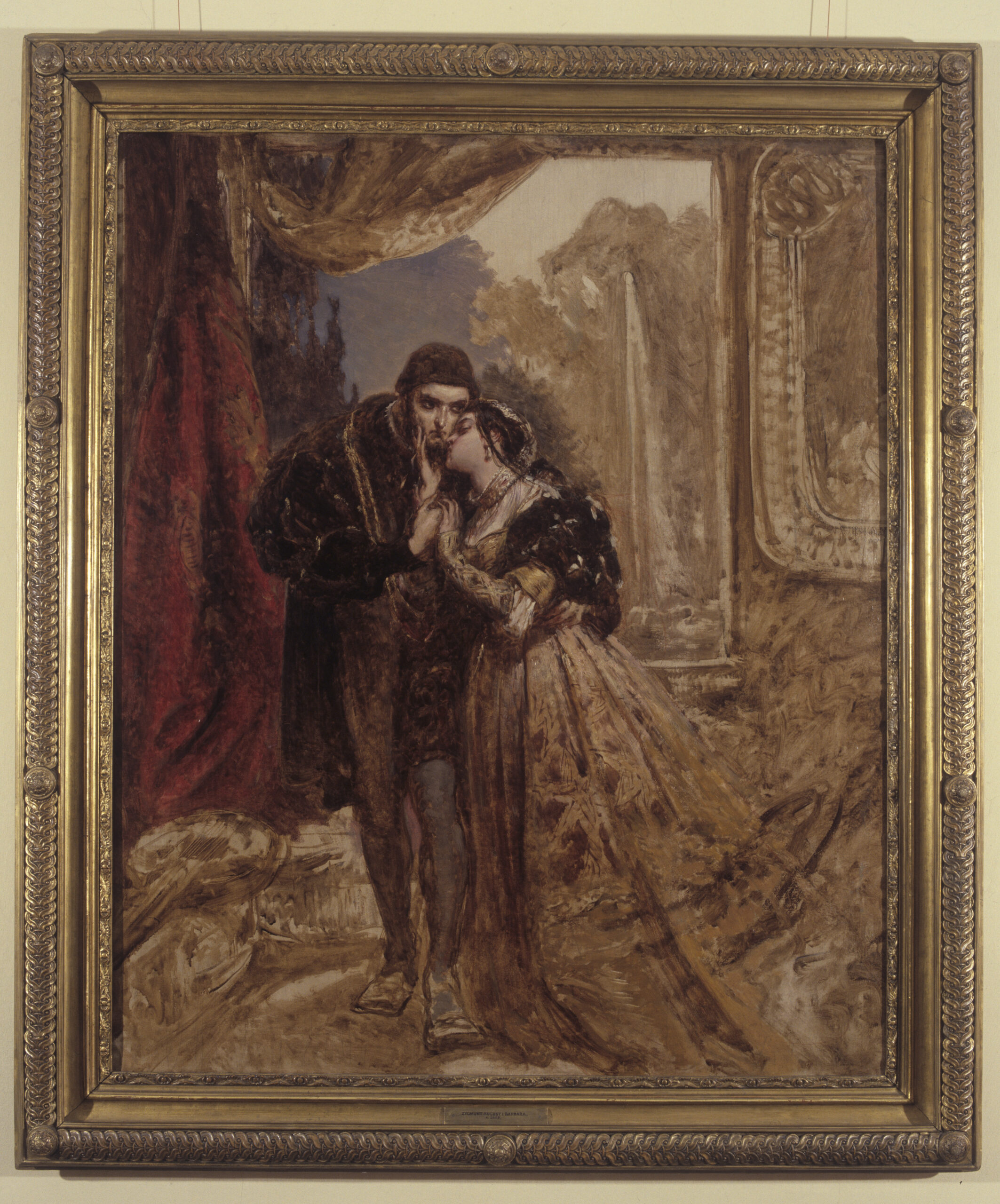
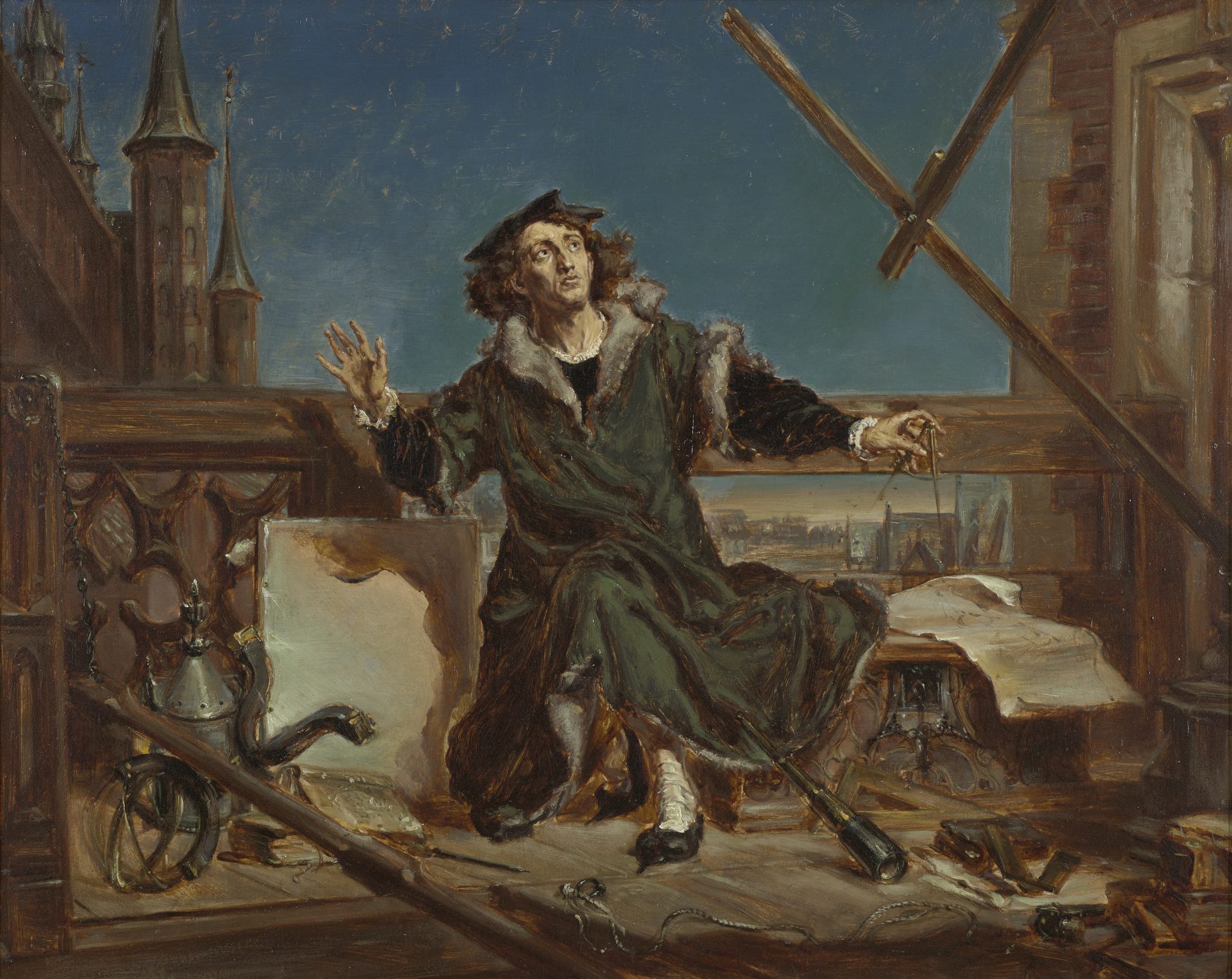
This exhibition, dedicated to the life and work of Jan Matejko, is Kraków’s first biographical museum, housed in his family home. The Self-Portrait on display here offers a glimpse into the artist’s private world. The studies and sketches on display offer a glimpse into history and allow you to feel like the young man in the painting The Interior of Casimir the Great’s Tomb, who peeks with curiosity into the royal tomb. Sobieski himself will remind us of past triumphs in the painting Jan III Sobieski presents Canon Denhoff with a letter to the Pope…, whilst Nicolaus Copernicus. Sketch for the painting ‘Copernicus the Astronomer, or a Conversation with God’ may prompt reflection on the brilliant astronomer’s momentous discovery.

Wystawy

The MNK Czartoryski Museum houses part of Jan Matejko’s oeuvre, which forms part of the famous family collection. The artist maintained contact with the Czartoryski family, selling them his works and accepting commissions for portraits. A sketch for the large-scale Battle of Grunwald – Witold’s Horse shows how the artist combines precision with expression in his work. Poland in Chains serves as a reminder of the tragedy of the Partitions, depicting the personification of the Fatherland bound in chains. Finally, we will move into the intimate world of portraiture, admiring Portrait of Marcelina Czartoryska, a subtle and elegant depiction of the renowned pianist and patron of the arts.

Exhibitions

Would you like to see more of unique art?

Buy tickets online and visit our branches, where you’ll find all the most interesting exhibits

Sightseeing suggestions

Discover our suggestions for exploring the museum’s branches. See the most important works in a single day, discover the lives of the greatest artists, or discover unusual works from bygone eras.


Władza, chwała, pamięć

Learn more
Oddziały
  • MNK Czartoryski Museum
  • MNK Matejko
  • MNK Arsenal
  • Number of works 8
  • Tour time 3-4 godziny

Ścieżka zwiedzania prowadzi przez trzy oddziały Muzeum Narodowego w Krakowie – Pałacu Książąt Czartoryskich, Arsenału oraz Domu Jana Matejki – ukazując, w jaki sposób sztuka przez stulecia budowała obraz państwa i pamięci narodowej.

Wyspiański at Kraków

Learn more
Oddziały
  • MNK Wyspiański
  • MNK Main Building
  • MNK Matejko
  • Tour time 4-5 hours

He was a painter, graphic artist and designer; he explored new avenues in literature and experimented in theatre. You’ll find traces of Stanisław Wyspiański all over Kraków, as the artist had a direct influence on the way we see the city.

The information provided in this form will be used solely to deliver updates and personalize the newsletter.