





 Ciołek
ul. Kanonicza 17, 31-002 Kraków
The Gallery of Art of Old Poland is located in the restored historical interiors of the former palace of Bishop Erazm Ciołek, at the foot of the Wawel Hill, Kanonicza Street, called the oldest street in Krakow. The enfilade layout of the first floor of the palace traces the beginnings of the development of art, primarily in the Małopolska region.
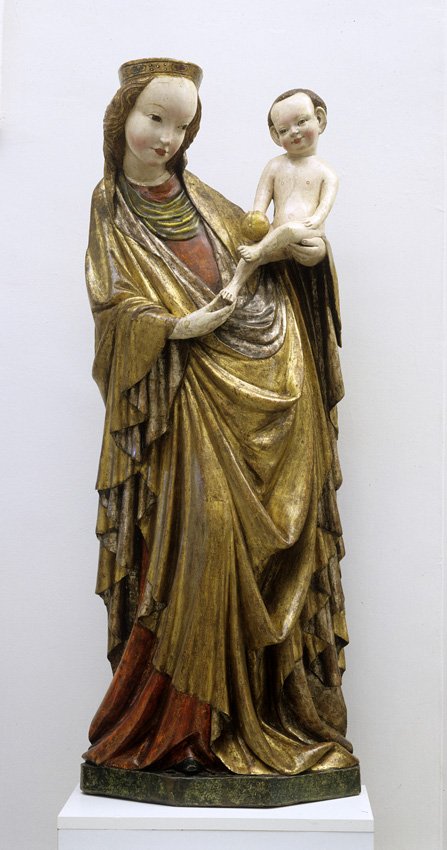
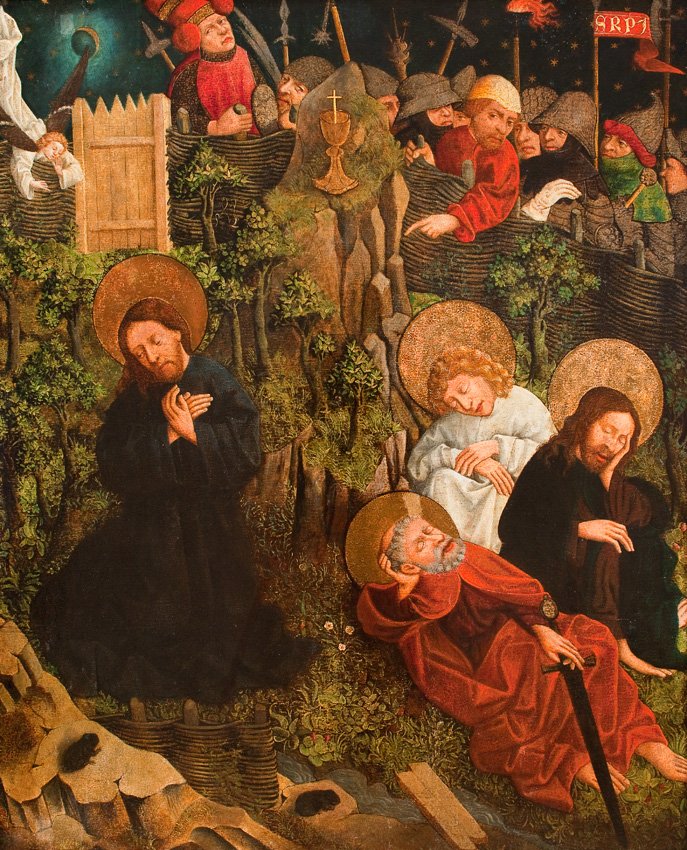
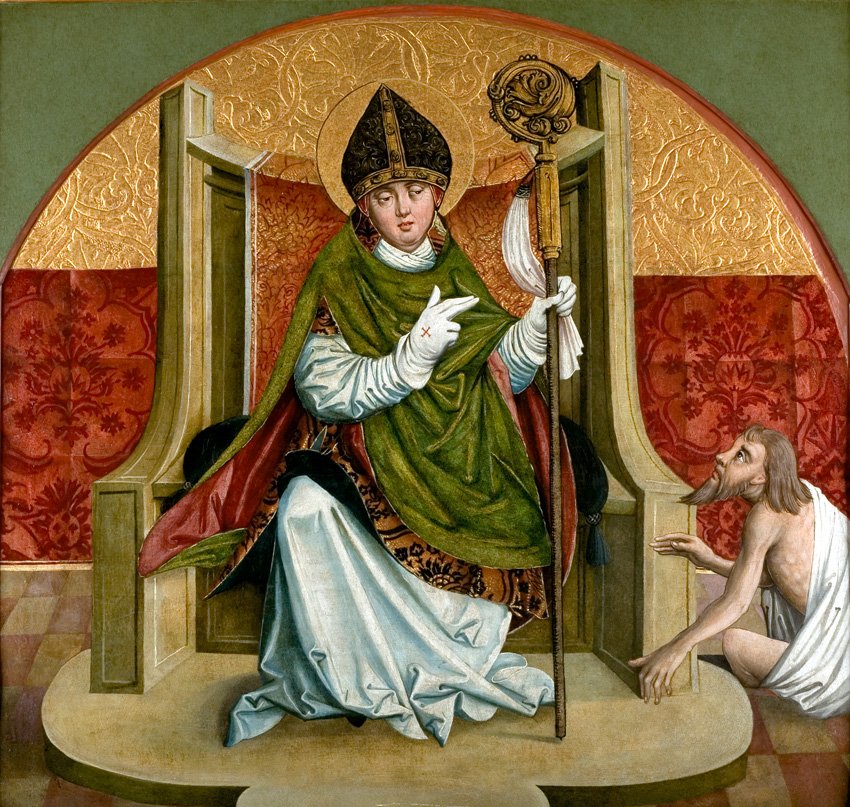
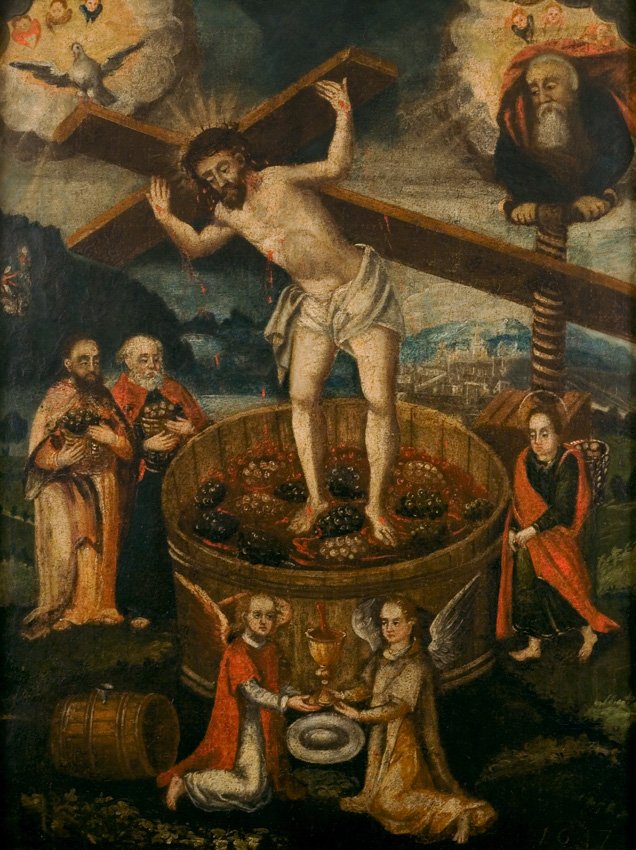
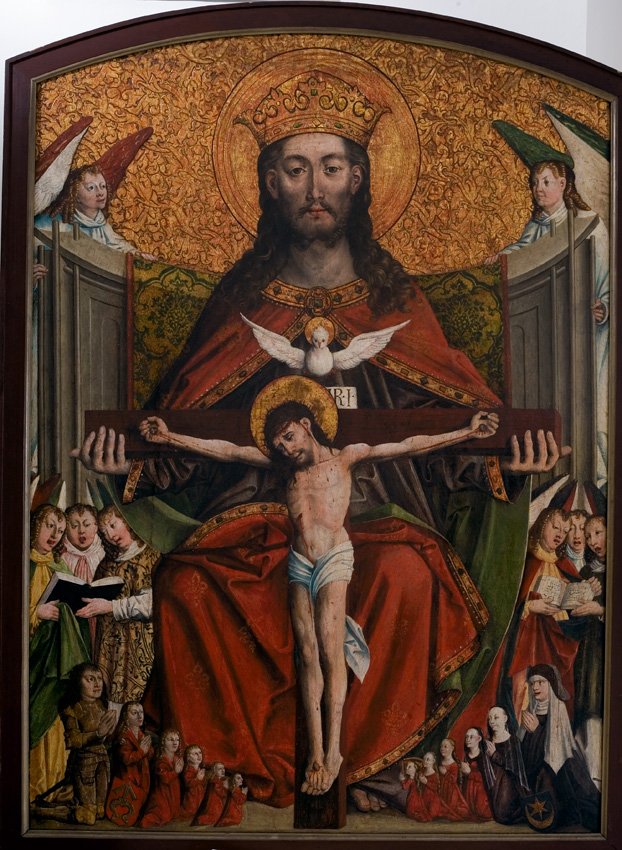
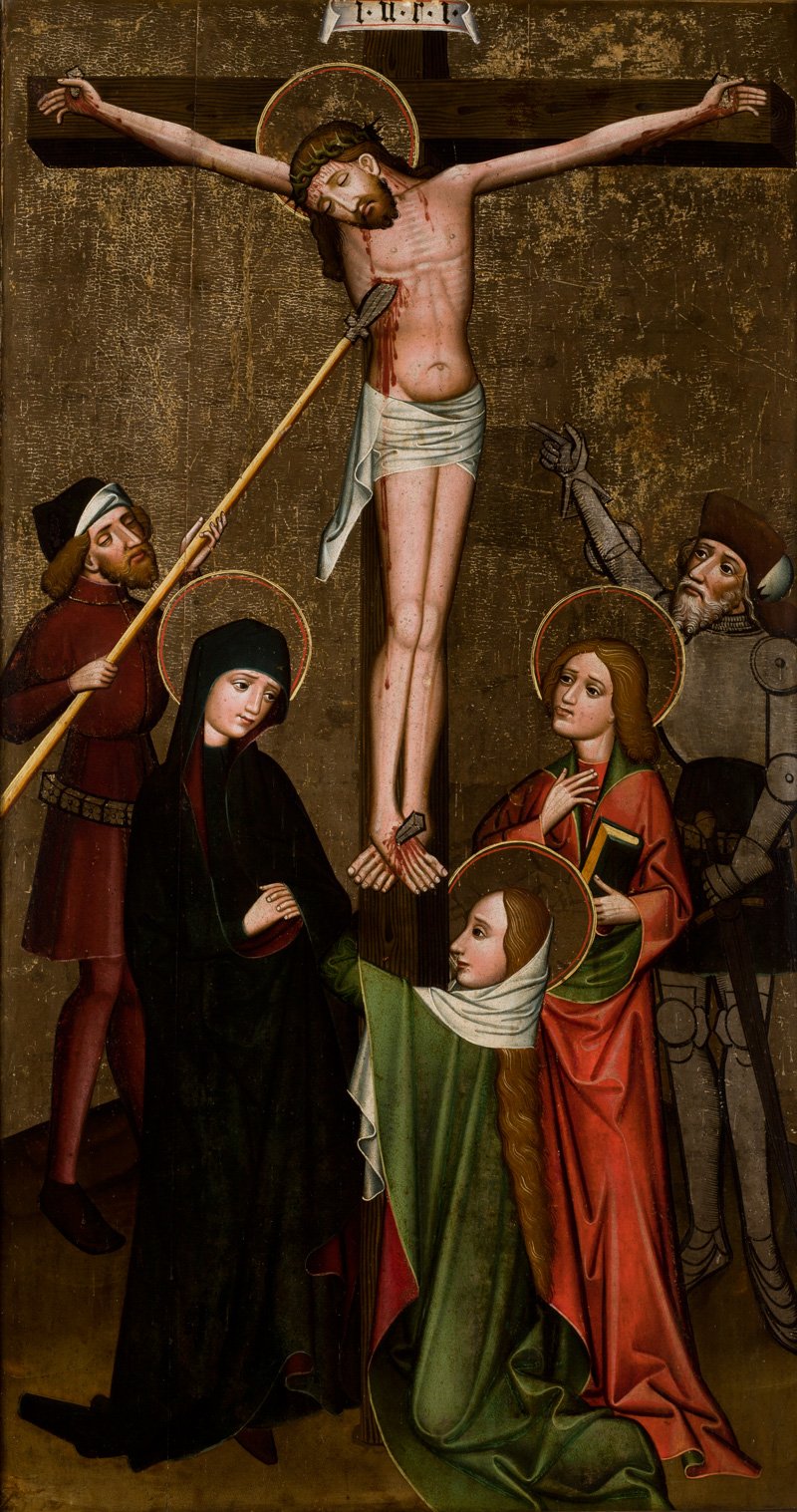
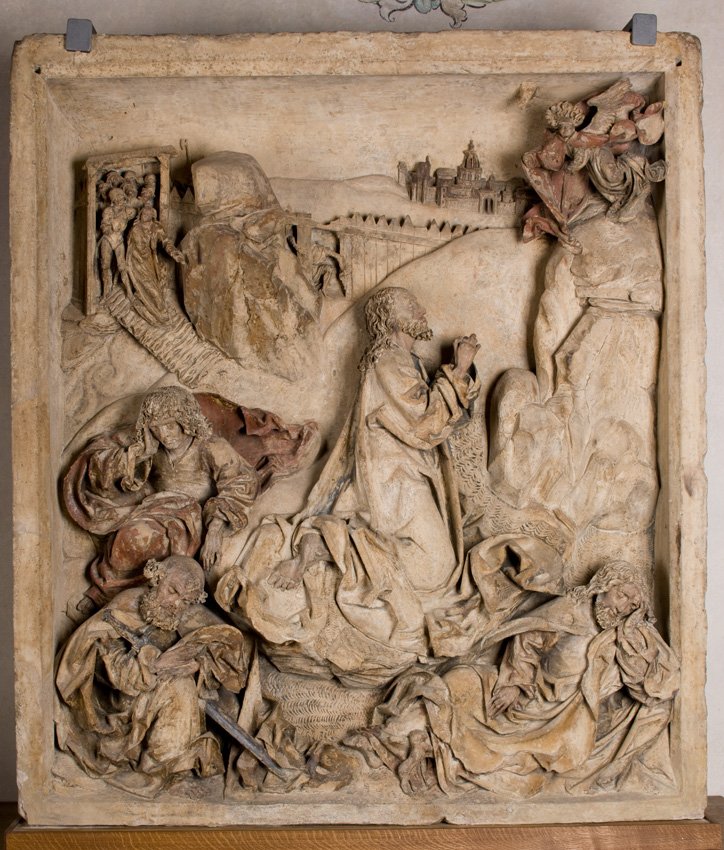
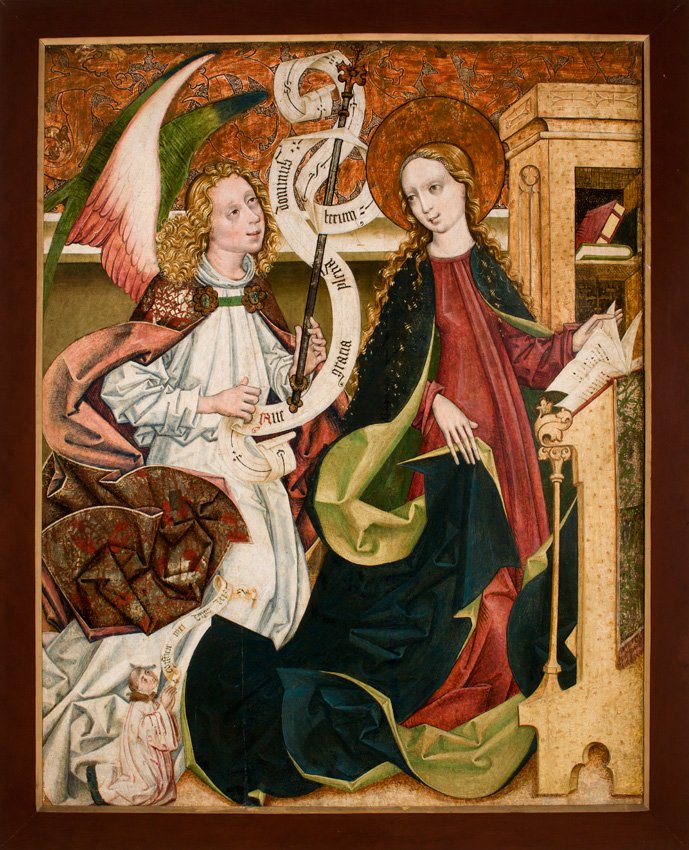
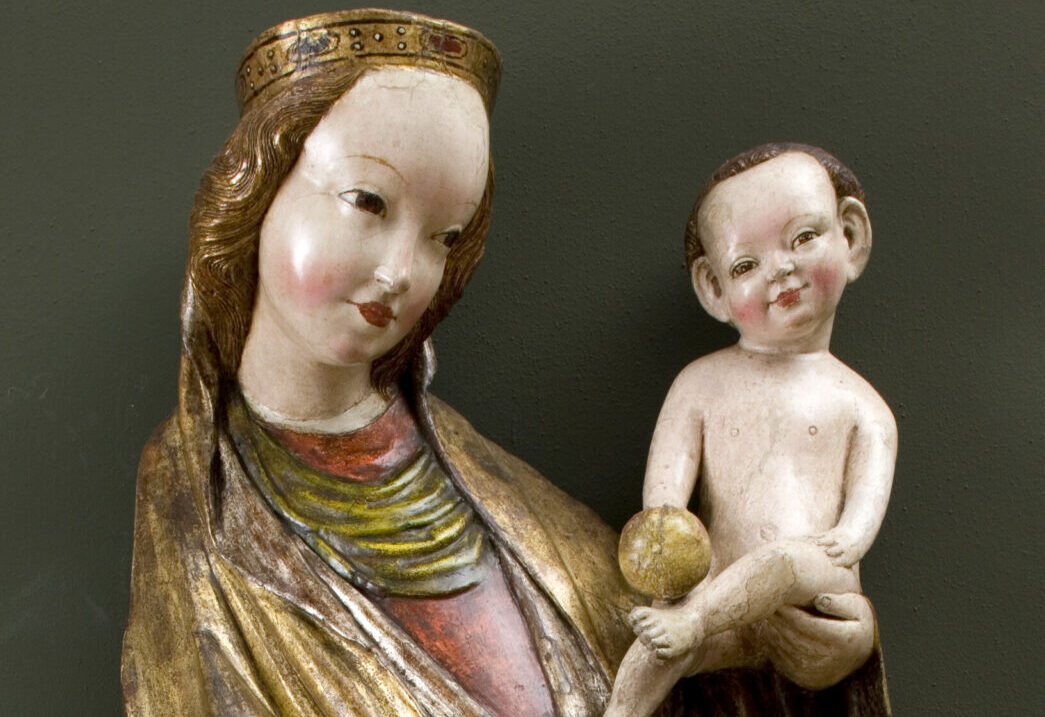
At the beginning of the exhibition, Romanesque architectural sculptures are displayed, acquired during the restoration and reconstruction of Kraków’s tenement houses, followed by some of the finest examples of Gothic art for the viewers. The key works of this part of the exhibition are the statue of the Madonna and Child from the Church in Krużlowa Wyżna (at the turn of the 14th and 15th centuries), large altarpiece polyptychs, originally part of the decoration of Krakow’s monastic churches – the Dominican Altar and the Augustinian Altar (circa 1460s), as well as late Gothic works, including Christ Praying in Gethsemane [„Chrystus w Ogrujcu”] by Wit Stwosz, the creator of the altarpiece in St. Mary’s Basilica (around 1485).
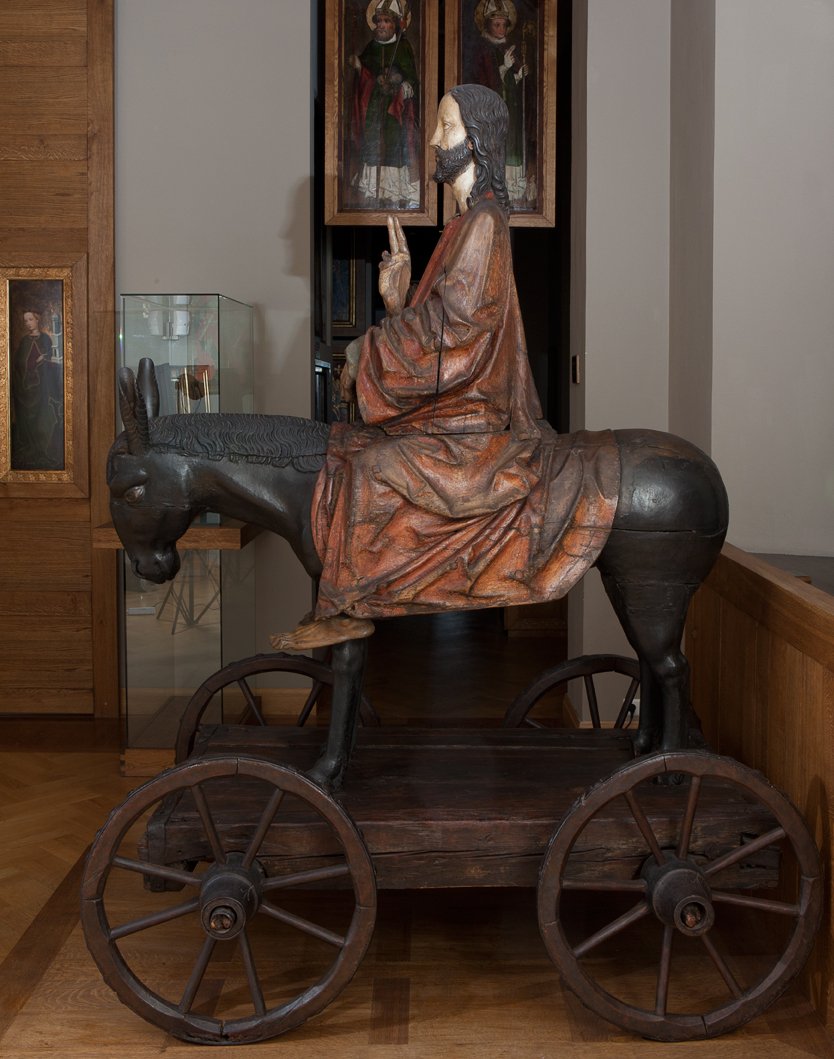
In the following rooms of the gallery, examples of various types of sacred art are presented, ranging from panel polyptychs, such as the altar from Lusina, dating from the early 16th century to sculptures intended for private devotion (such as the Pietà from Biecz [Pieta z Biecza], ca. 1390), liturgical props (Christ on a Donkey [Chrystus an osiołku], early 16th century), epitaphs and decorative elements, such as a painted wooden ceiling from the church in Kozy near Bielsko-Biała.
The Renaissance period is represented by the northern (Frankish painters: Michael Lancz from Kitzingen, Hans Dürer), as well as the Italian variety of this style (Giovanni Maria Padovano).
In the section dedicated to Baroque art, both large attendant figures from the Crucifixion in St. Mary’s Church and small “sculptural sketches,” models that were later used to create full-size statues, are presented (such as “Madonna and Child” [„Matka Boska z Dzieciątkiem”] in the style of Baldassare Fontana).
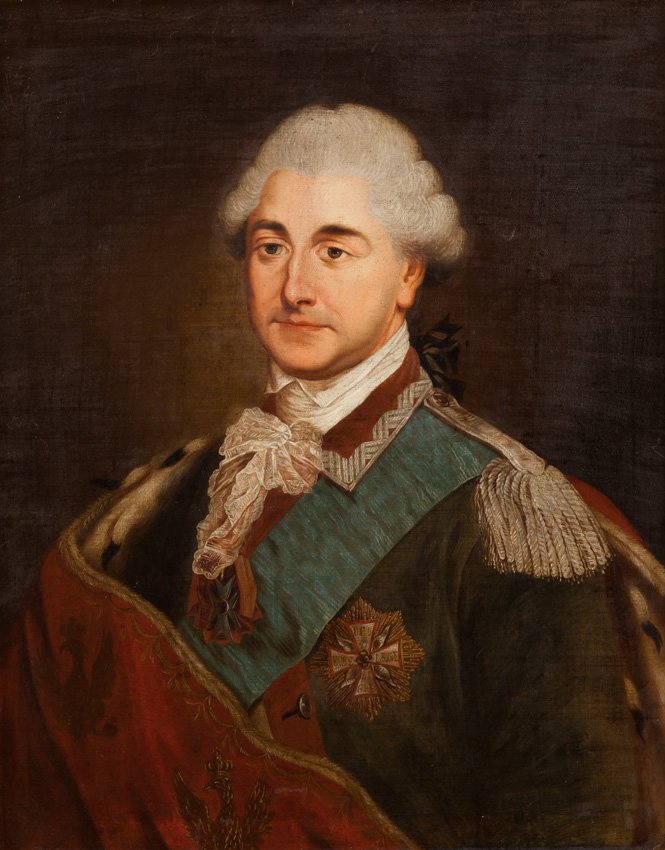
A separate part of the exhibition of Baroque art is a room dedicated to Old Polish funeral customs. Here, one can view coffin portraits, a catafalque in the shape of a griffin, mourning banners, and liturgical garments – fascinating testimonies of the customs of the time. The gallery closes with a large collection of old Polish portrait painting, representative of both court fashion and “Sarmatian taste”, as well as a set of paintings illustrating the beginnings of Polish historical painting.
Ciołek
ul. Kanonicza 17, 31-002 Kraków