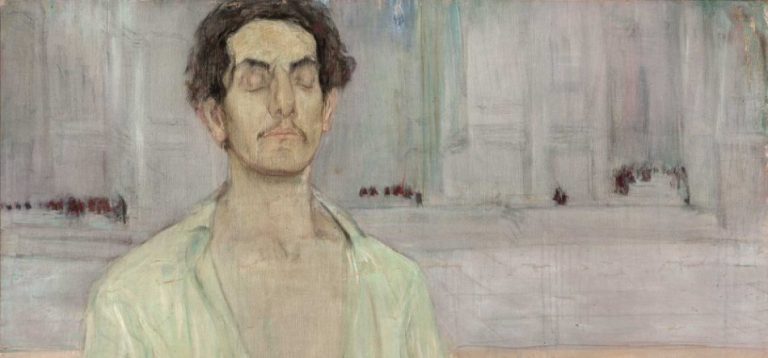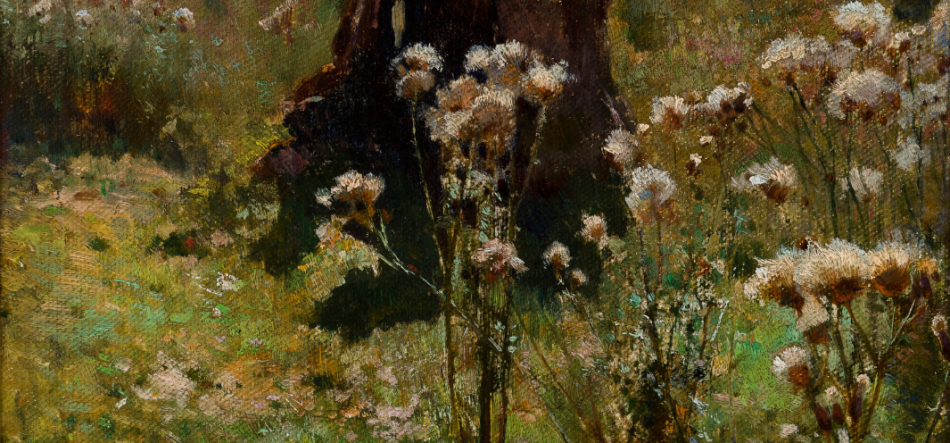
During the sessions, children and their carers will discover how, from ancient Egypt to the time of MNK Wyspiański, artists drew inspiration from nature, animals and plants. We will explore the museum’s galleries and gardens, learn to observe carefully, track changes in nature and see how it fares in the city centre. We’ll examine the materials used by artists of the past, optical illusions, urban birds, animal habitats and fantastical creatures hidden within works of art. There will be plenty of art activities, walks, work with natural materials and discussions about ecology and caring for the environment. This is a series full of wonder, surprise and creative fun, tailored to the needs of our youngest explorers.
In 2025, the sessions were recognised in the “Słoneczniki” poll as recommended by parents.
The workshops are designed for children aged 4–6, accompanied by their carers.
Participation in the workshops is free of charge, but we ask that you book in advance.
All workshops are divided into two parts:
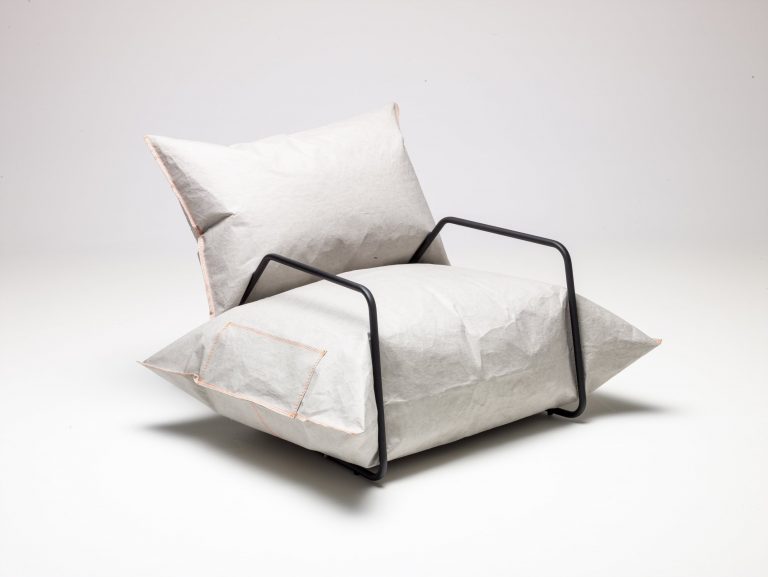
Our homes are filled with all sorts of things – furniture, appliances, toys. Which of these are essential for us to live comfortably and happily, and which could we do without? And what do animals need in their homes? During the workshop, we will not only look at household items designed by humans, but also consider how birds and insects arrange their homes. Out in the green space, we’ll discover that some animal species are true architects, capable of building extraordinary structures. We’ll also learn that sometimes it’s worth helping animals – during the session, we’ll make little houses for insects.
During the session, we will discuss beautiful reproductions from the book: On Herbs and Their Powers by Stefan Falimirz (1534), from the collection of the MNK Czartoryski Library.
Anna Pomykalska-Marczuk and the staff of the Institute of Nature Conservation of the Polish Academy of Sciences
Anna Pomykalska-Marczuk – teacher and visual artist. In the 1990s, she studied art in Kyiv. Her favourite subjects in painting include architecture, the city and its details – gates, streets and windows. She has taken part in numerous painting exhibitions (both group and solo) in Poland and abroad. She has won several awards in the field of artistic photography; in photography, she most enjoys taking stylised portraits, portraits of children and nudes. For over a decade, she has been working with the National Museum in Kraków as an educator, and she also works as a teacher at a Montessori primary school.
The Institute of Nature Conservation of the Polish Academy of Sciences – The Institute is a research institution engaged in activities relating to nature conservation in the broadest sense, addressing issues such as the preservation of species diversity in the plant and animal kingdoms, ecology and the fundamentals of the conservation of rare and endangered species, the sustainable use of natural resources and the maintenance of the continuity of natural processes, aquatic biology, geoconservation, and so-called conservation biology and the social dimension of nature conservation. The Institute’s staff carry out their research work with passion and dedication, but are also involved in educational activities: they run workshops and organise or co-organise events promoting science and nature conservation among older people, children and people with disabilities (including the Festival of Science and Art in Kraków, the University Festival, Earth Days). Together with the National Museum in Kraków, the Institute has co-organised events such as the Garden Festival, Wianki, a series of meetings on art and nature entitled ‘Delight in Beauty – Art Experts and Biologists on Works Inspired by Nature’, as well as last year’s edition of the ‘Butterflies and Stems’ workshops. For more information, visit: https://www.iop.krakow.pl.
23.05.2026
12:00 - 13:30
 MNK Szołayscy
pl. Szczepański 9, 31-011 Kraków
MNK Szołayscy
 MNK Main Building
MNK Main Building
MNK Main Building