From medieval parchments to prints attributed to Johannes Gutenberg’s printing press – 317 linear metres of Poland’s most valuable literary artefacts have just been conserved using the anoxia method.
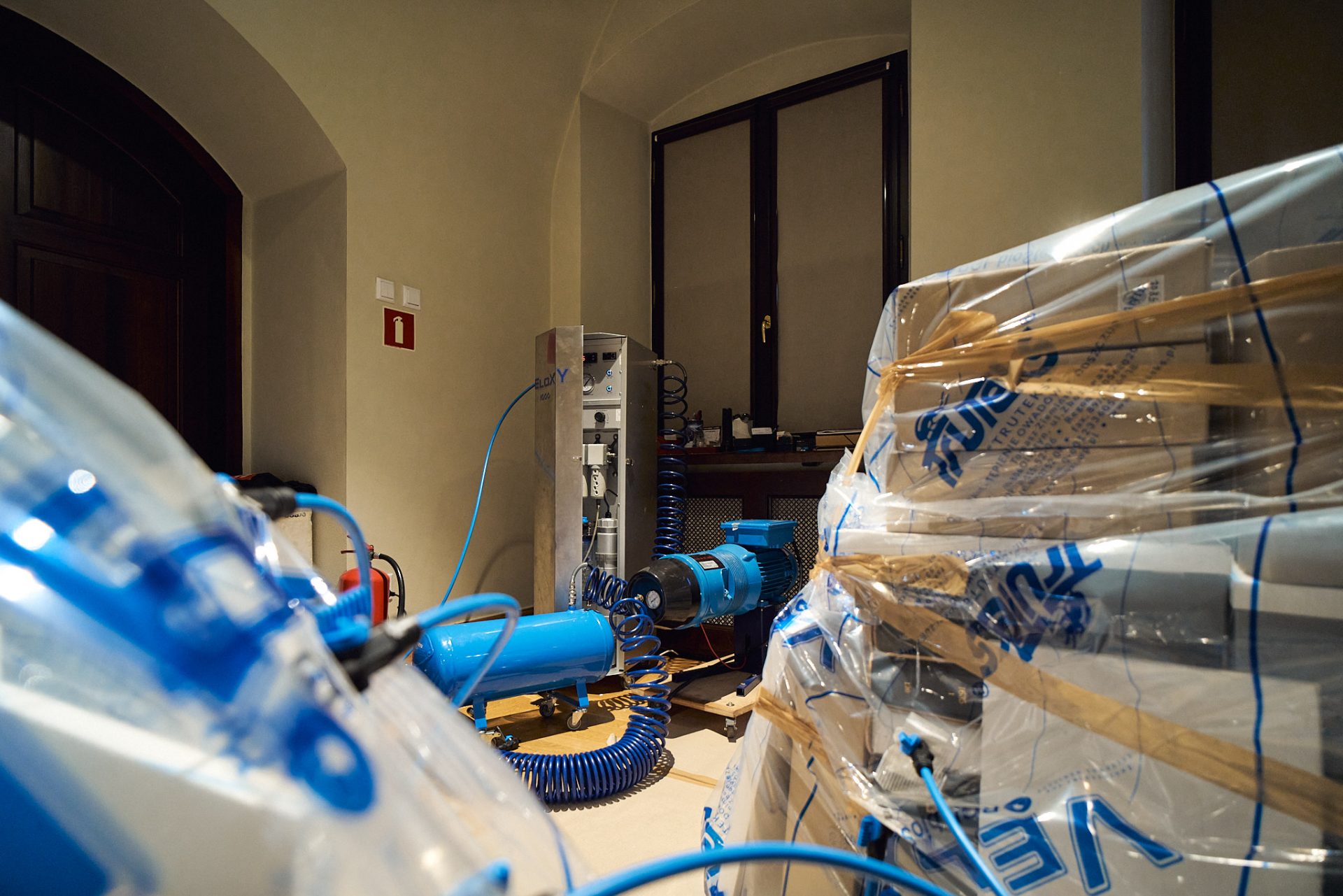
We have completed the anoxia process covering 317 linear metres of the most valuable collections of the MNK Czartoryski Museum in Kraków. The treatment was carried out using the VELOXY® (VEry Low OXYgen) system – a technology based on creating an environment almost completely devoid of oxygen.
Under such controlled conditions, all forms of pests are eliminated without the use of chemicals and without risk to delicate historical materials. As a result, anoxia is currently recognised as one of the safest and most effective methods of protecting historical library and archival collections.
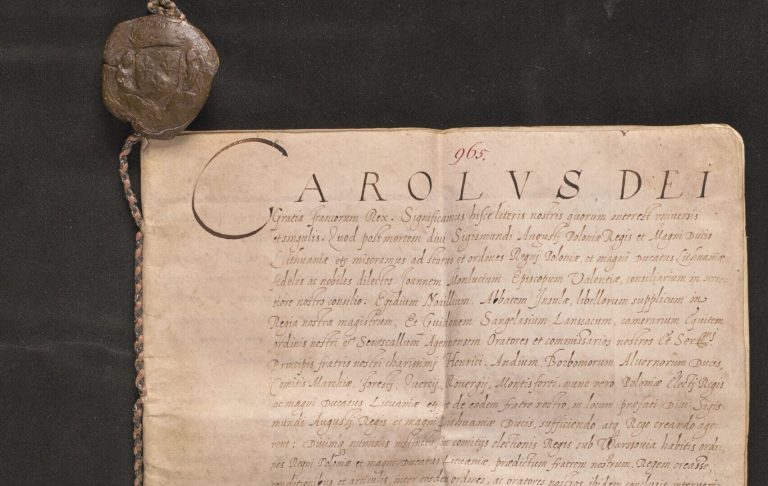
Part of the manuscript collections of the MNK Czartoryski Museum in Kraków has undergone this process, including extremely valuable parchment documents issued by popes, emperors, kings and princes, as well as numerous privileges and land grants.
Among the preserved exhibits is, among others, the Privilege of Koszyce, which in 2024 was inscribed on the Polish national list of the UNESCO ‘Memory of the World’ programme. Protection was also extended to medieval and early modern illuminated manuscripts, which are among the most valuable parts of the collection.
The oldest book in the library’s collection – the so-called Visigothic Bible from the first half of the 10th century, one of the oldest surviving literary artefacts in Poland – has also undergone an anoxic treatment.
Among the more recent exhibits, Fryderyk Chopin’s “Rondo à la Krakowiak”, dedicated to Anna Czartoryska (née Sapieha), has also been preserved.
This process also covered materials digitised as part of the project “MNK Czartoryski Museum of the National Museum in Kraków – expansion and modernisation of the National Museum branch in Kraków”, including part of Tek Naruszewicz – a unique collection of sources on Polish history.
The most valuable part of the collection of old prints has also undergone deacidification, including priceless incunabula and curiosities, which determine the exceptional status of the MNK Czartoryski Museum’s collection on a national scale.
Among them are true world-class rarities, such as a unique copy of the “Diurnale Cracoviense” from 1494 and the prayer book “Horae Beatae Mariae Virginis”, printed in Paris at the end of the 15th century.
Protection has also been extended to the oldest printed work in the collection, attributed to Johannes Gutenberg’s printing press – “Dialogus rationis et conscientiae” by Mateusz of Kraków, dating from around 1460.
This process also made it possible to preserve the first works published on Polish soil at Kasper Straube’s printing house, as well as extremely rare works in Polish from Stanisław Polak’s printing house in Seville.
True milestones of Polish culture were also subjected to the anoxia process:
from the first edition of Jan Kochanowski’s “Odprawa posłów greckich”, through Maciej Miechowit’s pioneering history of Poland, “Chronica Polonorum”, right up to the monumental Statute of Łaska of 1506, printed on parchment and containing the first printed version of the hymn “Bogurodzica”.
Thanks to the anoxic treatment, these priceless testimonies to history and culture have been successfully preserved for future generations.
Total project cost:
PLN 56,194,788.50
Co-financing from the European Regional Development Fund: PLN 37,181,150.41
#EUFunds #EuropeanFunds