Neither before World War I nor in the interwar period did the National Museum in Krakow have its own studio for the conservation of decorative arts. However, reports from those years include references to contracting private artistic craftsmen’s workshops to renovate and repair valuable objects.
World War II brought losses – not only due to sequestrations, but also due to the liquidation of the museum’s storage facilities, resulting in hasty evacuation of objects, often without adequate packing, and their relocation to makeshift quarters, where they were exposed to accelerated degradation.
In 1948 the museum established the Ceramics and Decorative Arts Conservation Studio, whose actual operation began only in 1956. In 1975, it was renamed the Decorative Arts Conservation Studio. The scope of its work changed in successive periods. In 1993 the competencies of the various studios in the museum were redefined, and have remained unchanged ever since.
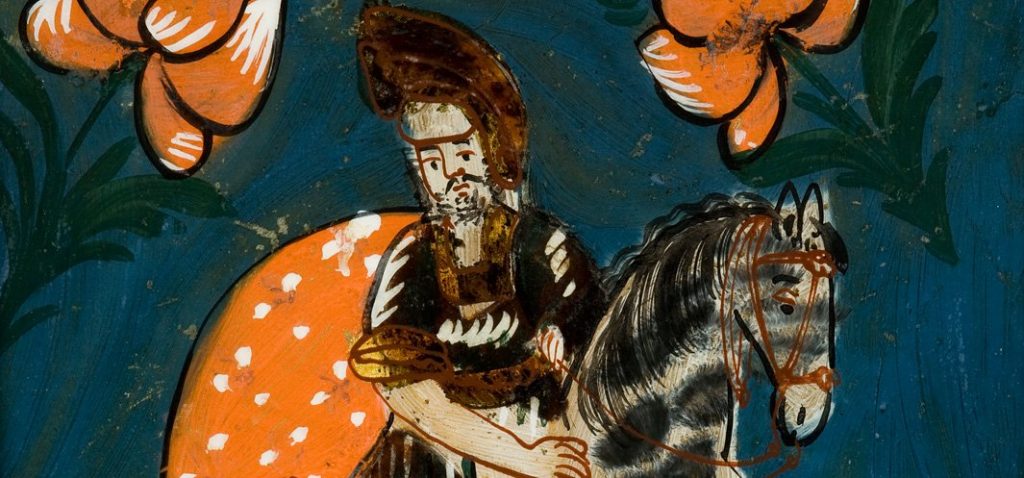
The Decorative Arts Conservation Studio in involved in the conservation of ceramics and glassware as well as objects made of organic materials. It is responsible for an ample collection of historic objects: glass and ceramic vessels ranging from ancient to modern times, clay figurines, sculptures and 20th-century ceramic compositions, stained-glass windows, glass paintings, enamelware, Far Eastern lacquered and inlaid objects, feather fans and other costume accessories, sundry jewellery and trinkets, and also products made of ivory, coral, mother of pearl, dried fruit, grass and wicker, and combinations of various materials.
The studio performs full, partial, and preventive conservation procedures, using modern techniques and materials, while the work is based mostly on non-invasive investigation methods. A considerable portion of the studio’s effort is devoted to preventive conservation: taking care to ensure adequate storage conditions for the collections and appropriate modes of display during exhibitions at the National Museum in Krakow, reviews of the state of preservation of the objects, conservators’ supervision over the organization of exhibitions, preparation of statements of expert opinion and recommendations, etc.
The studio staff have completed conservation procedures and prepared historic objects for a number of exhibitions held at the National Museum in Krakow and other institutions, for example:
One of the studio’s most interesting projects was the conservation of the verre églomisé altarpiece from Biecz (completed between 2007 and 2011 by Anna Pusoska, in collaboration with the conservator Sławomir Oleszczuk of Olestudio), concluded by a demonstration and conservation seminar in May 2013.
Starting in 1998, for ten years the then head of the studio, Anna Pusoska, organized national sessions on the research, conservation and storage of historic glass.
The Main Building
al. 3 Maja 1
tel. +48 12 433 55 82
pkrza@mnk.pl