





 MNK Main Building
al. 3 Maja 1, 30-062 Kraków
The presentation of material culture artefacts in the Main Building of the National Museum in Kraków is the largest comprehensive exhibition of its kind in Poland: nearly 4,000 objects are displayed within the exhibition, dating from the early Middle Ages to the mid-20th century.
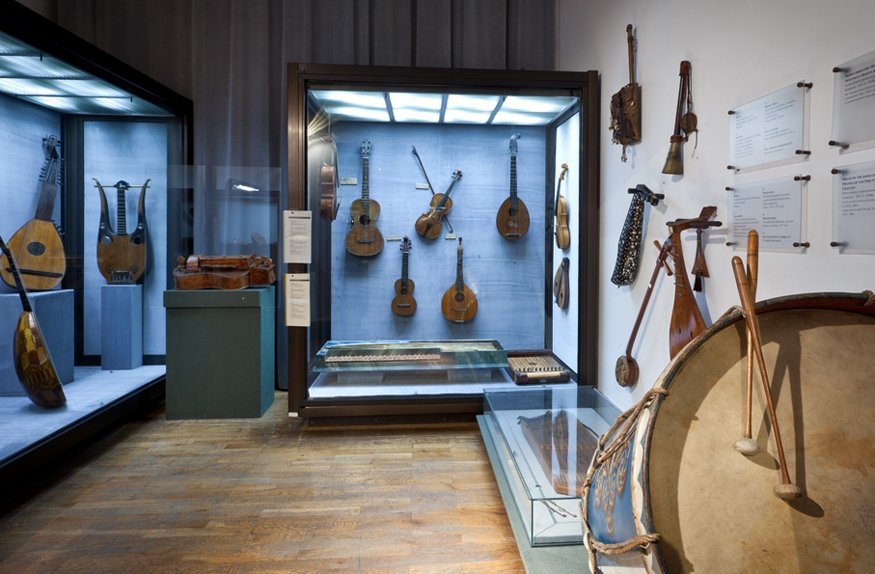
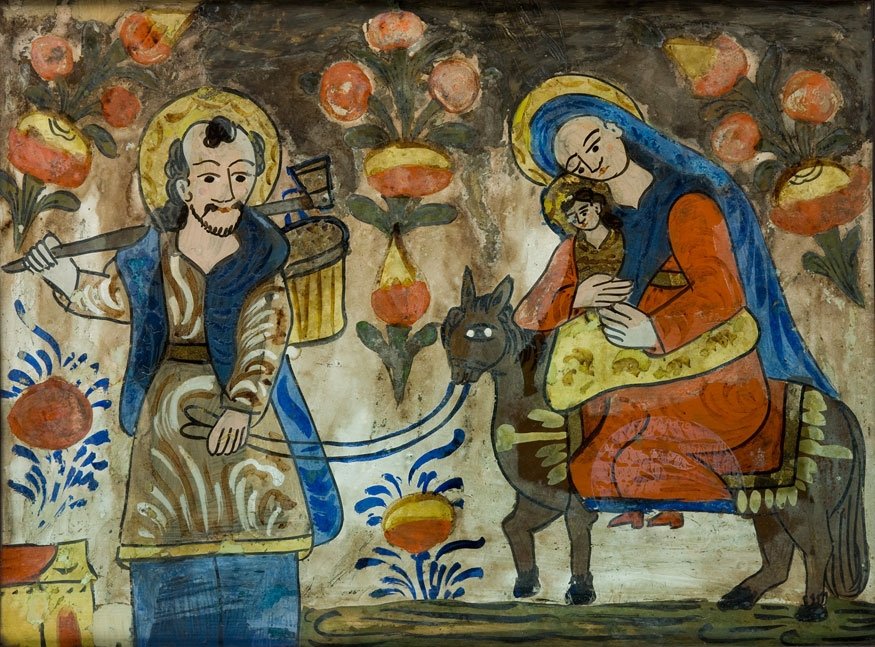
The individual spaces of the exhibition focus on individual periods in the history of art and types of artefacts. This is an opportunity to compare examples of everyday objects: stained glass, liturgical textiles, clothing and accessories, vessels and tableware: ceramics, glass, and silver, furniture, musical instruments, and Judaica, whose unique collection was bought between 1935 and 1939.
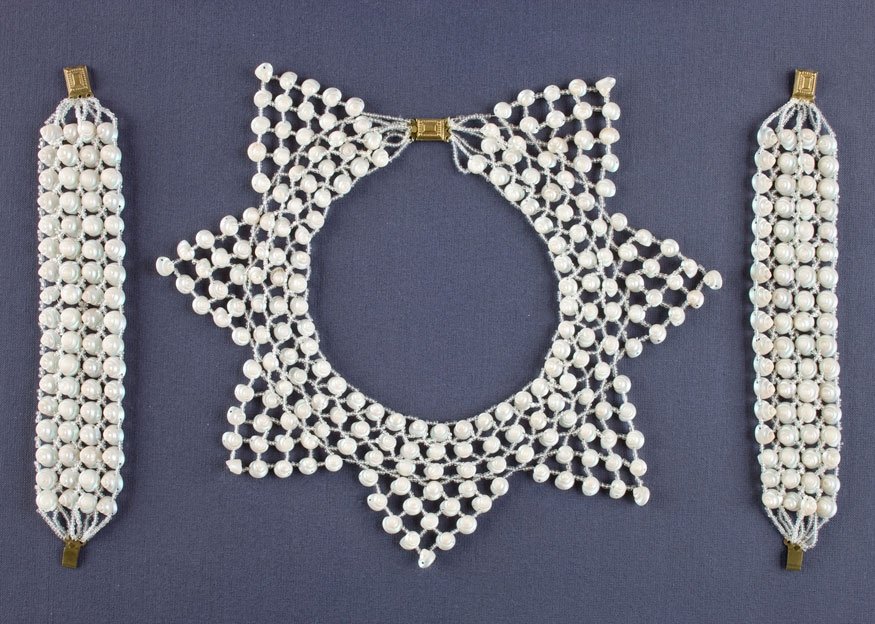
The clothes and fabrics presented in the Decorative Art Gallery come from the period from the 14th to the beginning of the 20th century. These include medieval stoles and chasubles, hand-embroidered on imported Italian fabrics, silk kontusz sashes typical of noble attire, as well as a complete overview of 19th-century fashion, complemented by accessories: shawls, lingerie, fans, gloves, and jewellery.
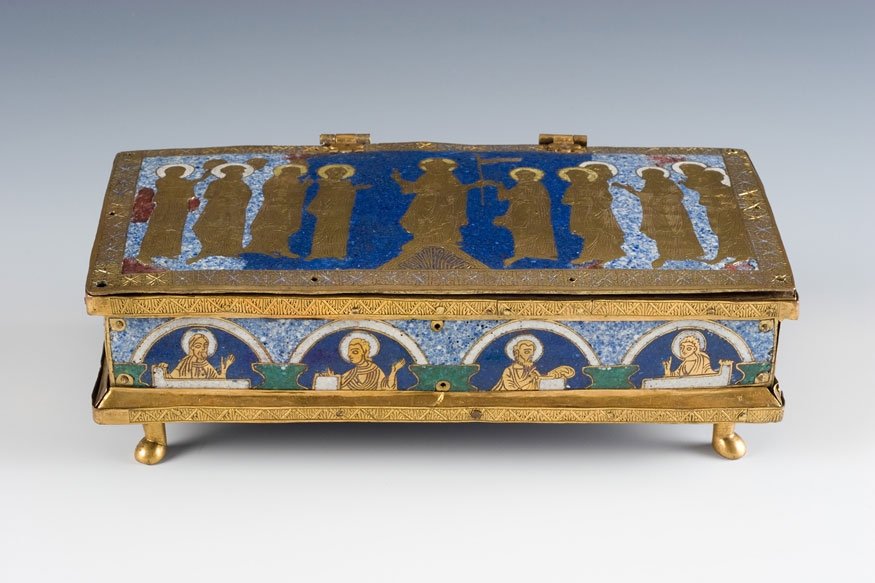
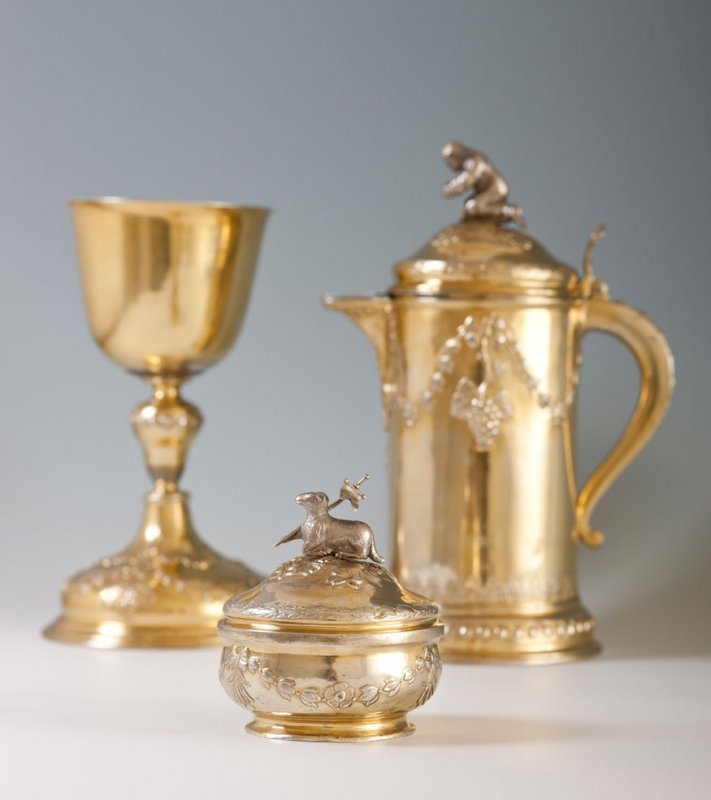
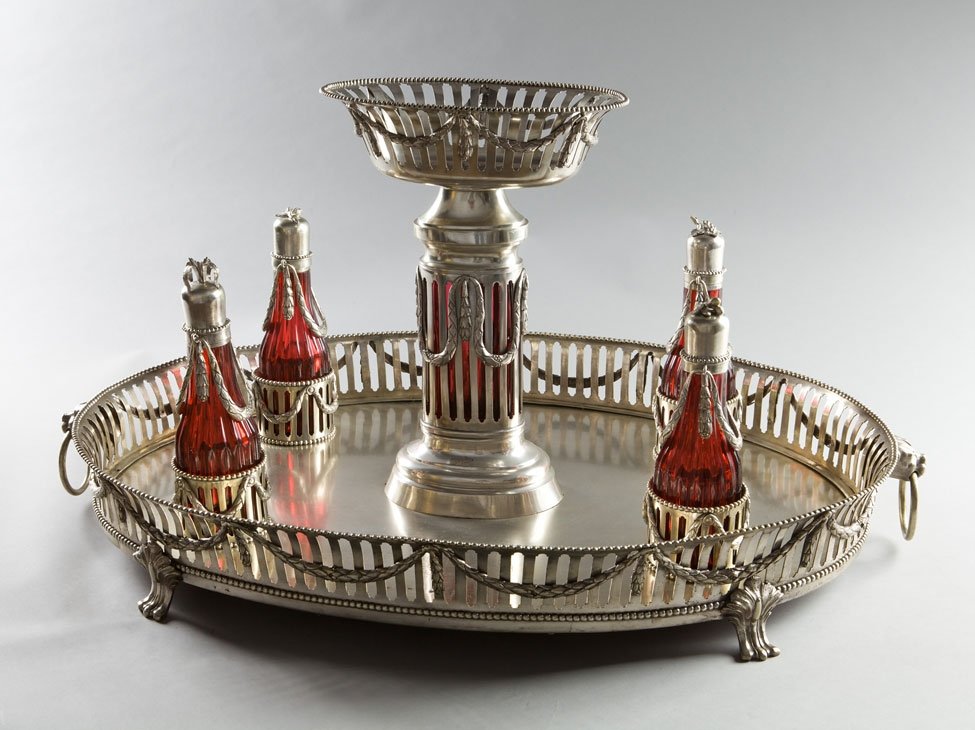
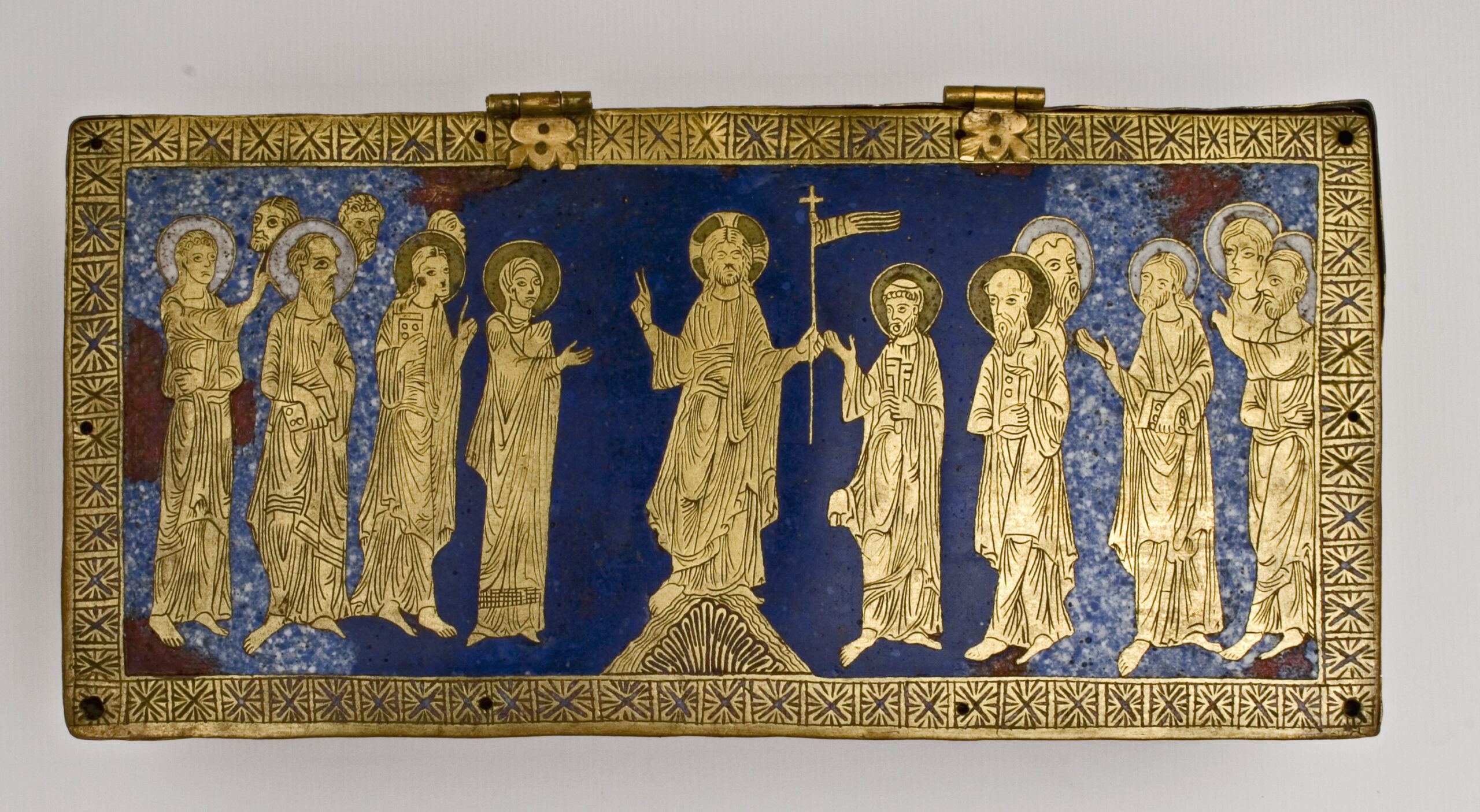
Silver items and artefacts of enamelling art represent Polish and European workshops, active from the 10th century (the so-called Włocławek Goblet) to the end of the 19th century (the Kraków and Wrocław workshops [warsztaty krakowskie i wrocławskie]). Also noteworthy are objects made of other metals, including Gothic and modern bells and pharmacy mortars, such as the work of the Gdańsk bellfounder Gerard Benning from 1623.
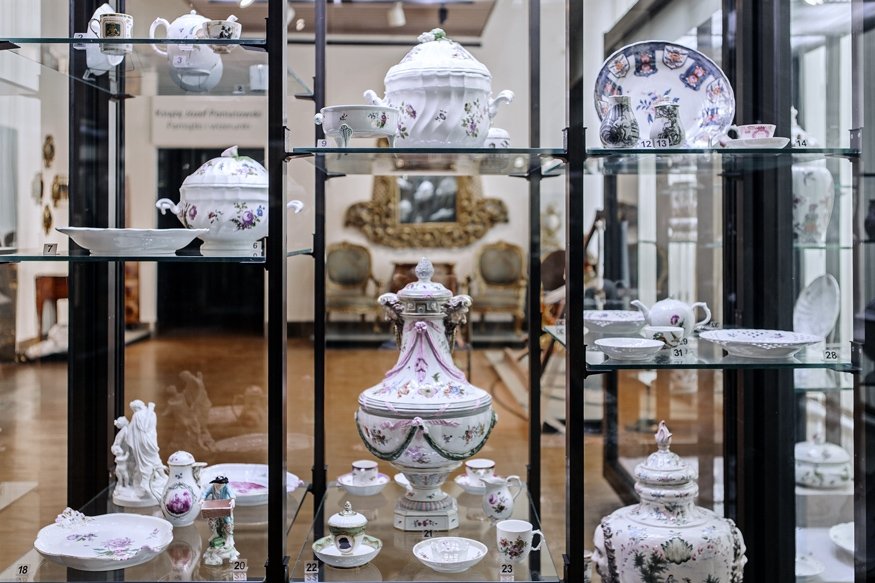
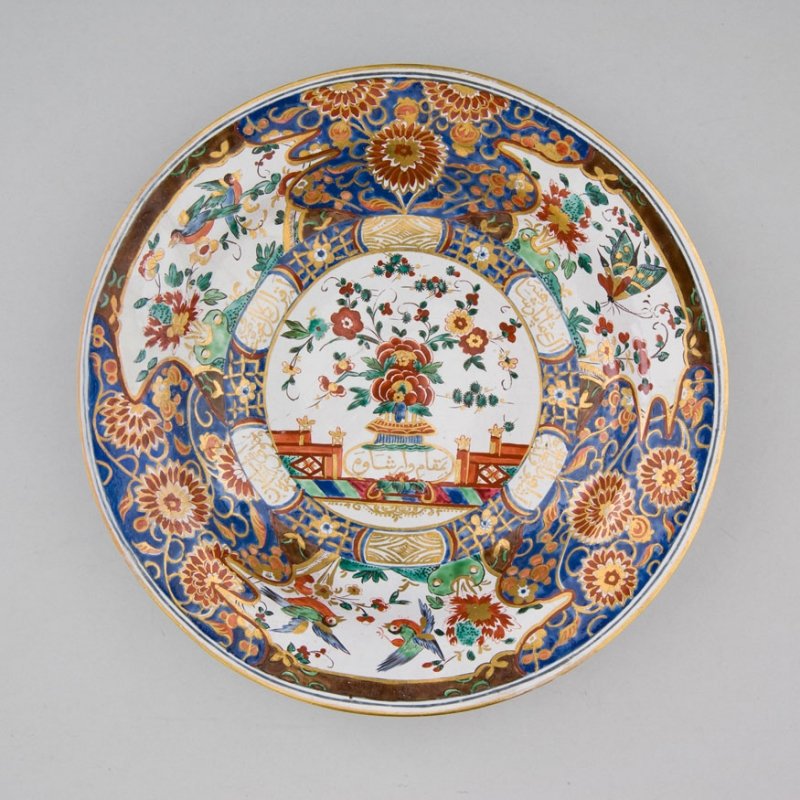
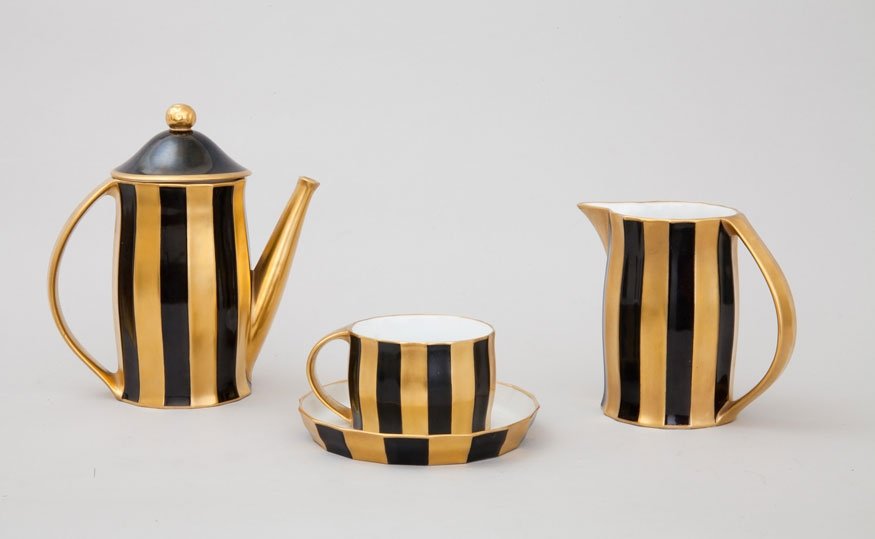
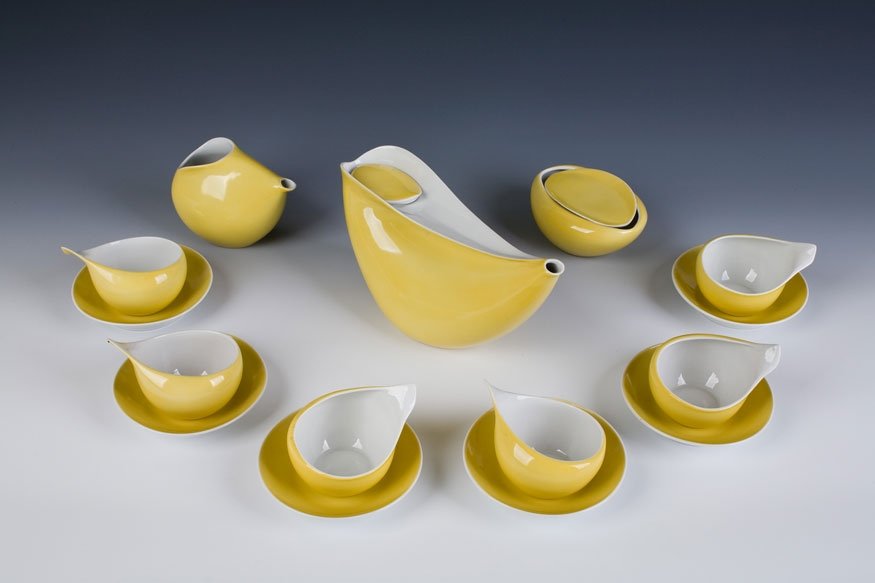
The ceramics collection of the National Museum in Krakow is one of the richest and most important collections of this type in Poland. It contains Romanesque floor tiles, Gothic and Baroque tiles, Italian majolicas from the 16th century, and Polish faience from the 18th century. The most valuable monuments come from the royal manufacture in Belvedere and the manufacture of Karol Wolff in Bielin in Warsaw. Noteworthy are: a vase, platter and plate from the Sultan’s Service from 1777 and a “Tsun” type vase from Wolff’s manufactory from 1780–1795. In addition, the collections include numerous examples of porcelain from the most famous European manufactories: Meissen, Vienna, Berlin and Sevres. Valuable ceramics units also come from Polish manufactories: in Korec, Baranówka, Tomaszów Lubelski, Ćmielów and Nieborów.
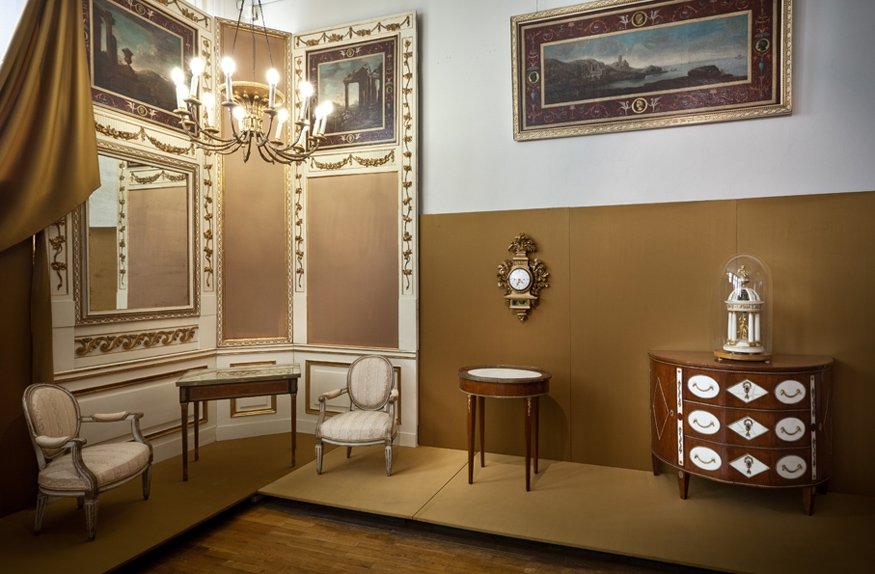
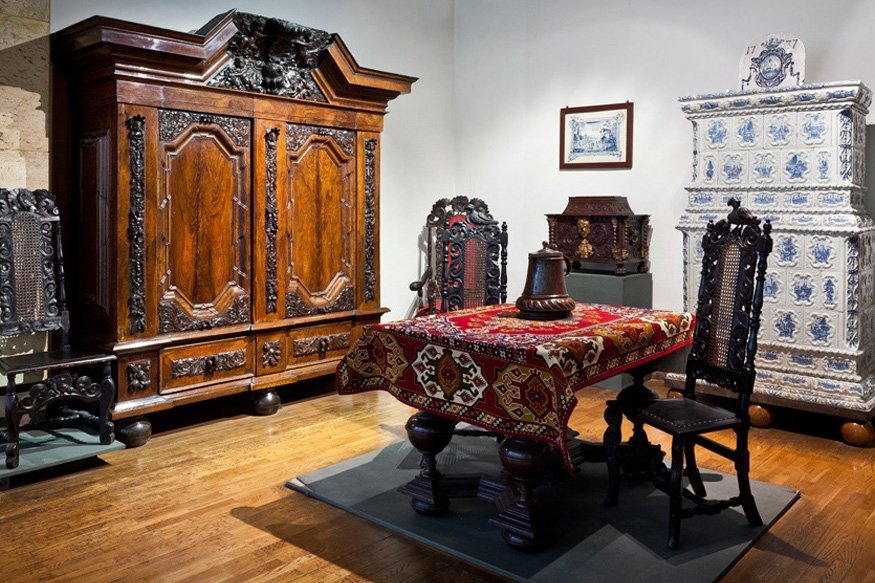
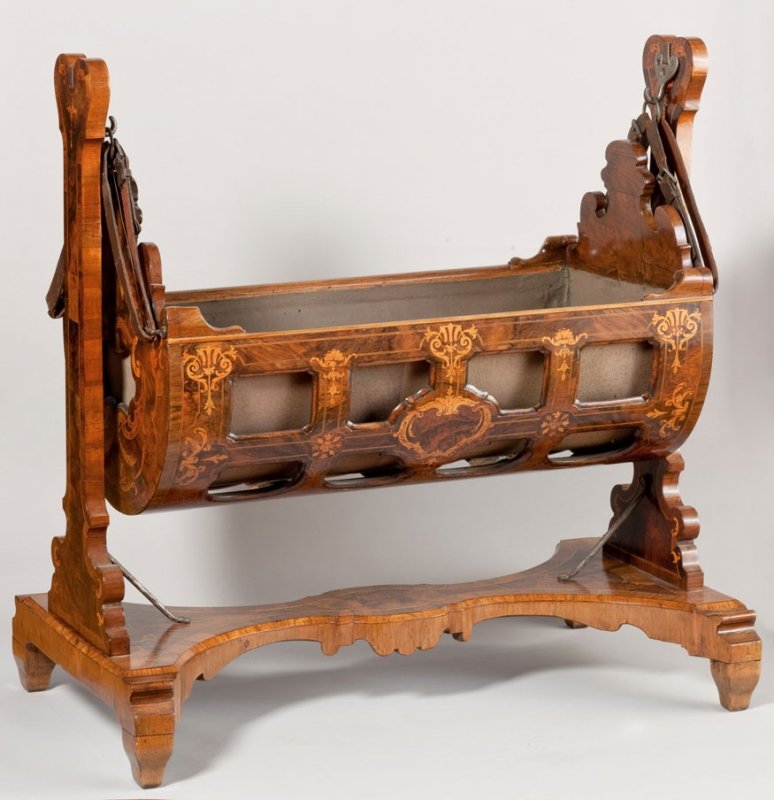
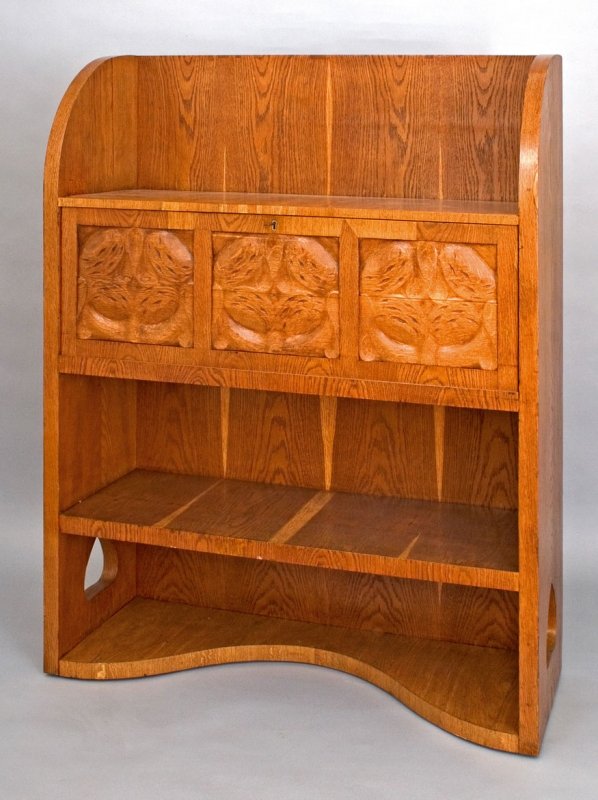
Parts of the exhibition have been arranged as sections of stylistically designed interiors, furnished with period furniture. Particularly noteworthy are a Spanish vargueño (cabinet) from the turn of the 15th and 16th centuries, cabinets made in Genoa, and several French Rococo pieces. The core of the collection is monuments from the 18th century – both Polish from Gdańsk and Kolbuszowa, as well as foreign and Empire, Biedermeier and Art Nouveau furniture. Worth noting is the large collection of small-scale furniture pieces, including sepets, guild counters, small chests, caskets, and boxes, decorated with intarsia and inlay techniques.
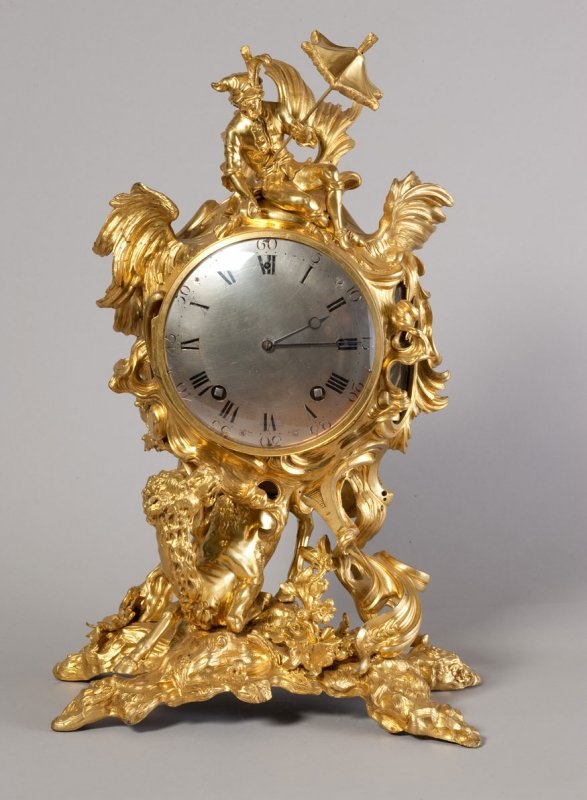
The gallery presents a valuable collection of tile clocks from the 17th and 18th centuries, including two from the workshop of Wolfgang Prenner from Krakow. A unique monument is a sphere clock from the workshop of David Schröter from Elbląg. The collection also features table clocks, bracket clocks, dial clocks, and mantel clocks. The most valuable monuments also include clocks by Jan Gotfried Krosz from the second half of the 18th century. These are a clock with a Chronos figure and a rare copy of a travel clock. The National Museum in Kraków holds the finest collection of Empire-style clocks in Poland, consisting primarily of mantel clocks.
Curatorial team:
MNK Main Building
al. 3 Maja 1, 30-062 Kraków