







 Matejko
ul. Floriańska 41, 31-019 Kraków
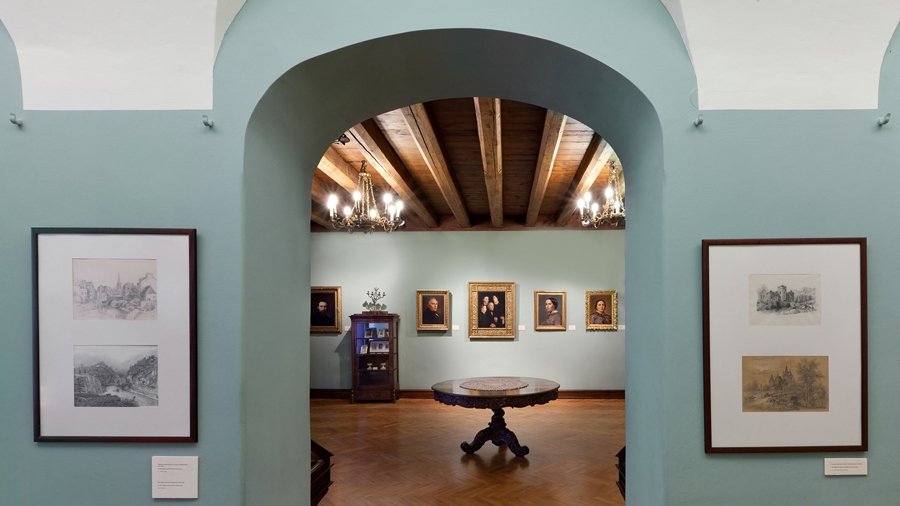
The Jan Matejko Biographical Museum (1838–1893) is located in the family home of the artist, pedagogue, social activist, collector and pioneer in the field of monument protection. It is an old Krakow tenement house, rebuilt in the 18th and 19th centuries, with preserved elements of the decor from the period when the painter lived there with his family.
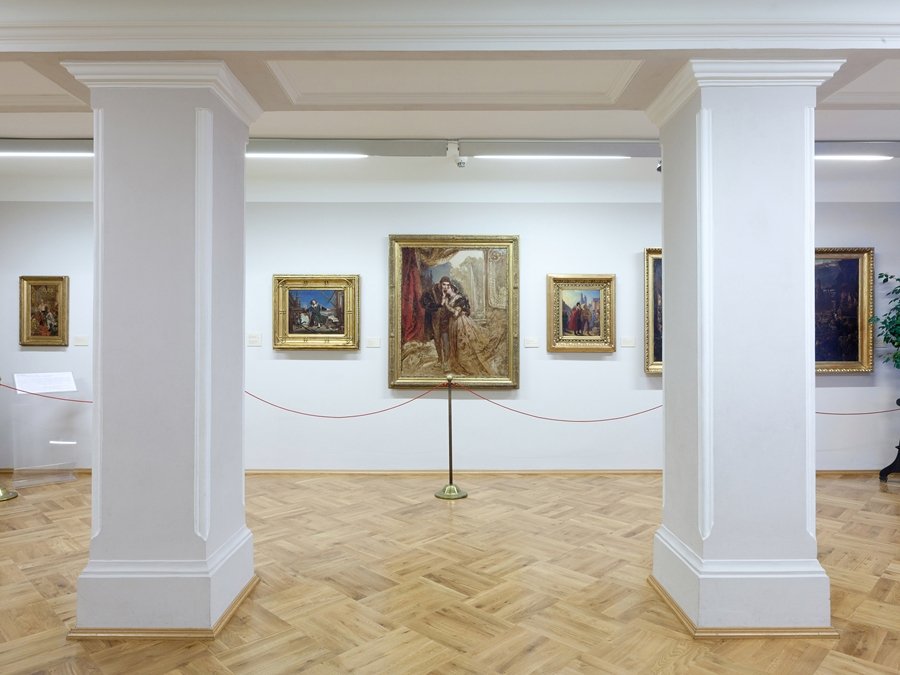
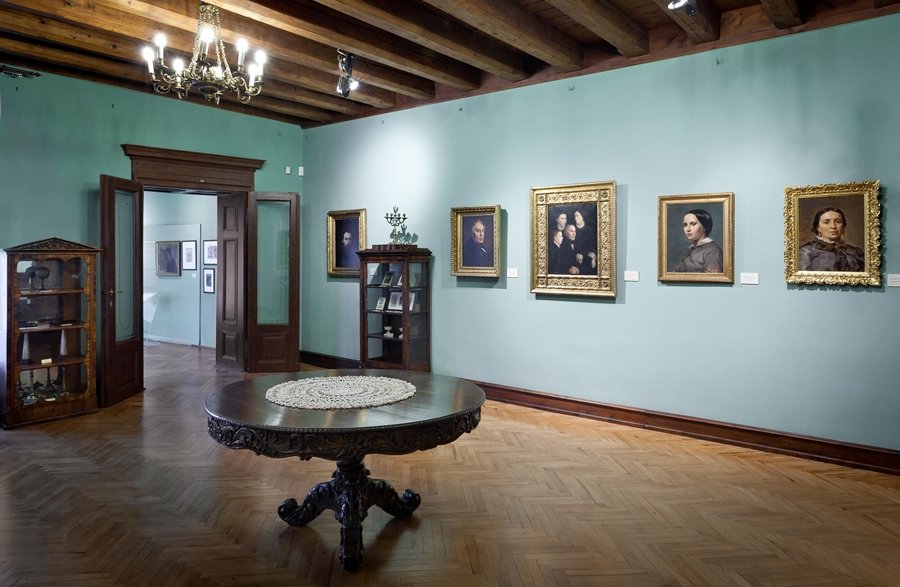
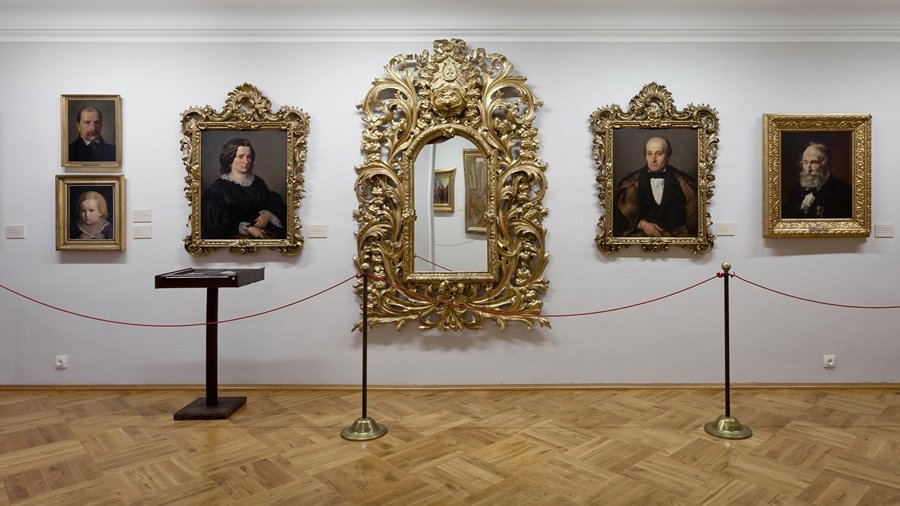
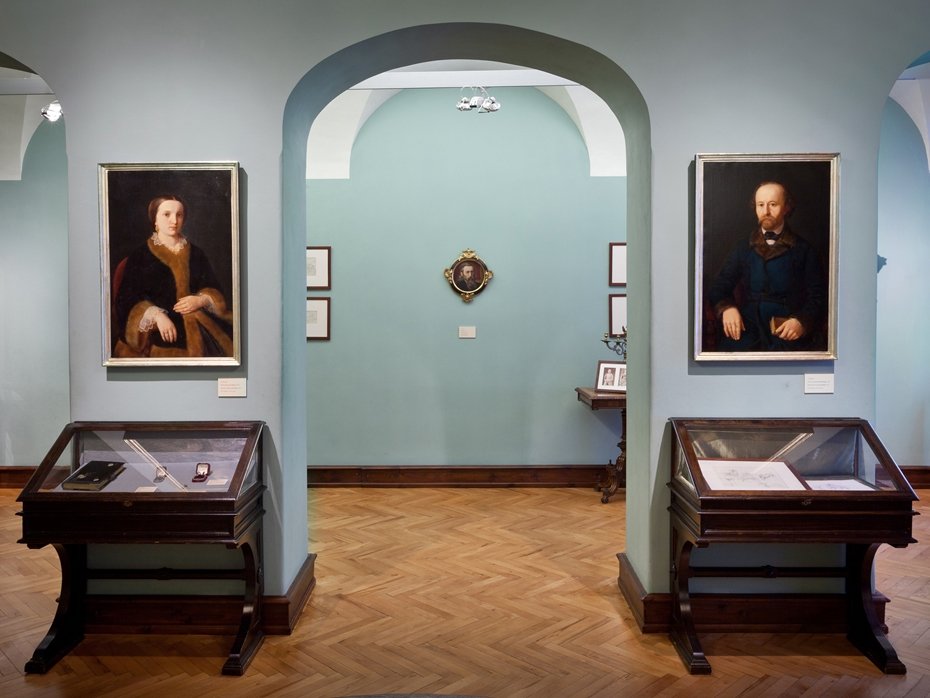
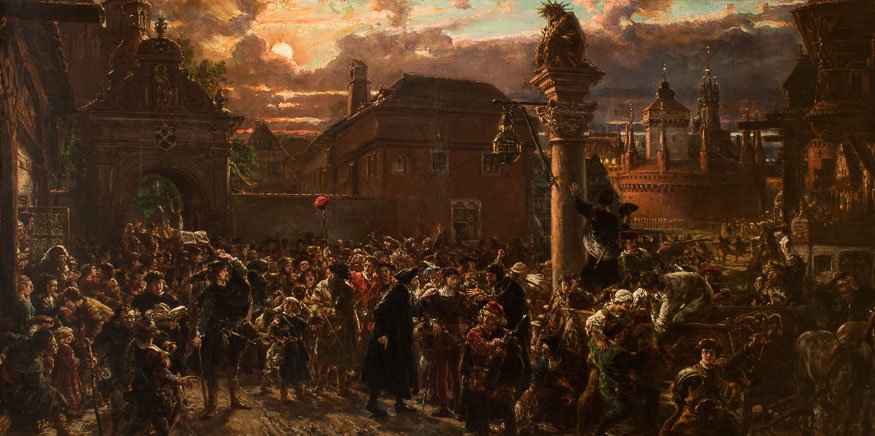
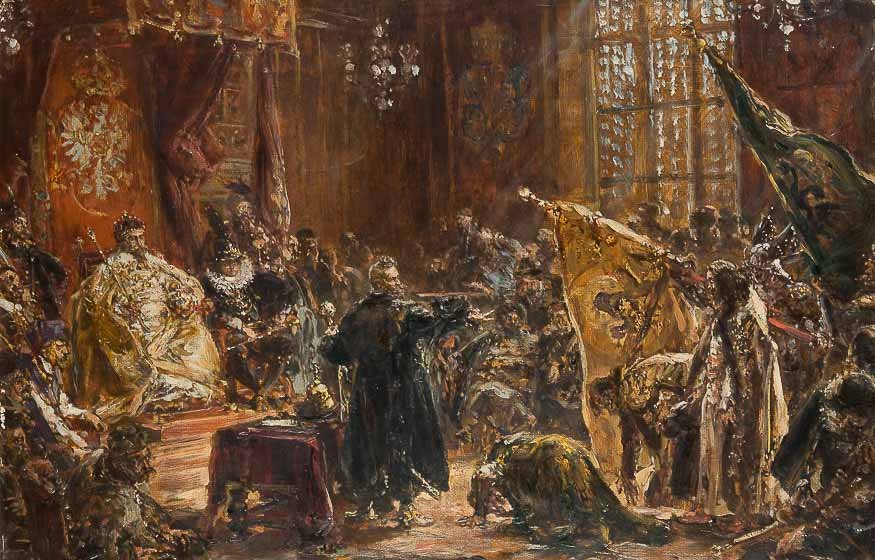
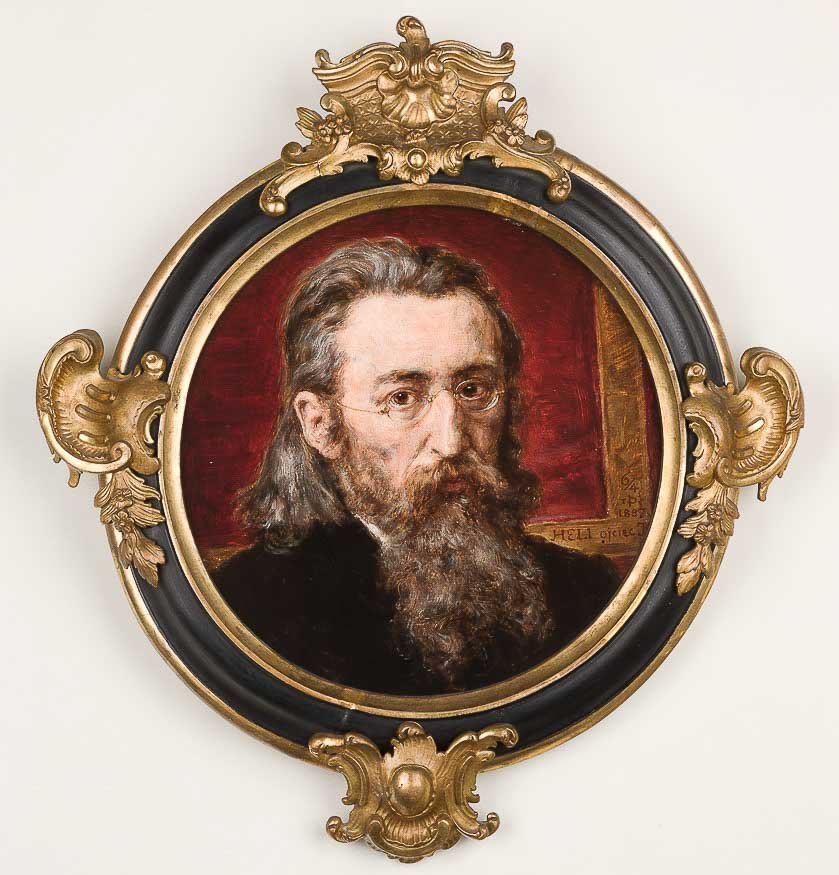
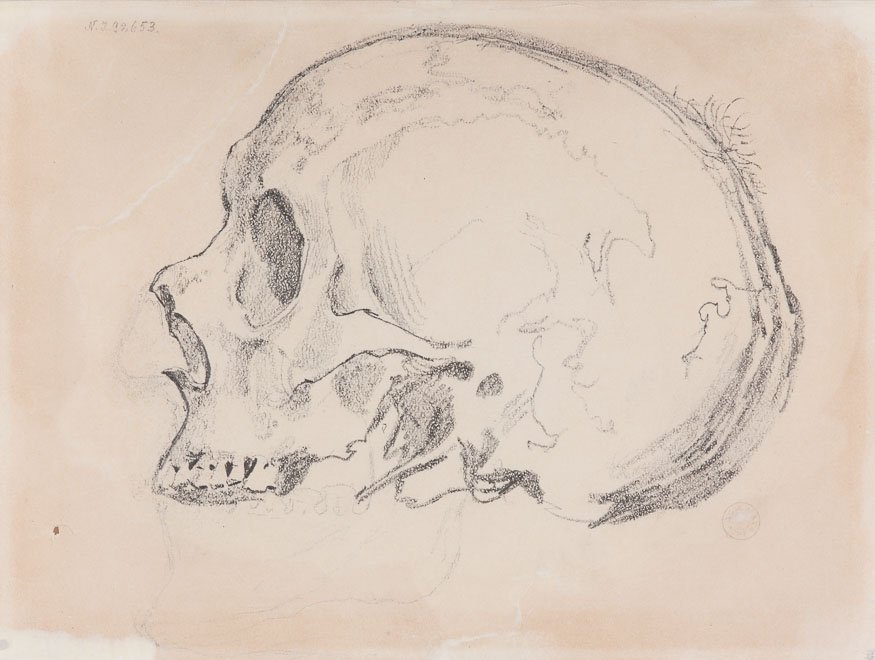
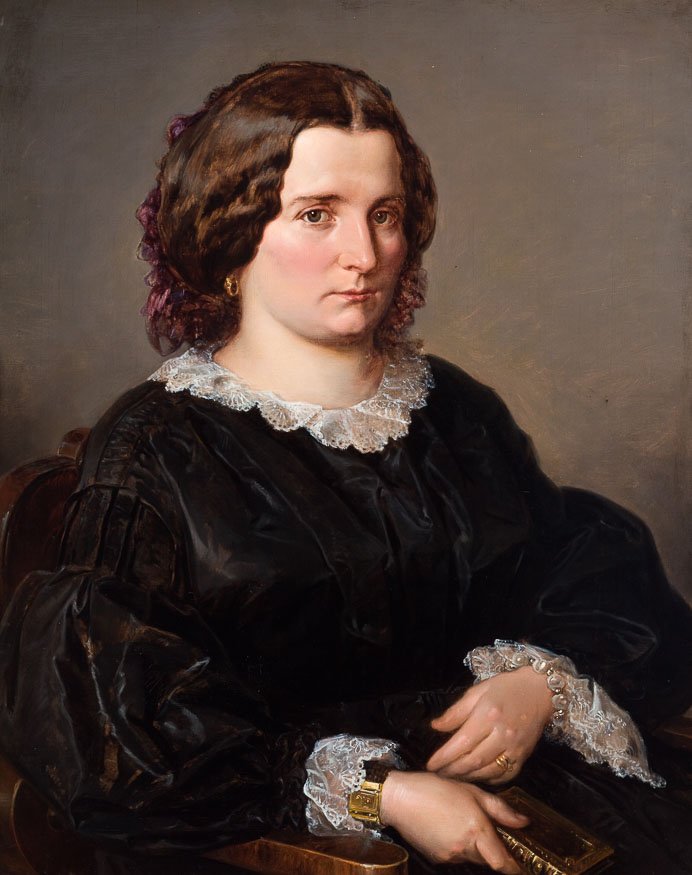
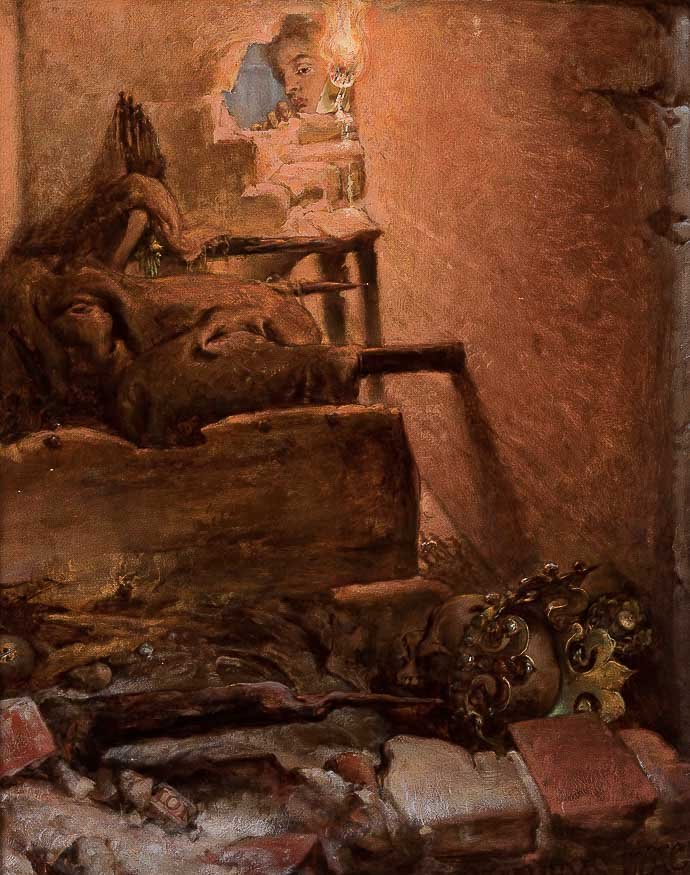
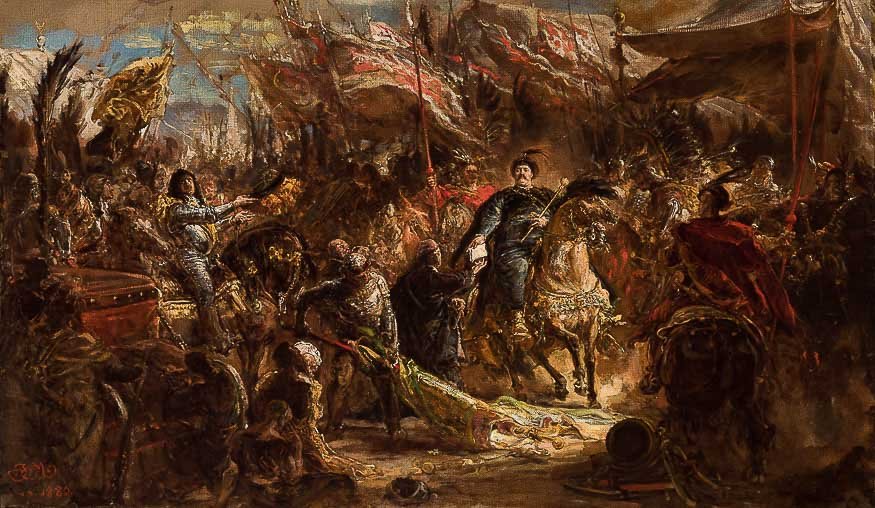
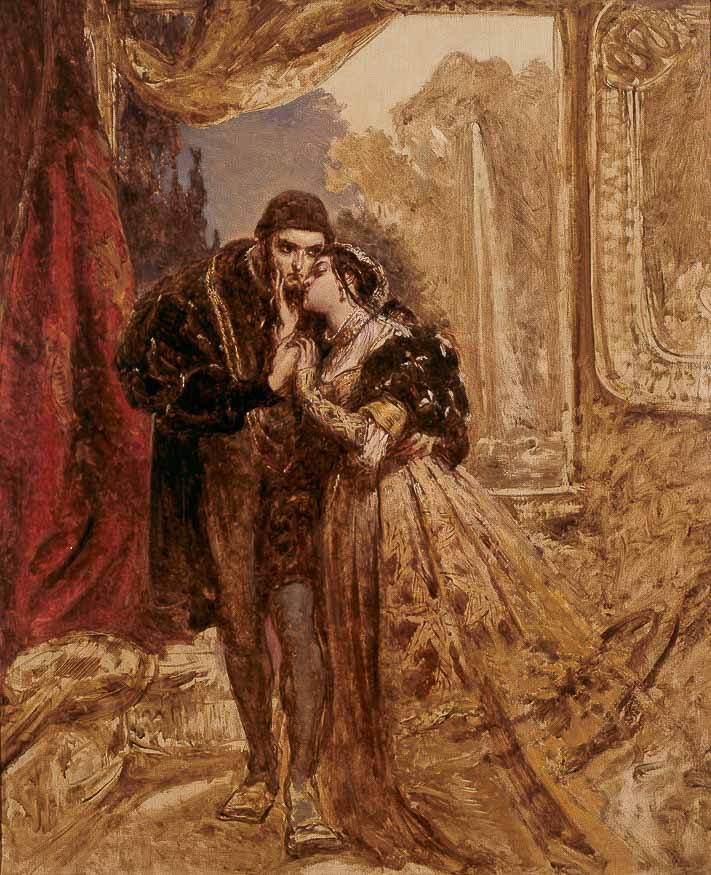
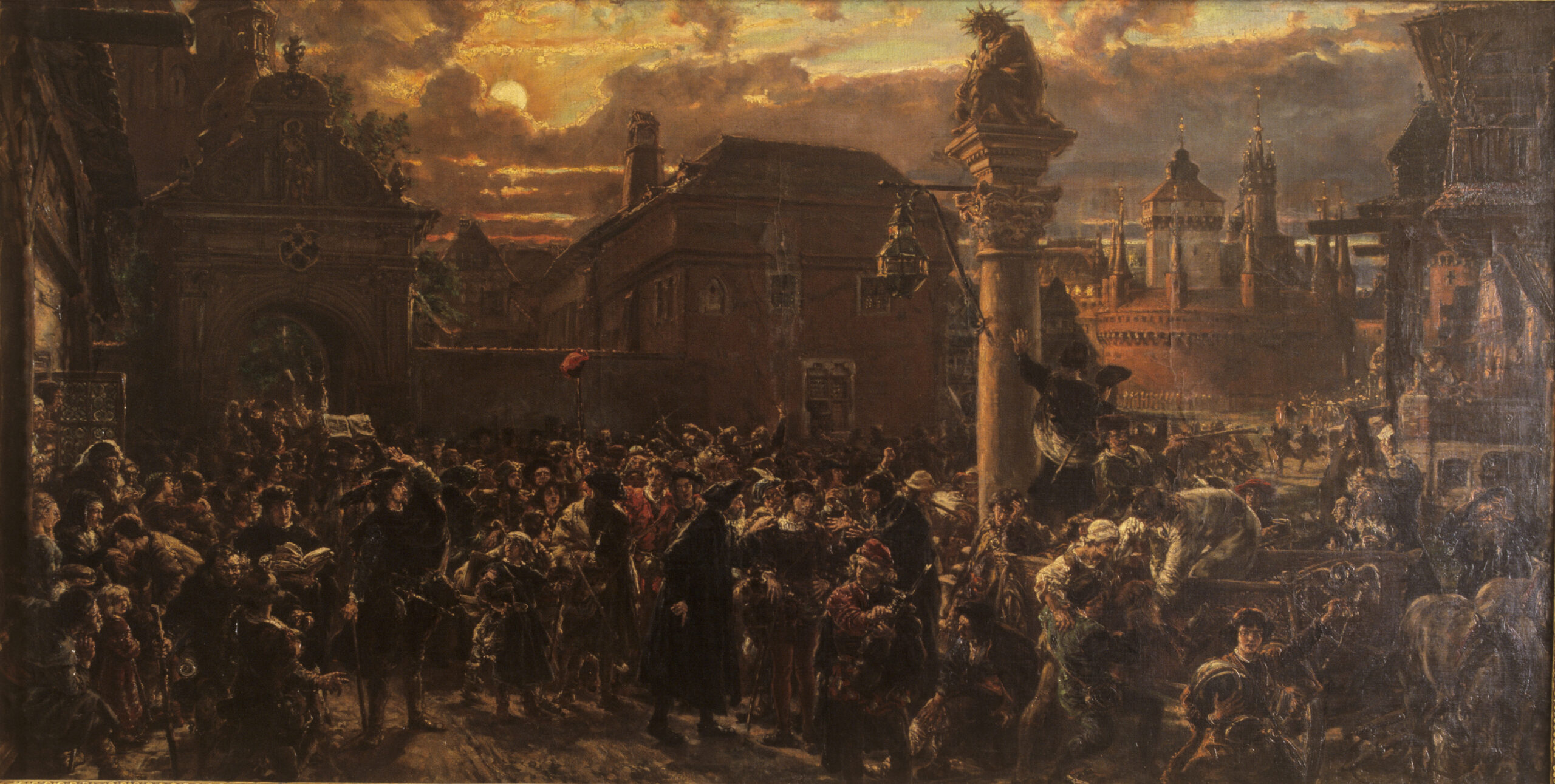
Jan Matejko was the creator of historical canvases – huge paintings that, due to their scale, are presented in the gallery of 19th-century Polish art in Sukiennice. Matejko also painted numerous portraits of family members and friends – personalities significant in the life of 19th-century Krakow.
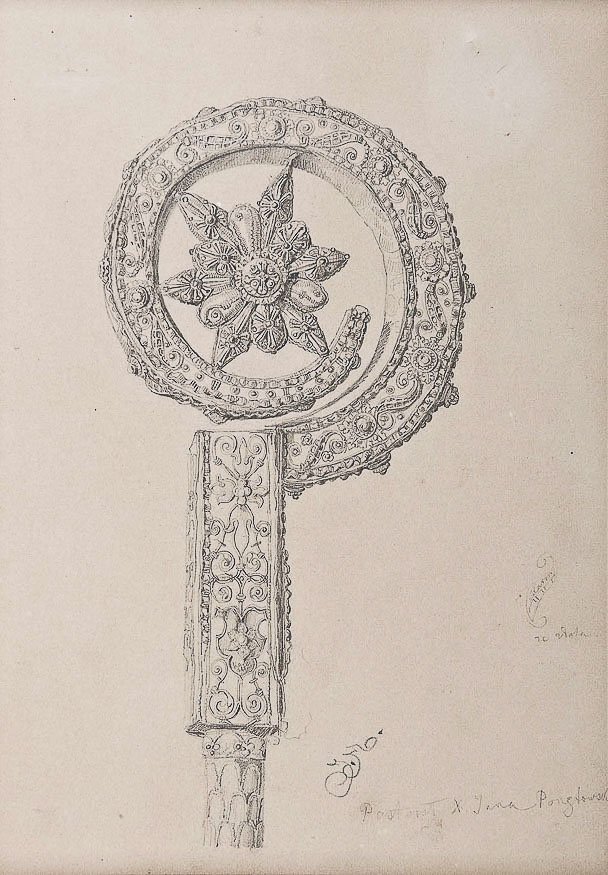
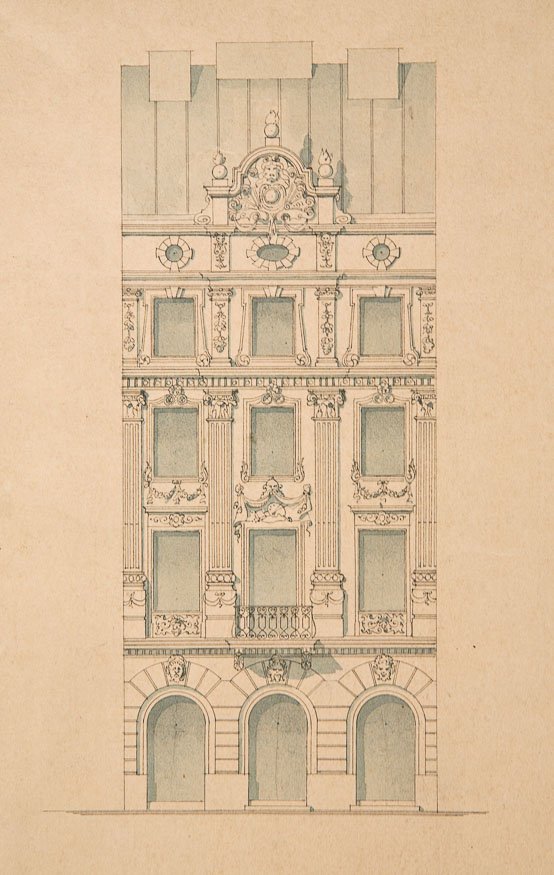
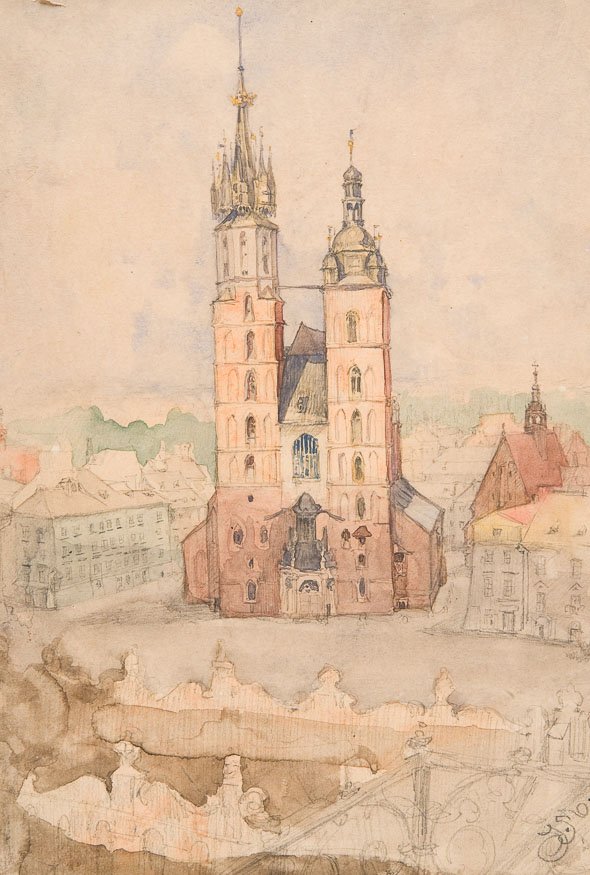
The artist’s significant contribution to the city’s life and the preservation of its heritage is reflected, among other things, in his designs for the interior of St. Mary’s Basilica at the Main Market Square. The sketches, designs, and studies for the polychrome of St. Mary’s Basilica form an important part of Matejko’s legacy in the collections of the National Museum in Krakow.
Visitors to the painter’s former house have the opportunity to see the original decor of the living room and boudoir on the first floor of the tenement house: these are the first spaces of Matejko’s House available to the public. The bedroom, with its characteristic blue and star-covered vault, belonged to Teodora, the artist’s wife – the painter himself was moved there shortly before his death.
The living room is dominated by a set of neo-Renaissance, richly decorated furniture, storing memorabilia related to the life of the Matejko family.
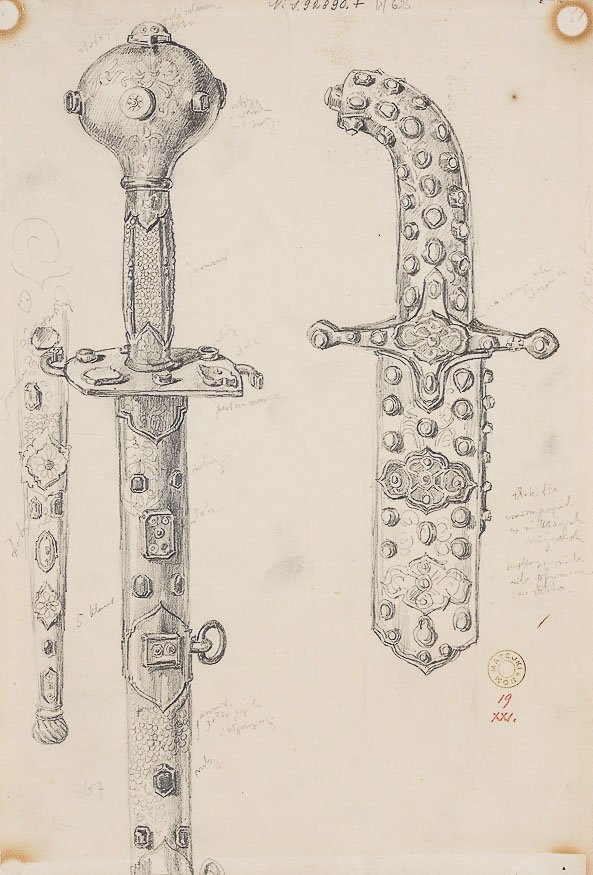
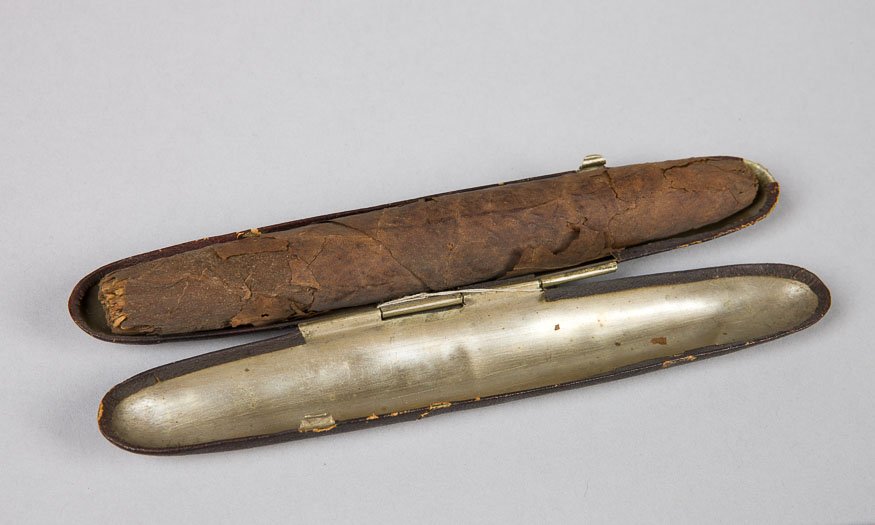
In addition to Jan Matejko’s paintings and drawings, the interior of the house presents numerous memorabilia, illustrating the artist’s range of interests and the broad resonance of his social activity, which resulted in numerous honorary diplomas and titles, submitted to the Master: citizenship of Krakow, Lviv, Przemyśl, orders, and even the sceptre of “reigning in art”.
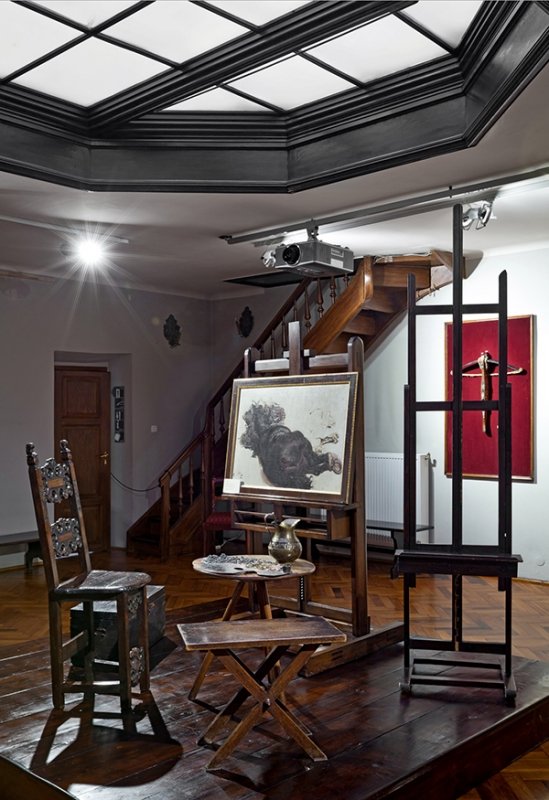
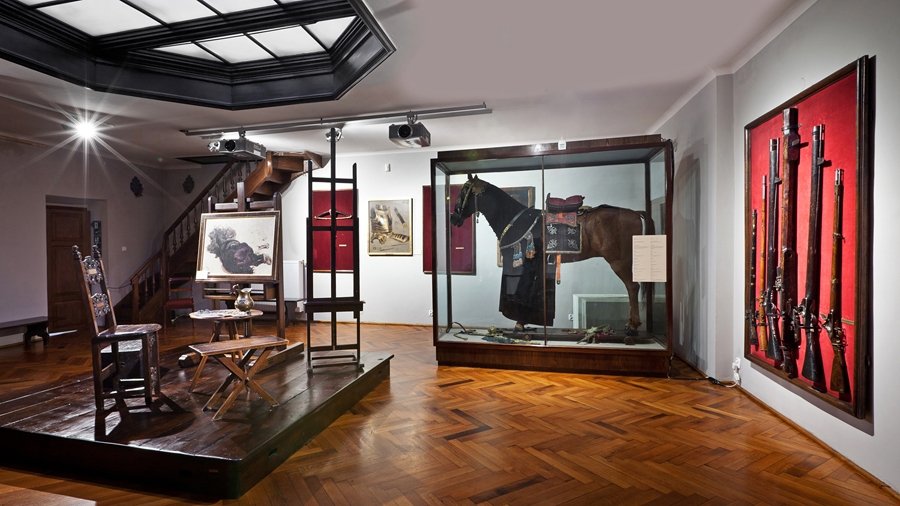
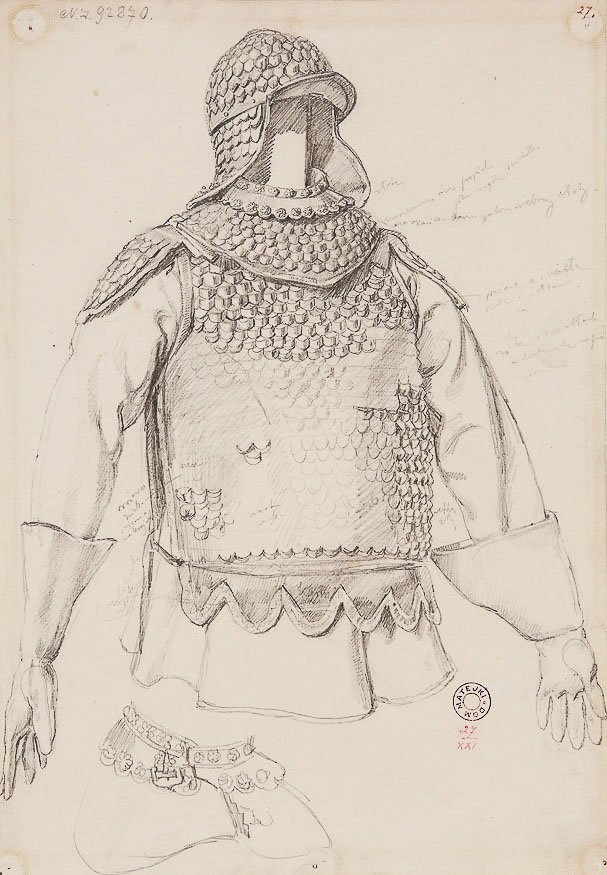
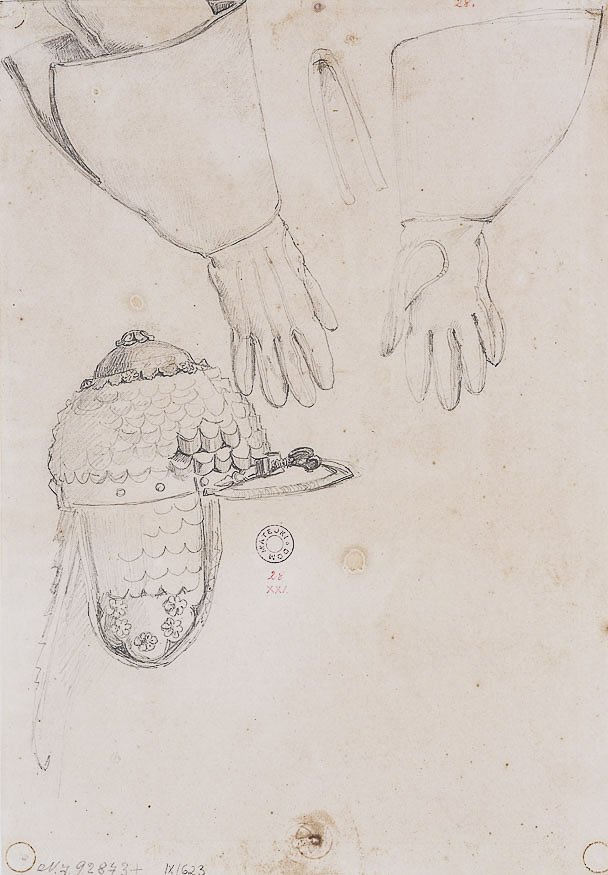
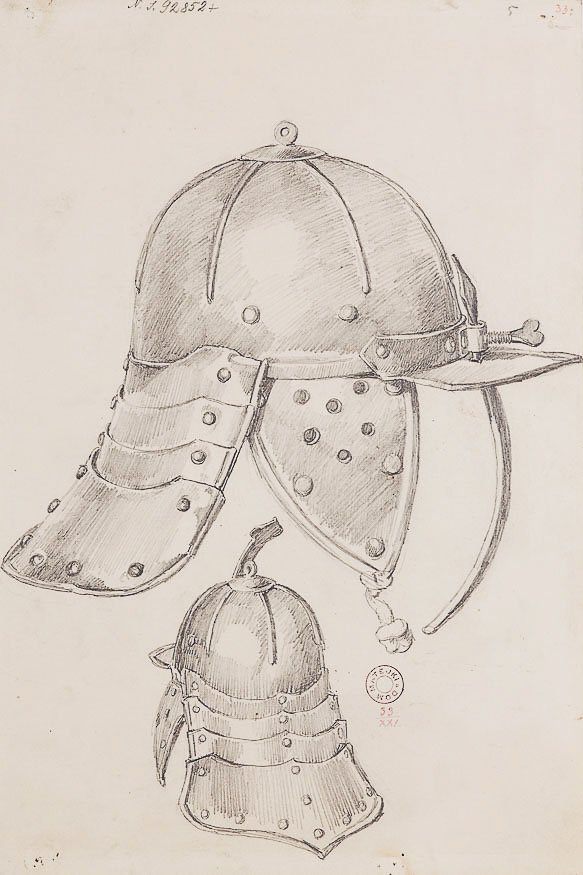
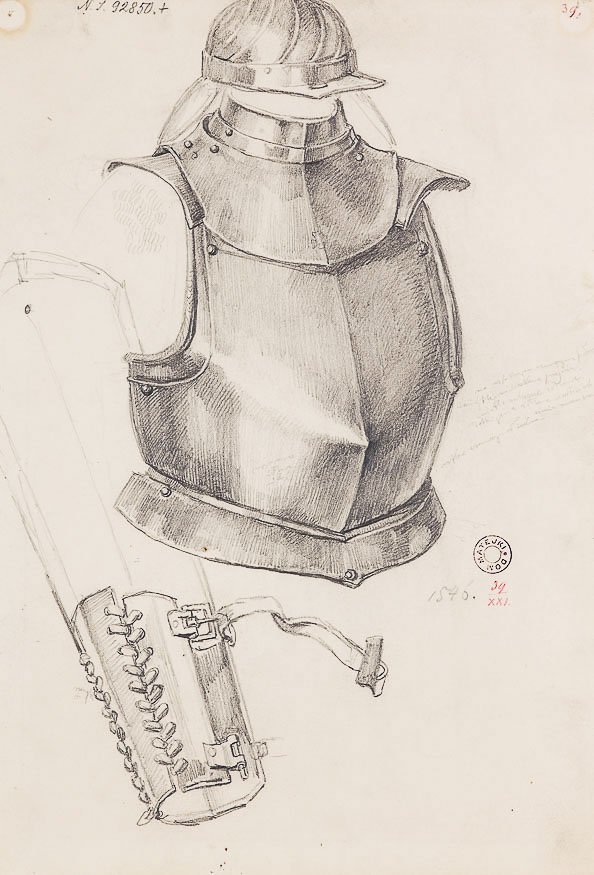
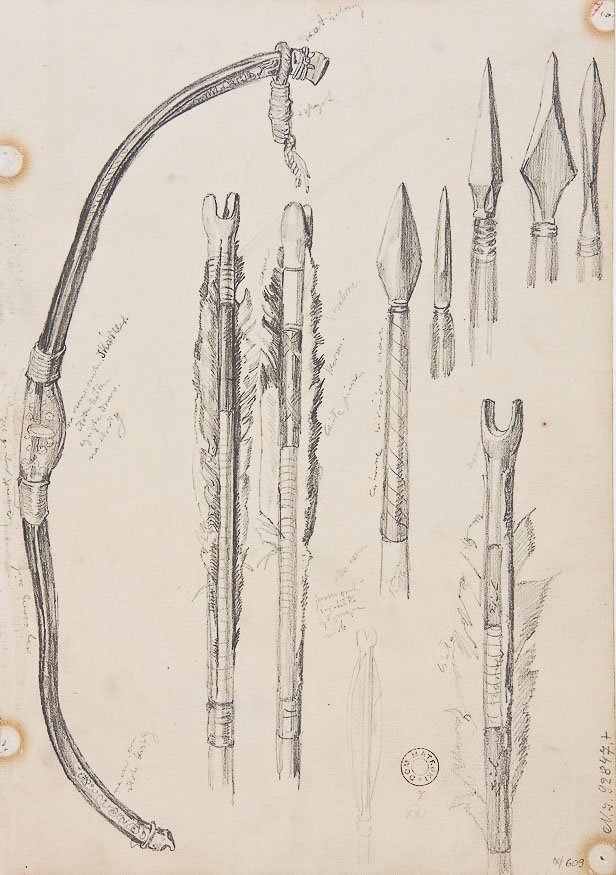
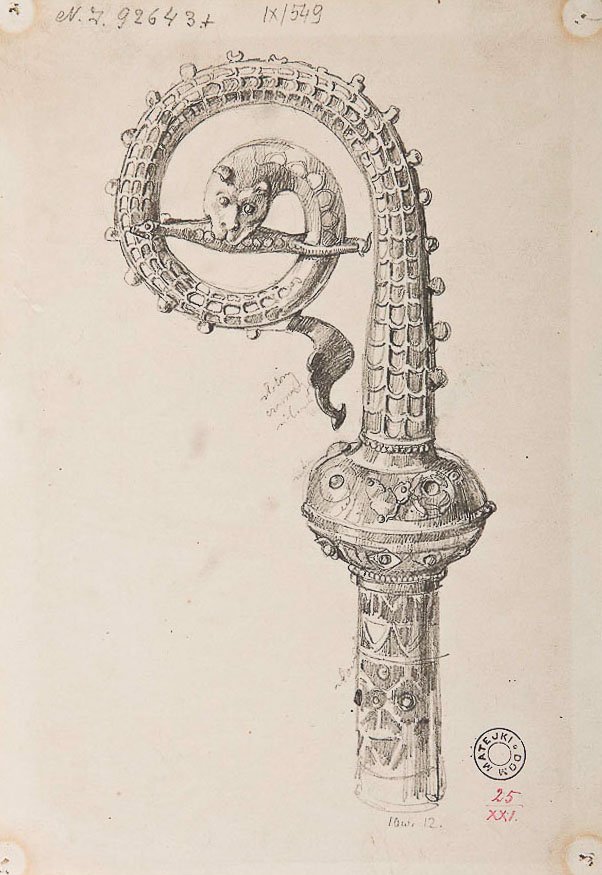
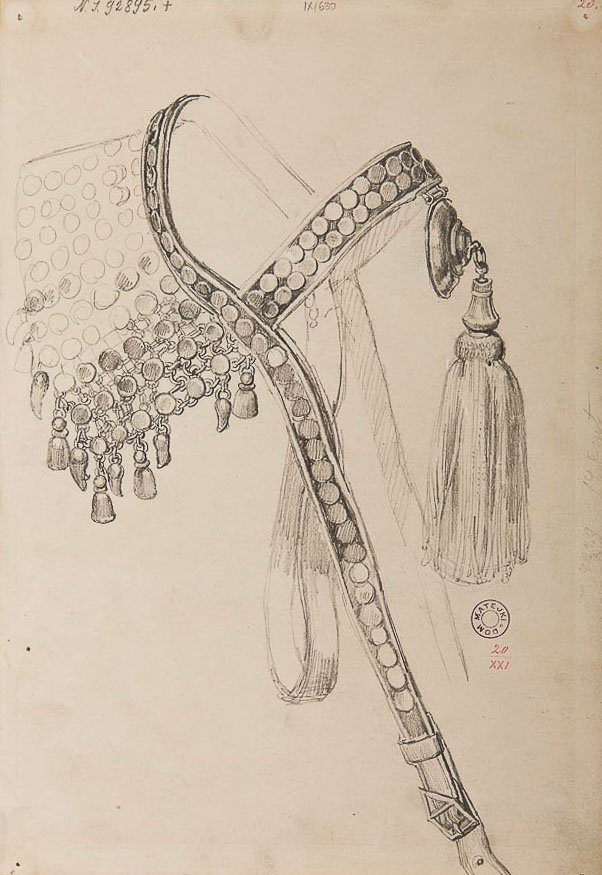
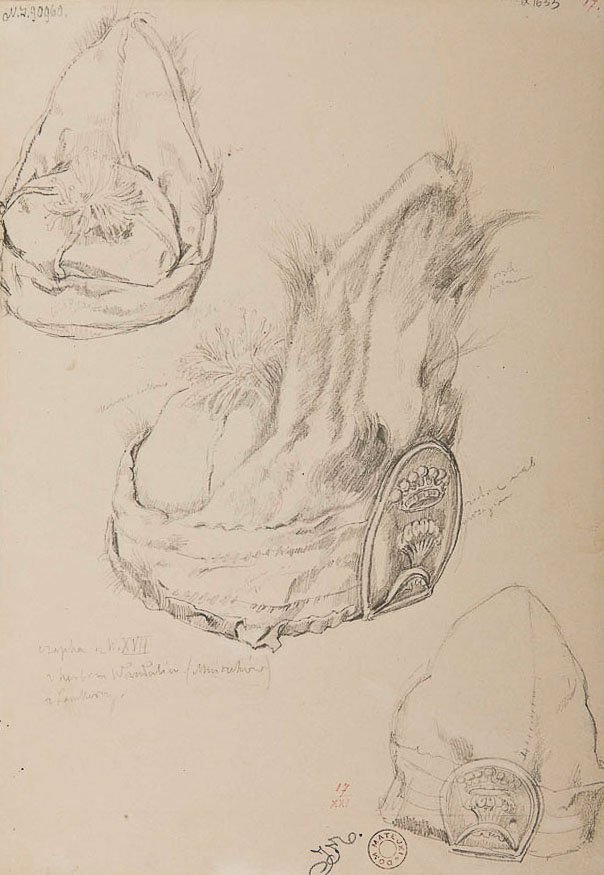
On the top floor of the house, Matejko’s artistic studio was reconstructed, along with utensils, paints and artefacts serving as models, headed by a large, stuffed horse, used as an aid in creating the painter’s monumental canvases.
Matejko
ul. Floriańska 41, 31-019 Kraków