





 Czapscy
ul. Piłsudskiego 12, 31-109 Kraków
The collection of numismatics of the National Museum in Krakow consists of approximately 109,000 objects. It consists of, among others: antique coins (approx. 9000), Polish and foreign coins (approx. 60,000), medals (approx. 7000), religious medallions (2646 pieces), banknotes (approx. 19,000), varia (approx. 6,200 objects) and deposits (approx. 4400).
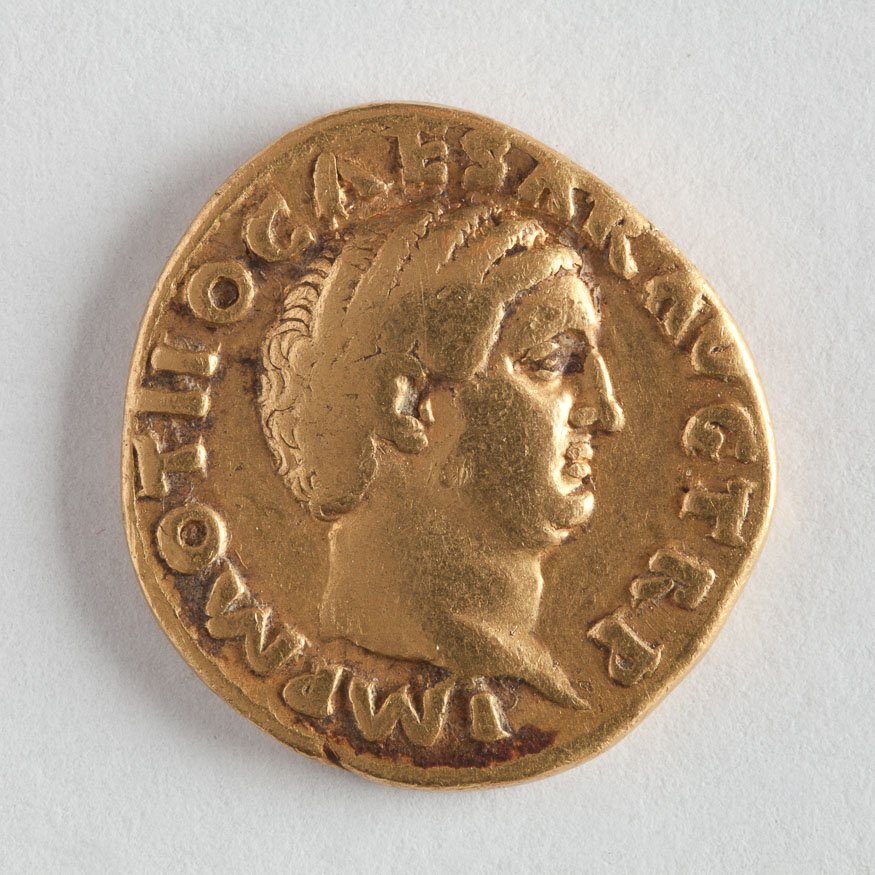
Among the ancient objects, noteworthy are the Greek coins from the archaic period, as well as Alexandrian and Celtic coins. The most numerous coins are those of the Roman Empire.
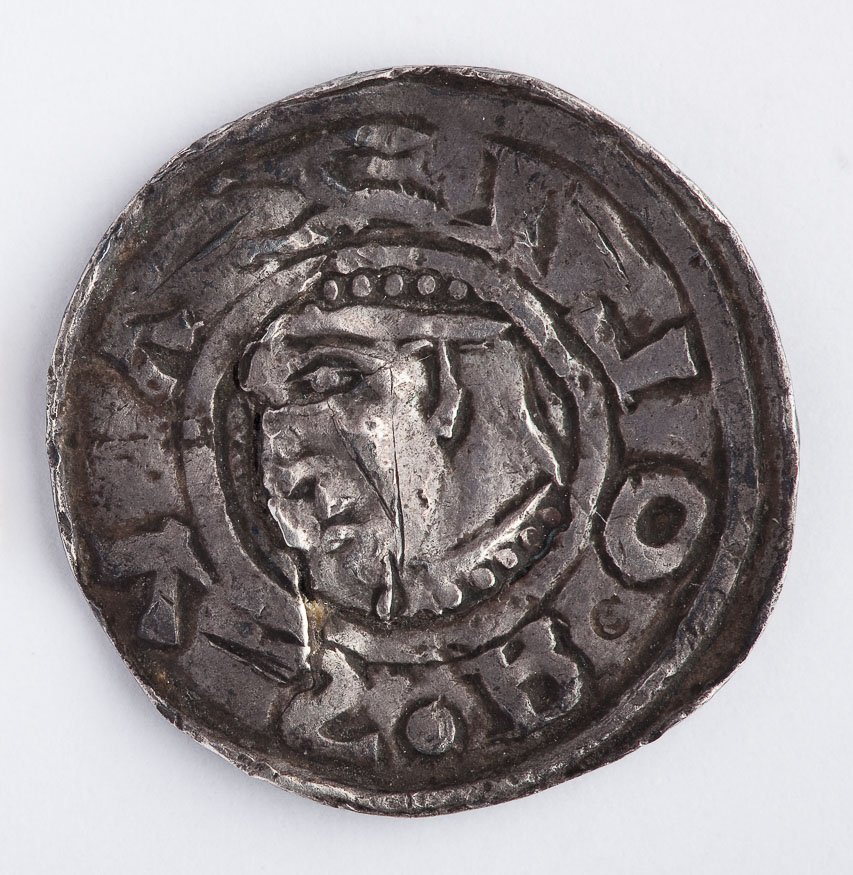
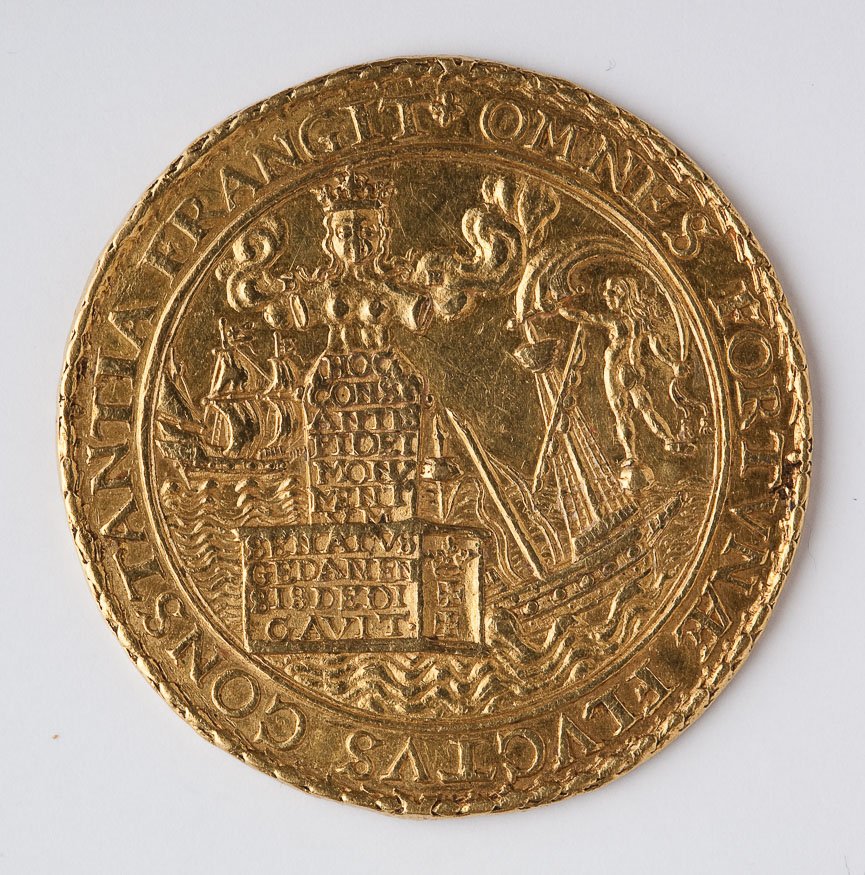
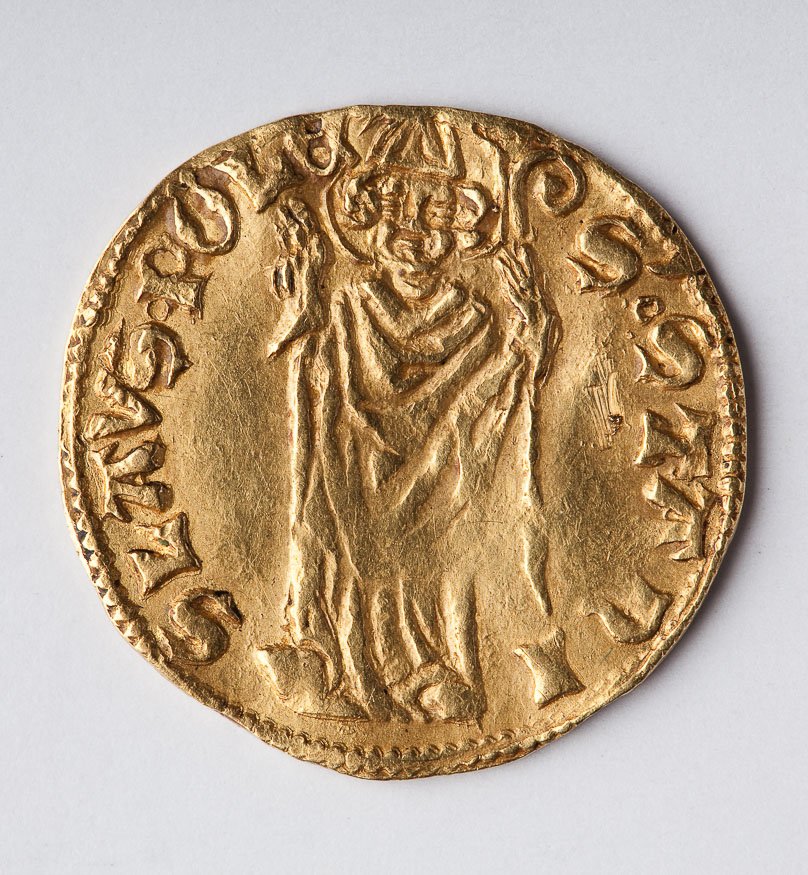
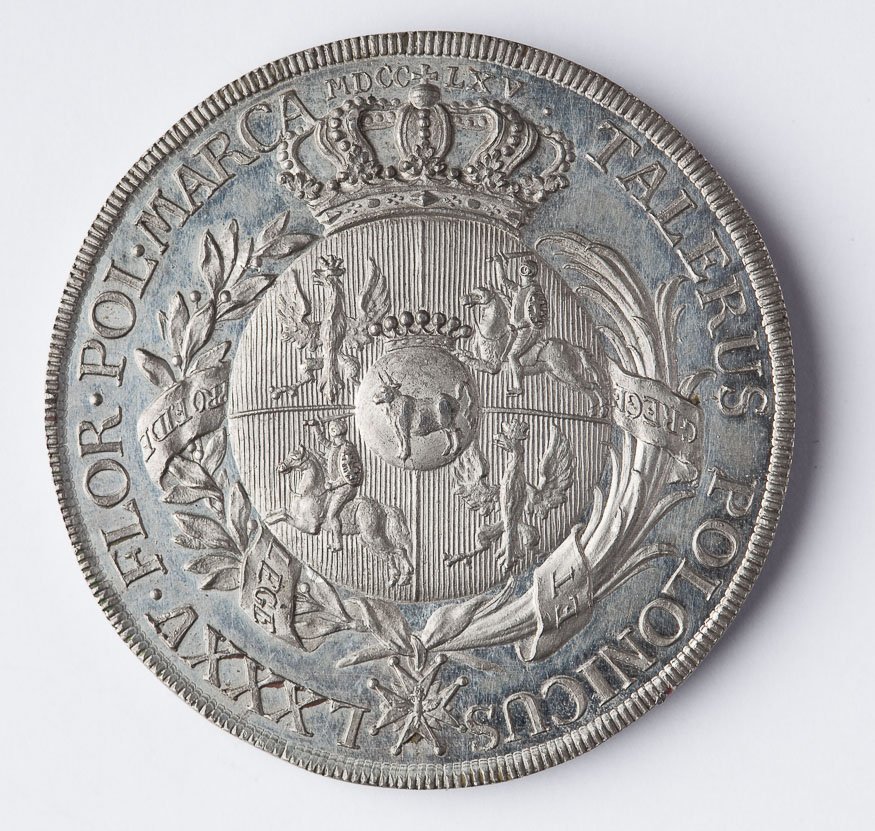
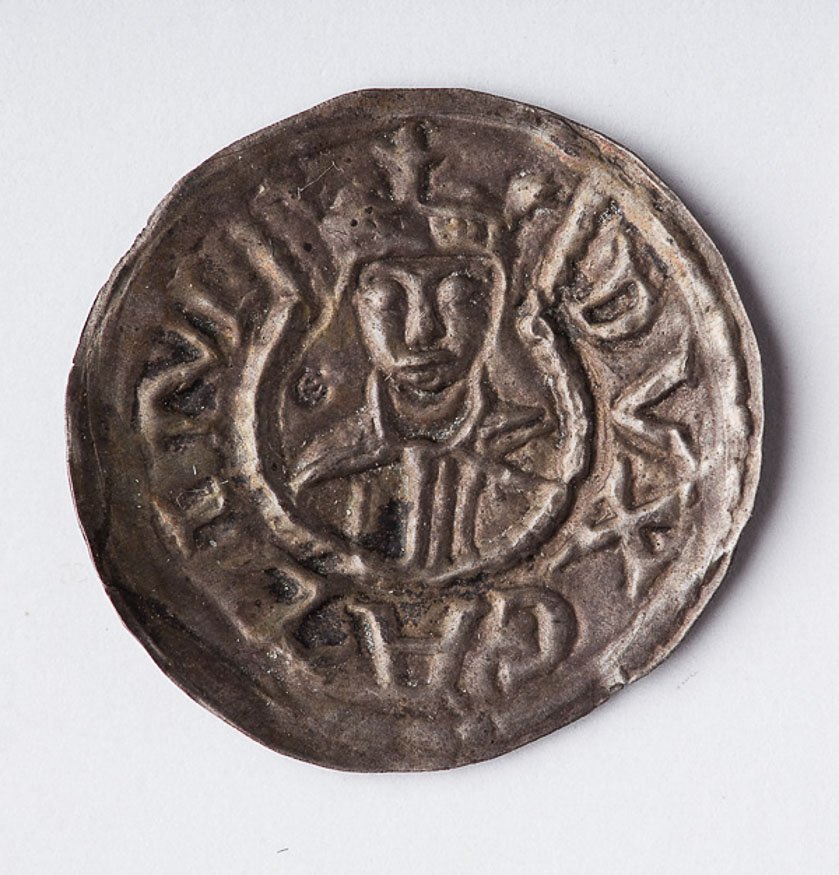
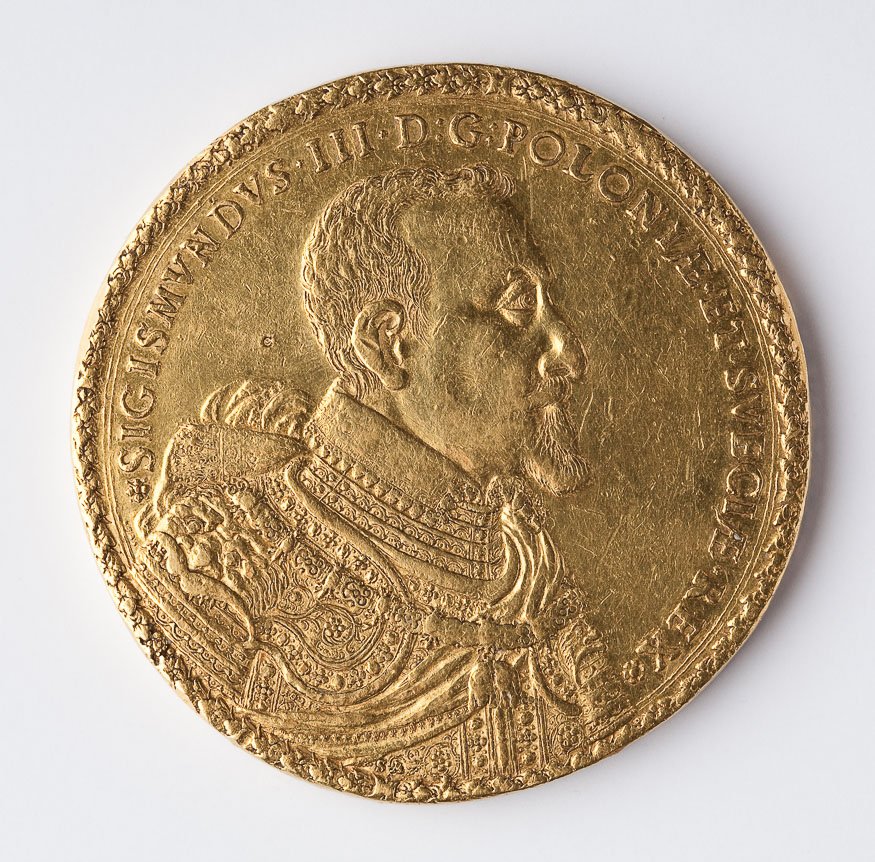
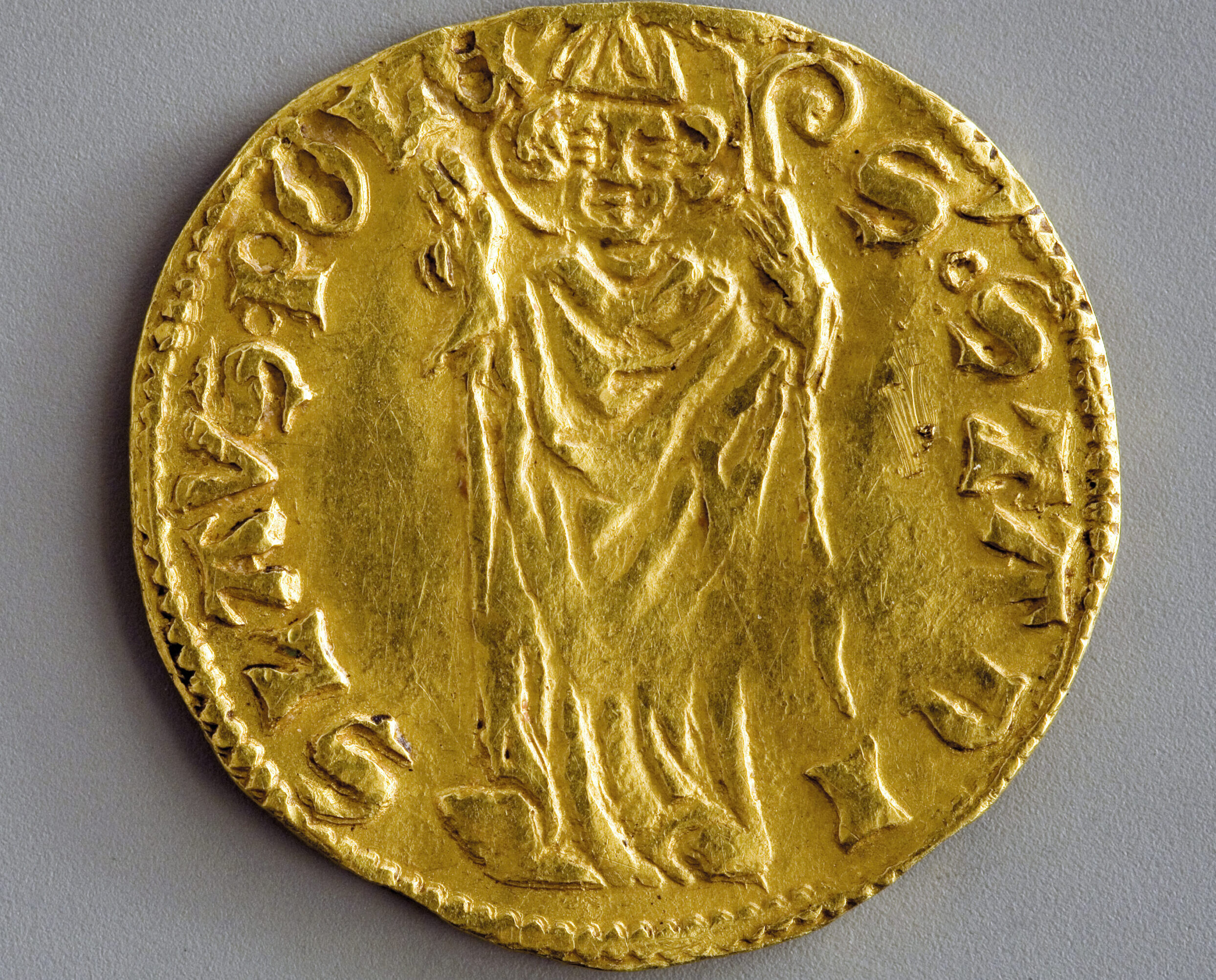
The collection of Polish coins is particularly valuable, including a set of denari from the first Piasts, Hebrew bracteates of Mieszko III, grosze of Kazimierz Wielki, the first Polish gold coins and thalers, as well as donatives from Gdańsk and Toruń (16th–17th centuries). From the group of numismatics historically associated with Poland, one should mention the Teutonic coins from the Baltic feuds, Saxon-Polish coins as well as private and substitute coins.
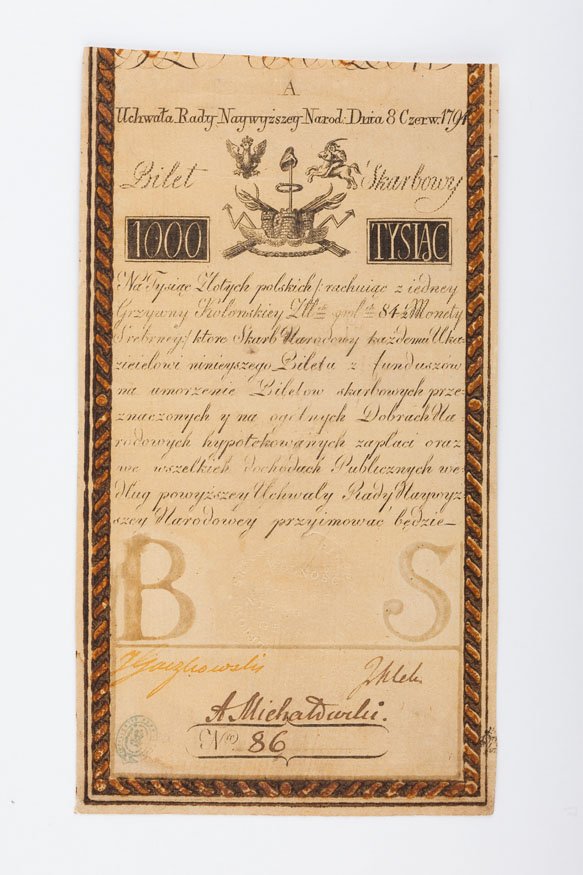
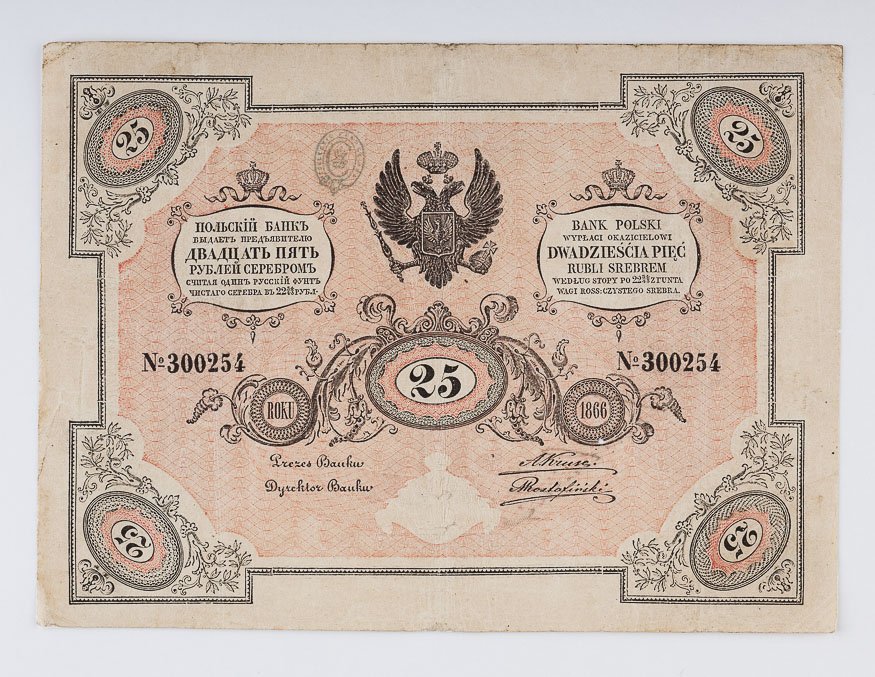
The collection includes a large number of banknotes, among which special mention should be made of the first Polish domestic paper money from the time of the Kościuszko Uprising of 1794, banknotes of the Kingdom of Poland, as well as substitute notes and securities.
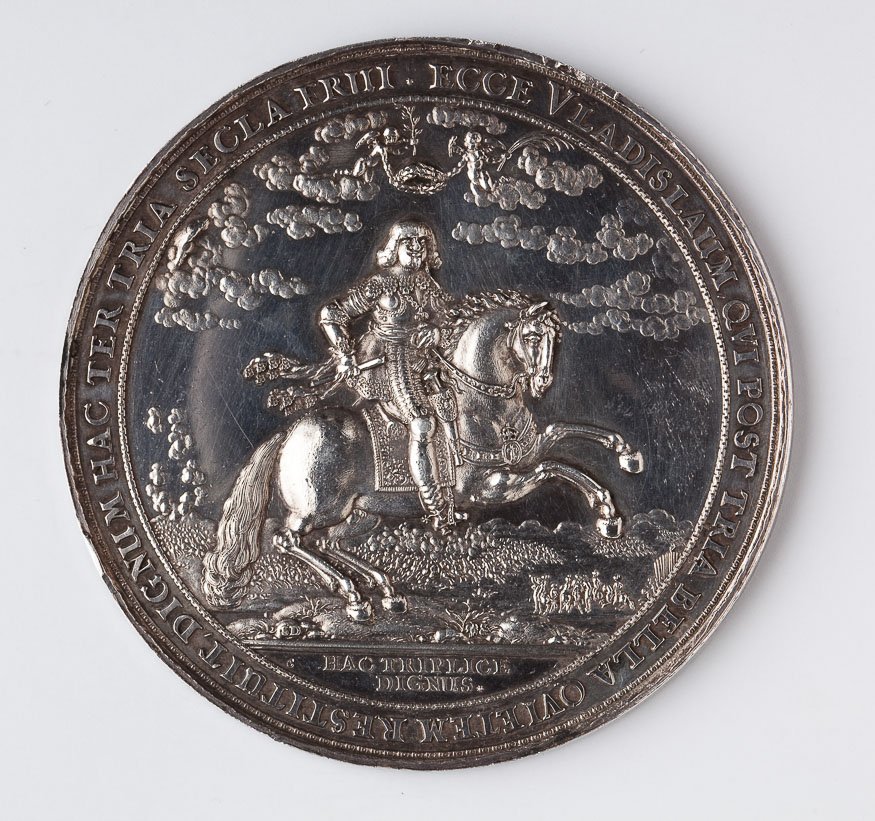
The collection of medals (16th-20th centuries) primarily includes Polish (royal and private) and foreign medals, including works by the most outstanding artists in this field: Samuel Ammon and Sebastian Dadler.
The collection of varias includes, among others, a unique set of 19th-century Majnert stamps used for coin counterfeiting, a collection of counterfeit coins, and examples of commodity money.
The Room also houses a collection of coins, banknotes and foreign medals.
The collections and the library are made available for research purposes to persons particularly interested after prior agreement and appointment with the employees of the Numismatic Room.
Czapscy
ul. Piłsudskiego 12, 31-109 Kraków